
Have you ever wondered how generators work? Understanding the mechanics behind these essential devices can empower you in countless situations, whether you’re camping in the great outdoors or preparing for a power outage at home.
Generators convert fuel into electricity, providing you with a reliable power source when you need it most. But how exactly does this process happen? You’ll discover the inner workings of generators and the different types available. By the end, you’ll have a clear picture of how they operate and why they’re so valuable.
Get ready to demystify the technology that keeps your devices running, and see how you can make informed choices for your power needs. Let’s dive in!
Credit: www.youtube.com
What Is A Generator?
Understanding what a generator is can be quite enlightening, especially if you have ever faced a power outage or ventured into the great outdoors. A generator is a device that converts mechanical energy into electrical energy, allowing you to power your appliances, tools, and even your home during emergencies. It serves as a reliable backup and is essential for various applications, from camping trips to construction sites.
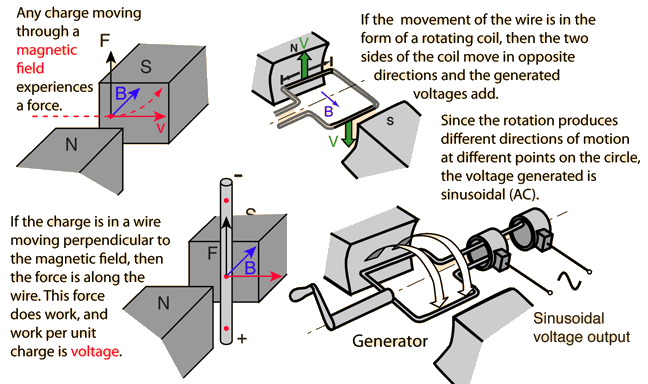
A generator is a machine that produces electricity. It does this by using fuel, such as gasoline, diesel, or natural gas, to create mechanical energy. This mechanical energy is then transformed into electrical energy through a process called electromagnetic induction.
How Does It Work?
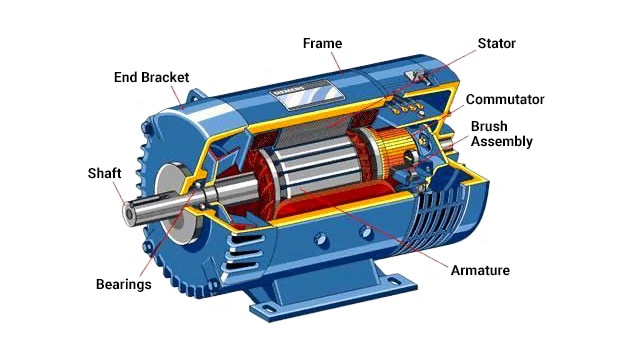
At its core, a generator consists of a rotor and a stator. The rotor spins inside the stator to create an electric current. The movement of the rotor is typically powered by an engine that runs on fuel. This spinning motion is crucial for generating electricity.
- Portable Generators:These are smaller and can be easily moved. They are great for camping or powering tools.
- Inverter Generators:They provide clean, stable power suitable for sensitive electronics.
- Standby Generators:These are permanently installed and automatically turn on during a power outage.
Applications Of Generators
Generators are not just for emergencies. They are widely used in construction sites to power tools and equipment. Many businesses rely on them to ensure continuous operation during power disruptions.
Have you ever been in a situation where the power went out, and you wished you had a generator? It’s a common experience that highlights the importance of having a reliable power source when you need it most.
Selecting the right generator for your needs can be overwhelming. Consider your power requirements, the type of fuel you prefer, and how often you plan to use it. Assessing these factors will help you make an informed decision.
Generators can be a lifesaver in many situations. Understanding how they work and their applications can empower you to choose the right one for your needs. What would you power first if you had a generator at your disposal?
Types Of Generators
Generators convert mechanical energy into electrical energy. Different types of generators include portable, standby, and inverter models. Each type serves specific needs, from home backup power to outdoor activities. Understanding how they work helps in choosing the right one for your situation.
Choosing the right generator can make a significant difference in your power needs. Each type of generator serves a distinct purpose and offers unique advantages. Understanding these types will help you select the best option for your situation.Portable Generators
Portable generators are versatile and easy to move around. They are perfect for outdoor activities, like camping or tailgating, where you need power on the go. These generators run on gasoline, propane, or diesel and can provide enough electricity to power essential appliances. – Advantages: – Easy to transport – Affordable compared to larger models – Ideal for temporary use Consider how often you will need to use a portable generator. If you plan to camp regularly or need power for outdoor events, investing in one can enhance your experience.Standby Generators
Standby generators offer a reliable solution for homeowners. They automatically kick in during a power outage, ensuring that your home remains powered without any effort on your part. These generators are permanently installed and typically run on natural gas or propane. – Advantages: – Automatic operation during outages – Provides backup for your entire home – Often quieter than portable options Imagine being in the middle of a storm with no power. A standby generator can keep your lights on and appliances running, giving you peace of mind.Inverter Generators
Inverter generators are known for their quiet operation and fuel efficiency. They produce clean energy, making them ideal for sensitive electronics like laptops and smartphones. Unlike traditional generators, inverter models adjust their output based on the load, which helps save fuel. – Advantages: – Lightweight and easy to transport – Quiet operation – Stable power for delicate devices Have you ever been on a trip and worried about charging your devices? An inverter generator can ensure your electronics remain powered without the noise of a typical generator. Understanding these types of generators can guide you in making the best choice for your needs. Each type brings unique benefits, so consider your lifestyle and power requirements before deciding.Key Components Of A Generator
Generators are complex machines. They convert mechanical energy into electrical energy. Understanding their key components helps us grasp how they work. Each part plays a crucial role in the generator’s function.
Engine
The engine is the heart of the generator. It provides the mechanical energy needed for operation. Engines can run on various fuels like gasoline or diesel. They come in different sizes, depending on the generator’s power output. A strong engine ensures reliable power generation.
Alternator
The alternator is where the magic happens. It converts mechanical energy from the engine into electrical energy. This process relies on electromagnetic induction. The alternator produces alternating current (AC). Some generators also create direct current (DC).
Fuel System
The fuel system supplies energy to the engine. It includes the fuel tank, fuel lines, and filter. Proper fuel delivery is essential for efficient operation. Clean fuel ensures smooth engine performance. A well-maintained fuel system prevents power loss.
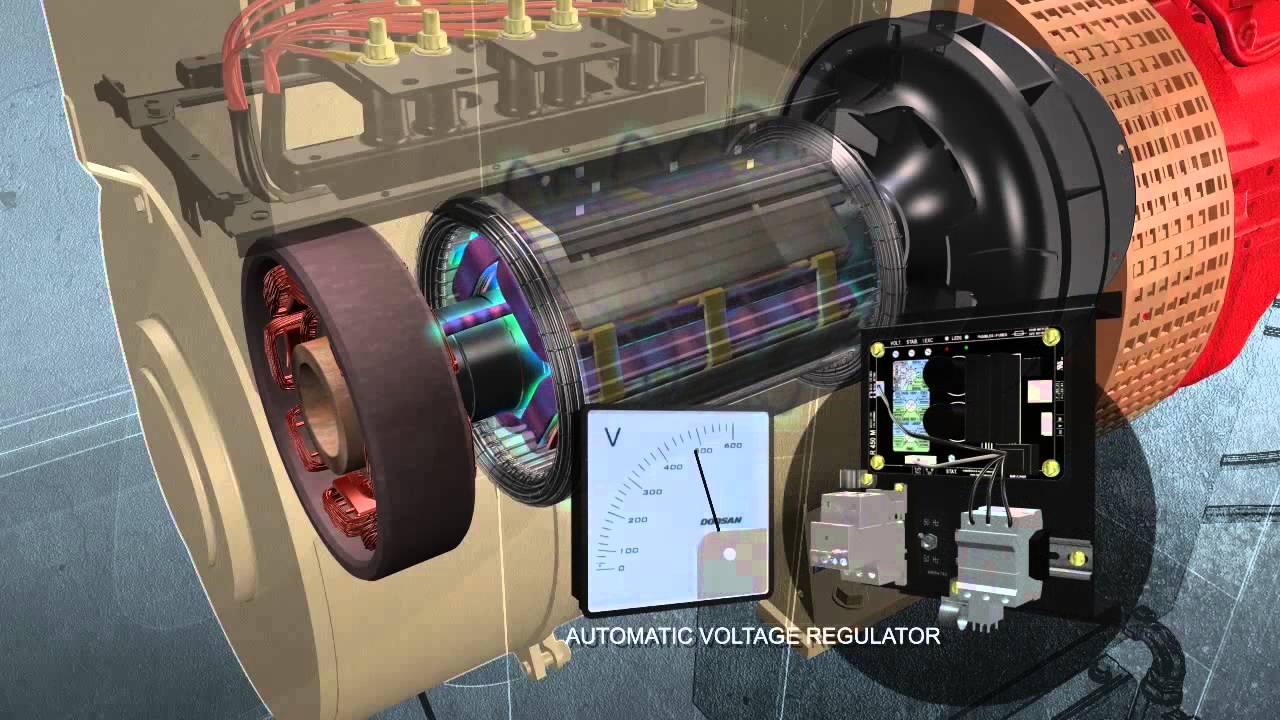
Voltage Regulator
The voltage regulator maintains a steady voltage output. It prevents fluctuations that can damage electrical devices. This component adjusts the alternator’s output. Consistent voltage ensures safe and reliable power supply.
Cooling And Exhaust Systems
Cooling systems keep the generator from overheating. They use air or liquid to manage temperatures. The exhaust system removes harmful gases from the engine. Proper cooling and exhaust help prolong the generator’s life.
Control Panel
The control panel is the user interface. It allows users to monitor the generator’s performance. Features include gauges for voltage, frequency, and runtime. A good control panel enhances usability and safety.
Credit: www.electricgeneratorsdirect.com
How Generators Produce Electricity
Generators are essential for producing electricity. They convert different types of energy into electrical energy. This process involves several key steps. Understanding these steps helps explain how we get power from generators.
Mechanical Energy Conversion
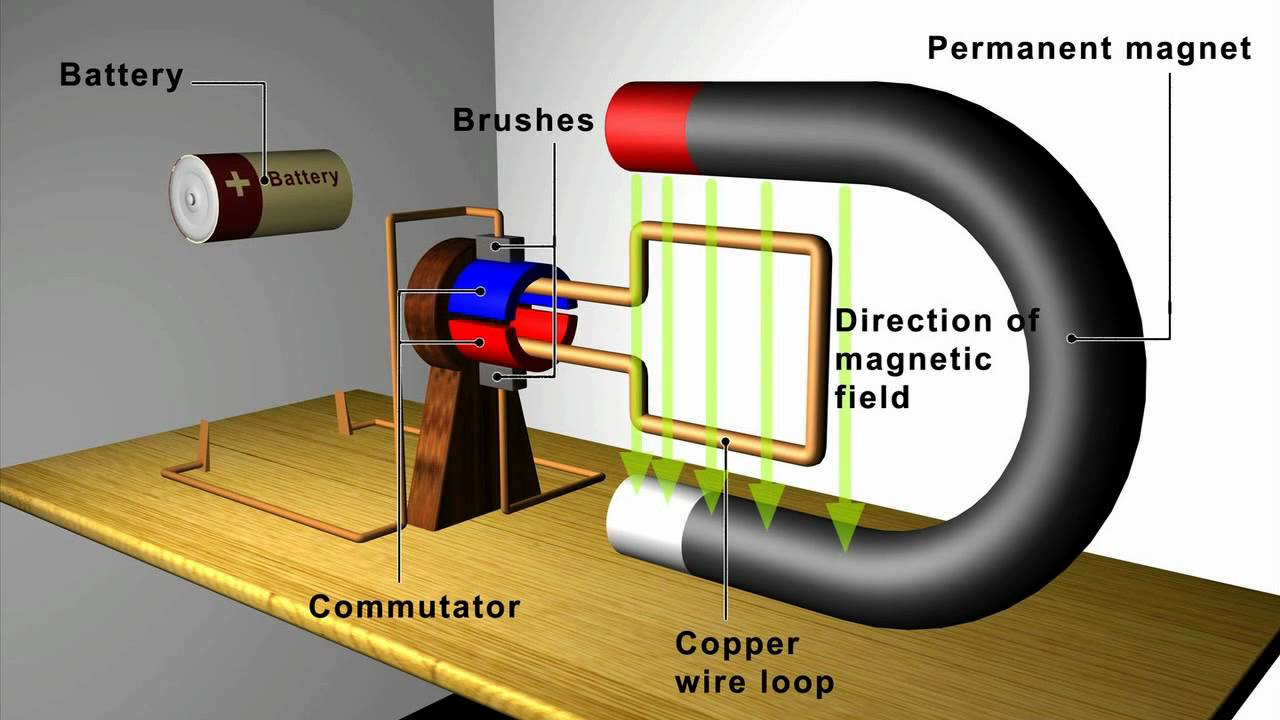
Generators start with mechanical energy. This energy can come from wind, water, or engines. The moving parts of the generator convert this energy. They turn a rotor, which is a key component. This rotor spins within a magnetic field. The movement creates energy. This is the first step in producing electricity.
Role Of Electromagnetic Induction
Electromagnetic induction plays a vital role in generators. As the rotor spins, it interacts with magnets. This interaction produces an electric current. The current flows through wires connected to the generator. This process converts motion into electrical energy efficiently. It is the core principle behind how generators work.
Common Uses Of Generators
Generators serve many important purposes in daily life. They provide power when we need it most. From homes to outdoor activities, their uses are diverse. Understanding these uses helps us appreciate their value.
Emergency Power Backup
Generators are essential during power outages. They keep homes running smoothly. Lights stay on, and appliances continue to work. This is crucial for safety and comfort.
They are especially helpful for medical equipment. Some people rely on machines to breathe or stay healthy. A generator ensures these devices function during blackouts.
Outdoor Activities
Generators are popular for camping and tailgating. They provide power for cooking, lighting, and entertainment. Outdoor enthusiasts enjoy the comforts of home while in nature.
Portable generators are easy to transport. They fit in vehicles without hassle. This makes them a favorite for family trips and gatherings.
Industrial Applications
Generators play a vital role in industries. They provide power for construction sites and factories. Work can continue even during power failures.
Many industries use large generators for heavy machinery. These machines require a lot of energy to operate. Generators ensure that productivity stays high.
Credit: www.youtube.com
Choosing The Right Generator
Selecting the right generator is vital. It impacts your power supply and convenience. Understanding your needs helps you make the best choice.
Generators come in various types. Each type serves different purposes. Assess your needs carefully before buying.
Assessing Power Needs
Start by determining your power requirements. List all the devices you want to run. Add up their wattage to find the total needed power.
Consider starting and running wattages. Some appliances need extra power to start. Make sure your generator can handle this surge.
Fuel Type Considerations
Generators run on different fuels. Common options include gasoline, propane, and diesel. Each fuel type has its benefits and drawbacks.
Gasoline generators are easy to find. They are usually less expensive. Propane generators are cleaner and quieter but may cost more.
Diesel generators are efficient and durable. They are great for heavy-duty use. Choose the fuel type that best fits your needs.
Portability Vs. Stationary Options
Think about where you will use the generator. Portable generators are easy to move. They are ideal for camping or outdoor events.
Stationary generators are fixed in one place. They provide more power for homes or businesses. Consider how often you will need to relocate the generator.
Your choice impacts convenience and usability. Make sure to choose based on your lifestyle.
Generator Safety Tips
Generators provide power when needed. Knowing how they work helps ensure safety. Follow basic tips, like keeping fuel away from flames and maintaining proper ventilation. Always use generators outdoors to avoid harmful fumes. Regular checks can prevent accidents and keep your generator running smoothly.
Stay safe while using your generator.
Generator Safety Tips are essential for anyone using these machines. Understanding how to operate a generator safely can prevent accidents and ensure that you get the most out of your equipment. Here are some key tips to keep in mind.Proper Ventilation
Generators emit carbon monoxide, a colorless and odorless gas that can be deadly. Always place your generator outdoors, away from windows, doors, and vents. Make sure the area is well-ventilated to allow for proper air circulation. Consider using a carbon monoxide detector if you’re operating the generator close to your home. This simple device can alert you to dangerous gas levels, ensuring your safety.Avoiding Overloading
Overloading your generator can lead to overheating and potential damage. Always check the wattage rating of your generator before plugging in appliances. Create a list of devices you need to power and their wattage requirements. Prioritize essential items, and avoid using multiple high-wattage devices at once. This not only protects your generator but also keeps your home safe from electrical fires.Regular Maintenance
Routine maintenance is crucial for keeping your generator in top shape. Regularly check the oil levels, fuel quality, and air filters. Change the oil and replace the filters according to the manufacturer’s recommendations. Keep the generator clean and free from dust and debris. A well-maintained generator is less likely to malfunction when you need it most. How often do you check on your generator? Keeping it in good condition ensures that it’s ready when you need it, especially during emergencies.Maintenance And Troubleshooting
Understanding how a generator works is key for effective maintenance and troubleshooting. Generators convert fuel into electricity, providing power during outages. Regular checks and simple fixes can help keep your generator running smoothly. Familiarity with its parts can also make identifying problems easier.
Maintaining your generator is crucial for ensuring it operates smoothly when you need it most. Regular maintenance can prevent unexpected breakdowns and prolong the life of your equipment. Troubleshooting common issues also empowers you to handle minor problems without professional help. Let’s break down the essentials of maintenance and troubleshooting.Routine Inspections
Start with regular inspections of your generator. Check the oil level, coolant, and fuel levels before each use. Keeping these fluids at appropriate levels prevents overheating and damage. Look for any signs of wear or leaks. Inspect the hoses and connections for cracks or fraying. A quick visual check can save you from major repairs down the line. Don’t forget to test your generator monthly. Run it for about 30 minutes under a load. This simple step ensures everything is functioning correctly and helps keep the battery charged.Common Issues And Fixes
Generators can face a variety of issues. Here are some common problems and how to fix them: – Starting Problems: If your generator won’t start, check the fuel and oil levels. Low fuel or oil can prevent ignition. Replace old fuel with fresh gas if necessary. – Overheating: If your generator shuts down unexpectedly, it might be overheating. Ensure the air vents are clear of debris. Cleaning the air filter can also help maintain airflow. – Strange Noises: Unusual sounds can indicate mechanical issues. Tighten loose bolts and inspect for any damaged components. If the noise persists, consult a professional. – Electrical Issues: Flickering lights or inconsistent power can signal electrical problems. Check the circuit breaker and reset it if needed. Ensure all connections are tight and secure. Keeping your generator in top shape doesn’t have to be overwhelming. By performing routine inspections and addressing common issues, you can ensure reliable performance. What steps will you take today to check on your generator?Frequently Asked Questions
How Does A Generator Produce Electricity?
A generator produces electricity by converting mechanical energy into electrical energy. This process typically involves rotating a coil within a magnetic field. The movement induces an electrical current due to electromagnetic induction. Various fuel sources, including diesel or natural gas, can power the generator’s engine.
What Are The Main Types Of Generators?
The main types of generators include portable, standby, and inverter generators. Portable generators are versatile and easy to move. Standby generators provide automatic power during outages. Inverter generators offer clean energy and are quieter, making them suitable for sensitive electronics.
How Do I Maintain My Generator?
Regular maintenance is crucial for optimal generator performance. Check the oil level, replace the air filter, and inspect the spark plug periodically. Additionally, keep the fuel clean and stored properly. Following the manufacturer’s guidelines ensures longevity and efficiency in your generator’s operation.
What Fuel Types Do Generators Use?
Generators commonly use gasoline, diesel, propane, or natural gas as fuel. Gasoline generators are portable and easy to find. Diesel generators are more fuel-efficient and ideal for heavy-duty use. Propane and natural gas generators offer cleaner burning options, reducing emissions.
Conclusion
Generators play a vital role in our daily lives. They provide power when we need it most. Understanding how they work helps you make informed choices. Regular maintenance keeps them running smoothly. Always follow safety tips to prevent accidents. By knowing the basics, you can appreciate their importance.
Whether for home or work, generators are essential tools. Stay prepared and informed. This knowledge empowers you in any situation.