
Have you ever found yourself in a frustrating situation where your generator won’t start with the pull cord? You’re not alone.
This common issue can leave you feeling helpless, especially when you need power the most. Whether you rely on your generator for home backup, camping trips, or outdoor events, a stubborn pull cord can ruin your plans. We’ll dive into the reasons why your generator might be refusing to start and what you can do to fix it.
You’ll discover practical tips and solutions that can save you time and hassle. Don’t let a simple problem keep you in the dark. Keep reading to get your generator back up and running smoothly. Your peace of mind is just a few steps away!
Common Reasons For Pull Cord Issues
Experiencing issues with your generator’s pull cord can be frustrating, especially when you need it the most. Understanding the common reasons behind these problems can save you time and hassle. Let’s look at some of the frequent culprits that prevent your generator from starting with the pull cord.
Worn Or Damaged Pull Cord
A worn or damaged pull cord is one of the most common reasons your generator won’t start. Over time, the cord can fray or break, making it difficult to pull. If you notice signs of wear, it’s essential to replace the cord to ensure smooth operation.
Stuck Or Jammed Engine
If the engine is stuck or jammed, the pull cord won’t budge. Dirt, debris, or rust can accumulate in the engine, causing it to seize. Regular maintenance, like cleaning and lubricating, can help prevent this issue.
Fuel Issues
Fuel problems can also stop your generator from starting. Old or contaminated fuel can clog the carburetor, making it hard for the engine to ignite. Always use fresh fuel and consider adding fuel stabilizers to prolong its life.
Faulty Starter Mechanism
The starter mechanism can fail, which means the pull cord won’t engage properly. If you hear unusual noises when pulling the cord, it may be a sign of a malfunction. Regular inspections can help identify these issues before they escalate.
Electrical Problems
Sometimes, electrical issues can prevent your generator from starting. A dead battery or faulty wiring may stop the ignition process. Check the battery connections and wiring regularly to ensure everything is in good condition.
Have you ever found yourself in a situation where your generator simply won’t start? Identifying the cause can be a game-changer. By understanding these common reasons for pull cord issues, you can troubleshoot effectively and get your generator running smoothly again.
Checking The Fuel System
When a generator won’t start, the fuel system is often the culprit. A few simple checks can help identify the issue. Start by looking closely at the fuel tank, carburetor, and fuel quality. This process can help you find the problem quickly.
Inspecting The Fuel Tank
First, check the fuel tank. Look for any signs of dirt or debris. Clear tanks allow fuel to flow freely. Make sure the tank has enough fuel. Sometimes, a generator won’t start simply because it is empty.
Next, inspect the fuel lines. Look for cracks or leaks. Damaged lines can block fuel from reaching the engine. Replace any damaged parts to ensure proper fuel flow.
Cleaning A Clogged Carburetor
A clogged carburetor can prevent the generator from starting. Remove the carburetor and inspect it closely. Look for dirt or old fuel deposits. Clean it carefully using carburetor cleaner. This will help restore proper fuel flow.
Reassemble the carburetor and ensure it fits tightly. A good seal is essential for proper operation. Test the generator again after cleaning.
Ensuring Fuel Quality
Fuel quality is crucial for a generator’s performance. Use fresh fuel whenever possible. Old or contaminated fuel can cause starting issues. If the fuel smells bad or looks cloudy, replace it.
Consider adding a fuel stabilizer. This helps keep the fuel fresh for longer. Regularly check your fuel supply to avoid problems. Good quality fuel keeps your generator running smoothly.
Examining The Spark Plug
When your generator won’t start with the pull cord, one of the first components you should examine is the spark plug. This small but crucial part ignites the fuel-air mixture in the engine. If it’s not functioning properly, your generator won’t have the spark it needs to run.
Checking For Damage Or Wear
Start by removing the spark plug from the engine. Inspect it for any visible damage, such as cracks or excessive wear. A damaged spark plug can prevent the engine from starting.
Look for signs of carbon buildup or oil residue. These deposits can indicate that your engine is running rich or burning oil. Both issues can affect the spark plug’s performance and may require further investigation.
Don’t forget to check the electrode. It should be clean and not overly worn down. If it appears burnt or eroded, it’s time for a replacement.
Cleaning Or Replacing The Spark Plug
If the spark plug is dirty but not damaged, cleaning it can often restore its functionality. Use a wire brush or a specialized spark plug cleaner to remove any buildup. Make sure to follow the manufacturer’s guidelines for cleaning.
After cleaning, check the gap between the electrodes. A proper gap is essential for a strong spark. Adjust it according to the specifications found in your generator’s manual.
If the spark plug shows significant wear or damage, replacing it is the best option. Choose a spark plug that matches your generator’s specifications for optimal performance. Installing a new spark plug can make a noticeable difference in your generator’s ability to start.
Have you checked your spark plug lately? Regular maintenance can save you from frustrating situations when you need your generator most.

Credit: www.reddit.com
Assessing The Air Filter
When your generator won’t start with the pull cord, check the air filter. A dirty or damaged air filter can block airflow. This issue affects the engine’s ability to run. Keeping the air filter clean is essential for smooth operation.
Cleaning A Dirty Air Filter
Start by locating the air filter. Remove it from the generator carefully. Inspect it for dirt and debris. Use a soft brush or cloth to clean it. If it is very dirty, rinse it with water. Let it dry completely before reinstalling. A clean air filter helps the engine breathe better.
Replacing A Damaged Air Filter
Sometimes, cleaning is not enough. Check for tears or holes in the filter. A damaged filter must be replaced. Purchase a new air filter that fits your generator model. Install the new filter according to the manufacturer’s instructions. This ensures optimal performance and extends the life of your generator.
Inspecting The Recoil Starter
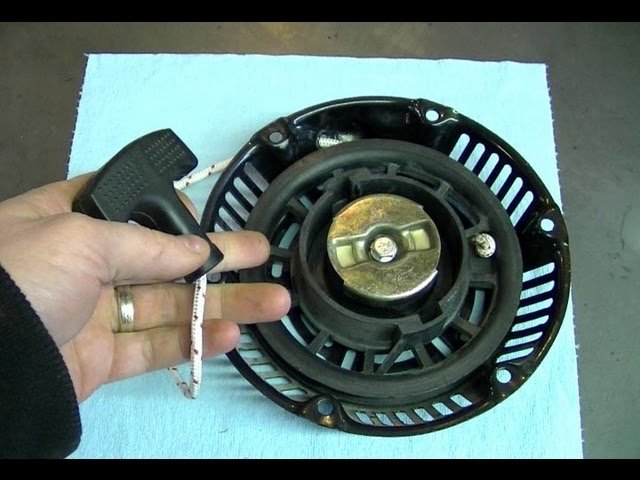
If your generator won’t start with the pull cord, the recoil starter might be the culprit. This vital component is responsible for starting the engine by retracting the pull cord. Inspecting it can often reveal the issue, allowing you to get your generator back in action.
Checking The Pull Cord For Damage
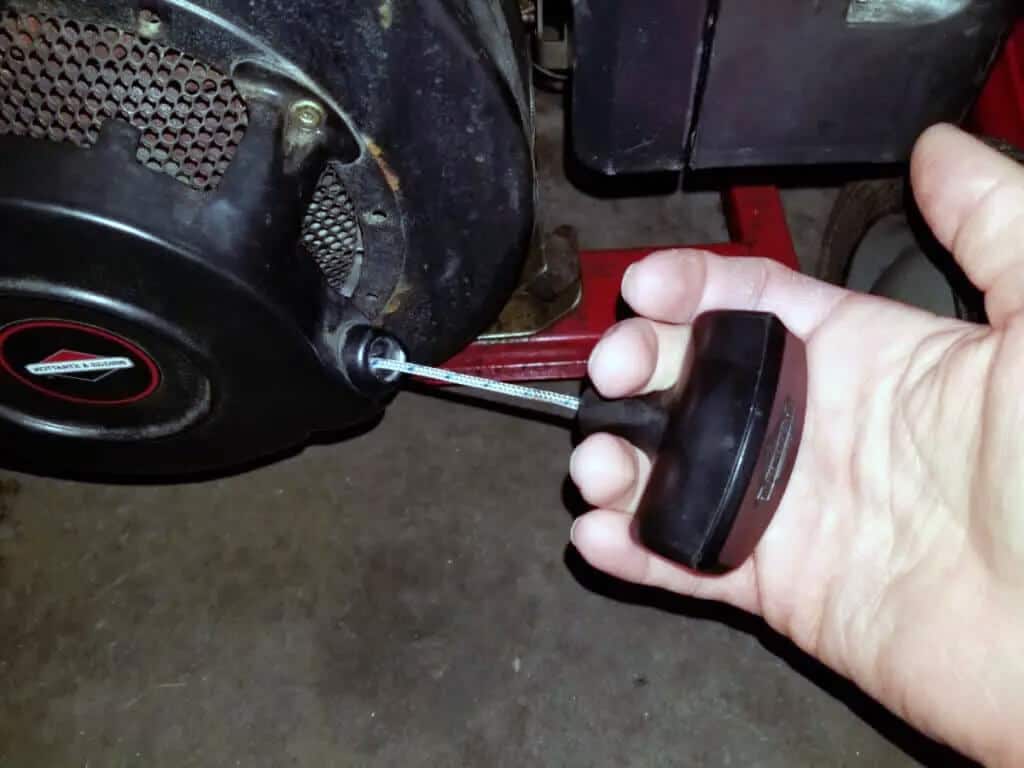
Start by examining the pull cord itself. Look for any frays, cuts, or signs of wear. A damaged cord can prevent it from retracting properly, making it hard to start the generator.
Pull the cord gently to see if it moves smoothly. If it feels stuck or has a rough pull, it might be time to replace it. A new pull cord is inexpensive and can save you from bigger problems down the line.
Testing The Recoil Mechanism
The recoil mechanism should operate without a hitch. Check if the spring inside is intact and functioning. If the mechanism isn’t engaging, it won’t pull the starter cord back, leaving your generator lifeless.
To test this, remove the recoil cover and inspect the assembly. Ensure that all parts are clean and free from debris. Sometimes, a simple cleaning can restore functionality.
Have you ever faced a situation where you thought your generator was finished, only to find a minor issue? Small problems like a stuck recoil mechanism can often lead to big frustrations. Don’t overlook these checks; they might just save your day.

Credit: www.youtube.com
Dealing With Engine Flooding
Engine flooding is a common issue with generators. It happens when too much fuel enters the engine. This can make starting difficult. Knowing how to deal with flooding is important.
Identifying Flooding Symptoms
Look for key signs that your generator is flooded. First, check the spark plug. If it is wet, flooding is likely. Second, listen for unusual sounds when you pull the cord. You may hear a clicking noise. This can indicate a flooded engine.
Another sign is excessive smoke. If you see a lot of smoke coming from the exhaust, the engine may be flooded. Lastly, the engine may crank but not start. These symptoms point to flooding issues.
Steps To Resolve Engine Flooding
Follow these steps to fix engine flooding. Start by removing the spark plug. This allows excess fuel to escape. Let the engine air out for about 10 minutes. This helps dry out the cylinder.
Next, clean the spark plug. Wipe it with a cloth and check for damage. If it looks worn, replace it. Once the spark plug is clean, reinsert it into the engine.
Now, try starting the generator again. Pull the cord slowly to avoid flooding it again. If it still doesn’t start, check the fuel supply. Ensure the fuel is fresh and the tank is not empty.
These steps will help you deal with engine flooding. Regular maintenance can also prevent future issues.
Checking The Engine Oil Level
Engine oil plays a vital role in your generator’s performance. It keeps the engine running smoothly and prevents damage. If the oil level is low, the generator may not start. Checking the oil level is a simple yet important step.
Ensuring Proper Oil Levels
Start by locating the oil dipstick. Remove it and wipe it clean. Insert it back into the tube without screwing it in. Pull it out again to check the oil level. The oil should be within the marked range.
Low oil levels can cause problems. Add oil if necessary. Use the type of oil recommended in your manual. Always check the level before starting the generator.
Replacing Old Or Contaminated Oil
Old or dirty oil can harm your generator. It loses its ability to lubricate effectively. Check the oil color and texture. Dark, gritty oil means it’s time for a change.
To replace the oil, drain the old oil completely. Use a suitable container to catch it. Refill with fresh oil as recommended. Regular oil changes help keep your generator in good shape.
Credit: china-bison.com
Inspecting The Compression System
Inspecting the compression system is key when a generator won’t start with the pull cord. Problems in this area can prevent the engine from turning over. Checking for air leaks or damaged parts can help identify the issue quickly.
Inspecting the compression system is crucial when your generator won’t start with the pull cord. A well-functioning compression system ensures that the engine can create the pressure needed to ignite fuel. If the compression is low or nonexistent, you might find yourself pulling that cord repeatedly with no results.Testing Engine Compression
To determine if your generator’s compression is up to par, you can perform a simple compression test. 1. Gather Your Tools: You’ll need a compression tester, a wrench, and safety goggles. 2. Remove the Spark Plug: This gives you access to the cylinder. 3. Insert the Compression Tester: Screw it into the spark plug hole securely. 4. Pull the Cord: Give the pull cord a few strong tugs. 5. Read the Gauge: Compare the reading to the manufacturer’s specifications. If the compression is significantly lower than what is recommended, it’s time to dig deeper into potential issues.Fixing Compression Issues
Once you’ve identified low compression, the next step is to fix it. – Check the Piston Rings: Worn or damaged piston rings can lead to air leaks. Replacing them may restore compression. – Inspect the Cylinder Walls: Look for scratches or scoring. If the walls are damaged, you might need to re-bore the cylinder or replace it. – Examine the Valve Seats: If the valves aren’t sealing properly, you could be losing compression. A valve job might be necessary to ensure a proper fit. Taking the time to address these issues can save you from further frustration. Have you ever experienced the helplessness of a generator that just won’t start? Understanding the compression system can make a significant difference in getting it back to life.When To Seek Professional Help
Sometimes, a generator won’t start with the pull cord. It can be frustrating. You may try several fixes without success. Knowing when to call a professional is essential. Some issues are complex and need expert help.
Identifying Complex Problems
Basic problems are often easy to solve. Check the fuel level first. Ensure there is enough oil. Look for any visible damage. These issues are usually minor.
Complex problems require more knowledge. If the engine is making strange noises, seek help. Smoke or strong odors can indicate serious issues. Electrical problems can also be tricky. These need a technician’s expertise.
Finding A Reliable Technician
Search for a technician who knows generators well. Ask friends or family for recommendations. Check online reviews for local services. A good technician should have experience with your generator model.
Always ask about their qualifications. Ensure they are certified and insured. This protects you in case of any accidents. Get an estimate before any work starts. This helps avoid surprises later.
Frequently Asked Questions
Why Won’t My Generator Start With The Pull Cord?
There could be several reasons your generator won’t start with the pull cord. Common issues include a flooded engine, a faulty spark plug, or an empty fuel tank. Ensure you check these components to diagnose the problem effectively. Regular maintenance can prevent such starting issues in the future.
How Do I Troubleshoot A Generator That Won’t Start?
To troubleshoot, start by checking the fuel level and ensuring the tank is filled. Next, inspect the spark plug for wear or damage. Also, make sure the choke and throttle settings are correct. If the problem persists, consult the user manual for further troubleshooting steps.
What Causes A Flooded Generator Engine?
A flooded engine occurs when excessive fuel enters the combustion chamber. This typically happens due to repeated attempts to start the generator without it firing. To resolve this, wait for the engine to dry out or remove the spark plug to clear excess fuel.
Can A Dead Battery Prevent Generator Starting?
Yes, a dead battery can prevent your generator from starting. Many generators use a battery to power the ignition system. If the battery is dead or weak, it may not provide enough power for the starter. Check the battery charge and connections regularly to ensure reliable operation.
Conclusion
A generator that won’t start can be frustrating. Follow the steps we discussed. Check the fuel, spark plug, and air filter. Look for blockages or damage. Regular maintenance can prevent these issues. If problems persist, consult a professional. A little care goes a long way.
Soon, your generator will be running smoothly again. Stay safe and prepared for any power outage. Take action today to keep your generator in top shape.