
Are you tired of unexpected power outages disrupting your daily life? Or maybe you’re looking for a reliable backup solution for your home during emergencies?
Using a generator to power your house can be a game-changer. Imagine having the ability to keep your lights on, your fridge running, and your devices charged, all when you need them the most. You’ll discover practical tips and essential steps to effectively use a generator in your home.
Whether you’re a first-time user or just looking to improve your setup, you’ll find valuable insights that can make a real difference. Get ready to take control of your power supply and ensure your home stays powered, no matter the circumstances. Read on to learn how to harness the full potential of a generator for your needs!
Choosing The Right Generator
Choosing the right generator is key for powering your home. Consider your energy needs and the generator’s capacity. Make sure to check fuel type and noise level too. A good choice ensures comfort during outages.
Choosing the right generator can significantly impact your home’s power supply during outages or when you need extra energy. With various options available, it’s essential to understand the differences and what best suits your needs. Let’s break down the key factors to consider.Portable Vs Standby Options
Portable generators are versatile and offer flexibility. You can move them around your property or take them on trips. They are ideal for short-term use, such as during a power outage or outdoor activities. Standby generators, on the other hand, are permanently installed. They automatically kick in when the power goes out, providing seamless electricity. This option is perfect for those who want a hassle-free experience during extended outages. Deciding between the two depends on your lifestyle. Do you want something you can use for different situations, or do you prefer a generator that works without any input from you?Power Output Requirements
Understanding your power needs is crucial. Start by listing the essential appliances you want to run during an outage. Think about your refrigerator, heating or cooling systems, and any medical equipment. Most portable generators range from 1,000 to 7,500 watts, while standby generators can produce 7,000 to 20,000 watts or more. Make sure to select a generator that meets or exceeds your power requirements. A wattage calculator can help you determine the exact amount you need. Have you considered what would happen if your power went out unexpectedly? A well-chosen generator can provide peace of mind.Fuel Type Considerations
Generators can run on various fuel types, including gasoline, propane, and natural gas. Each fuel type has its pros and cons, so choose based on your needs and preferences. Gasoline generators are widely available and easy to refuel. However, they may not be the most efficient option for long-term use. Propane is cleaner and has a longer shelf life, making it an excellent choice for standby generators. Natural gas offers convenience since it connects directly to your home’s gas line. But it may not be available in all areas. Consider your local fuel availability and costs before making a decision. Have you thought about the long-term implications of your fuel choice? Making the right decision can save you money and hassle in the future.
Credit: www.wikihow.com
Preparation Before Use
Preparing to use a generator is important. Proper steps help ensure safety and efficiency. Follow these guidelines to set up your generator correctly.
Safety Equipment Checklist
Before starting your generator, gather safety equipment. This equipment protects you from accidents. Here are the essentials:
- Safety goggles
- Gloves
- Ear protection
- Fire extinguisher
- First aid kit
Check that everything is in good condition. Wear your safety gear before you start.
Proper Placement Of Generator
Where you place the generator matters. Choose a flat, dry area. Keep it at least 20 feet away from your home.
Avoid placing it near windows or vents. This prevents harmful fumes from entering your house. Make sure it is in a well-ventilated space.
Checking Fuel Levels
Before use, check the fuel levels. Make sure you have enough fuel for your needs. Use fresh fuel to avoid engine problems.
Inspect the fuel lines for leaks. Replace any damaged parts. Always follow the manufacturer’s instructions for refueling.
Connecting To Your Home
Generators can keep your home powered during outages. Learn how to connect a generator safely to your house. This ensures you have electricity when you need it most.
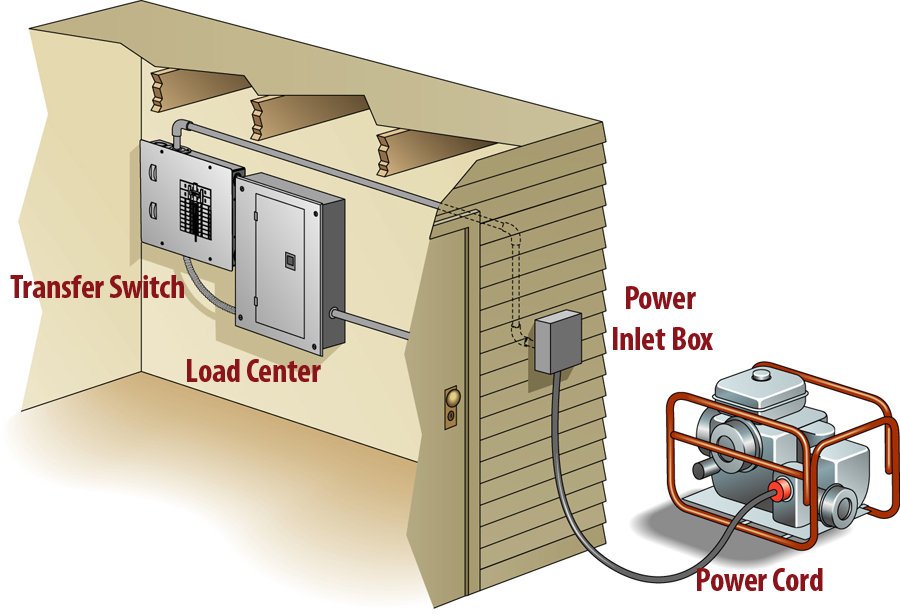
Connecting to your home can transform a generator from a mere tool to a reliable power source during outages. It’s essential to understand how to do this safely and effectively. Proper connections ensure that your home remains powered without risking damage to your electrical system or the generator itself.Using Transfer Switches
A transfer switch is a vital safety device. It allows you to switch your home’s power source from the grid to your generator seamlessly. – Why is this important? Using a transfer switch prevents backfeeding into the grid, which can be dangerous for utility workers. – Installation matters. Have a licensed electrician install the transfer switch. They will ensure it meets local codes and safely connects your generator. – Choosing the right switch. Look for a transfer switch that matches your generator’s capacity and your home’s power needs.Direct Connection Guidelines
If you decide to connect directly, follow these guidelines closely. – Use proper cables. Make sure you have heavy-duty extension cords rated for your generator’s output. – Connect essential appliances only. Focus on critical systems like refrigeration, heating, and medical devices. – Test your connections. Before relying on the setup, run your generator and check that all connections are secure and functioning. It’s crucial to remember that direct connections can be risky if not done correctly. Always prioritize safety and consider consulting a professional.Avoiding Overloading
Overloading your generator can lead to severe damage and potential hazards. Understanding how to manage your power needs is key. – Know your generator’s capacity. Check the wattage rating and ensure you don’t exceed it. – Prioritize your needs. Create a list of essential appliances and their wattage requirements. – Use a wattage meter. This tool helps you monitor your power usage in real-time, so you can avoid overload. Have you ever faced an outage and wondered if your generator could handle everything you needed? By being mindful of your connections and power usage, you can ensure that you have reliable energy when it matters most.
Credit: www.staticelectrics.com.au
Operating Your Generator
Using a generator to power your house can be simple. Knowing how to operate it correctly is key. Follow the steps below for safe and effective use.
Starting Procedures
Before starting your generator, check the fuel level. Make sure it has enough fuel for operation. Ensure the generator is on a flat surface. This helps with balance and safety.
Locate the start switch or button. Turn it to the “on” position. Some generators use a pull cord. If so, pull it firmly to start the engine. Always follow the manufacturer’s instructions for your model.
Monitoring Performance
Keep an eye on the generator while it runs. Check for unusual sounds or vibrations. These could signal a problem. Monitor the fuel gauge as well. Running low can cause the generator to shut down.
Look at the power output. Ensure it matches your home’s needs. Most generators have a display for this. Regularly check the oil level too. Low oil can harm the engine.
Troubleshooting Common Issues
If your generator won’t start, check the fuel first. Make sure there is enough. Inspect the battery connections. Loose wires can prevent starting.
Listen for strange noises while it runs. If you hear clanking, stop the generator. This could indicate a serious issue. Refer to the manual for specific problems.
Always keep the generator clean. Dirt can block airflow and cause overheating. Regular maintenance helps prevent many issues.
Maintaining Your Generator
Generators can provide essential power for your home during outages. Regular maintenance ensures they run smoothly and safely. Follow simple steps to check fuel, oil levels, and connections. This keeps your generator ready when you need it most.
Maintaining your generator is crucial to ensure it runs efficiently and lasts for years. Regular upkeep can save you from unexpected power outages and costly repairs. With a few simple steps, you can keep your generator in top shape and ready for use whenever you need it.Regular Cleaning Tips
Cleaning your generator might seem tedious, but it’s essential. Dust and debris can build up quickly, affecting performance. – Disconnect the power before cleaning to avoid accidents. – Use a soft brush or a cloth to wipe down the exterior. – Check the air intake and exhaust vents for blockages. I remember the first time I neglected to clean my generator after a storm. The next time I needed it, it wouldn’t start. A simple cleaning could have saved me the hassle.Oil And Filter Changes
Changing the oil and filter is one of the most important maintenance tasks. Regular oil changes keep your generator running smoothly. – Check the owner’s manual for the recommended oil change schedule. – Use high-quality oil suitable for your generator type. – Don’t forget to replace the oil filter with each change. Neglecting this step can lead to engine wear and tear. I learned this the hard way when I noticed my generator struggling to start after a year of minimal maintenance.Inspecting Components
Regular inspections can help identify potential issues before they become major problems. – Check the battery for corrosion and ensure it’s charged. – Inspect the spark plug for wear and replace it if necessary. – Look for leaks in fuel lines and hoses. Have you ever found yourself in a power outage, only to discover your generator had a minor issue? A simple inspection could prevent those frustrating moments. Make it a habit to inspect your generator regularly. Taking these steps will keep your generator running efficiently, ensuring you’re always prepared for anything. What maintenance tips have worked for you? Share your experiences!Safety Precautions
Using a generator can be helpful. It provides power during outages. But safety must come first. Follow these precautions to keep your home safe.
Ventilation And Carbon Monoxide Risks
Generators produce carbon monoxide. This gas is dangerous and can be deadly. Always use generators outdoors. Keep them at least 20 feet away from windows and doors. Never use them inside a garage or basement.
Check for proper ventilation. Ensure air can flow freely around the generator. Install carbon monoxide detectors in your home. They can alert you to any risks.
Handling Fuel Safely
Fuel is highly flammable. Store it in approved containers. Keep fuel away from heat sources. Never refuel a hot generator. Always turn it off and let it cool.
Use a funnel to avoid spills. Clean up any spills immediately. This helps prevent fire hazards. Follow local laws for fuel storage.
Emergency Shutdown Procedures
Know how to shut down your generator quickly. Keep the manual handy. In case of emergency, turn off the generator. Unplug all devices before shutting it down.
Wait for the generator to cool before refueling. This prevents fires and explosions. Ensure everyone in your home knows these steps.
Maximizing Efficiency
Using a generator to power your house can boost efficiency. Start by choosing the right generator size for your needs. Connect it properly to your home’s electrical system for safe and effective use. Regular maintenance ensures it runs smoothly, providing reliable power when you need it most.
Maximizing efficiency when using a generator to power your house can significantly lower your energy costs and improve your overall experience. A well-managed generator not only provides reliability but also ensures that your energy consumption is optimized. Here’s how you can achieve that.Managing Power Loads
Understanding your power loads is crucial. Start by listing all the appliances you plan to use and their wattage requirements. – Prioritize Essential Appliances: Identify which devices are essential during a power outage, such as your refrigerator, lights, and heating systems. – Avoid Overloading: If your generator can only handle a certain wattage, avoid running too many high-wattage devices at once. This can strain your generator and reduce efficiency. – Use a Power Management System: Consider investing in a power management system that can help you monitor and balance your loads effectively. Every time I’ve managed to prioritize my power loads, I’ve noticed a significant improvement in my generator’s performance. You can do the same by being mindful of your energy usage.Choosing Energy-saving Appliances
Energy-efficient appliances can drastically reduce the load on your generator. Look for appliances with the Energy Star label. – LED Lights: Replace incandescent bulbs with LED lights to cut down on energy consumption. – Smart Thermostats: Install smart thermostats that optimize your heating and cooling based on your needs. – Energy-efficient Refrigerators: Opt for refrigerators that consume less energy. They might cost more upfront, but they save money in the long run. When I switched to energy-saving appliances, I noticed a marked decrease in the fuel consumption of my generator. This small change can lead to big savings for you, too.Storing Fuel Effectively
Proper fuel storage can maximize your generator’s efficiency. Fuel quality degrades over time, so consider the following tips: – Use Fuel Stabilizers: If you’re storing fuel for long periods, add a stabilizer to prevent deterioration. – Keep It Cool and Dry: Store fuel in a cool, dry place to extend its shelf life. Avoid direct sunlight and temperature extremes. – Regularly Rotate Fuel Supplies: Use older fuel first and replenish your supply to ensure freshness. I learned the hard way that neglected fuel can lead to generator failure when you need it most. Ensure your fuel is in top condition to keep your generator running smoothly. Maximizing the efficiency of your generator not only saves you money but also provides peace of mind during unexpected power outages. Are you ready to take steps toward more efficient energy use?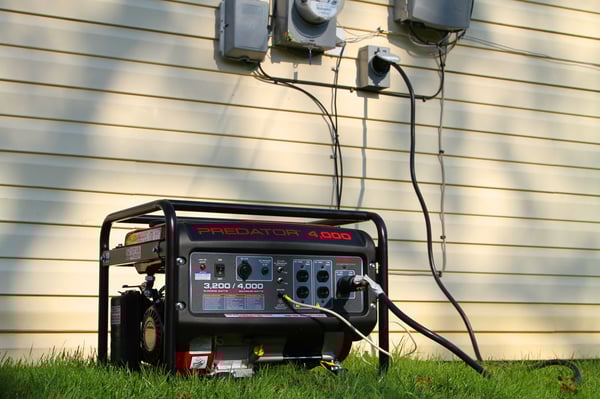
Credit: www.ecicomfort.com
Frequently Asked Questions
How Can A Generator Power My House?
A generator can provide backup power during outages. It connects to your home’s electrical system. Choose a generator with sufficient wattage for your needs. Ensure proper installation for safety. Regular maintenance will keep it functioning efficiently.
What Size Generator Do I Need For My Home?
To determine the size, calculate your total wattage needs. List essential appliances and their wattages. A generator should exceed this total for reliability. Common sizes range from 5,000 to 20,000 watts. Consider future needs when making your choice.
Is It Safe To Run A Generator Indoors?
No, running a generator indoors is extremely dangerous. Generators produce carbon monoxide, a deadly gas. Always place generators outdoors, far from windows and doors. Use a carbon monoxide detector for added safety. Follow all manufacturer guidelines for safe operation.
How Long Can A Generator Run Continuously?
Most portable generators can run for 8 to 12 hours. This depends on fuel capacity and load. Always consult your generator’s manual for specific guidelines. Regular refueling is necessary for continuous operation. Consider a standby generator for longer outages.
Conclusion
Using a generator to power your house can be simple and effective. Choose the right size for your needs. Always follow safety guidelines for installation and use. Regular maintenance keeps your generator running smoothly. Understand the fuel options available. This knowledge helps you make informed choices.
With careful planning, you can ensure a reliable power source. Enjoy peace of mind during outages. A generator can be a smart addition to your home. Stay prepared and power your life with confidence.