
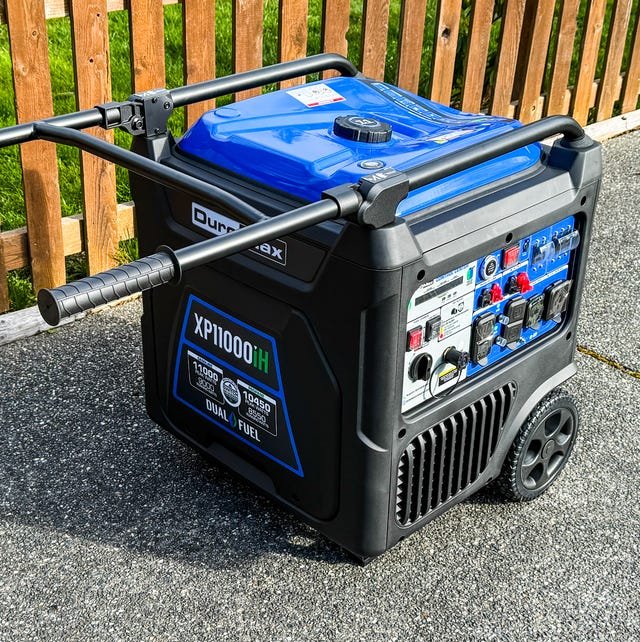
When it comes to ensuring a reliable power supply for your home, choosing between a generator and an inverter can be a tough decision. You want to make the best choice for your family’s needs, but with so many options available, it’s easy to feel overwhelmed.
Are you looking for something that provides consistent energy during outages? Or do you need a more portable solution for occasional use? We’ll break down the key differences between generators and inverters, helping you understand the benefits and drawbacks of each.
By the end, you’ll have the clarity you need to make an informed decision that fits your lifestyle. Let’s dive in and discover which option is truly better for your home.
Generator Vs Inverter Basics
Choosing between a generator and an inverter for home use depends on your needs. Generators provide more power but can be noisy. Inverters are quieter and more efficient, making them great for smaller loads. Consider your power needs, budget, and noise tolerance to make the best choice.
When choosing between a generator and an inverter for home use, understanding their basics can help you make an informed decision. Both devices serve the essential purpose of providing power, but they do so in very different ways. Let’s break it down.What Is A Generator?
A generator is a machine that converts mechanical energy into electrical energy. It uses fuel, such as gasoline or diesel, to power an engine that generates electricity. Generators are often used for larger power needs, making them suitable for construction sites or homes during outages. Generators can produce a high output of power, which is useful for running multiple appliances at once. However, they tend to be noisy and can emit fumes, making them less ideal for residential areas.What Is An Inverter?
An inverter, on the other hand, converts direct current (DC) electricity into alternating current (AC) electricity. It is often powered by batteries or solar panels, making it a more eco-friendly option. Inverters are great for smaller loads, such as powering electronics or lighting. The key advantage of inverters is their quiet operation. They are generally smaller and lighter than generators, making them easier to transport.Key Differences Between The Two
Here are some crucial differences to consider:- Power Output:Generators can handle larger loads than inverters.
- Fuel Source:Generators run on fuel, while inverters often rely on batteries or solar power.
- Noise Level:Generators tend to be louder than inverters, which operate quietly.
- Portability:Inverters are usually lighter and more portable compared to bulky generators.
- Emissions:Generators produce exhaust fumes, while inverters are cleaner options.
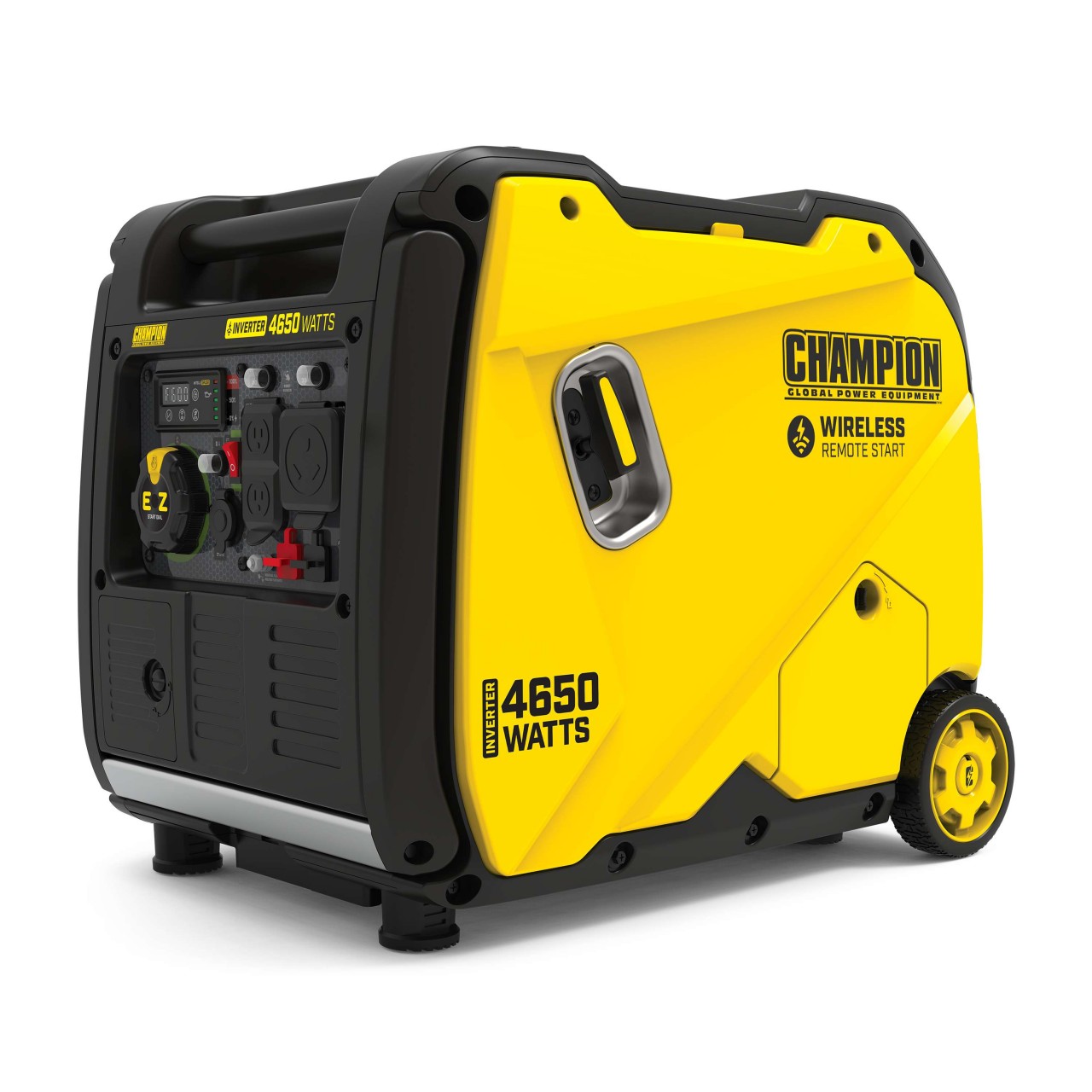
Credit: norwall.com
Power Output Comparison
Generators and inverters serve different needs for home power. Generators provide high power output but can be noisy. Inverters are quieter and more efficient, making them suitable for sensitive electronics. Consider your power needs carefully to choose the best option for your home.
Power Output Comparison Choosing between a generator and an inverter for your home often comes down to their power output capabilities. Understanding how each option handles capacity and load, along with the quality of power they provide, can help you make an informed decision. Let’s break down these two critical aspects to see which one fits your needs best.Capacity And Load Handling
Generators generally offer higher power output compared to inverters. They can handle larger loads, making them suitable for running multiple appliances simultaneously. If you have a heavy-duty air conditioner or several devices that need power during an outage, a generator is often the way to go. In contrast, inverters excel in providing power for smaller loads. They are perfect for essential appliances like refrigerators and lights, especially in a household where you want to conserve energy. Consider your typical energy usage. Do you frequently run several devices at once? If so, a generator might serve you better. On the other hand, if you primarily use fewer devices, an inverter could be your best bet.Power Quality And Stability
Power quality is crucial, especially for sensitive electronics. Inverters produce a clean, stable sine wave, making them ideal for powering devices like computers, televisions, and medical equipment. You won’t have to worry about power surges damaging your gadgets. Generators, while effective, can deliver a less stable power output. This fluctuation might not be a problem for simple appliances, but it could harm more sensitive devices. If your household relies on technology, this difference could be a dealbreaker. Think about your priorities. Do you value the ability to run heavy appliances or the safety of your electronics? Your answer will guide your choice. In the end, the decision between a generator and an inverter boils down to your specific power needs and preferences. Knowing how each handles capacity and power quality can help you make a choice that fits your lifestyle.Fuel Efficiency And Costs
Choosing between a generator and an inverter for home use affects fuel efficiency and costs. Generators are often more powerful but can consume more fuel. Inverters are quieter and usually more efficient, leading to lower energy bills over time. Consider your needs and budget carefully.
Fuel efficiency and costs are crucial factors when deciding between a generator and an inverter for your home. Understanding how each option consumes fuel and their long-term financial implications can help you make an informed choice. Let’s dive into the details.Fuel Consumption Rates
Generators typically consume more fuel than inverters. A standard portable generator uses around 0.6 to 0.8 gallons of gas per hour, depending on the load. In contrast, inverters are designed to be more efficient, often using just 0.1 to 0.3 gallons under similar conditions. Think about your daily needs. If you run a generator for several hours a day during a power outage, those fuel costs can add up quickly. Inverters, being more fuel-efficient, can save you money in the long run. You might also consider the type of fuel you prefer. Gasoline is common, but many generators run on propane or diesel, which can change efficiency rates. Assess what’s available in your area to help determine the best fit for your needs.Long-term Cost Implications
The initial cost of a generator is often lower than that of an inverter, but the long-term expenses can tell a different story. Generators may require more frequent refueling and maintenance, which can lead to higher ongoing costs. Inverters, while usually more expensive upfront, can save you money over time through their lower fuel consumption and reduced maintenance needs. They also tend to have a longer lifespan due to their efficient design. Consider how often you expect to use your power source. If you anticipate frequent use, investing in an inverter could be wiser. It’s not just about the initial price; think about your budget over the years. Have you calculated the total cost of ownership for both options? You might be surprised by how much you could save with the right choice!Noise Levels And Operation
Noise levels and operation are key points in choosing between a generator and an inverter. Many people need a quiet power source for their homes. Understanding the noise levels of each option helps in making the right choice.
Generator Noise Levels
Generators tend to be louder than inverters. Most generators produce noise levels around 60 to 90 decibels. This noise can be disruptive, especially in residential areas. They use a combustion engine, which creates more sound during operation. Long-term use can be bothersome for neighbors.
Inverter Noise Levels
Inverters operate much quieter than generators. They usually range from 50 to 60 decibels. This makes them suitable for indoor use. Inverters use advanced technology to reduce sound. They adjust power output based on demand, which lowers noise further.
Suitability For Quiet Environments
Choosing the right power source depends on your environment. Inverters are ideal for quiet neighborhoods. They are perfect for camping or outdoor events where noise matters. Generators may disturb the peace in such settings. Consider your needs carefully before making a decision.
Portability And Space Requirements
Choosing between a generator and an inverter often depends on portability and space. Both options have unique features that cater to different needs. Understanding their size, weight, and installation can help you make the right choice.
Size And Weight Considerations
Generators are generally larger and heavier than inverters. They can weigh over 100 pounds. This makes them harder to move. Inverters are lighter and more compact. Many weigh under 50 pounds. This makes them easier to transport.
If you plan to use your power source at multiple locations, portability matters. Inverters fit well in tight spaces. You can easily store them in a closet or car trunk. Generators need more room due to their size.
Ease Of Installation
Generators often require more setup time. You may need to connect them to your home’s electrical system. This can involve professional help. Inverters usually have simpler installation. You can plug them directly into devices.
Most inverters come with easy-to-follow instructions. You can set them up quickly. This is ideal for people who need power fast. Generators might take longer to start, which can be a hassle.
Maintenance And Durability
Generators and inverters both serve important roles for home use. Generators often require more maintenance and fuel, while inverters are quieter and more efficient. Choosing between them depends on your power needs and how often you plan to use them.
Durability varies, so consider long-term performance.
Maintaining your power source is crucial for ensuring reliable performance over time. Both generators and inverters have specific maintenance needs that directly impact their durability. Understanding these requirements helps you make an informed decision for your home.Generator Maintenance Needs
Generators require regular maintenance to keep them running smoothly. You should check the oil levels, change the oil, and replace the air and fuel filters regularly. Depending on usage, you might need to service your generator every 100-200 hours of operation. Regular cleaning of the spark plugs is also essential. This helps in maintaining efficiency and preventing starting issues. Additionally, perform a load test annually to ensure your generator can handle your power needs during an outage. Neglecting maintenance can lead to costly repairs or, worse, a complete breakdown when you need power the most. How often do you check your generator’s maintenance?Inverter Maintenance Needs
Inverters are generally easier to maintain than generators. They have fewer moving parts, which means less wear and tear. However, that doesn’t mean they are maintenance-free. You should regularly inspect the battery connections to ensure they are tight and corrosion-free. Additionally, keep the inverter clean and dust-free to avoid overheating. It’s also wise to check for any software updates that could enhance performance. The simplicity of maintenance can be a huge advantage. How much time do you want to spend maintaining your backup power source?Lifespan Comparisons
Both generators and inverters have different lifespans based on their usage and maintenance. Generators can last anywhere from 10 to 30 years with proper care. However, they might require more significant repairs as they age. Inverters usually have a lifespan of 5 to 15 years, largely depending on the quality and how well you maintain them. They might not last as long as generators, but their lower maintenance needs can make them an appealing option for many homeowners. Ultimately, your choice may come down to how much effort you want to invest in upkeep. What’s more important to you: a longer lifespan with more maintenance or less maintenance with a shorter lifespan?Environmental Impact
Choosing between a generator and an inverter for home use affects the environment. Generators typically produce more noise and emissions than inverters. Inverters are quieter and more efficient, making them a better choice for reducing your carbon footprint.
The choice between a generator and an inverter for home use goes beyond just convenience and cost. It significantly impacts the environment. Understanding how each option affects fuel emissions and exploring eco-friendly alternatives can guide you in making a more sustainable decision.Fuel Emissions
Generators typically run on gasoline, diesel, or propane. These fuels release harmful emissions into the air, contributing to air pollution and climate change. In contrast, inverters are often more efficient. They produce less noise and lower emissions due to their advanced technology. This makes them a better choice if you’re looking to minimize your carbon footprint. Did you know that traditional generators can emit up to 20% more pollutants than inverters? This difference can add up, especially if you rely on backup power frequently. Choosing an inverter not only benefits your household but also contributes positively to the community’s air quality.Eco-friendly Alternatives
If you’re concerned about the environmental impact of traditional power sources, consider solar-powered inverters. These systems harness energy from the sun, offering a renewable solution. Another option is a dual-fuel generator. These units can run on both gasoline and propane, allowing you to choose a cleaner fuel source when available. You might also explore battery storage systems. They store energy from renewable sources, providing power when you need it without relying on fossil fuels. Have you thought about how your energy choices affect the planet? Every small step counts towards a greener future. In making your decision, weigh the environmental benefits against your energy needs. This thoughtful approach can lead to a more sustainable lifestyle.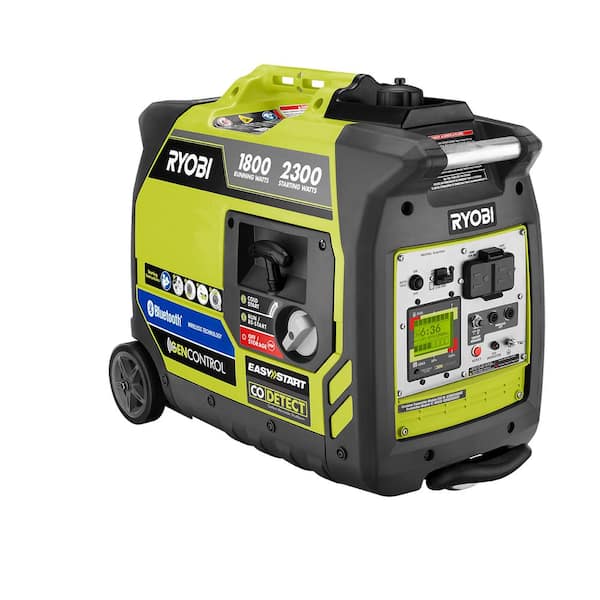
Credit: www.homedepot.com
Cost Of Purchase And Installation
Buying a generator or an inverter for your home needs careful thought. The cost of purchase and installation is key. This section breaks down the expenses for both options. Understanding these costs helps you make a better choice.
Initial Investment
The initial investment is different for generators and inverters. Generators usually cost more upfront. Prices can range from a few hundred to several thousand dollars. The size and type of generator affect the price. In contrast, inverters are often cheaper. Most inverters range from a few hundred to about two thousand dollars.
Keep in mind, quality matters. A reliable generator may cost more but last longer. Inverters may save you money in the short term. However, they might need replacing sooner.
Installation Complexity
Installation complexity varies between generators and inverters. Generators often require professional installation. This can add to the overall cost. You may need electrical work and permits.
Inverters are generally easier to install. Many people can set them up themselves. This saves on labor costs. However, some inverters may still need professional help, especially larger units.
Consider your skill level before deciding. A simpler installation can cut costs. It’s wise to account for both purchase and installation expenses.
Best Use Cases
Choosing between a generator and an inverter for home use depends on your needs. Generators provide more power for heavy appliances. Inverters are quieter and better for small electronics. Assess your power requirements before deciding.
Understanding the best use cases for generators and inverters can help you make a more informed choice for your home. Each option serves different needs, and knowing when to use one over the other can save you time, money, and stress. Let’s break down when to choose a generator and when an inverter is the better option.When To Choose A Generator
Generators are ideal for situations where you need significant power for multiple devices or appliances. If you face frequent power outages, a generator can keep your home running smoothly. – Heavy-duty appliances: If you need to power your refrigerator, air conditioner, or heating system, a generator is your best bet. – Construction sites: Generators provide the necessary power for tools and equipment when working in remote locations without electricity. – Outdoor events: Planning a family gathering or a camping trip? A generator can power lights, speakers, and cooking equipment. Consider how often you need to power multiple high-demand devices. If your answer is frequently, a generator is likely the better choice.When To Choose An Inverter
Inverters shine when you need a quieter, more efficient solution for light power needs. They convert DC power into AC power, making them suitable for sensitive electronics. – Electronics: If you’re charging laptops, phones, or running small appliances, an inverter is perfect. It provides clean energy without the risk of damaging your devices. – Home backup during brief outages: An inverter can keep essential items powered during short disruptions, like lights and fans. – RVs and camping: Traveling with an inverter allows you to enjoy comforts like small fridges and TVs without excessive noise. Think about your power needs. If your focus is on light, portable use or you need something quieter, an inverter is the way to go. Choosing between a generator and an inverter ultimately depends on your specific requirements. What will you be powering most often?Expert Recommendations
Choosing between a generator and an inverter for home use depends on your needs. Generators provide more power for larger appliances, while inverters are quieter and more fuel-efficient. Assess your power requirements to make the best choice for your home.
Choosing between a generator and an inverter for your home can be daunting. Experts have varied opinions based on specific needs and situations. Let’s break down their recommendations to help you make an informed decision.Factors To Consider Before Buying
Start by assessing your power needs. – Wattage Requirements: Determine how many devices you’ll run simultaneously. A generator typically provides more wattage, making it suitable for heavy appliances. In contrast, an inverter is ideal for small electronics. – Fuel Source: Generators often run on gasoline, diesel, or propane, while inverters usually rely on batteries. Consider the availability and cost of fuel in your area. – Noise Levels: If you live in a quiet neighborhood, noise could be a significant concern. Generators can be loud, while inverters operate quietly. – Portability: Think about where you will use your power source. Inverters are generally lightweight and easier to transport, making them perfect for camping or tailgating. Your unique circumstances will influence these factors. Take the time to evaluate them carefully.Tailoring The Choice To Your Needs
What do you prioritize: power or convenience? If you’re looking for backup during a blackout, a generator might be your best bet. It can power your entire home, ensuring that essential appliances like refrigerators and heaters keep running. On the other hand, if you need something for occasional use, an inverter offers convenience. It’s perfect for charging devices, running lights, or powering small tools without the hassle of fuel. Consider your lifestyle. If you enjoy outdoor activities or travel, an inverter could enhance your experience. Your decision should reflect your habits and preferences. Ask yourself, what will you use it for? The answer may guide you to the right choice.
Credit: www.youtube.com
Frequently Asked Questions
Which Is More Efficient: Generator Or Inverter?
Inverters are generally more efficient than generators. They convert DC to AC power with less energy loss. This efficiency means lower fuel consumption and quieter operation. For home use, inverters are often preferred due to their ability to provide stable power without fluctuations.
Do Generators Consume More Fuel Than Inverters?
Yes, generators typically consume more fuel than inverters. They require fuel to operate and often run continuously. In contrast, inverters use battery power and only engage when needed. This makes inverters a more fuel-efficient option for home energy needs.
Are Inverters Quieter Than Generators?
Absolutely, inverters are much quieter than traditional generators. They operate using advanced technology that minimizes noise levels. This makes them ideal for residential areas where noise can be a concern. If noise is an issue, inverters are the better choice.
Can Inverters Power All Appliances Like Generators?
Inverters can power many appliances, but not all. They are suitable for sensitive electronics and smaller devices. However, high-wattage tools and appliances may exceed the inverter’s capacity. It’s important to check the wattage requirements before use.
Conclusion
Choosing between a generator and an inverter depends on your needs. Generators provide more power but can be noisy. Inverters are quieter and more efficient, ideal for sensitive devices. Think about how often you need electricity. Consider your budget too.
Both options have their pros and cons. Assess your situation carefully. Ultimately, the right choice will fit your lifestyle and power needs best. Make an informed decision to ensure comfort in your home.