
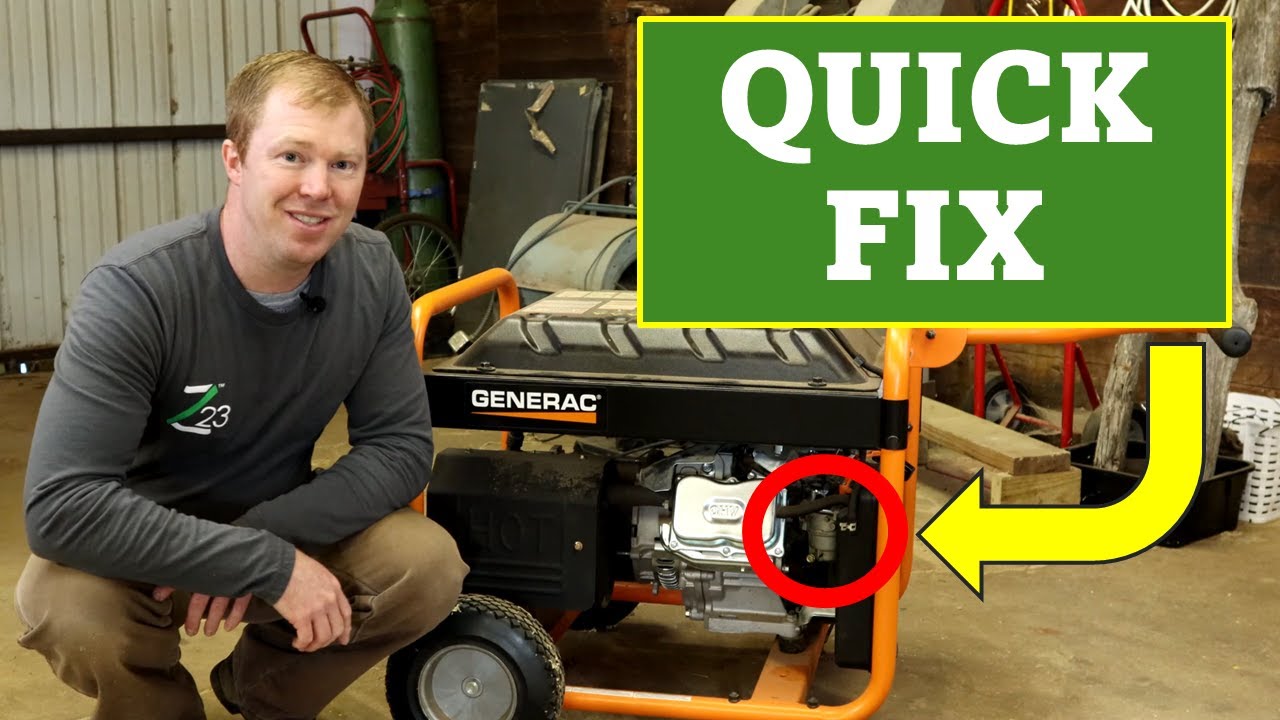
Is your generator refusing to start when you need it most? You’re not alone, and it can be incredibly frustrating.
Whether you’re preparing for a storm or simply need backup power, a generator that won’t cooperate can leave you feeling anxious and unprepared. But don’t worry—there are several steps you can take to troubleshoot the issue and get your generator up and running again.
We’ll walk you through practical solutions to help you diagnose and fix common problems. Stay with us, and you’ll be ready to tackle any power outage with confidence!

Credit: www.anoffgridlife.com
Common Causes Of Generator Failure
Generator failure can happen for various reasons. Common issues include fuel problems, dead batteries, and faulty spark plugs. Knowing these causes helps troubleshoot when a generator won’t start.
When your generator refuses to start, it can be frustrating and inconvenient. Understanding the common causes of generator failure can help you troubleshoot the problem and get your backup power running again. Here’s a look at some frequent issues that could be preventing your generator from starting.
Fuel-related Issues
Fuel is the lifeblood of your generator. If it’s stale or contaminated, it may cause starting problems. Check the fuel level first. Low or empty tanks are a common oversight. Next, consider the quality of the fuel. Gasoline can degrade over time, especially if it’s been sitting for months. If you suspect fuel is the issue, drain the old fuel and replace it with fresh gasoline. Also, ensure the fuel lines are clear and free from blockages. A simple fix can get your generator roaring back to life.
Battery Problems
The battery is another critical component of your generator. If it’s weak or dead, your generator won’t start. Test the battery voltage. A reading below 12.6 volts indicates a problem. If your battery is older than three years, consider replacing it, as it may not hold a charge effectively. Also, check the battery connections. Corrosion or loose cables can prevent the flow of electricity. Cleaning the terminals and ensuring a snug fit can often resolve starting issues quickly.
Clogged Air Filters
Air filters play a vital role in your generator’s performance. When they get clogged, the engine can’t breathe properly. Inspect the air filter regularly. A dirty filter can hinder airflow and prevent your generator from starting. Cleaning or replacing the filter is a straightforward task that can lead to improved performance. Make it a habit to check the air filter during routine maintenance. Your generator will thank you with reliable operation.
Faulty Spark Plugs
Spark plugs ignite the fuel-air mixture in the engine. If they are worn out or damaged, your generator won’t start. Remove the spark plug and inspect it for any signs of wear or corrosion. If it looks dirty or worn, replacing it is a quick and affordable fix. A clean, functioning spark plug is essential for a smooth start. Make this part of your regular maintenance routine to avoid headaches down the line. By addressing these common issues, you can often resolve starting problems yourself. Have you experienced generator troubles before? What was the solution that worked for you? Sharing your experiences might help someone else facing the same challenge.
Checking Fuel And Oil Levels
Checking fuel and oil levels is essential for a generator to run smoothly. Low fuel or oil can prevent the generator from starting. Always ensure these levels are adequate before troubleshooting further.
Checking the fuel and oil levels of your generator is essential for smooth operation. If your generator won’t start, these two elements could be the culprits. A simple inspection can save you time and money, ensuring your generator is ready when you need it most.
How To Inspect Fuel Levels
Start by locating the fuel gauge on your generator. If it’s not visible, remove the fuel cap carefully to check the level directly. – Look for the following: – Is the fuel tank empty or near empty? – Is the fuel clear and free from debris? If the tank is low, add fresh fuel. Make sure to use the type specified in your generator’s manual.
Signs Of Stale Fuel
Stale fuel can cause your generator to struggle or fail to start. Look for these signs: – Color Change: Fresh gasoline is typically clear or slightly yellow. If it appears dark or cloudy, it may be stale. – Odor: A sour smell indicates the fuel has degraded. If you suspect stale fuel, drain the tank and replace it with fresh fuel. This simple step can often bring your generator back to life.
Importance Of Proper Oil Levels
Oil lubricates the engine and helps it run smoothly. Without sufficient oil, your generator can suffer serious damage. – To check oil levels: – Locate the dipstick, remove it, and wipe it clean. – Reinsert the dipstick and remove it again to check the oil level. Ensure the oil is at the recommended level. If it’s low, add the correct type of oil specified in the manual. Regularly checking oil levels can extend the life of your generator and prevent costly repairs. Have you ever faced a generator failure due to neglecting fuel or oil levels? Taking a few minutes to inspect these essentials can save you from frustration.
Inspecting The Battery
Check the battery first if the generator does not start. A weak or dead battery often causes this issue. Ensure the connections are clean and tight. Replace the battery if necessary to get your generator running again.
Inspecting the battery is a crucial first step when your generator refuses to start. Often, the battery is the culprit behind power issues. A simple inspection can save you time and frustration. Here’s how to effectively check your battery.
Testing Battery Voltage
Start by checking the voltage of your battery. You will need a multimeter for this. 1. Set your multimeter to the DC voltage setting. 2. Connect the red probe to the positive terminal and the black probe to the negative terminal. A healthy battery should read between 12.4 and 12.7 volts. If the reading is below 12.4 volts, your battery may be weak or dead. Did you know that even a fully charged battery can lose its charge over time? If your generator sits unused for a while, it’s smart to test the battery before you need it.
Cleaning Corroded Terminals
Corroded terminals can prevent your generator from starting. Look for any white, crusty substance on the battery terminals. To clean them: 1. Disconnect the battery cables, starting with the negative terminal. 2. Use a mixture of baking soda and water to scrub the terminals with a toothbrush. 3. Rinse with water and dry thoroughly. After cleaning, reconnect the terminals securely. A tight connection ensures optimal power flow to your generator. Have you ever faced a starting issue just because of dirty terminals? It’s a common oversight that can lead to unnecessary stress.
Replacing A Dead Battery
If your battery tests below 12.4 volts and cleaning doesn’t help, it’s time for a replacement. Choose a battery that matches your generator’s specifications. Check the size, voltage, and type. To replace the battery: 1. Disconnect the old battery, removing the negative terminal first. 2. Install the new battery, connecting the positive terminal first. 3. Secure the terminals tightly and double-check your connections. A fresh battery can breathe new life into your generator. Remember, maintaining your battery can extend its lifespan and ensure your generator is always ready to go. Have you checked your battery lately? Regular inspections can help avoid unexpected breakdowns during crucial times.
Examining The Air Filter
Check the air filter if your generator won’t start. A dirty air filter can block airflow and stop the engine. Clean or replace the filter to improve performance and get your generator running again.
Examining the air filter of your generator is crucial when it fails to start. A dirty or clogged air filter restricts airflow, leading to poor combustion and performance issues. Addressing this problem can often save you time and money while ensuring your generator runs smoothly.
How To Remove And Clean The Filter
Start by locating the air filter compartment. This is typically found near the engine. 1. Turn off the generator and ensure it’s cool before you begin. 2. Open the air filter cover. This may involve unscrewing some bolts or simply unclipping it, depending on your model. 3. Gently remove the air filter. Be cautious not to damage any surrounding components. 4. Inspect the filter for dirt and debris. If it’s dusty or clogged, cleaning is necessary. 5. Use a soft brush or compressed air to remove dirt. Avoid using water as it can damage the filter material. 6. Reinstall the filter securely and close the cover. Cleaning the filter regularly can significantly improve your generator’s performance.
When To Replace The Air Filter
Identify the signs that indicate a replacement is necessary. If your generator struggles to start even after cleaning, it might be time for a new filter. – Check for physical damage: Cracks or tears can compromise the filter’s effectiveness. – Look for excessive dirt buildup: If cleaning doesn’t restore the filter, replacing it is the best option. – Follow the manufacturer’s guidelines: Some recommend changing the air filter after every 50 hours of use or annually. Replacing the air filter can enhance fuel efficiency and extend the life of your generator. Have you ever had a situation where a simple filter change made all the difference in performance?
Checking The Spark Plug
Check the spark plug if your generator won’t start. A dirty or damaged spark plug can prevent the engine from firing. Clean or replace it to see if that solves the problem.
Checking the spark plug is one of the first steps to take when your generator won’t start. A faulty spark plug can prevent the engine from igniting, leaving you in the dark—literally! Understanding how to assess this small yet crucial component can save you time and frustration.
Signs Of A Worn-out Spark Plug
Recognizing the signs of a worn-out spark plug is essential. Here are a few indicators to look for:
- Hard Starting:If your generator struggles to start or requires multiple attempts, the spark plug may be the culprit.
- Rough Idling:A generator that runs unevenly or stalls could indicate an issue with the spark plug.
- Excessive Smoke:If you notice smoke coming from the exhaust, it could mean the spark plug is damaged.
- Carbon Buildup:A black, sooty residue on the spark plug is a clear sign it’s time for cleaning or replacement.
Have you experienced any of these issues? If so, it’s time to take a closer look at your spark plug.
How To Clean Or Replace A Spark Plug
Cleaning or replacing a spark plug is a straightforward process. Here’s how to do it:
- Gather Your Tools:You will need a socket wrench, spark plug cleaner or wire brush, and a new spark plug if needed.
- Remove the Spark Plug:Disconnect the spark plug wire and use the socket wrench to unscrew it from the engine.
- Inspect the Plug:Check for signs of wear or damage. If it looks worn or has excessive buildup, proceed to clean or replace it.
- Cleaning:If cleaning, use a wire brush or spark plug cleaner to remove debris. Ensure it’s dry before reinstallation.
- Replacement:If you’re replacing it, simply screw the new spark plug into place, ensuring a snug fit. Reattach the spark plug wire.
After taking these steps, try starting your generator again. You might be pleasantly surprised by the results. Taking the time to check and maintain your spark plug can lead to a smoother, more reliable operation. Have you ever experienced the relief of getting your generator up and running after a simple fix? It’s moments like these that remind you how important proper maintenance is.

Credit: www.youtube.com
Inspecting Electrical Connections
Inspecting electrical connections is key when a generator won’t start. Check for loose wires or corrosion. Ensuring a good connection can often solve the problem quickly.
Inspecting electrical connections is a crucial step when your generator fails to start. Often, the root cause of the problem lies in the connections that power your unit. Ensuring everything is secure and undamaged can save you from unnecessary repairs and downtime.
Tightening Loose Connections
Loose connections are a common culprit behind generator issues. A simple wiggle test can help you identify if any wires are not securely fastened. Start by checking the battery terminals. If they feel loose, use a wrench to tighten them until they are snug. Next, examine the connections on the generator itself. Look for any nuts or bolts that may need a little extra torque. A well-tightened connection can improve power flow and enhance your generator’s performance. Have you ever been frustrated by a device that wouldn’t start, only to find a loose wire? It’s a simple fix that can save you a lot of time and stress.
Checking For Damaged Wires
Damaged wires can disrupt the electrical flow and prevent your generator from starting. Look for any visible signs of wear, such as fraying, cuts, or discoloration. If you spot any damaged wires, it’s essential to replace them immediately. Using electrical tape might be a temporary fix, but it’s not a long-term solution. Inspect the insulation around the wires too; it should be intact and not brittle. A damaged wire can lead to further complications, so don’t overlook this step. Have you ever experienced a sudden blackout? Ensuring your generator’s wires are in good condition can provide peace of mind when you need it most.
Manual Start Methods
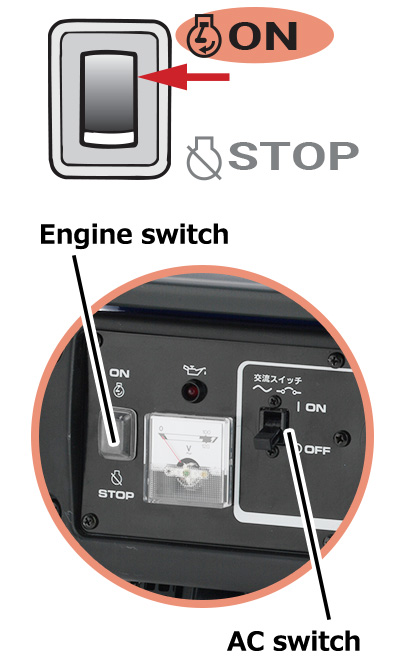
Generators can sometimes fail to start. Manual start methods are useful in these situations. Two common methods are using a pull cord and priming the generator. Both methods are simple and effective.
Using A Pull Cord
The pull cord is a standard feature on many generators. First, ensure the generator is on a flat surface. Make sure the fuel tank has enough fuel. Check the choke position. It should be in the closed position for a cold start.
Next, grasp the pull cord firmly. Pull it quickly and steadily. You may need to pull several times. Listen for the engine. If it starts, let it run for a few minutes. This warms up the engine.
Priming The Generator
Priming helps start the generator when it struggles. Locate the primer bulb, usually near the carburetor. Press the bulb several times. This pumps fuel into the engine. It ensures the engine has enough fuel for starting.
After priming, try starting the generator again. Use the pull cord method as described earlier. If it still does not start, check for other issues. These could include spark plug problems or a fuel blockage.
Credit: global.yamaha-motor.com
Preventative Maintenance Tips
Generators can sometimes fail to start. First, check the fuel level and ensure there’s enough. Next, inspect the battery connections for corrosion. Look for any loose wires. Lastly, consult the manual for troubleshooting steps specific to your model. Regular checks can help prevent these issues.
Preventative maintenance is essential to keep your generator running smoothly. Regular upkeep can prevent unexpected failures, saving you time and money. Here are some practical tips to ensure your generator is always ready when you need it.
Regular Inspection Routine
Set a schedule for inspecting your generator. Aim for a monthly check to ensure everything is in working order. Look for loose wires, signs of wear, and leaks. Check the oil level and condition. Dirty oil can lead to engine damage. Change it if it appears dark or gritty. Don’t forget to inspect the air filter. A clogged filter can hinder performance. Replace it if it’s dirty or damaged.
Proper Storage Practices
How you store your generator can make a significant difference. If you live in an area with extreme weather, use a protective cover. This will shield it from rain, snow, or intense sunlight. Keep the generator in a dry, well-ventilated area. Moisture can cause rust and damage electrical components. If possible, elevate it off the ground to prevent water accumulation. Also, ensure that fuel is stored correctly. Use fuel stabilizers to extend its shelf life. Stale fuel can lead to starting issues and engine problems.
Scheduling Professional Servicing
Consider having a professional check your generator at least once a year. A technician can spot issues you might miss and provide necessary repairs. This proactive approach can extend the life of your unit. Ask about comprehensive services that include cleaning, testing, and part replacements. A small investment in maintenance can save you from costly repairs down the line. Think about this: Would you trust your generator to perform well during an emergency if you haven’t taken care of it? Regular professional servicing is a smart way to ensure reliability.
Frequently Asked Questions
Why Won’t My Generator Start?
There are several reasons why your generator may not start. Common issues include low fuel levels, dead batteries, or faulty spark plugs. Always check these components first. If everything seems fine, consult the user manual for further troubleshooting steps.
How Do I Troubleshoot A Generator That Won’t Start?
Start by checking the fuel level and battery connections. Ensure the oil is at the correct level and the air filter is clean. Inspect the spark plug for wear or damage. If these steps don’t help, consider contacting a professional for assistance.
What Maintenance Prevents Generator Starting Issues?
Regular maintenance is key to preventing starting issues. Change the oil, replace the fuel filter, and clean the air filter periodically. Inspect and replace spark plugs as needed. Following the manufacturer’s maintenance schedule will help keep your generator in good working condition.
Can Weather Affect Generator Starting?
Yes, weather can significantly impact a generator’s ability to start. Cold temperatures can thicken the oil and drain batteries. Additionally, moisture can cause electrical components to corrode. Always protect your generator from extreme weather conditions to ensure reliable performance.
Conclusion
A generator that won’t start can be frustrating. Don’t panic; many issues have simple fixes. Check the fuel level and battery connections first. Look for loose wires and ensure the oil is at the right level. Regular maintenance helps avoid problems.
Keep your generator clean and store it properly. Taking these steps can save time and effort. Always refer to the user manual for specific guidance. Troubleshooting your generator can lead to a quick solution. Stay calm and work through the issues step by step.
Your generator will be ready when you need it again.