
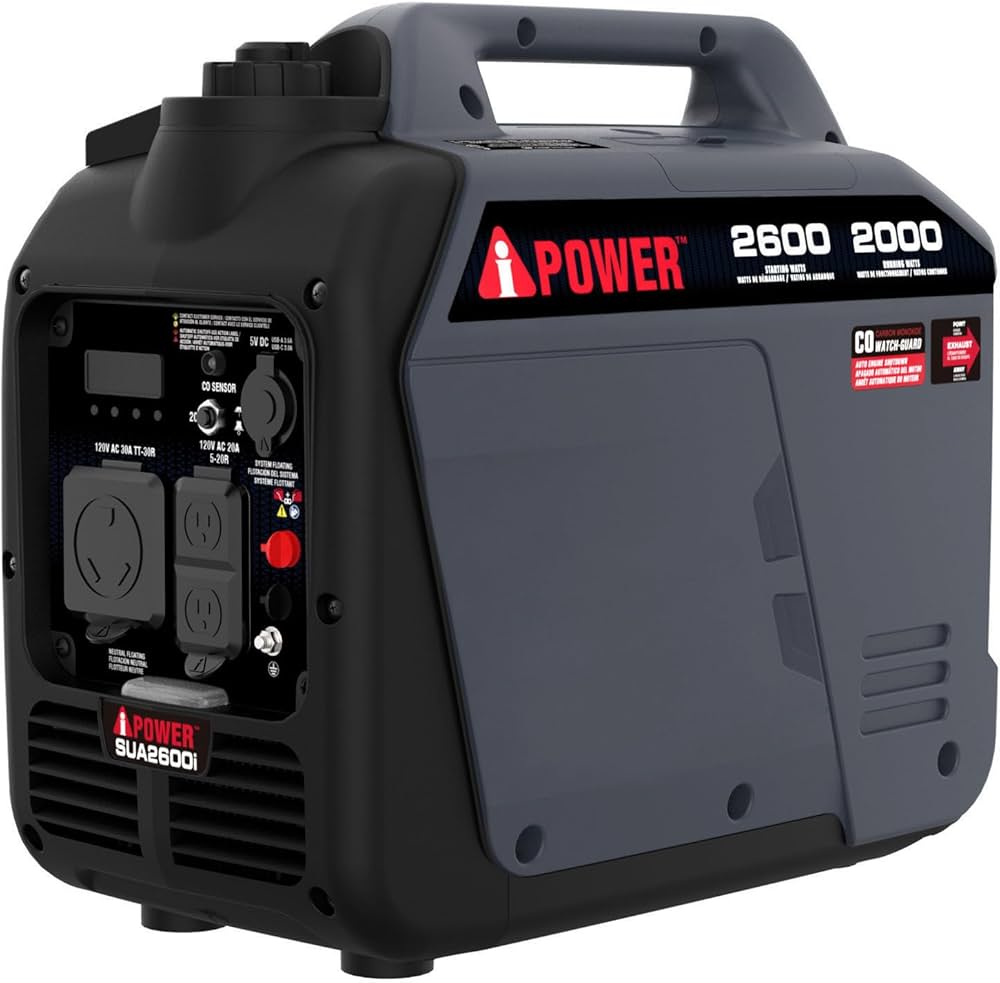
EPA vs CARB Generator: CARB models meet stricter California emissions rules; EPA models meet federal standards.
I have worked with portable and standby generators for years and tested models under both EPA and CARB rules. This article explains EPA vs CARB generator differences in plain terms. You will learn what each certification means, how regulations affect buying and use, and practical tips I learned on the job. Read on to choose the right generator for your needs and where you live.

Source: reddit.com
What EPA vs CARB Generator Means
EPA vs CARB generator refers to two different emissions and certification frameworks for small engines. EPA stands for the U.S. Environmental Protection Agency. CARB stands for the California Air Resources Board.
EPA rules set federal emissions limits. CARB rules are often stricter and apply in California and in some states that follow California standards. When you compare EPA vs CARB generator options, you weigh legal compliance, emissions, and sometimes cost.
Source: woodstockpower.com
Key differences between EPA and CARB generators
Understanding the differences helps you avoid fines and buy the right unit. Here are the core contrasts.
- Emissions standards and limits. EPA allows higher emissions for many engines than CARB. CARB requires lower hydrocarbon and nitrogen oxide outputs for many categories.
- Certification process. EPA certification is federal. CARB certification requires additional testing and labeling. A CARB-certified generator meets both sets of standards in many cases.
- Geographic rules and sales. CARB rules are mandatory in California. Some other states adopt CARB standards. EPA-only models may be restricted where CARB rules apply.
- Cost and availability. CARB-compliant models can cost more due to extra engineering and testing. EPA models are often more common and sometimes cheaper.
- Engine tuning and fuel controls. CARB models often include more advanced fuel systems to cut emissions. This can change fuel efficiency and maintenance needs.
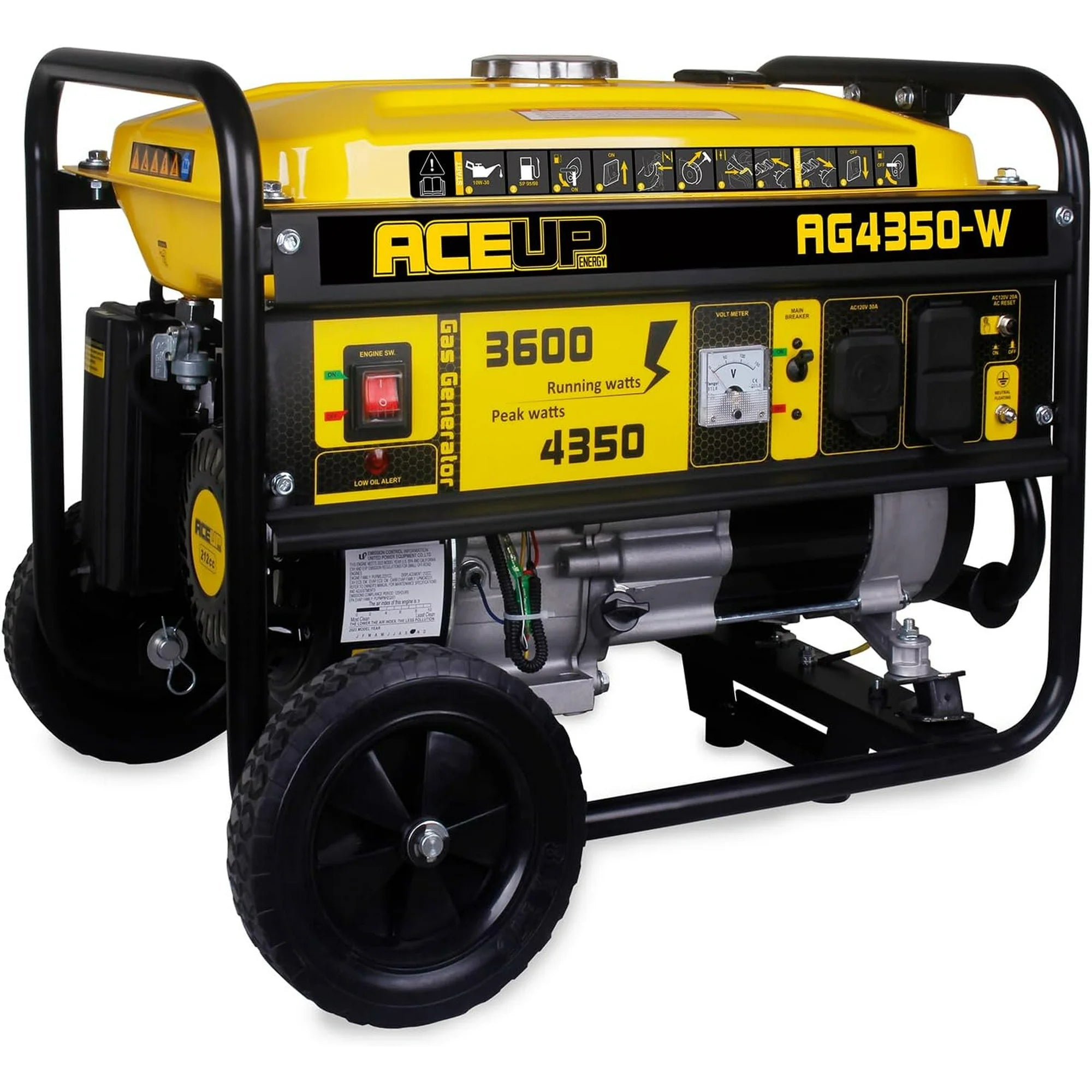
When you compare EPA vs CARB generator labels, the label will state which certification the unit holds. Knowing the label saves time and avoids legal surprises.

Source: reddit.com
Why EPA vs CARB Generator matters for buyers
Choosing the wrong generator can lead to fines, denied sales, or unexpected emissions. Here’s what matters to buyers.
- Legal compliance. If you live in California or a CARB state, you must buy CARB-compliant generators for residential portable use. Commercial and industrial exemptions may vary.
- Resale and transfer. A CARB-certified generator often has wider resale value in strict states. EPA-only units can be hard to sell where CARB applies.
- Environmental impact. CARB generators produce less pollution. That matters if you care about air quality and local rules.
- Long-term costs. CARB models may cost more up front. They can also save on fuel or maintenance depending on design.
- Warranty and service. Some manufacturers limit warranty service if the unit is used in a non-certified area.
From my experience, confirming local rules before purchase saved me time and money. Dealers sometimes offer both EPA and CARB models. Ask for the model sticker and certification paperwork before buying.

Source: reddit.com
How to identify an EPA vs CARB generator
Follow these simple steps to check certification and avoid surprises.
- Check the engine label. Look for an EPA certification number or a CARB executive order number on the data plate.
- Read the owner’s manual. The manual lists emissions compliance and where the unit can be sold or used.
- Ask the dealer. A reputable seller will confirm whether the model is CARB or EPA.
- Check the model code online. Manufacturers list certification on product pages and spec sheets.
- Confirm with local rules. Some states require CARB; others accept EPA.
PAA-style question: Are CARB generators legal outside California?
CARB-certified generators are legal to use anywhere in the U.S. EPA-only units may be restricted in states that adopted CARB standards.
PAA-style question: Can I convert an EPA generator to CARB compliance?
You cannot legally convert an EPA-only generator to CARB certification. Certification requires manufacturer testing and approval.

Source: co.za
Practical tips from hands-on experience
I’ve installed and serviced dozens of portable generators. These tips come from real jobs and mistakes I fixed.
- Always confirm certification before buying. I once ordered an EPA unit for a California job and had to return it.
- Buy from established dealers. They handle paperwork and returns faster.
- Think about future moves. If you may live in a CARB state soon, choose CARB now to save hassle.
- Check fuel type and engine tuning. CARB models sometimes need different maintenance intervals.
- Keep the certification sticker intact. It is crucial for resale and compliance checks.
A repeat mistake I saw: people buy a cheaper EPA model for a vacation home in California. The cost of returning and replacing the unit often exceeds the initial savings. Plan ahead to avoid that pitfall.
Source: aceupworld.com
Maintenance, registration, and compliance
Keeping a generator compliant is more than the initial purchase. Here’s what to do.
- Keep service records. CARB and EPA requirements sometimes include emissions control maintenance.
- Use recommended parts. Aftermarket mods can void certification and warranties.
- Register where required. Some local agencies require registration or permits for standby installations.
- Follow local rules for use. CARB areas may limit hours or locations where the generator can run.
- Inspect labels annually. Heat and wear can fade data plates. Keep copies of the manual and certification documents.
From my service work, owners who follow the manual avoid the most common compliance issues. A small routine saves headaches and possible fines.

Source: amazon.com
Frequently Asked Questions of EPA vs CARB Generator
What does CARB mean for a generator?
CARB means the generator meets California Air Resources Board emissions standards. It usually produces lower emissions than EPA-only models.
Can I use an EPA generator in California?
Generally no. California requires CARB-compliant generators for most portable residential uses. Check local rules for exceptions.
How do I find if my generator is CARB certified?
Look for a CARB executive order number on the data plate or in the owner’s manual. Dealers and manufacturer websites also list certification.
Does CARB improve fuel efficiency?
Not always. CARB focuses on emissions reduction. Some CARB models have fuel-saving features, but efficiency varies by design.
Will warranty be affected by using the wrong generator in a CARB area?
Yes. Using a non-compliant generator where CARB is required can void warranty and lead to fines. Always follow local rules.
Are standby generators treated the same as portable ones?
Rules can differ. Standby generators are often regulated separately and may have different emissions or permitting requirements. Check local codes.
Conclusion
Choosing between an EPA vs CARB generator comes down to where you will use it and how much you value lower emissions. CARB generators meet tougher standards and are required in California and some allied states. EPA models meet federal rules and can be less expensive. My advice: verify the label, read the manual, and buy the unit that matches your location and long-term plans. Take action now—check your local rules, inspect model labels before purchase, and save time and money by choosing the right generator the first time. Leave a comment with your situation or questions, or subscribe for more hands-on buying and maintenance tips.