
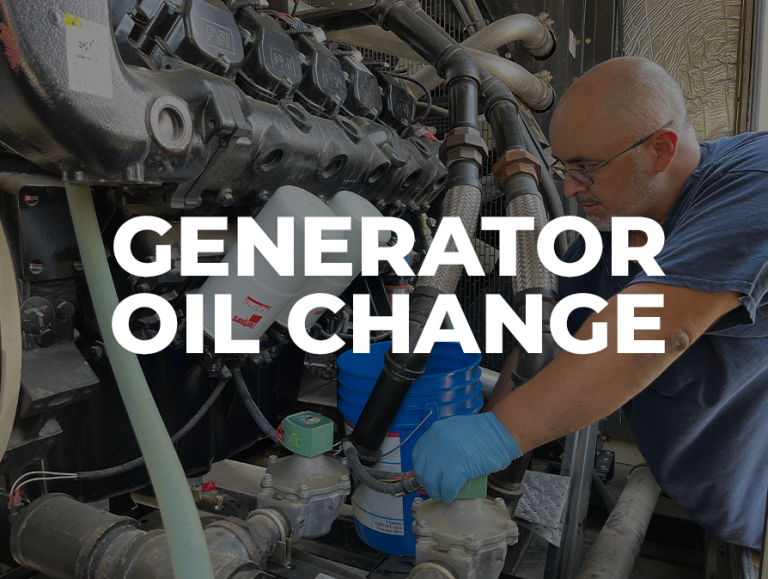
When it comes to keeping your generator running smoothly, oil maintenance is crucial. But how often does your generator really need oil?
This question might seem simple, but the answer can significantly impact the lifespan and efficiency of your equipment. Ignoring oil changes can lead to costly repairs and unexpected breakdowns when you need your generator the most. We’ll break down everything you need to know about generator oil maintenance.
You’ll discover the factors that influence oil change frequency, the signs that indicate it’s time for a change, and tips to ensure your generator stays in top shape. By the end, you’ll be equipped with the knowledge to protect your investment and keep your generator running reliably. Don’t miss out—read on to find out how to extend the life of your generator with proper oil care!
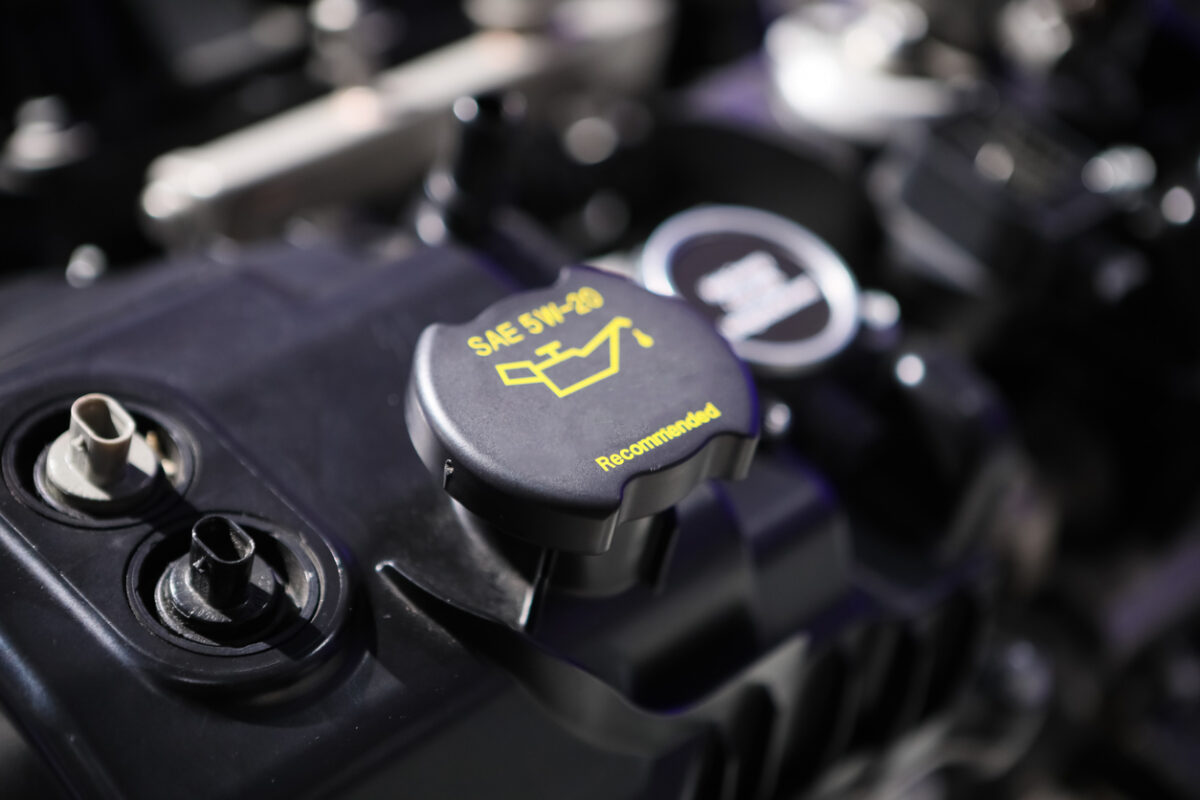
Credit: www.boselectric.com
Frequency Of Oil Changes
Generators need oil changes to run well. Check the oil every 50 hours of use or at least every three months. Regular oil changes help keep the engine clean and running smoothly.
Understanding how often to change the oil in your generator is crucial for its longevity and performance. Oil serves as the lifeblood of your generator, lubricating essential parts and ensuring everything runs smoothly. Neglecting regular oil changes can lead to engine damage, reduced efficiency, and costly repairs.
Factors Influencing Oil Change Intervals
Several factors impact how frequently you should change the oil in your generator. – Usage Frequency: If you use your generator frequently, you may need to change the oil every 50-100 hours of operation. – Operating Conditions: Extreme temperatures, dust, and humidity can affect oil quality. If you often operate your generator in harsh conditions, consider more frequent changes. – Type of Oil: Synthetic oils may last longer compared to conventional oils. Always check the label for specific recommendations. Taking these factors into account can save you time and money in the long run.
Manufacturer Recommendations
Always refer to your generator’s owner’s manual for specific oil change guidelines. Most manufacturers suggest changing the oil every 100 hours of use or at least once a year, whichever comes first. Some high-performance models might have different intervals, so it’s essential to follow what the manufacturer specifies. By adhering to these recommendations, you maintain the warranty and ensure optimal performance.
Signs Your Generator Needs An Oil Change
Being proactive can prevent bigger issues. Look out for these signs indicating it’s time for an oil change: – Oil Color: Fresh oil is typically amber. Dark, dirty oil means it’s time for a change. – Engine Performance: If your generator starts to sputter or run roughly, it could indicate oil degradation. – Oil Level: Regularly check the oil level. If it’s low, it might be time for a refill or change. Noticing these signs early can help you avoid a breakdown when you need your generator the most. How often do you check your generator’s oil? Keeping an eye on these details can make a significant difference in your generator’s performance and lifespan.

Credit: americasgenerators.com
Choosing The Right Oil
Choosing the right oil for your generator is crucial for its performance and longevity. The oil you select directly impacts how efficiently your generator operates. Understanding the different types of oil and their characteristics helps you make an informed decision.
Types Of Oil For Generators
There are primarily two types of oil used in generators: conventional and synthetic. Conventional oil is derived from crude oil and is generally less expensive. Synthetic oil, on the other hand, is chemically engineered and offers superior performance under extreme conditions.
- Conventional Oil:Suitable for light-duty use.
- Synthetic Oil:Best for heavy-duty or long-term use.
Choosing the right oil type can be a game changer. If your generator runs frequently, synthetic oil might be worth the investment. It can withstand higher temperatures and provides better protection against wear.
Synthetic Vs Conventional Oil
Many users debate between synthetic and conventional oil. Synthetic oil generally lasts longer and requires fewer changes. This can save you time and effort, especially if you use your generator regularly.
However, conventional oil is often adequate for occasional use. If your generator sits idle for long periods, you might not need the enhanced benefits of synthetic oil. Assess your usage and decide what aligns best with your needs.
Seasonal Considerations For Oil Selection
Changing seasons can affect your generator’s oil requirements. In colder months, you may want to consider an oil with a lower viscosity. This ensures better flow during startup and protects your engine.
Conversely, during the summer, opt for oil that can handle higher temperatures. This helps maintain optimal performance and prevents overheating. Have you checked your generator’s oil before the changing seasons?
Understanding these factors allows you to choose the right oil confidently. Make oil selection a priority in your generator maintenance routine. Your generator will thank you with reliable performance and a longer lifespan.
Steps To Change Generator Oil
Generators need oil changes every 50 to 100 hours of use. Regular oil checks keep the engine running smoothly. Follow simple steps to change the oil for better performance and longevity.
Changing the oil in your generator is a vital task for maintaining its performance and longevity. Regular oil changes can prevent engine wear and keep your generator running smoothly, ensuring it’s ready when you need it most. Here’s a straightforward guide to help you through the steps of changing your generator oil.
Tools And Supplies Needed
Before you start, gather all necessary tools and supplies. Having everything on hand makes the process easier and quicker. Here’s what you’ll need:
- Wrench or socket set:To remove the oil drain plug.
- Oil filter wrench:If your generator has an oil filter.
- Oil container:For collecting the old oil.
- Funnel:To avoid spills when refilling with new oil.
- Fresh oil:Check your generator’s manual for the correct type and amount.
- Shop towels or rags:For cleaning up any spills.
Gather these items before starting the task. You’ll save time and energy.
Draining Old Oil Safely
Start by ensuring your generator is turned off and cool. Safety is paramount. Locate the oil drain plug, usually found at the bottom of the engine. Place your oil container beneath it to catch the old oil. Use your wrench to carefully remove the plug. Allow the oil to drain completely, which might take a few minutes. If your generator has an oil filter, remove it as well. Some old oil may remain trapped in the filter, so be prepared for that. Dispose of the old oil and filter properly. Many local auto parts stores accept used oil for recycling.
Refilling With Fresh Oil
After draining the old oil, replace the drain plug securely. Using your funnel, pour the fresh oil into the generator. Refer to your owner’s manual for the correct oil capacity. Check the oil level using the dipstick. If it’s below the recommended level, add more oil until it reaches the correct mark. Once everything is in place, run the generator for a few minutes. This helps circulate the new oil. After running, check the oil level again and add if necessary. Maintaining your generator with regular oil changes keeps it in top shape. How often do you think you’ll check your generator oil from now on?
Common Maintenance Mistakes
Maintaining a generator is crucial for its performance and longevity. Many users make common mistakes that can lead to problems. Understanding these mistakes helps you keep your generator running smoothly.
Neglecting Regular Inspections
Regular inspections are key to generator maintenance. Skipping these checks can result in serious issues. You may miss signs of wear or leaks. Without regular checks, small problems become big ones. Schedule inspections to catch issues early.
Overfilling Or Underfilling Oil
Finding the right oil level is essential. Overfilling can cause pressure problems. It may lead to leaks or engine damage. Underfilling can cause overheating. Always check the oil level before use. Follow the manufacturer’s guidelines for proper levels.
Using The Wrong Type Of Oil
Generators require specific oil types. Using the wrong oil can harm the engine. It affects performance and can cause breakdowns. Always refer to the owner’s manual for oil specifications. Using the correct oil ensures optimal performance.
Additional Maintenance Tips
Generators require regular oil changes for optimal performance. Check the oil level every 50 hours of use or at least once a month. Keeping the oil clean helps the generator run smoothly and extends its life. Regular maintenance is key to preventing issues down the road.
Maintaining your generator is crucial for its longevity and performance. Regular oil checks and other maintenance tasks can prevent costly repairs down the road. Here are some additional maintenance tips that will keep your generator running smoothly.
Checking Oil Levels Before Use
Before you start your generator, always check the oil level. Low oil can lead to engine damage and operational issues. Use the dipstick to gauge the oil level. If it’s below the recommended mark, add the appropriate oil type. This small step can save you from major headaches later. Make it a habit to check oil levels every time you use the generator. You’ll gain peace of mind knowing everything is in order.
Cleaning The Oil Filter
A clean oil filter is essential for optimal generator performance. Over time, dirt and debris can clog the filter, reducing efficiency. Check the oil filter during your maintenance routine. If it looks dirty, replace it. This simple action can enhance your generator’s lifespan and performance. Consider keeping a spare filter on hand. You’ll be prepared for any maintenance needs that arise unexpectedly.
Storing The Generator Properly
Proper storage is key to maintaining your generator’s condition. If you leave it exposed to the elements, you risk damage. Store your generator in a dry, cool place. Avoid direct sunlight and moisture, which can lead to rust and corrosion. Before storing, run the generator until it’s empty of fuel. This helps prevent stale fuel issues. Have you thought about how you store your generator? A few smart choices can make a significant difference in its performance when you need it most.

Credit: genserveinc.com
Frequently Asked Questions
How Often Should I Change Generator Oil?
You should change your generator oil every 50 to 100 hours of operation. This interval can vary based on usage and the type of generator you have. Regular oil changes ensure optimal performance and longevity. Always consult your generator’s manual for specific guidelines.
What Type Of Oil Does A Generator Need?
Most generators require SAE 30 or 10W-30 oil. The specific type depends on the generator model and operating conditions. Check the manufacturer’s recommendations for the best oil choice. Using the correct oil enhances performance and reduces engine wear.
Can I Use Synthetic Oil In My Generator?
Yes, you can use synthetic oil in your generator. Synthetic oils provide better protection and performance, especially in extreme temperatures. They also extend oil change intervals. Always verify compatibility with your generator model before switching to synthetic oil.
What Happens If I Don’t Change Generator Oil?
Neglecting oil changes can lead to engine damage and reduced performance. Old oil loses its lubricating properties, causing increased friction and wear. This can result in overheating and costly repairs. Regular maintenance is crucial for the longevity of your generator.
Conclusion
Regular oil changes keep your generator running well. Check the oil level often. Look for signs of dirt or sludge. Change the oil based on usage. Every 50 to 100 hours is a good rule. Always follow the manufacturer’s guidelines.
Proper maintenance extends your generator’s life. A well-cared-for generator is reliable during outages. Keep it clean and serviced. This simple habit saves time and money. Stay ahead of problems with routine checks. Your generator will thank you.