
Have you ever wondered if a generator is just a simple machine? You might be surprised by what you discover.
Generators play a crucial role in our daily lives, providing us with the electricity we rely on. But what makes them tick? We’ll break down the concept of simple machines and how generators fit into this category. By the end, you’ll have a clear understanding of their mechanics and importance.
Stick around to uncover the fascinating connection between generators and simple machines—you won’t want to miss it!
Credit: favpng.com
What Defines A Simple Machine
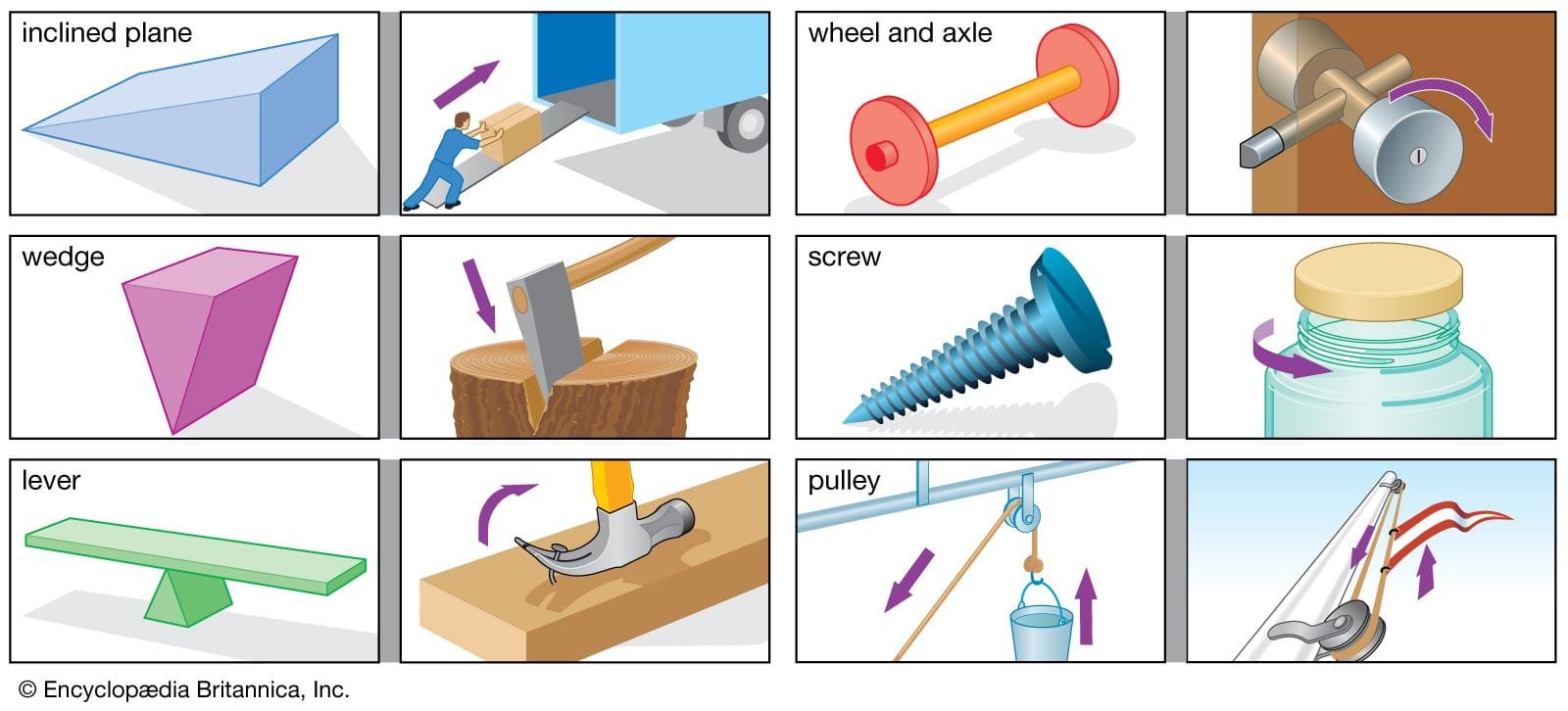
A simple machine is a tool that makes work easier. It has few or no moving parts. Simple machines help us lift heavy objects. They change the direction of forces. Understanding simple machines helps us see how they work in daily life.
Types Of Simple Machines
There are six main types of simple machines. They are the lever, pulley, wheel and axle, inclined plane, screw, and wedge. Each type has its own unique function. Each one makes work easier in different ways.
The Function Of Simple Machines
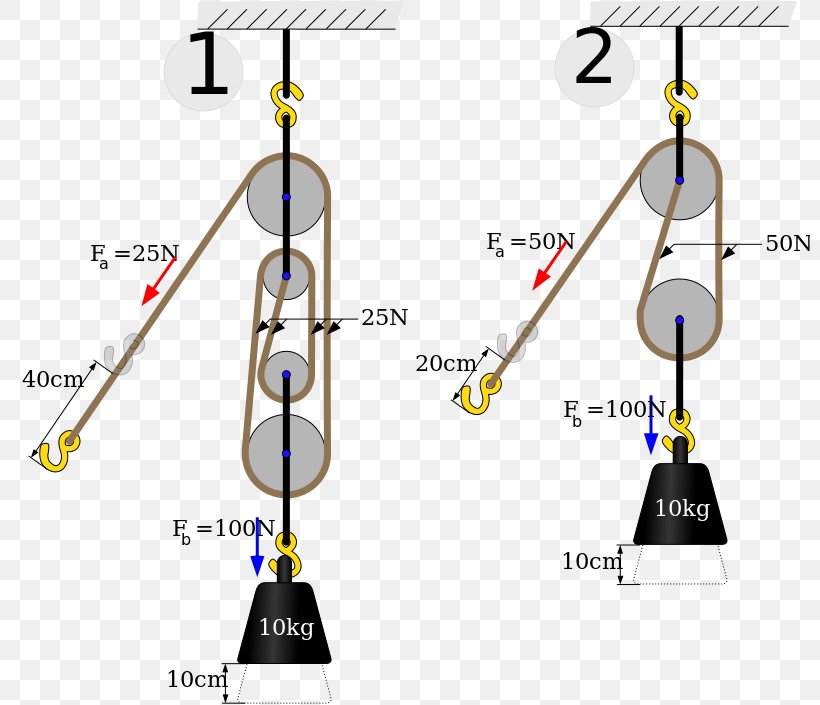
Simple machines help us apply force. They can multiply our effort. For example, a lever allows us to lift heavy loads. A pulley helps us raise objects with less force. These machines make tasks less tiring.
Examples In Everyday Life
Simple machines are everywhere around us. A seesaw is a lever. A ramp is an inclined plane. Even a door handle is a type of lever. We use these machines daily without thinking.
Benefits Of Using Simple Machines
Using simple machines saves time and energy. They allow us to do more with less effort. Simple machines improve productivity in work and home tasks. They help us accomplish goals faster.
Key Components Of A Generator
Generators convert mechanical energy into electrical energy. Key components include the engine, alternator, and fuel system. Understanding these parts helps to see if a generator is a simple machine.
Understanding the key components of a generator is essential for grasping how it functions. Each part plays a critical role in converting mechanical energy into electrical energy. Let’s break down the main components and see how they work together to create the electricity we rely on.Stator
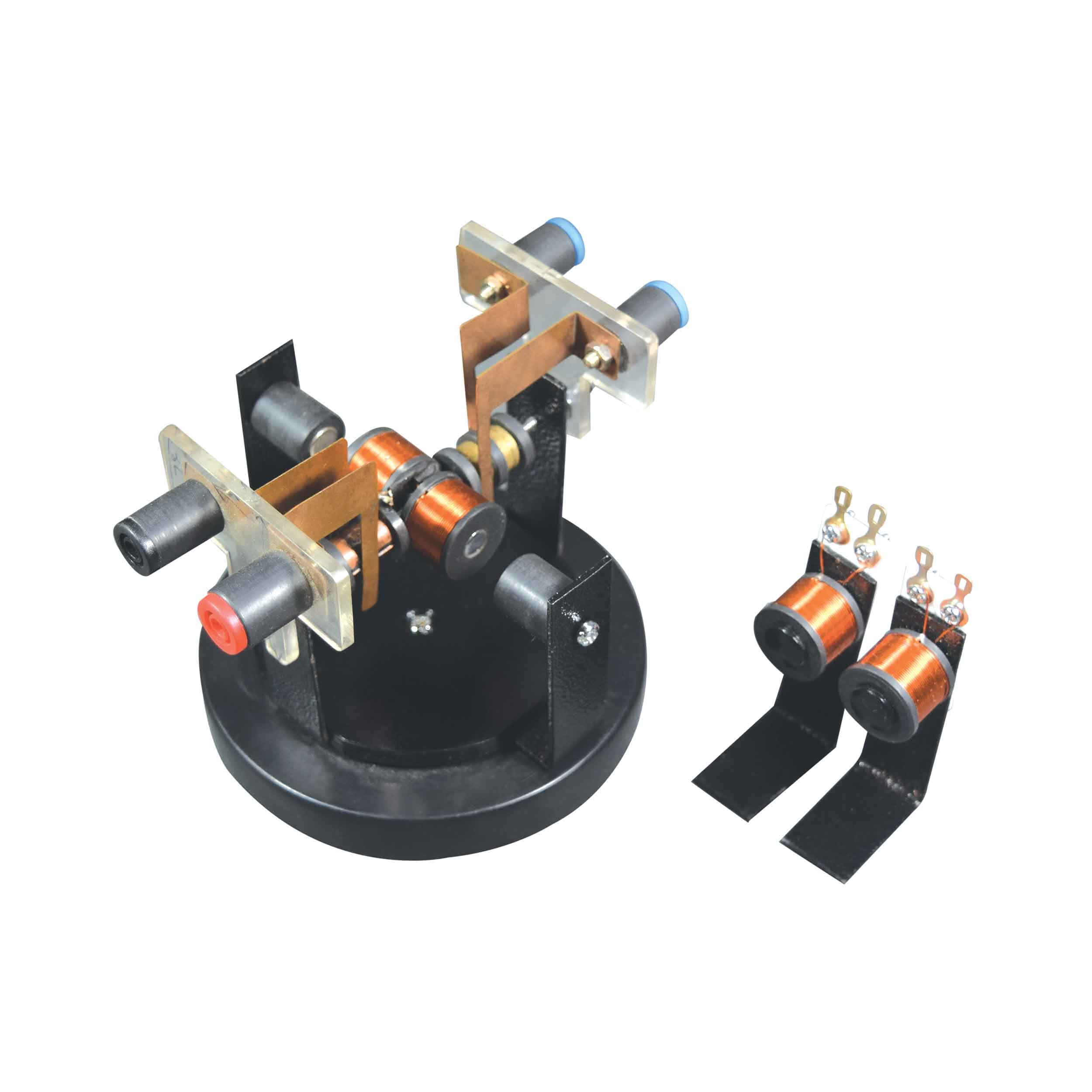
The stator is the stationary part of the generator. It houses the coils of wire through which the electricity flows. This component is crucial because it generates a magnetic field that interacts with the rotor. – Without the stator, the generator wouldn’t be able to produce power. – It’s typically made of iron or steel for maximum efficiency.Rotor
The rotor is the rotating component of the generator. It spins within the stator and is connected to the mechanical input, often from a turbine or an engine. – As it turns, the rotor cuts through the magnetic field generated by the stator. – This action induces a flow of electric current.Exciter
The exciter provides the initial electrical current needed to create the magnetic field in the rotor. – It can be either a separate small generator or built into the main generator. – This component ensures that the generator starts up and operates smoothly.Control Panel
The control panel is where you manage and monitor the generator’s performance. – It provides essential information like voltage, frequency, and current output. – You can adjust settings to optimize performance based on your needs.Fuel System
The fuel system supplies energy to the engine that drives the generator. – Common fuels include diesel, gasoline, and natural gas. – A reliable fuel system ensures that your generator runs efficiently and effectively. Understanding these components helps you appreciate how a generator works. Have you ever wondered what would happen if one part failed? Each piece is essential, and without them working together, your generator wouldn’t function.The Physics Behind Generators
Generators are fascinating devices. They convert mechanical energy into electrical energy. This process relies on a few key physical principles. Understanding these principles helps us grasp how generators work.
Electromagnetic Induction
Electromagnetic induction is a key concept in generators. It occurs when a magnetic field interacts with a conductor. This interaction produces electrical current. Michael Faraday discovered this principle in the 1830s. His work laid the foundation for modern generators.
In a generator, coils of wire rotate in a magnetic field. This rotation causes electrons in the wire to move. As a result, an electric current flows. The strength of the magnetic field and the speed of rotation affect the current produced.
Role Of Rotational Motion
Rotational motion is crucial for generating electricity. A generator typically has a rotor that spins. This rotor can be powered by various sources, like wind, water, or steam. As the rotor turns, it creates electromagnetic induction.
The faster the rotor spins, the more electricity it generates. Rotational motion is the driving force behind the entire process. Without it, generators would not produce power.

Credit: www.instructables.com
Simple Machines And Their Functions
Simple machines make work easier. They help us lift, move, or change the direction of force. Understanding simple machines is key to grasping how many devices work. They are the building blocks of more complex machines. Generators, for example, may not be simple machines. Yet, they use principles from simple machines to operate efficiently.
Let’s explore the types of simple machines and the core principles they follow.
Types Of Simple Machines
There are six basic types of simple machines. They include the lever, wheel and axle, pulley, inclined plane, screw, and wedge. Each type has a unique way of helping us perform tasks.
The lever allows us to lift heavy objects with less effort. A wheel and axle make transportation easier. A pulley helps raise or lower objects smoothly. Inclined planes allow us to move things upward with less force. Screws hold objects together tightly. Wedges split or cut materials apart.
Core Principles They Follow
Simple machines follow basic principles of physics. They help us change the size or direction of a force. This makes it easier to do work. For example, a lever reduces the effort needed to lift something heavy.
Another principle is mechanical advantage. This means using a simple machine can make tasks easier. It allows us to apply a smaller force over a longer distance. The result is more work done with less effort.
Understanding these principles helps us appreciate how everyday tools work. From basic tools to complex machines, simple machines form the foundation of technology.
Comparing Generators To Simple Machines
Generators and simple machines serve important roles in daily life. They both help us do work more easily. Understanding their similarities and differences can clarify their functions. Let’s explore how they compare.
Similarities In Function
Both generators and simple machines make tasks easier. They transform energy into useful work. A generator changes mechanical energy into electrical energy. Simple machines, like levers and pulleys, help lift or move loads.
Both types of devices reduce the effort needed for tasks. They multiply force and improve efficiency. This shared goal of easing work connects them closely.
Key Differences
Generators are complex devices. They require various components to function. Simple machines have fewer parts and simpler designs. A lever, for example, is just a bar on a pivot.
Generators also produce energy, while simple machines do not. They assist in movement but do not create power. This key difference sets them apart in function.
In terms of application, generators are often used in homes and industries. Simple machines are found in everyday tools. They serve different purposes but both are essential.
Complexity Of Modern Generators
Modern generators are not simple machines. They involve complex components and processes. Understanding how they work helps appreciate their role in power generation.
Modern generators are far from being simple machines. Their design and functionality reflect a blend of engineering ingenuity and advanced technology. You might think of a generator as just a device that converts mechanical energy into electrical energy, but there’s much more beneath the surface.Incorporation Of Advanced Technologies
Today’s generators utilize cutting-edge technologies to maximize efficiency and reliability. – Digital Controls: Many generators now come equipped with digital control systems. These systems monitor performance in real time, allowing for quick adjustments and enhanced safety features. – Smart Connectivity: Generators can now connect to your smartphone or computer. This connectivity allows you to track performance, receive alerts, and even control operations remotely. Imagine being able to start or stop your generator while sitting on your couch. – Eco-Friendly Innovations: With a growing emphasis on sustainability, modern generators often include features that reduce emissions. Advanced fuel systems and hybrid designs help in minimizing environmental impact.Integration Of Multiple Mechanisms
Modern generators combine various mechanisms to deliver power efficiently. – Internal Combustion Engines: Most generators still rely on these engines for mechanical power. However, the design and efficiency of these engines have significantly improved over the years. – Alternators: The alternator is crucial, as it converts mechanical energy into electrical energy. The design is often compact yet highly efficient, ensuring a steady power supply. – Cooling Systems: Effective cooling mechanisms are vital for maintaining optimal performance. They prevent overheating and extend the lifespan of the generator. Have you ever had to rely on a generator during a power outage? The complexity behind it ensures that you not only get power but also a reliable and safe source of energy. Understanding how these machines work can deepen your appreciation for the technology that keeps your lights on.Practical Applications Of Generators
Generators play a vital role in our daily lives. They convert mechanical energy into electrical energy. This process powers many devices we use every day. Understanding their applications helps us appreciate their importance.
Power Generation In Daily Life
Generators provide power in homes and businesses. They keep lights on during outages. Many people use portable generators for camping. This makes outdoor activities more enjoyable.
In rural areas, generators supply electricity. They support appliances like refrigerators and water pumps. This makes life easier for those without a stable power grid.
Industrial And Emergency Uses
Industries rely on large generators for operations. They power machines and equipment. A steady power supply keeps production running smoothly.
Generators are essential during emergencies. Hospitals use them to ensure patient safety. Emergency services depend on generators for communications and operations.
Credit: theraleighbeergarden.com
Frequently Asked Questions
Is A Generator Considered A Simple Machine?
A generator is not classified as a simple machine. Simple machines include levers, pulleys, and inclined planes. Generators are complex devices that convert mechanical energy into electrical energy. They utilize various components like magnets and coils, making them more than just simple machines.
How Does A Generator Work?
A generator works by converting mechanical energy into electrical energy. It uses electromagnetic induction to produce electricity. When a conductor, like a wire, moves through a magnetic field, it generates an electric current. This process is fundamental for power generation in various applications.
What Are The Types Of Generators?
There are several types of generators, including portable, standby, and inverter generators. Portable generators are ideal for temporary power needs. Standby generators automatically provide backup power during outages. Inverter generators produce clean energy suitable for sensitive electronics, making them versatile for different uses.
What Is The Role Of Magnets In Generators?
Magnets play a crucial role in generators by creating magnetic fields. These fields are essential for inducing electric currents in conductors. Permanent magnets or electromagnets can be used in generators. The interaction between the magnetic field and the conductor is what generates electricity.
Conclusion
Generators are not simple machines. They are complex devices that convert energy. Understanding their function can help us appreciate their role. Generators play a vital part in our daily lives. They provide power when we need it most. Learning about generators opens our eyes to how energy works.
Knowledge about these machines can help us make better choices. Embracing this understanding can lead to smarter energy use. Explore more about how generators function and their benefits. This knowledge can empower us all.