
Are you concerned about power outages and wondering how to keep your home running smoothly? Choosing the right generator can be a game-changer for your comfort and safety.
But with so many options available, you might feel overwhelmed. What generator will run a house effectively without breaking the bank? We’ll explore the different types of generators and their capabilities. You’ll discover what you need to power your essential appliances and how to make an informed choice that fits your lifestyle.
By the end, you’ll have the knowledge to select a generator that keeps your home comfortable and secure during any situation. Don’t miss out on this crucial information—your peace of mind depends on it!
Factors To Consider When Choosing A Generator
Choosing the right generator for your home requires careful thought. Consider your power needs, the generator’s size, and fuel type. Reliability and ease of use also matter. Understanding these factors helps ensure you select a generator that keeps your home running smoothly during outages.
Choosing the right generator for your home is crucial. With so many options available, understanding the key factors can help you make an informed decision. Here’s what to consider to ensure your generator meets your needs effectively.Power Output And Wattage Needs
Assessing your power needs is the first step. Make a list of all essential appliances you plan to run during an outage. Consider their wattage requirements. – Refrigerator: 600-800 watts – Sump Pump: 800-1,200 watts – Heating System: 2,000-5,000 watts Add up the total wattage to determine the generator capacity you need. It’s wise to choose a generator that exceeds your total by at least 20%. This buffer accommodates additional devices and prevents overloading.Fuel Type Options
Generators come with different fuel options, each with its pros and cons. – Gasoline: Widely available and easy to use. However, it has a shorter shelf life. – Propane: Burns cleaner and has a longer shelf life but may require a separate tank. – Diesel: More efficient for larger generators but can be noisier and pricier. Consider how often you can access fuel and how much storage space you have. Which fuel option aligns best with your lifestyle?Portability And Size
Think about where you will store your generator and how often you will move it. – Portable Generators: Compact and easy to transport. Ideal for short-term use. – Standby Generators: Larger and stationary. Best for permanent power solutions. Select a size that fits your space and lifestyle. A smaller model might be easier to manage, but a larger one could power more devices.Noise Levels
Noise can be a significant factor, especially if you live in a suburban area. Check the decibel rating of the generator. A model that operates at 60 decibels is comparable to a normal conversation. If you plan to use it during the night, consider quieter models. Your comfort and that of your neighbors matter too.Durability And Build Quality
Investing in a durable generator is essential for long-term use. Examine the materials used in construction. Metal casings typically offer better protection than plastic ones. Look for generators with a good warranty period. This can indicate the manufacturer’s confidence in their product. Consider your generator as a long-term investment. How often do you want to replace it? Understanding these factors will guide you toward a generator that not only meets your needs but also fits seamlessly into your lifestyle. Make the choice that empowers you to tackle any power outage with confidence.Types Of Generators For Home Use
Choosing the right generator for your home can feel overwhelming. With various options available, it’s essential to understand what each type offers. This knowledge will help you make an informed decision tailored to your specific needs.
Standby Generators
Standby generators are permanent fixtures installed outside your home. They automatically kick in during a power outage, providing seamless power to your entire house.
Imagine a storm rolling in, and the lights flicker off. Instead of worrying about the food in your fridge or the lack of heat, a standby generator ensures everything continues to run smoothly. They’re powered by natural gas or propane, making them a reliable choice for homeowners.
- Automatic activation
- Can power your entire home
- Requires professional installation
Portable Generators
Portable generators are versatile and easy to move. You can take them wherever you need power—whether it’s for camping trips or during a power outage.
These generators are fueled by gasoline and can power essential appliances like refrigerators, heaters, and lights. They are perfect for short-term power needs and can be stored away when not in use.
- Ideal for outdoor activities
- Less expensive than standby generators
- Requires manual setup
Inverter Generators
Inverter generators are known for their quiet operation and fuel efficiency. They produce clean power, making them safe for sensitive electronics like laptops and smartphones.
If you want a generator that won’t disturb your neighbors during a blackout or while camping, this is a great choice. They are compact and lightweight, making them easy to transport.
- Quiet operation
- Can run sensitive electronics
- More expensive than portable generators
Which type of generator aligns with your lifestyle and power needs? Understanding these differences can help you choose the best option for your home. Power outages can be unpredictable, but being prepared can make all the difference.
Top Generator Brands For Reliability
Choosing a reliable generator is important for home use. Many brands stand out for their quality and performance. Here are some top brands known for their dependable generators.
Honda
Honda generators are well-known for their reliability. They offer quiet operation and fuel efficiency. Many users trust Honda for emergency power needs. Their portable models are easy to use and transport. Customers appreciate the durable build and long lifespan.
Generac
Generac is a leader in home generators. They provide options for both standby and portable use. Generac generators are designed for ease of use. Their automatic transfer switches keep homes powered seamlessly. Users often praise Generac for its excellent customer service.
Champion
Champion generators are popular for their affordability and performance. They offer a wide range of models for different needs. Many users enjoy the ease of starting and operating Champion units. Their dual fuel models allow flexibility in fuel choice. Champion is known for solid warranties and support.
Westinghouse
Westinghouse generators combine power with reliability. They are known for their innovative features and user-friendly design. Many models include remote start options for convenience. Westinghouse also offers great fuel efficiency. Users appreciate the robust construction and safety features.

Credit: www.wikihow.com
Best Generators For Small To Medium Homes
Choosing the right generator for a small to medium home is important. A good generator can power essential appliances during an outage. Look for models that offer reliable wattage and fuel efficiency to meet your household needs.
Choosing the right generator for your small to medium home can make a significant difference in your comfort and safety during power outages. The best generators provide reliable power without breaking the bank. They can keep your essentials running smoothly, ensuring you remain comfortable even when the lights go out.Affordable Options For Basic Needs
If your primary concern is keeping a few essential appliances running, affordable generators are a great choice. Look for models that offer around 3,000 to 5,000 watts. These can power your refrigerator, lights, and maybe a few small electronics. Consider the Champion 3400-Watt Dual Fuel Generator. It’s versatile and can run on both gasoline and propane. This flexibility can be a lifesaver during extended outages. Another solid option is the WEN 56200i Super Quiet 2000-Watt Portable Inverter Generator. It’s lightweight, quiet, and perfect for basic needs. Plus, it’s easy to transport, making it ideal for camping or emergency situations. When selecting a generator, think about how much power you need. Will you require it for heavy-duty appliances or just the essentials? Knowing your needs helps you make a better choice.Mid-range Models For Versatility
For those who want a bit more power and versatility, mid-range generators are worth considering. Models in the 5,000 to 7,500-watt range can handle larger appliances and offer more options for your home’s needs. The DuroMax XP4850EH is a fantastic mid-range option. With its dual fuel capabilities and plenty of power, it can handle everything from your HVAC system to multiple lights. Another excellent choice is the Generac GP5500. This generator is designed for home use and offers a good balance of price and performance. It’s powerful enough to keep your home running smoothly during outages. Consider the layout of your home and where you’ll need power. Will you be using it for heating, cooling, or just essential appliances? Identifying these needs can save you from overpaying for unnecessary wattage. Investing in the right generator for your home ensures you’re prepared for anything. Take the time to evaluate your requirements and choose a model that fits your lifestyle. Your comfort and peace of mind are worth it.Generators For Large Homes Or Heavy Usage
Choosing the right generator for large homes is essential for heavy usage. A generator with enough wattage can power all your appliances. Consider your needs and check the power output to ensure a reliable supply during outages.
When considering a generator for a large home or heavy usage, it’s essential to choose a model that meets your power needs. Whether you’re running multiple appliances, heating, or cooling systems, the right generator can make all the difference. Let’s dive into the specifics of high-capacity models and advanced features that enhance efficiency.High-capacity Models
High-capacity generators are designed to handle the power demands of large households. These models typically provide anywhere from 10,000 to 20,000 watts of continuous power. – Standby Generators: These are permanently installed and automatically kick in during an outage. Brands like Generac and Kohler offer reliable options. – Portable Generators: While not as powerful as standby models, some portable generators can still provide substantial wattage. Look for units that offer at least 7,500 watts for heavy usage. Choosing the right size is crucial. Calculate your total wattage needs by adding up the wattage of the appliances you intend to run. This ensures you select a generator that can handle your requirements without strain.Advanced Features For Efficiency
Modern generators come packed with features that enhance efficiency and user experience. – Inverter Technology: This feature provides clean power for sensitive electronics like computers and TVs. It’s a game changer for those who prioritize protecting their devices. – Remote Start: Imagine being able to start your generator from inside your home. This feature adds convenience and safety, especially during severe weather. – Fuel Efficiency: Look for generators with eco-mode settings. These adjust the engine speed based on the load, saving fuel and reducing noise. Investing in a generator with these advanced features not only improves efficiency but also ensures you have reliable power when you need it most. Ask yourself: how much power do you really need, and which features matter most to you?Fuel Choices And Their Pros And Cons
Choosing the right fuel for your generator affects its efficiency and cost. Gasoline, propane, and diesel each have benefits and drawbacks. Understanding these options helps you find the best generator to power your home effectively.
Choosing the right fuel for your generator can make a significant difference in efficiency, cost, and convenience. Each fuel type comes with its own set of advantages and disadvantages. Understanding these can help you make a more informed decision for your home power needs.Gasoline-powered Generators
Gasoline-powered generators are widely used due to their availability and ease of use. They can typically be found at most hardware stores. You just fill the tank and start generating power. Pros: – Accessibility: Gasoline is easy to find at gas stations. – Cost-Effective: Generally, gasoline generators are less expensive to purchase than others. – Lightweight: Most gasoline models are portable, making them easy to move. Cons: – Short Run Time: They usually have a limited runtime before needing a refill. – Storage Issues: Gasoline can degrade over time, requiring you to manage your fuel storage carefully. – Safety Concerns: Spills can be hazardous, and gasoline is highly flammable. Think about your typical power needs. Will you need to run appliances for long periods? Gasoline might not be your best choice if you’re looking for extended use.Propane-powered Generators
Propane generators are gaining popularity for their clean-burning properties. They produce fewer emissions than gasoline options. Plus, they’re often quieter during operation. Pros: – Long Shelf Life: Propane can be stored for years without degrading. – Efficiency: These generators usually run longer on a tank compared to gasoline models. – Environmental Benefits: Propane burns cleaner, which is better for the environment. Cons: – Availability: You may need to find a specialized supplier for propane. – Initial Cost: Propane generators can be more expensive to buy initially. – Conversion Needed: If you want to switch from gasoline, you may need to invest in conversion kits. Have you considered how often you might need to refill your fuel source? If you’re planning for long-term use, propane could be a better fit.Dual-fuel And Tri-fuel Options
Dual-fuel and tri-fuel generators provide flexibility. They can run on gasoline, propane, or even natural gas, depending on the model. This versatility can be a game-changer. Pros: – Flexibility: You can switch fuels based on availability and cost. – Convenience: Having multiple fuel options means you’re less likely to run out. – Extended Use: These generators can often run longer due to the variety of fuel sources. Cons: – Complexity: They can be more complicated to operate and maintain. – Higher Cost: Initial purchase prices are typically higher than single-fuel models. – Space Requirements: These generators may require more storage space for fuel types. Are you the type who values adaptability? If your power needs might change, a dual-fuel or tri-fuel generator could be the perfect solution. Consider your situation and weigh these options carefully. What works for someone else might not work for you. Make the choice that best fits your lifestyle and needs.Maintenance Tips For Long-term Reliability
Choosing the right generator for your home is essential for long-term reliability. Regular maintenance keeps it running smoothly. Check the oil, replace filters, and inspect the fuel system. A well-maintained generator will provide power when you need it most.
Maintaining your generator is crucial for ensuring it runs smoothly and reliably when you need it most. Proper maintenance not only extends the life of your generator but also guarantees that it can power your home effectively during outages. Here are some essential tips to keep your generator in top shape.Routine Inspections
Regular inspections are key to identifying potential issues before they become major problems. Start by checking the oil level and quality every few months. Old or low oil can damage the engine. Inspect air filters and spark plugs for dirt and wear. Replacing these parts can improve efficiency and performance. Don’t forget to check for leaks or signs of corrosion. A quick visual inspection can save you from costly repairs down the line.Proper Fuel Storage
Fuel quality directly affects generator performance. Storing fuel correctly helps maintain its integrity. Always use fresh fuel. Gasoline can degrade over time, leading to poor combustion and engine problems. Consider adding a fuel stabilizer if you plan to store fuel for longer periods. This helps prevent deterioration. Store fuel in a cool, dry place away from direct sunlight. Proper storage minimizes evaporation and contamination.Replacing Worn-out Parts
Over time, parts of your generator will wear out. Keeping an eye on these components ensures reliable operation. Make a habit of checking the battery, as it can lose charge or become corroded. Replacing a faulty battery can prevent unexpected failures. Inspect belts and hoses for cracks or fraying. A worn belt can lead to significant engine issues. Don’t ignore the manufacturer’s recommendations for part replacements. Sticking to these guidelines can prevent breakdowns and prolong your generator’s life. Taking the time to maintain your generator pays off in reliability and peace of mind. How often do you check your equipment?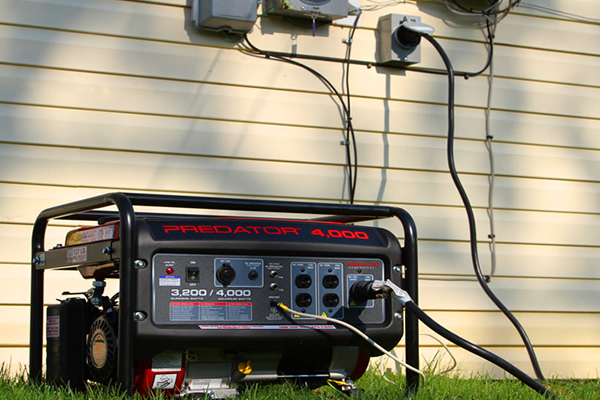
Credit: generatorstore.com.au
Safety Tips For Using A Generator
Using a generator safely is very important. Generators provide power during outages. They can also be dangerous if not used correctly. Here are some key safety tips to follow.
Avoiding Carbon Monoxide Risks
Carbon monoxide is a silent killer. It is colorless and odorless. Always keep your generator outside. Place it far from doors and windows. This helps prevent carbon monoxide from entering your home.
Install carbon monoxide detectors in your home. Test them regularly to ensure they work. If the alarm goes off, leave the area immediately. Seek fresh air and call for help.
Proper Ventilation
Good airflow is essential when using a generator. Always run your generator in open spaces. Never use it in garages or basements. These areas trap harmful gases.
Keep the generator at least 20 feet away from your home. This reduces the risk of gas buildup. Be cautious during windy days. Wind can push gases back toward your home.
Electrical Safety Guidelines
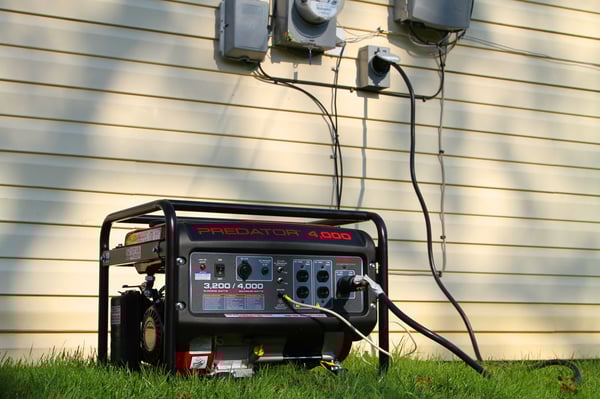
Follow electrical safety guidelines to avoid fires. Use heavy-duty extension cords. Ensure they are rated for your generator’s output. Check cords for damage before use.
Do not overload your generator. Know its wattage limits. Connect only essential appliances. Turn off the generator before refueling. This prevents fires from fuel spills.
Always turn off appliances before starting the generator. This protects both the generator and your devices. Stay safe by keeping children away from the generator.
Credit: www.ecicomfort.com
Frequently Asked Questions
What Size Generator Do I Need For A House?
To power a house, you typically need a generator that produces between 5,000 to 10,000 watts. This size can run essential appliances like refrigerators, lights, and heating systems. Consider your home’s total wattage needs to choose the right generator size.
Always consult a professional for accurate calculations.
Can A Generator Run An Entire House?
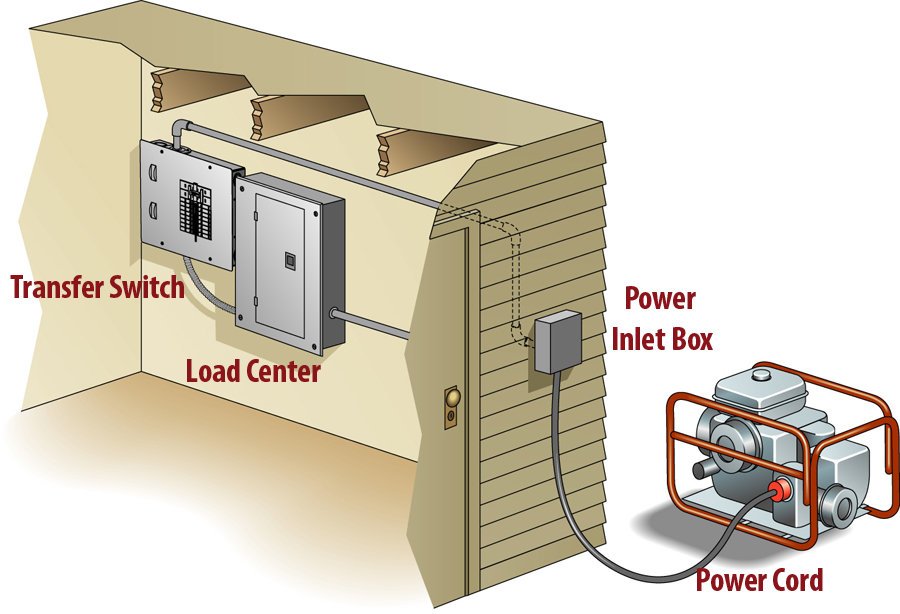
Yes, a generator can run an entire house, but it depends on its capacity. A whole-house generator usually ranges from 10,000 to 20,000 watts. This allows it to power all major systems and appliances simultaneously. Proper installation and transfer switches are essential for safe operation.
How Long Can A Generator Run Continuously?
Most generators can run for 8 to 12 hours continuously on a full tank. However, this varies by model and fuel type. Some larger generators can run longer, especially those connected to natural gas lines. Always check the manufacturer’s guidelines for specific run time recommendations.
What Type Of Generator Is Best For Home Use?
For home use, the best types are portable and standby generators. Portable generators are flexible and can be moved as needed. Standby generators provide automatic power during outages and are permanently installed. Consider your power needs and budget when choosing the type.
Conclusion
Choosing the right generator is important for your home. It provides reliable power during outages. Consider your energy needs first. Think about how many appliances you need to run. Look for fuel types that suit your lifestyle. Always check the generator’s wattage.
Safety features are essential for peace of mind. A well-chosen generator keeps your home comfortable and functional. Take your time to research options. Your home deserves the best power solution. Make an informed choice today.