
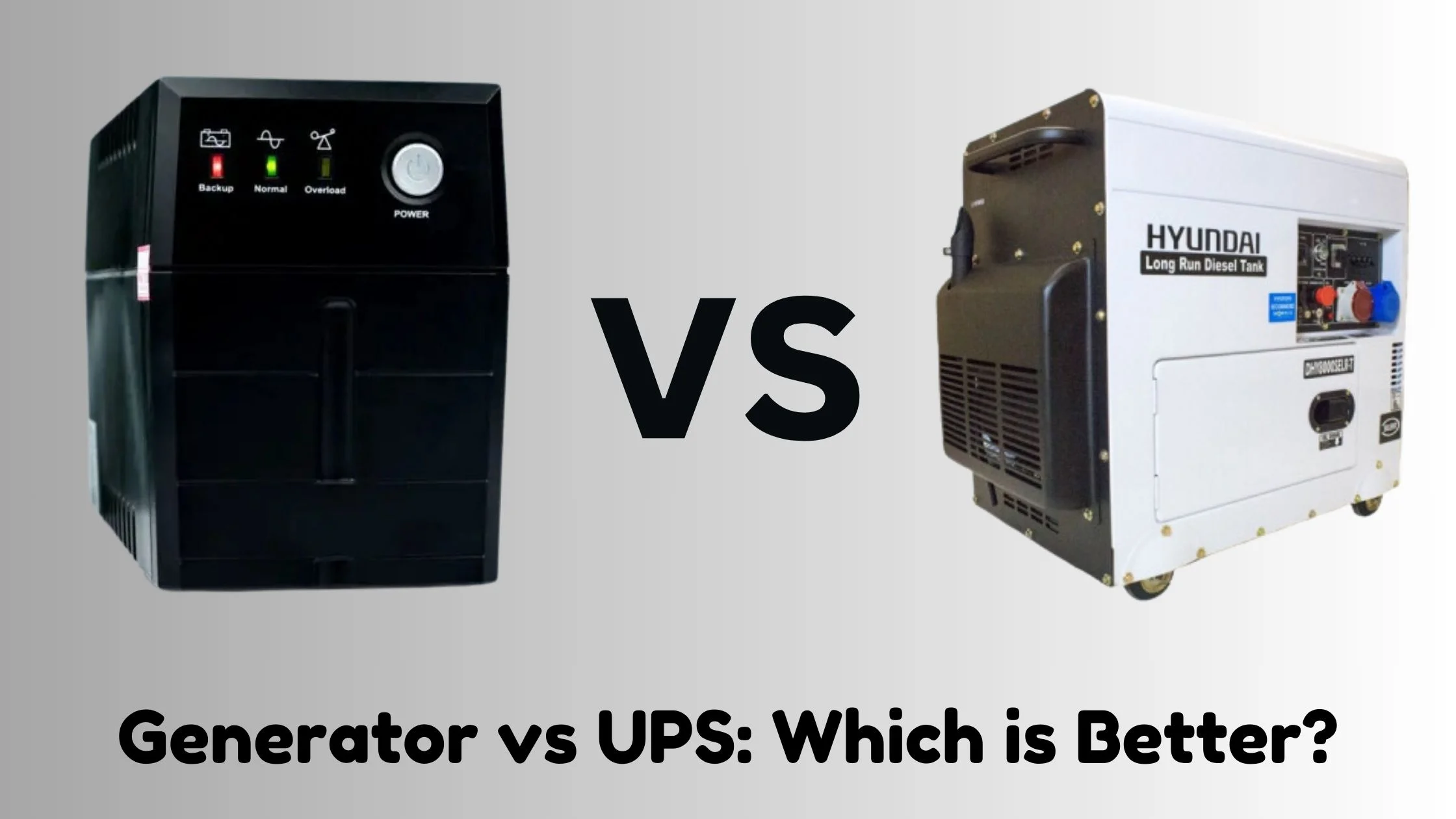
When it comes to keeping your devices powered during an outage, you might find yourself torn between a generator and an uninterruptible power supply (UPS). Both options have their unique benefits, but which one is right for you?
Understanding the differences can save you time, money, and frustration when you need power the most. Imagine facing a sudden blackout. Your fridge stops, your Wi-Fi cuts out, and you’re left in the dark. A generator can power your entire home, while a UPS can keep your critical devices running for a short time.
Which one fits your needs? We’ll break down the key differences between generators and UPS systems. You’ll learn how each option works, their pros and cons, and what you should consider before making a decision. By the end, you’ll have the knowledge you need to choose the best power solution for your situation. Let’s dive in!
Purpose And Functionality
The purpose and functionality of generators and uninterruptible power supplies (UPS) differ significantly, even though both serve the critical role of providing power. Understanding these differences can help you make informed choices for your power needs. Let’s break down what each device does and how they function.
What Is A Generator?
A generator converts mechanical energy into electrical energy. It typically runs on fuel like gasoline, diesel, or natural gas. You can use it during power outages to supply power to your home or business.
Generators are ideal for long-term power outages. They can provide electricity for several hours or even days, depending on fuel availability. If you’re in an area prone to extended blackouts, a generator could be a lifesaver.
What Is A Ups?
A UPS offers backup power through batteries. It kicks in almost instantly when the main power source fails. This quick response is crucial for sensitive electronics.
UPS units are perfect for protecting data and equipment. If you’ve ever lost work due to a sudden power cut, you understand how frustrating it can be. A UPS prevents this by giving you enough time to save your work and shut down devices properly.
Key Differences In Functionality
- Power Source:Generators rely on fuel; UPS systems use batteries.
- Response Time:Generators take time to start up, while UPS systems provide instantaneous power.
- Duration:Generators can run for a long time, but UPS units are limited by battery life.
Consider your specific needs. Do you need a constant power supply for several hours? A generator might be best. If you want to protect your electronics during brief outages, a UPS is the way to go.
Have you ever faced a power outage? Think about how long the outage lasted and what devices you needed to keep running. Your experiences can guide your decision on which device to invest in.
Credit: enpower.com.pk
Power Source Comparison
Choosing between a generator and an uninterruptible power supply (UPS) can be tough. Both serve important roles in providing backup power. Their power sources differ significantly. Understanding these differences helps you make a better choice.
Generators: Fuel-based Power
Generators run on fuel. They often use gasoline, diesel, or propane. When the main power goes out, they kick in. They create electricity by converting fuel into power. This process can take a few seconds. Generators can run for hours or even days. Fuel availability affects their runtime. Regular maintenance is also needed to keep them functioning.
Ups: Battery-powered Backup
A UPS relies on batteries. It provides instant power when the main supply fails. The transition is seamless. This means no interruption for your devices. UPS systems are ideal for computers and sensitive equipment. They offer short-term power, usually from a few minutes to a couple of hours. This time allows users to save work and shut down safely.
Power Capacity And Usage
Generators can produce a lot of power. They are suitable for large appliances. They can power an entire house if needed. UPS devices offer less power. They are meant for smaller loads. A UPS protects against data loss and hardware damage. It is not suitable for heavy-duty tasks.
Noise Levels
Generators can be loud. They produce noise while running. This can be disruptive in quiet neighborhoods. UPS systems operate quietly. They provide power without any sound. This makes them great for offices and homes.
Cost And Maintenance
Generators usually cost more upfront. They require fuel and regular maintenance. This can add to long-term expenses. UPS devices have lower initial costs. They need battery replacements over time. Overall, the maintenance is less demanding.
Backup Duration
Backup duration is a crucial factor to consider when choosing between a generator and an uninterruptible power supply (UPS). It determines how long your devices will stay powered during an outage. Knowing the differences can help you make an informed decision tailored to your needs.
Understanding Generator Backup Duration
Generators are designed for long-term power outages. They can run for hours or even days, depending on the fuel supply. This makes them ideal for situations where you might face extended outages, such as during severe storms.
For instance, if you live in an area prone to hurricanes, a generator can keep your home powered for as long as you have fuel. This means you can run essential appliances like refrigerators and air conditioning without interruption.
Ups Backup Duration Explained
A UPS, on the other hand, provides immediate backup power for a shorter duration. Most UPS systems can last anywhere from a few minutes to a couple of hours. This is perfect for protecting sensitive electronic devices during brief outages or allowing you to save your work before shutting down.
Consider a scenario where your computer crashes during an important project. A UPS can give you just enough time to save your work and shut down safely, preventing data loss.
Comparing Backup Durations
| Feature | Generator | UPS |
|---|---|---|
| Typical Backup Duration | Hours to Days | Minutes to a Few Hours |
| Power Type | AC | AC/DC |
| Use Case | Extended Outages | Brief Interruptions |
Choosing The Right Option For Your Needs
Think about how often you experience power outages and their typical duration. If you frequently deal with short outages, a UPS might be sufficient. But if you face long-term outages, investing in a generator can save you a lot of hassle.
Ask yourself: What devices are most critical to keep running during an outage? Your answer can guide your choice between a generator and a UPS.
Ultimately, understanding backup duration can help you select the right backup power solution. Whether you need quick power or long-term support, knowing your needs is the first step.
Installation And Setup
Setting up a generator or an uninterruptible power supply (UPS) is important. Each has its own steps. Knowing these steps helps you choose the right option for your needs. Let’s explore the installation and setup for both systems.
Generator Installation Steps
Installing a generator requires careful planning. First, choose a suitable location. The area should be well-ventilated and away from windows. Next, prepare a stable surface. Concrete is often a good choice. Place the generator on this surface.
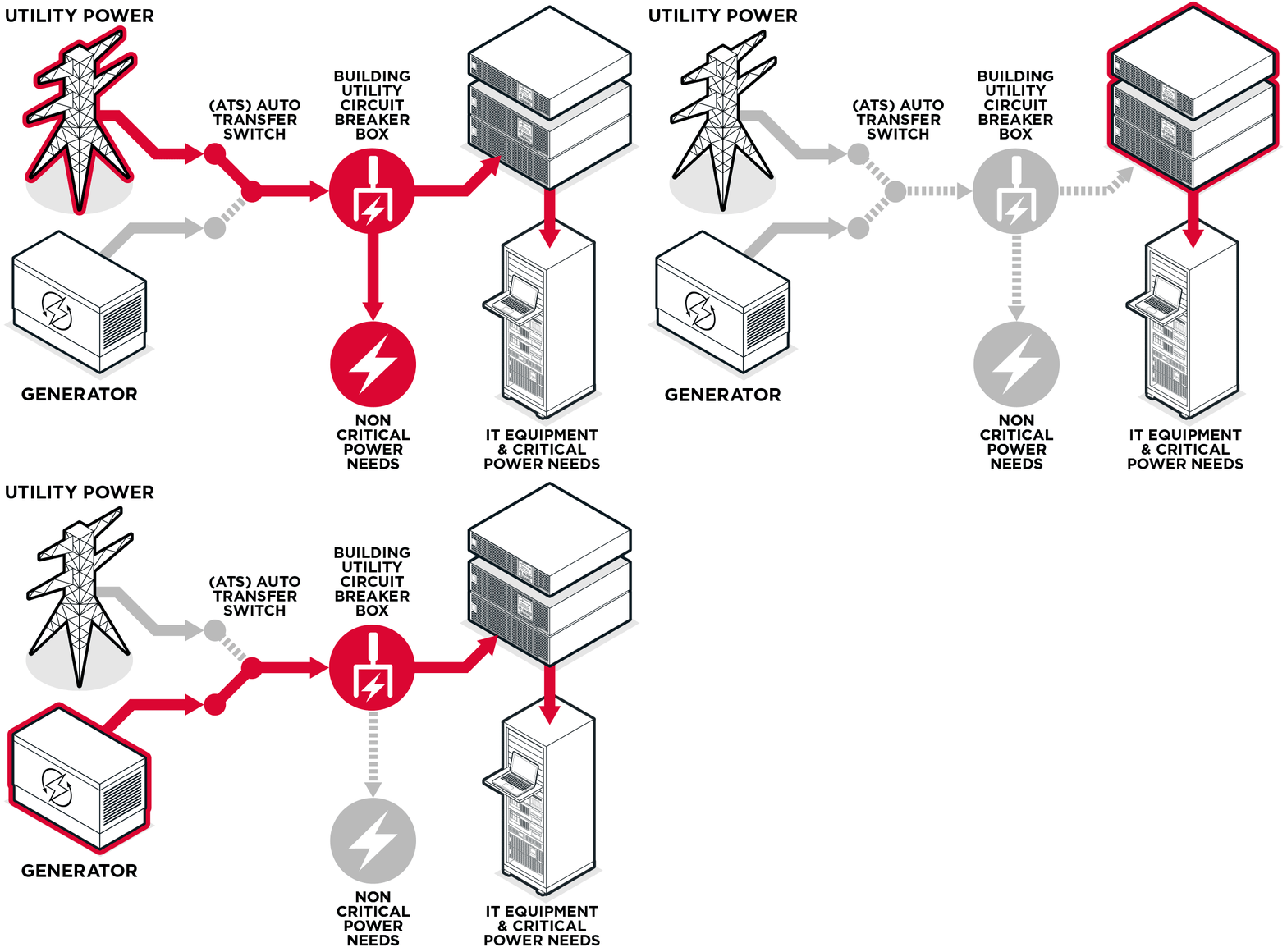
Connect the generator to your home’s electrical system. This usually needs a transfer switch. A transfer switch keeps you safe. It prevents back-feeding into the grid. Hire a professional for this part. They ensure everything meets local codes.
Ups Setup Process
Setting up a UPS is simpler. Start by placing the UPS near your devices. Ensure it is close to a wall outlet. Plug the UPS into the outlet. Make sure it is secure and stable.
Next, connect your devices to the UPS. Use the appropriate cables for each device. Avoid overloading the UPS. Check the power rating to ensure safety. Most UPS units have clear instructions.
Regular Maintenance Tips
Both systems need regular maintenance. For generators, check oil levels and filters. Run the generator every few months. This keeps it in good condition.
For UPS units, replace batteries as needed. Monitor performance regularly. Some units have software for this. Keep the area around both systems clean and clear.
Energy Efficiency
Generators and UPS systems both provide backup power. Generators run on fuel and are great for long outages. UPS systems use batteries for short-term power, ideal for electronics. Choosing the right option depends on your needs for energy efficiency and reliability.
Energy efficiency plays a crucial role in determining the effectiveness of both generators and uninterruptible power supplies (UPS). Understanding how each option uses energy can help you make informed choices for your home or business. Let’s dive into the energy efficiency of generators and UPS systems to find out which one might be the better fit for your needs.Generators: Power And Efficiency
Generators are designed to provide power on demand. They can be incredibly powerful but often consume a lot of fuel. This can lead to higher operational costs, especially during extended use. – Fuel Consumption: Most generators run on gasoline, diesel, or propane. Diesel generators tend to be more fuel-efficient than their gasoline counterparts. – Load Management: Running a generator at optimal load increases its efficiency. Operating below or above its rated capacity can waste fuel. Consider your energy needs before investing in a generator. If you only need power occasionally, the cost of fuel may outweigh the benefits.Ups Systems: Efficiency In Backup Power
UPS systems are designed to provide instant power in case of an outage. They store energy and deliver it quickly to keep your devices running smoothly. – Energy Conversion: UPS systems convert stored DC energy into AC power. This conversion process can lead to energy loss, typically around 10-20%. – Smart Features: Many modern UPS units come with energy-saving modes. These features can significantly enhance efficiency by reducing power consumption when devices are not in use. Think about how often you face outages and the critical devices you need to keep running. A UPS can be a more energy-efficient option in those scenarios.Comparing Energy Efficiency
When weighing the efficiency of generators and UPS systems, consider the following factors: | Feature | Generator | UPS | |————————–|——————————-|—————————–| | Fuel Consumption | Higher, especially under load | Lower, uses stored energy | | Operational Costs | Varies based on fuel type | Generally lower over time | | Efficiency Rating | Can be efficient if used properly | Typically efficient for short durations | Both options have their strengths and weaknesses. Your choice should depend on your specific energy needs and how you plan to use the system. Reflect on your current energy setup. Are you frequently dealing with power outages, or do you require a consistent power supply for larger equipment? The answer may guide you toward the most energy-efficient solution for your situation.
Credit: yourpowerpro.com
Cost Differences
Understanding the cost differences between generators and uninterruptible power supplies (UPS) is essential for anyone considering backup power solutions. Your choice can significantly impact your budget and long-term expenses. Let’s break down the costs associated with each option.
Initial Purchase Cost
The initial cost is one of the first factors to consider. Generators typically range from $500 to $5,000, depending on the size and power output. A good quality UPS, on the other hand, can cost anywhere from $100 to $2,500.
Have you ever thought about what you need to power? A small UPS may suffice for your computer and modem, while a generator can run your entire home during an outage. Assess your needs before making a decision.
Installation Expenses
Installation costs can vary widely between the two options. Generators often require professional installation, which can add another $300 to $1,500 to your total cost. UPS systems are generally plug-and-play, requiring minimal setup.
Consider your DIY skills. If you’re handy, you might save some money on UPS installation. However, for generators, professional help is usually a must for safety and compliance.
Operating Costs
Operating costs are another crucial factor. Generators consume fuel, whether gas or diesel, which can add up over time. If you use a generator frequently, fuel costs can become a significant expense.
UPS systems typically have lower ongoing costs. They rely on electricity from your home and don’t require fuel. However, battery replacement every few years can add to your expenses.
Maintenance is necessary for both options, but the requirements differ. Generators need regular servicing, including oil changes and inspections, which can cost around $100 annually. UPS systems require less maintenance, mainly battery checks.
Think about how much time and money you want to invest in upkeep. If you prefer a low-maintenance solution, a UPS might be the better choice.
Long-term Value
Consider the long-term value of your investment. Generators have a longer lifespan, often lasting over 10 years with proper care. This longevity can justify their higher initial costs.
UPS systems usually last around 3 to 5 years, depending on usage and battery quality. Weigh the upfront costs against potential replacements down the line.
Making the right choice depends on your specific needs and budget. What will you prioritize: initial costs, maintenance, or long-term reliability? Your decision today can affect your power solutions for years to come.
Noise And Environmental Impact
The choice between a generator and an uninterruptible power supply (UPS) often extends beyond mere functionality. Noise and environmental impact play crucial roles in deciding which option suits your needs best. Let’s break down these two factors to help you make an informed choice.
Noise Levels Of Generators
Generators can be quite loud, especially traditional models. Most portable generators range from 50 to 70 decibels, which is comparable to heavy traffic or a vacuum cleaner.
That noise can be disruptive. If you live in a quiet neighborhood, a generator may not be the best choice. You might find it hard to enjoy your peaceful evenings while the generator hums away.
Noise Levels Of Ups Systems
UPS systems operate quietly, often making them more appealing for residential and office use. Most units produce minimal noise, typically below 40 decibels.
This low noise level allows you to work, study, or relax without distraction. The quiet operation makes UPS systems especially suitable for environments where silence is golden, like libraries or bedrooms.
Environmental Impact Of Generators
Generators, especially those running on fossil fuels, can significantly harm the environment. They emit carbon dioxide, nitrogen oxides, and other pollutants.
Consider the long-term effects on air quality. If you care about your community’s health, this is an essential factor to consider.
Environmental Impact Of Ups Systems
UPS systems are generally more environmentally friendly. They use battery technology that produces less pollution.
However, battery disposal can pose challenges. Choosing a UPS that allows for recycling or has sustainable battery options is crucial for minimizing your ecological footprint.
How do you weigh noise and environmental concerns in your power needs? Balancing these factors can lead to a choice that aligns with your lifestyle and values.
Suitability For Homes And Businesses
Choosing between a generator and an uninterruptible power supply (UPS) can be a crucial decision for both homes and businesses. Understanding their suitability can save you from potential downtime and ensure continuous power. Let’s break down how each option fits into different environments.
Generators For Homes
Generators are ideal for larger power needs in homes, especially during prolonged outages. They can provide substantial wattage, making them capable of powering multiple appliances simultaneously. If you have a large house with several electronic devices, a generator might be your best bet.
Consider a situation where a summer storm knocks out the power for several days. A generator can keep your refrigerator running, your air conditioning on, and your family’s comforts intact. This is a significant advantage for those living in areas prone to frequent outages.
Generators For Businesses
For businesses, generators are often essential. They can ensure that critical operations continue without interruption. If your business relies on equipment that must run continuously, investing in a generator is a smart move.
Imagine a restaurant that loses power during dinner service. A generator can keep food fresh, lights on, and customers happy. This can prevent significant revenue loss and maintain your reputation.
Ups For Homes
A UPS is more suited for homes that experience short power interruptions. It provides immediate backup power, allowing you to save your work and shut down devices safely. If you rely heavily on your computer or have sensitive electronics, a UPS is invaluable.
Picture working on an important project when the lights flicker. A UPS kicks in right away, giving you time to save your work. This peace of mind is something many homeowners appreciate.
Ups For Businesses
Businesses often need a UPS to protect against data loss and hardware damage. It acts as a buffer during brief outages, especially in data-sensitive environments. If you run a tech startup or a financial firm, a UPS is a must-have.
A sudden power loss can lead to lost transactions and corrupted files. A UPS keeps systems running long enough to prevent this. This protection can save your business from costly setbacks.
Final Thoughts
Ultimately, the choice between a generator and a UPS depends on your specific needs. Assess your power requirements and consider the types of outages you typically face. Are you prepared for longer outages, or do you primarily deal with brief interruptions?
Understanding your environment will guide you toward the right choice. Think about what matters most to you—comfort during storms, protection for sensitive electronics, or uninterrupted business operations. This decision can make all the difference in keeping your home or business running smoothly.
Maintenance Requirements
Maintaining power equipment is crucial for reliable operation. Generators and UPS systems have different needs. Understanding these needs helps you choose the right option for your setup.
Generator Maintenance
Generators require regular upkeep to function well. Start by checking the oil levels. Change the oil according to the manufacturer’s schedule. This prevents engine wear and tear.
Air filters must be cleaned or replaced regularly. Dirty filters can reduce efficiency. Fuel systems also need attention. Inspect fuel lines and tanks for leaks or blockages.
Battery maintenance is vital. Check the battery charge and clean terminals. A weak battery can lead to generator failure during use.
Ups Maintenance
UPS systems need less maintenance than generators. Regular checks on battery health are essential. Most UPS units have built-in indicators. These show battery status and performance.
Keep the UPS in a cool, dry place. Excess heat can damage the internal components. Dust can also affect performance. Regularly clean the UPS to ensure proper airflow.
Test the UPS periodically. This checks if it can handle power outages. Make sure to replace batteries every few years. Old batteries can cause failures.
Comparing Maintenance Efforts
Generators require more hands-on care than UPS systems. Regular oil changes and filter replacements are common tasks. UPS systems mostly need battery checks and cleaning.
Budget for both options. Generators may incur higher maintenance costs. However, they provide long-term power solutions. UPS systems offer convenience with less effort.

Credit: www.zameen.com
Key Pros And Cons
Understanding the key pros and cons of generators and UPS systems helps you choose wisely. Each option has its strengths and weaknesses. Knowing these can aid in making an informed decision.
Pros Of Generators
Generators provide power during long outages. They can run for hours or even days. This makes them reliable for extended use.
Generators can handle large loads easily. They power multiple devices at once. This is great for homes or businesses with high energy needs.
They are often more affordable than UPS systems. Many people find generators within their budget. This cost-effectiveness attracts many users.
Cons Of Generators
Generators can be noisy. This noise may disturb your peace. Some models are louder than others.
They require fuel to operate. Fuel availability can be an issue. This might lead to downtime during emergencies.
Maintenance is needed regularly. Failing to maintain can lead to problems. Users must be ready for this responsibility.
Pros Of Ups Systems
UPS systems provide instant power. They switch on as soon as the power goes out. This helps protect sensitive devices.
They are quieter than generators. This makes them ideal for indoor use. You won’t disturb others nearby.
UPS systems need less maintenance. They are often easier to manage. Users can focus on other tasks.
Cons Of Ups Systems
UPS systems have limited run time. They can only last for a few hours. This may not be enough during long outages.
They are typically more expensive. The initial cost can be high. This may not fit every budget.
UPS systems can handle fewer devices. They are not ideal for heavy loads. Users must plan their energy needs carefully.
Frequently Asked Questions
What Is The Main Difference Between A Generator And Ups?
The primary difference lies in their functionality. A generator provides power during outages, running continuously until fuel runs out. In contrast, a UPS (Uninterruptible Power Supply) offers immediate backup power for a short duration, ensuring devices remain operational without interruption during brief outages.
When Should I Use A Generator?
Generators are ideal for extended power outages or outdoor events. They provide substantial power for appliances, tools, and systems that require long-term energy. If you need consistent electricity for an extended period, a generator is your best choice for reliability and efficiency.
Is A Ups Better Than A Generator?
It depends on your needs. A UPS is better for short-term backup and protecting sensitive electronics. It offers instant power and surge protection. Conversely, a generator is more suitable for prolonged outages and powering multiple devices simultaneously over a longer duration.
How Long Can A Ups Power Devices?
A typical UPS can power devices for 5 to 30 minutes. This duration varies based on the UPS capacity and connected devices’ power consumption. It’s designed to provide enough time for safe shutdowns or to switch to a generator if needed.
Conclusion
Choosing between a generator and a UPS depends on your needs. Generators provide long-term power during outages. They are great for homes or businesses. A UPS offers instant backup for short outages. It protects sensitive electronics. Consider your power needs carefully.
Assess how long you need backup power. Each option has its pros and cons. Understand your situation before deciding. This way, you can make the best choice for your power needs.