

Imagine a scenario where the lights suddenly go out, leaving you in darkness. What if you could avoid that feeling of helplessness?
This is where a generator comes into play. Have you ever wondered, “Can a generator power my house? ” The answer could change how you think about energy in your home. Whether you’re preparing for emergencies or just want to enhance your comfort, understanding how a generator can keep your home running smoothly is crucial.
We’ll explore the ins and outs of generator power, so you can make informed decisions that suit your needs. Let’s dive in and discover the possibilities!
Choosing The Right Generator
Choosing the right generator is essential for your needs. It ensures reliable power during outages. Different types and features are available. Understanding these will help you make a smart choice.
Portable Vs Standby Options
Portable generators are small and easy to move. They work well for camping and outdoor events. Standby generators stay in one place. They connect directly to your home’s power supply.
Consider your usage. Portable models are great for temporary needs. Standby generators provide power automatically during outages. Think about your lifestyle and power needs.
Fuel Types And Efficiency
Generators run on various fuels. Common types include gasoline, propane, and diesel. Gasoline is easy to find but not very efficient.
Propane is cleaner and burns longer. Diesel engines are powerful but can be noisy. Efficiency impacts your operating costs. Pick a fuel type that fits your budget and preferences.
Size And Power Output Considerations
Generator size matters. It determines how much power you can get. Calculate the wattage of the devices you want to run.
Small generators may not power everything at once. Larger models provide more flexibility. Always choose a generator that meets your power needs.
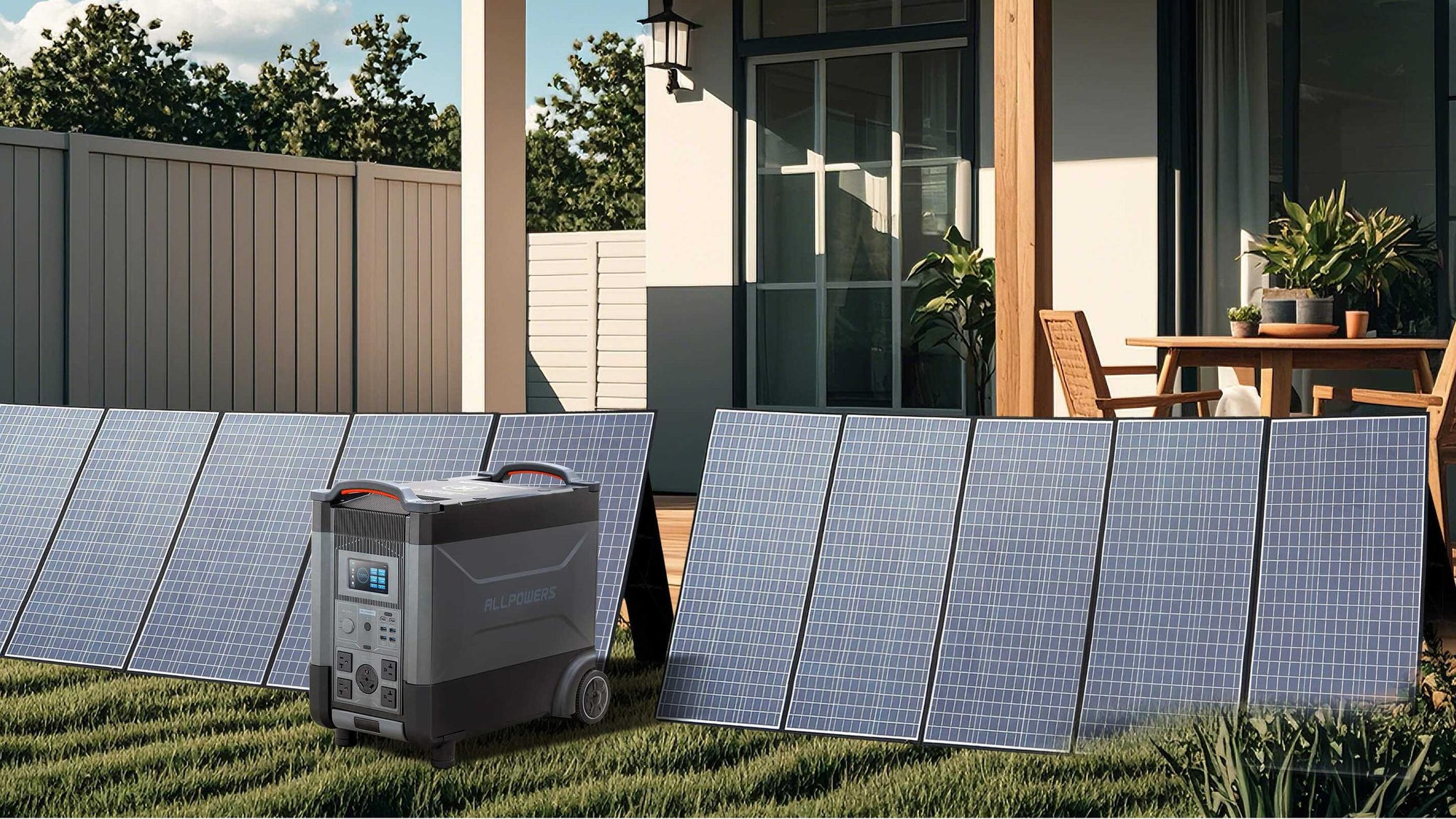
Credit: iallpowers.com
Key Features For Efficiency
Efficiency is key when it comes to powering your home or business with a generator. Understanding the essential features that enhance efficiency can help you maximize performance and reduce costs. Let’s dive into some of these crucial elements that make a generator truly effective.
Automatic Transfer Switches
Automatic Transfer Switches (ATS) are vital for seamless power supply during outages. They detect when the main power source fails and automatically switch to the generator. This feature not only saves you time but also ensures your appliances stay powered without manual intervention.
Imagine your lights flickering during a storm. With an ATS, your generator kicks in before you even notice the outage. This is especially beneficial for sensitive equipment that requires a constant power supply.
Load Management Systems
Load Management Systems help you prioritize which devices receive power during an outage. This means you can avoid overloading your generator while still keeping essential appliances running. By managing your load, you can extend your generator’s runtime and efficiency.
Think about your refrigerator, heating system, and medical devices. These are critical during a power failure. Load management ensures these appliances are powered first, preventing potential damage to your generator.
Energy-saving Modes
Energy-saving modes allow your generator to operate at lower power levels when full capacity isn’t needed. This feature significantly reduces fuel consumption and operating costs. You can enjoy peace of mind knowing your generator isn’t wasting energy.
Consider how often you use all your appliances simultaneously. If you don’t need full power, energy-saving modes can adjust accordingly. This can lead to substantial savings over time, making your generator more economical and environmentally friendly.
Have you evaluated your power needs? Understanding the key features of your generator can lead to smarter choices and enhanced efficiency. Investing in these technologies will pay off in reliability and cost savings.
Fuel Consumption And Costs
Generator Power House can help reduce fuel consumption and costs. By choosing efficient models, users save money while generating power. Understanding fuel efficiency is key to making smart choices for energy needs.
Fuel consumption and costs are crucial factors to consider when choosing a generator for your home or business. Understanding how different fuels affect your budget can help you make an informed decision. This section will break down the various fuel types, their consumption rates, and how they impact overall costs.Diesel Vs Gasoline Consumption
Diesel generators are known for their fuel efficiency. They typically consume less fuel than gasoline generators for the same amount of power output. – Diesel: A diesel generator might consume around 0.5 to 0.7 gallons per hour for every 5 kW of power produced. – Gasoline: On the other hand, a gasoline generator often uses 0.75 to 1.0 gallons per hour for the same power output. This difference can significantly affect your expenses over time. If you’re running a generator for long hours, diesel might be a more economical choice.Propane And Natural Gas Costs
Propane and natural gas offer alternatives that can sometimes be more cost-effective. – Propane: This fuel type typically costs around $2.50 to $3.50 per gallon. A propane generator might consume approximately 1.5 gallons per hour for every 5 kW. – Natural Gas: Generally, natural gas is cheaper, averaging about $1.00 per therm. Consumption rates can vary, but a natural gas generator may use 100 to 150 cubic feet per hour for a similar power output. Consider your local fuel prices when deciding. Propane might be more accessible in rural areas, while natural gas is often easier to use in urban settings.Impact Of Load On Fuel Efficiency
The load on your generator plays a vital role in fuel efficiency. Running a generator at full capacity often leads to better fuel economy. – If your generator operates at 70% load, expect higher fuel consumption. – Operating under low loads can cause inefficient fuel use, increasing costs over time. Think about your power needs. Are you consistently running high-demand appliances, or do you need backup power occasionally? Understanding your usage patterns can help you choose the right generator and fuel type, ultimately saving you money. Choosing the right fuel type can have a substantial impact on your generator’s operating costs. Consider your specific needs, local fuel prices, and the efficiency of your chosen generator. Your wallet will thank you later!
Credit: powerhousebrewery.beer
Powering Essential Appliances
Generators are vital during power outages. They keep our essential appliances running. Knowing how to use a generator correctly is important. This ensures that you maintain comfort and safety.
Prioritizing High-usage Devices
Start with the most important devices. Consider your refrigerator and freezer. They keep food fresh and safe. Next, think about lights for visibility. Ensure you can see clearly during a blackout.
Other key devices include heating or cooling systems. These maintain a comfortable temperature. Also, consider medical equipment if needed. Prioritizing these devices is crucial for your well-being.
Balancing Power Needs
Balance is key when using a generator. Know the wattage of each device. This helps in managing power load effectively. Calculate the total wattage you need to run. Keep your generator’s capacity in mind.
Choose appliances wisely. Use only those that are necessary. This approach saves fuel and extends generator life. Always check the manual for specific guidelines.
Avoiding Overloading Risks
Overloading can damage your generator and appliances. It can lead to serious hazards. Never exceed the generator’s wattage limit. Monitor your devices while in use.
Be aware of signs of overload. Flickering lights or strange noises indicate issues. Turn off non-essential devices to reduce load. Safety comes first when powering your home.
Maintenance And Longevity
Taking care of your generator is key to its performance. Regular maintenance ensures your generator runs smoothly. It also helps to extend its lifespan. Understanding maintenance tasks is important for every generator owner.
Regular Servicing Requirements
Regular servicing keeps your generator in good shape. Schedule services based on usage. Check the user manual for specific intervals. Professional servicing includes checks on electrical systems and fuel lines. Cleaning the components is also essential. A clean generator operates better and lasts longer.
Oil And Filter Changes
Changing the oil is crucial for engine health. Old oil can lead to engine damage. Follow the manufacturer’s recommendations for oil changes. It is often recommended every 50 to 100 hours of use. Don’t forget to change the oil filter too. A new filter prevents dirt from clogging the engine.
Extending Generator Lifespan
Proper care extends the life of your generator. Store it in a dry, safe place. Use a cover to protect it from dust and moisture. Run the generator regularly to keep it in working order. This helps to prevent fuel from degrading. Always check the battery and replace it when needed.
Environmental Considerations
Generators provide power, but they also impact the environment. Understanding these effects is important. This section explores noise levels, carbon emissions, and eco-friendly options.
Noise Levels And Solutions
Generators can be loud. The noise can disturb your peace and the neighbors. Many people dislike the constant humming sound.
To reduce noise, choose a quiet generator. Look for models with noise-reduction features. Using soundproof enclosures can help too. Placing the generator further away from living areas also cuts down noise.
Carbon Emissions
Generators often run on fossil fuels. This creates carbon emissions. These emissions contribute to air pollution and climate change.
Choosing a more efficient generator can lower emissions. Regular maintenance also helps reduce its carbon footprint. Consider using generators with lower emissions ratings. This makes a positive difference for the environment.
Eco-friendly Generator Options
Eco-friendly generators are available. They use alternative energy sources like solar or wind. These options produce little to no emissions.
Battery-powered generators are another choice. They are quiet and efficient. Investing in renewable energy sources helps protect our planet.
Research options that fit your needs. Eco-friendly generators are becoming more common. They offer a cleaner, greener solution for power needs.
Backup Power Planning
Generator power can provide reliable backup during outages. Planning for backup power ensures that homes and businesses stay operational. A generator can supply energy when the grid fails, keeping essential devices running smoothly. Consider your power needs to choose the right generator for your situation.
Backup power planning is crucial for any household, especially in areas prone to outages. Having a reliable generator can ensure your family remains comfortable and safe during unexpected power interruptions. Proper planning allows you to effectively manage energy needs while maximizing the benefits of your generator.Assessing Household Energy Needs
Start by identifying the key appliances you want to keep running during an outage. Consider your refrigerator, heating or cooling systems, and essential electronics. Make a list of these items and check their wattage requirements. Most appliances will have a label indicating their wattage. For instance, a typical refrigerator may require around 600 watts, while a central air conditioning unit can demand over 3,000 watts. Add these values together to get a clearer picture of your total energy needs. This step is vital in ensuring your generator can handle the load.Creating A Power Usage Plan
Once you know your energy needs, prioritize which devices to power. Not all appliances need to run simultaneously. Create a simple plan that outlines which items are essential and which can wait. Here’s a sample plan: – High Priority: Refrigerator, medical equipment, lights – Medium Priority: Phone chargers, TV, computer – Low Priority: Washing machine, dishwasher This structured approach helps you avoid overloading the generator. It ensures that you can keep the most important systems running smoothly.Testing The System Regularly
Regular testing of your generator is key to effective backup power planning. A generator that sits idle for too long may fail when you need it most. Set a schedule to run your generator at least once a month. This allows you to check its performance and recharge the battery if needed. Consider keeping a log of tests and any maintenance performed. This simple action can save you from unexpected failures during a power outage. How confident are you that your backup power plan is ready for action? Assessing your needs, creating a power usage plan, and testing your system regularly ensures you are prepared when the lights go out.
Credit: www.reddit.com
Frequently Asked Questions
Can A Generator Power A Whole House?
Yes, a generator can power an entire house if it’s adequately sized. Generators come in various capacities, and choosing the right one is crucial. A whole-house generator typically ranges from 5,000 to 20,000 watts. Ensure your generator can handle your home’s peak electrical load for optimal performance.
What Size Generator Do I Need For My House?
To determine the size generator needed, calculate your home’s total wattage requirements. Consider essential appliances like refrigerators, HVAC systems, and lights. A good rule of thumb is to sum the wattage of devices you plan to run simultaneously. This will help you select a generator with sufficient capacity.
How Long Can A Generator Run Continuously?
Most portable generators can run for about 8 to 12 hours on a full tank. However, standby generators can operate continuously as long as they have fuel supply. Regular maintenance is essential for optimal performance. Always check the manufacturer’s guidelines for specific runtime details to ensure reliability.
Do I Need A Transfer Switch For My Generator?
Yes, a transfer switch is necessary for safe generator use. It prevents back-feeding electricity into the grid, which can be dangerous. A transfer switch also ensures seamless power transfer during outages. Installing one is crucial for compliance with electrical codes and for your safety.
Conclusion
Generator power can support many needs. It provides electricity during outages. This helps keep homes and businesses running smoothly. Generators come in different sizes and types. Choose one that fits your needs best. Always follow safety guidelines when using a generator.
Understanding how they work makes a difference. Powering your house with a generator is practical. It offers peace of mind in uncertain times. Consider your options wisely. A generator can be a reliable backup for your power needs.