
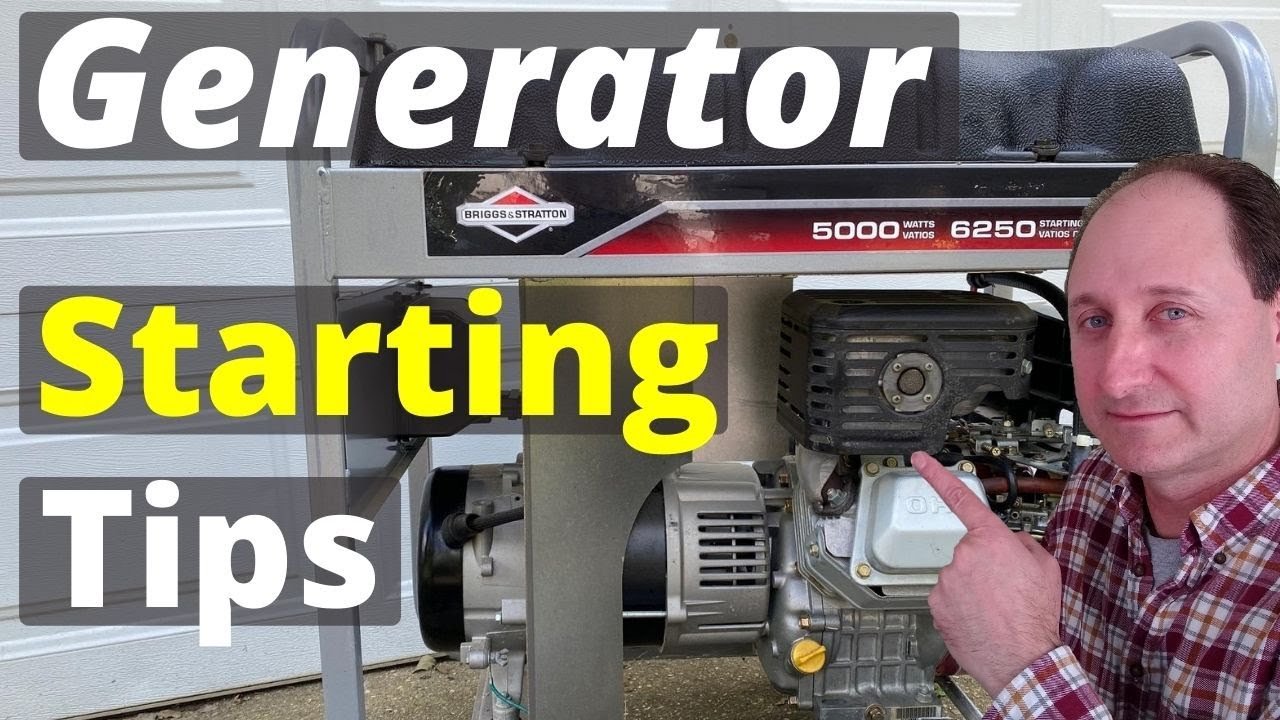
Is your generator struggling to start? You’re not alone.
Many people face this frustrating issue, especially when they need their generator the most. A generator that won’t start can leave you feeling helpless, whether you’re preparing for a power outage or planning a camping trip. But don’t worry—understanding the reasons behind this problem can empower you to fix it quickly and effectively.
We will explore the common causes of a generator that struggles to start and provide practical solutions to get it running smoothly again. Keep reading to regain control and ensure your generator is ready when you need it.
Common Reasons For Startup Issues
Generator starting issues can stem from several common problems. A low fuel level, a dead battery, or dirty spark plugs may prevent it from starting. Regular maintenance can help avoid these frustrating situations.
Understanding why your generator struggles to start can save you time and frustration. Startup issues are often straightforward but can lead to significant problems if ignored. Here are some common reasons for these frustrating startup dilemmas.Empty Or Old Fuel
Fuel is the lifeblood of your generator. If your fuel tank is empty, the engine won’t start. Old fuel can also cause problems. Gasoline can degrade over time, leading to engine performance issues. Always check the fuel level before starting your generator. A simple refuel might be all you need!Clogged Air Filters
Air filters play a crucial role in maintaining your generator’s performance. A clogged air filter restricts airflow, making it hard for the engine to start. Cleaning or replacing the air filter can dramatically improve your generator’s ability to start. Regular maintenance should include checking the air filter. Have you done this recently?Battery Problems
Your generator relies on a battery to start. If the battery is dead or weak, the engine will struggle to crank. Corroded terminals can also prevent proper electrical flow. A quick clean can restore connectivity. Make it a habit to check your battery’s charge regularly. Is your battery in top condition?Oil Levels And Quality
Oil keeps the engine lubricated and running smoothly. Low or dirty oil can lead to startup issues or even engine damage. Check your oil levels before attempting to start your generator. If it’s dark and gritty, it’s time for an oil change. Consistent oil maintenance ensures your generator operates efficiently. When was the last time you checked your oil? Identifying these common issues can help you troubleshoot effectively. Don’t let a stubborn generator ruin your plans. Regular maintenance is key to ensuring your generator starts smoothly every time!
Credit: www.youtube.com
Inspecting The Fuel System
A struggling generator may need a closer look at its fuel system. Check for clogged fuel lines, dirty filters, or empty tanks. Ensuring clean fuel flow can help the generator start smoothly.
Inspecting the fuel system is crucial when your generator struggles to start. A faulty fuel system can lead to frustrating delays, especially during power outages. You’ll want to ensure that fuel flows smoothly and efficiently to keep your generator running. Let’s dive into how you can effectively inspect the fuel system.Checking Fuel Quality
Start by examining the fuel in your generator’s tank. Is it fresh? Old or contaminated fuel can create serious starting issues. If the fuel smells off or has a cloudy appearance, it’s time to replace it. Consider this: I once encountered a generator that wouldn’t start, only to discover that the fuel was over a year old. A quick fuel change and it roared back to life. Always use clean, high-quality fuel to avoid problems down the line.Cleaning Or Replacing The Fuel Filter
Next, inspect the fuel filter. This small component plays a big role in your generator’s performance. A clogged filter can restrict fuel flow, making it hard for your generator to start. If it looks dirty or hasn’t been changed in a while, clean it or replace it. Remember, regular maintenance can prevent these small issues from turning into larger headaches. Have you checked your fuel filter recently? It might be the easiest fix you overlook.Priming The Fuel System
After ensuring fuel quality and a clean filter, it’s time to prime the fuel system. Priming helps push fuel through the lines, eliminating air pockets that can cause starting problems. To do this, locate the primer bulb (if your model has one) and press it several times until you feel resistance. Not every generator requires priming, but if yours does, this simple step can save you time and frustration. Next time your generator struggles to start, remember these steps. Taking a little time to inspect the fuel system can make all the difference.Testing The Spark Plug
Your generator refuses to start, and you suspect the spark plug might be the culprit. Testing the spark plug is a straightforward process that can save you time and headaches. Understanding how to identify issues with this small but crucial component is essential for getting your generator back up and running.
Signs Of A Faulty Spark Plug
How do you know if your spark plug is failing? There are several indicators to watch for:
- Difficulty Starting:If your generator struggles to start or requires multiple attempts, the spark plug could be worn out.
- Rough Idling:A shaky or uneven run while your generator is on can signal spark plug issues.
- Excessive Smoke:Black or blue smoke from the exhaust is a warning sign that the spark plug isn’t firing properly.
- Corrosion or Damage:Visible signs of wear, such as rust or cracks, indicate a spark plug that needs immediate attention.
Have you noticed any of these signs? Ignoring them can lead to more extensive damage down the line.
Cleaning Or Replacing The Spark Plug
Once you’ve identified a faulty spark plug, the next step is deciding whether to clean or replace it. If the plug shows minor signs of wear, cleaning it might be enough.
To clean the spark plug:
- Remove the spark plug using a socket wrench.
- Inspect it for any significant damage.
- Use a wire brush to remove carbon buildup.
- Reinstall it and test your generator.
If cleaning doesn’t do the trick, replacing the spark plug is your best option. Make sure to choose a new plug that matches the specifications of your generator.
Regular maintenance can prevent future issues. Have you checked your spark plug recently? Keeping an eye on it can save you from unexpected generator failures.
Checking The Air Intake
When your generator struggles to start, checking the air intake is a crucial step that can make a significant difference. A clean air intake ensures that your generator receives the right amount of air for combustion. This simple yet often overlooked component can be the reason behind your generator’s stubborn behavior.
Cleaning The Air Filter
The air filter plays a vital role in the generator’s performance. A dirty air filter restricts airflow, making it harder for the engine to start. Regularly cleaning or replacing the air filter can prevent this issue.
- Start by locating the air filter. Refer to your generator’s manual if you’re unsure.
- Remove the filter carefully, making sure not to damage it.
- Use compressed air to blow out dust and debris.
- If the filter is heavily soiled, consider replacing it.
Once the air filter is clean, reinstall it properly. This small task can lead to a noticeable improvement in starting performance. Have you ever experienced starting issues after ignoring the air filter? It’s a common mistake that’s easily fixable.
Inspecting For Blockages
After addressing the air filter, check for any blockages in the air intake system. Blockages can come from dirt, debris, or even insects. Regular inspections can save you from future headaches.
- Examine the air intake for any visible obstructions.
- Inspect the ducts leading to the engine; clear away any buildup.
- Ensure that the area around the intake is clean and free of debris.
Taking these steps will help your generator breathe easier and operate more efficiently. Remember, keeping the air intake clear is as important as maintaining fuel levels. Have you checked your generator’s air intake recently? It might be the key to smooth operation.
Examining Electrical Connections
Electrical connections can affect a generator’s ability to start. Loose or damaged wires may cause issues. Checking these connections is crucial for reliable performance. Regular maintenance helps ensure your generator runs smoothly when needed.
Examining Electrical Connections Electrical connections play a crucial role in your generator’s performance. If your generator struggles to start, checking these connections is essential. A small issue with wiring or battery connections can lead to frustrating problems that prevent your generator from functioning when you need it most.Inspecting Wiring For Damage
Start by visually inspecting the wiring. Look for frayed wires, exposed insulation, or any signs of corrosion. Even a tiny nick in the wire can disrupt the flow of electricity. Use a multimeter to check continuity. This will help you identify any breaks in the circuit. If you find damaged wiring, replace it immediately to avoid further issues. Consider how often you use your generator. If it sits idle for long periods, corrosion can develop. Regular inspections can help you catch these problems early.Ensuring Proper Battery Connections
Next, focus on the battery connections. A loose or corroded battery terminal can hinder your generator’s ability to start. Always ensure the connections are tight and clean. Disconnect the battery and clean the terminals with a wire brush. This simple step can make a significant difference in performance. Are you using the right type of battery? Make sure it meets the specifications recommended for your generator. An incompatible battery may not provide enough power. Taking these steps can save you from unexpected generator failures. A little proactive maintenance goes a long way in ensuring your generator is ready when you need it.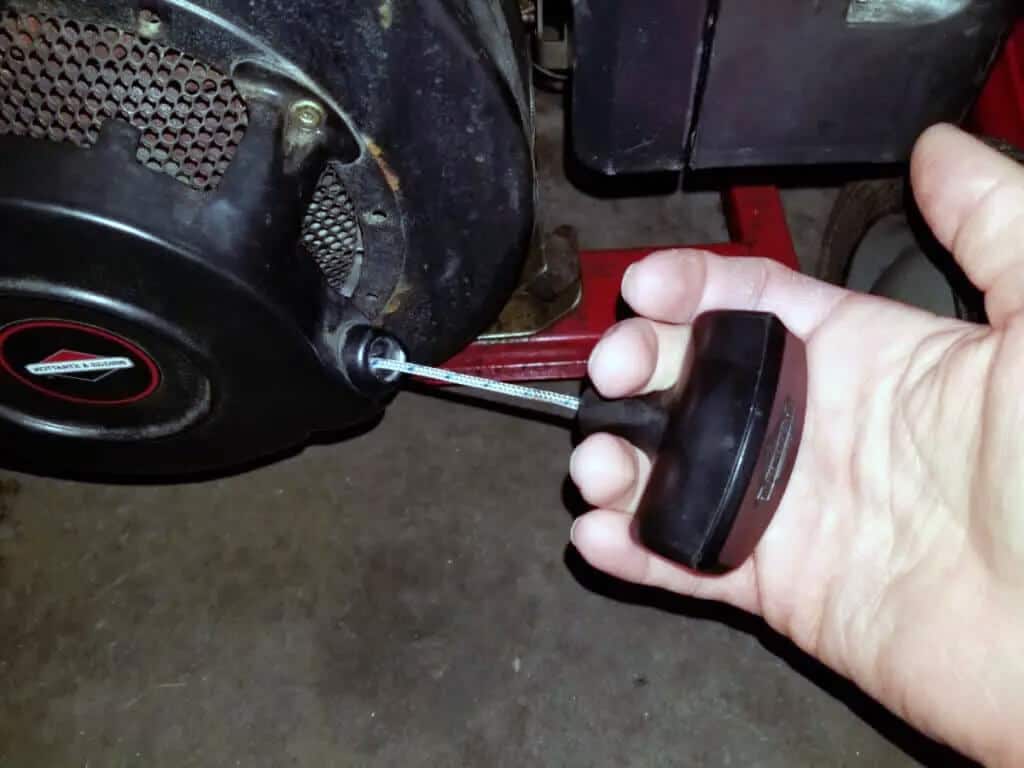
Credit: china-bison.com
Assessing The Starter Mechanism
A generator that struggles to start often points to issues with the starter mechanism. This part is crucial for initiating power. Checking the battery and connections can help identify the problem. Regular maintenance is key to avoiding such troubles in the future.
Assessing the starter mechanism of your generator is crucial when it struggles to start. This area is often the root cause of starting issues. By understanding the two primary types of starter mechanisms—manual and electric—you can quickly diagnose the problem and find a solution.Manual Starter Rope Issues
Manual starters rely on a rope that you pull to engage the engine. If the rope feels stuck or does not retract properly, your generator won’t start. Check for any tangles or frays in the rope. A worn or damaged rope can break easily, leaving you unable to start your generator when you need it most. Make sure the recoil assembly is functioning correctly. If it’s jammed, you might need to disassemble it for cleaning or replacement. Have you ever pulled the starter rope only to feel it go slack? That moment can be frustrating. Inspecting the spring mechanism might reveal the issue. If the spring is broken, it won’t retract, and you’ll need to replace it.Electric Starter Troubles
Electric starters can offer convenience but come with their own set of challenges. A weak or dead battery is often the first culprit. If your generator clicks but doesn’t turn over, check the battery’s voltage. Inspect the connections. Loose or corroded terminals can hinder the power flow. Cleaning the connections can often resolve starting issues. Another common problem is the starter motor itself. If it’s faulty, it may not engage the engine. A quick test can help you determine if the starter motor needs replacement. Think about your own experience. Have you encountered a generator that just wouldn’t start despite your best efforts? Understanding these specific issues can save you time and frustration. Taking a moment to assess the starter mechanism can mean the difference between a smooth start and a headache. What steps will you take today to ensure your generator fires up next time?Preventative Maintenance Tips
Struggling to start your generator can be frustrating. Regular checks on the battery, fuel levels, and oil can help. Clean air filters and spark plugs also ensure better performance. Simple maintenance steps keep your generator running smoothly when you need it most.
Preventative maintenance is key to ensuring your generator runs smoothly. Regular care can save you from frustrating situations when you need your generator the most. Here are some essential tips to keep your generator in top shape.Regular Inspections
Conduct inspections every month. Check for signs of wear and tear, such as loose wires or leaks. It’s easier to address small issues before they become major problems. Look at the oil level and fuel quality. Contaminated fuel can lead to engine problems. Clean any debris around the generator to enhance airflow. Don’t skip checking the battery. A weak battery can prevent your generator from starting. Ensure all connections are tight and free from corrosion.Proper Storage Practices
Store your generator in a dry, cool place. Exposure to moisture can damage internal components. If you live in a humid area, consider using a dehumidifier in your storage space. Cover your generator with a breathable fabric when not in use. This keeps dust and dirt out while allowing moisture to escape. If you won’t use your generator for an extended period, drain the fuel. Stale fuel can clog the carburetor, leading to starting issues later.Scheduled Tune-ups
Set a schedule for professional tune-ups, ideally once a year. Technicians can identify and fix problems that you might overlook. Regular service can extend the life of your generator significantly. During a tune-up, expect to replace the oil, filter, and spark plugs. These small tasks can make a big difference in performance. Consider keeping a maintenance log. Record dates and services performed for easy tracking. This can help you remember when your next service is due and avoid unnecessary delays. Are you ready to give your generator the care it deserves? Take these steps today to ensure reliability when you need it most.
Credit: www.instagram.com
Frequently Asked Questions
Why Is My Generator Struggling To Start?
A generator may struggle to start due to several reasons. Common issues include a low battery, stale fuel, or clogged filters. Check the battery charge and ensure you’re using fresh fuel. Regular maintenance can prevent these problems and ensure smooth operation.
What Are Common Causes Of Generator Starting Issues?
Common causes include fuel problems, electrical issues, or mechanical failures. Stale fuel can lead to clogs, while electrical connections may corrode over time. Additionally, oil levels should be checked regularly. Identifying these issues early can save you from bigger problems later.
How Can I Troubleshoot A Hard-starting Generator?
Start by checking the fuel supply and battery condition. Ensure the fuel is fresh and the battery is fully charged. Inspect the air filter and spark plug for clogs or damage. Following the manufacturer’s maintenance guidelines can help you troubleshoot effectively.
When Should I Call A Professional For Help?
If basic troubleshooting doesn’t resolve the issue, consider calling a professional. Signs that you need expert help include persistent starting problems or unusual noises. Professionals can diagnose deeper mechanical or electrical failures. Regular servicing can also help prevent future issues.
Conclusion
A generator that struggles to start can be frustrating. Identifying the issue early is key. Check the fuel, battery, and connections first. Clean any dirt or debris. Regular maintenance helps prevent these problems. Remember, safety comes first. Always follow the manufacturer’s guidelines.
When the generator runs well, it provides peace of mind. You can be ready for any power outage. Stay prepared and keep your generator in good shape. Taking these steps can make a big difference. Ensure your generator serves you well for years to come.