

Have you ever wondered how often you should start your generator when it’s not in use? This question is more important than you might think.
Regular maintenance can mean the difference between a reliable power source and an unexpected failure when you need it most. Ignoring your generator can lead to issues that may leave you in the dark during an emergency. We’ll break down the simple steps you can take to keep your generator in top shape.
You’ll learn the best practices for running your generator, how often to start it, and tips to ensure it’s ready when you need it. Don’t risk being left powerless—read on to discover the essential care your generator needs. Your peace of mind is just a few minutes away!
Importance Of Regular Generator Maintenance
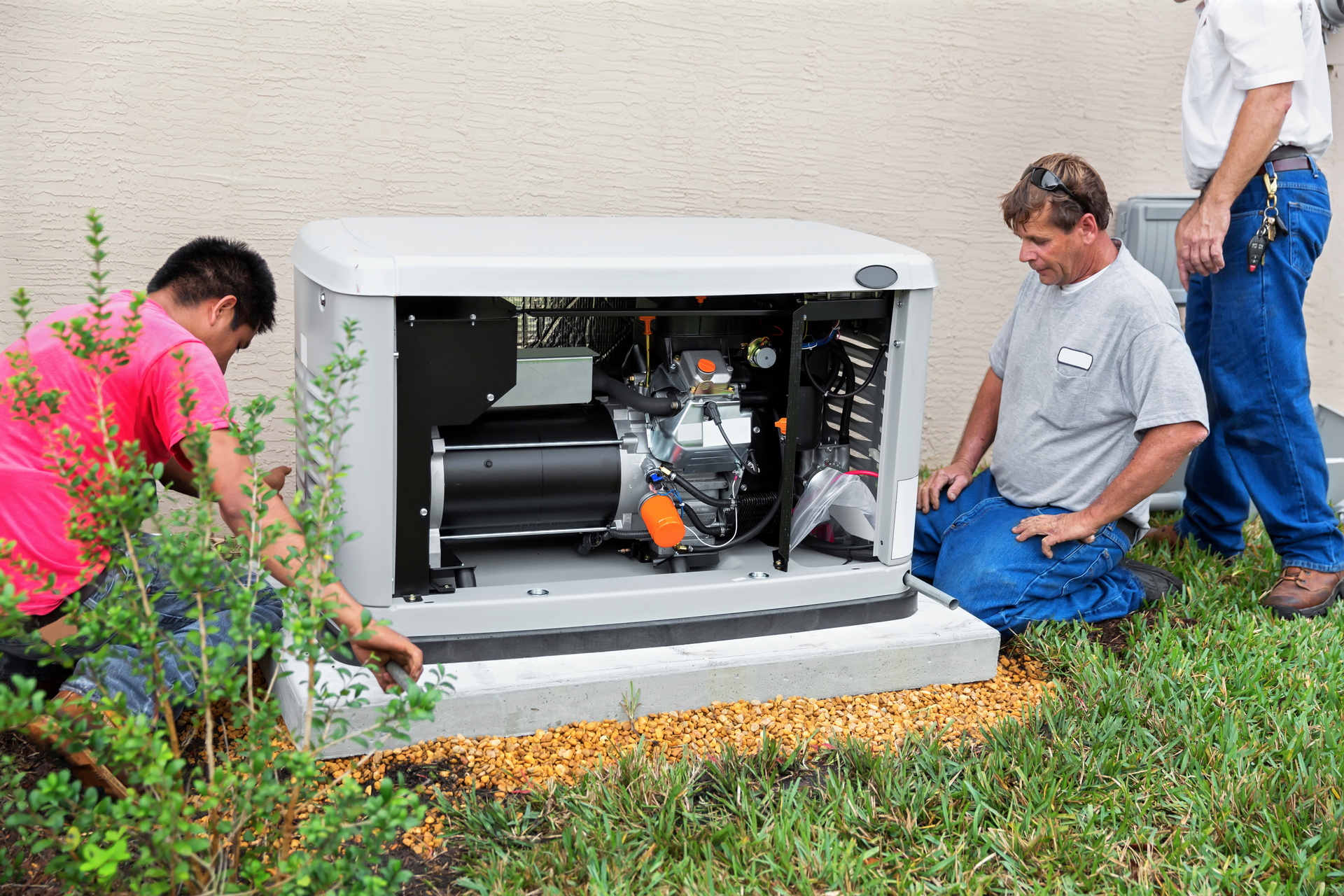
Regular generator maintenance is key for safe and efficient operation. A well-maintained generator lasts longer. It can also perform better when needed. Neglecting maintenance may lead to problems. These issues can be costly and time-consuming.
Keeping your generator in good shape means checking it often. This includes starting it regularly. Doing so helps prevent fuel issues. It also keeps the battery charged. Regular checks can spot small problems before they grow.
Ensures Reliable Performance
Starting your generator often ensures it works when needed. Generators can fail without regular use. A reliable generator gives peace of mind during power outages. You want your generator ready to go at all times.
Prevents Fuel Degradation
Fuel can go bad if it sits too long. Stale fuel can clog the engine. This can lead to poor performance or failure. Running your generator helps keep fuel fresh. It also reduces the risk of damage.
Identifies Potential Issues
Regular use helps find small problems early. Unusual noises or smells may signal trouble. Catching these issues early saves money. It also prevents larger repairs later. Regular checks keep your generator in top shape.
Extends Equipment Lifespan
Well-maintained generators last longer. Regular maintenance reduces wear and tear. This means fewer parts need replacing. Investing time in maintenance pays off in the long run.
Improves Safety
Regular maintenance keeps you and your home safe. A faulty generator can cause fires or carbon monoxide leaks. Keeping up with checks reduces these risks. Safety should always come first with generator use.
Credit: www.affinitygas.com
Impact Of Inactivity On Generators
Generators need regular care to work well. Starting your generator every month helps keep it in good shape. This simple step prevents problems from inactivity and ensures it’s ready when needed.
The impact of inactivity on generators can be more significant than you might think. Leaving your generator unused for extended periods can lead to various issues that affect its performance and lifespan. Understanding these risks is crucial for maintaining your equipment and ensuring it’s ready when you need it most.
Battery Drain Concerns
A generator’s battery is essential for starting it up. If you let your generator sit idle for too long, the battery can drain completely. You might find yourself in a situation where your generator won’t start because the battery is dead. Consider checking the battery voltage every month. This simple step can save you from unexpected failures.
Fuel Degradation Issues
Fuel doesn’t last forever. When left sitting in the tank, it can degrade and become less effective. Old fuel can lead to starting issues and can even damage your generator’s engine. Using a fuel stabilizer can help extend the life of your fuel. It’s a small investment that can save you big headaches later.
Moisture And Corrosion Risks
Inactivity can lead to moisture buildup inside the generator. This moisture can cause corrosion, which damages internal components. Even a small amount of rust can lead to significant repairs down the line. Regularly running your generator helps prevent moisture accumulation. Aim for a monthly run to keep everything in top shape. Taking these factors into account can keep your generator in good working order. How often do you check your generator’s battery, fuel, and moisture levels? Regular maintenance not only extends the life of your equipment but also ensures peace of mind when you need it most.
Optimal Frequency For Starting A Generator
Understanding the optimal frequency for starting your generator when it’s not in use is crucial for ensuring its longevity and reliability. Many people overlook this maintenance step, assuming that generators are simply ready to go when needed. However, regular start-ups can keep your generator in top shape and prevent unexpected failures.
Weekly Start-up Recommendations
For most homeowners, starting your generator once a week is a solid rule. This practice helps circulate the fuel and lubricate the engine components.
- Turn on the generator for about 15 to 30 minutes.
- Check for any unusual noises or leaks during this time.
- Make sure the battery is charging properly.
Weekly starts also allow you to identify potential issues early. You might find that a battery isn’t holding a charge or that the oil level is low. Addressing these problems now can save you time and trouble later.
Monthly Run Practices
In addition to weekly starts, performing a more thorough check monthly is beneficial. During these monthly sessions, run the generator for at least 30 minutes to an hour.
- Let it run under a load if possible to simulate real-world conditions.
- Inspect the fuel and oil levels, and change the oil if necessary.
- Clean or replace filters as needed to ensure efficient operation.
These monthly checks provide a chance to get familiar with your generator’s sounds and performance. You’ll easily spot any changes that could indicate a problem.
Seasonal Checks And Adjustments
Every season, take a moment to perform a comprehensive inspection of your generator. This ensures it’s ready for the demands of the upcoming weather.
- Check fuel stability; consider using fuel stabilizer if storing for long periods.
- Inspect all connections and components for wear and tear.
- Test the transfer switch and any other accessories you plan to use.
Seasonal checks are especially important before storm season or winter. You want to be confident that your generator will be reliable when you need it most.
What steps will you take to ensure your generator remains ready for action? Remember, a little effort now can save you a lot of hassle later!
Best Practices For Running Idle Generators
Keeping your generator in good shape while it’s not in use requires regular maintenance. Running it occasionally can help ensure its reliability when you need it most. Here are some best practices for running idle generators that can help prolong their lifespan and maintain performance.
Duration Of Each Run
Running your generator for a brief period is crucial. Aim for at least 30 minutes to an hour during each session. This timeframe allows the engine to reach optimal operating temperature, ensuring that moisture and fuel deposits are burned off.
Consider scheduling these runs every month. This routine can help keep your generator ready for unexpected power outages. If you notice any unusual sounds during operation, it’s time to troubleshoot the issue.
Load Testing For Performance
Load testing is essential to verify that your generator can handle its intended load. During your monthly runs, connect a load that is at least 30% of the generator’s rated capacity. This practice helps identify any performance issues before they become serious problems.
Think about your generator’s purpose. If it’s meant to power your home during outages, ensure it can handle essential appliances like refrigerators and HVAC systems. A well-tested generator is a reliable generator.
Monitoring Key Components
While running your generator, keep an eye on its key components. Check the oil levels, coolant, and fuel quality regularly. If you notice any leaks or irregularities, address them immediately.
Additionally, look for signs of wear and tear on belts and hoses. Taking these proactive steps can save you from costly repairs in the future. Have you ever experienced a generator failure at the worst possible time? Regular monitoring can help you avoid that frustrating situation.
Staying consistent with these practices will help ensure your generator is always ready to go when you need it the most. A little effort can lead to a lot of peace of mind.
Signs Your Generator Needs Immediate Attention
Generators need care too. Regularly starting your generator, even when not in use, helps keep it in good shape. Signs of trouble include strange noises, difficulty starting, or a leaking fuel tank. Paying attention to these signs can save you from bigger problems later.
Recognizing the signs that your generator needs immediate attention is crucial for maintaining its efficiency and longevity. Ignoring these signs can lead to costly repairs or even total failure when you need your generator the most. Here are some key indicators that something may be wrong.
Unusual Noises Or Vibrations
Your generator should operate smoothly and quietly. If you start hearing strange noises, it’s time to investigate. – Grinding or clanking sounds could indicate loose parts or serious internal damage. – Excessive vibrations can signal misalignment or unbalanced components. Trust your instincts. If it doesn’t sound or feel right, it probably isn’t.
Difficulty Starting The Engine
A reliable generator should start up without a hassle. Struggling to get it going is a clear red flag. – If you find yourself needing multiple attempts to start the engine, check the battery and fuel levels first. – Consistent starting issues might point to problems with the ignition system or fuel delivery. Consider how frustrating it is to rely on a generator that won’t cooperate. Are you willing to gamble on its performance?
Sudden Power Output Issues
If your generator is suddenly unable to provide consistent power, it’s time to take action. – Flickering lights or fluctuating voltage can indicate that the generator is not functioning correctly. – If it shuts down unexpectedly or struggles to handle the load, seek professional help. Think about the last time your generator failed to deliver power during a critical moment. How did that impact you? It’s better to be proactive than reactive. Stay attentive to these warning signs, and you can avoid bigger problems down the line. Regular maintenance can be the difference between a reliable generator and one that leaves you in the dark.
Credit: www.gentent.com
Tips For Long-term Storage
Proper care is vital for your generator during long-term storage. Following these tips helps keep your generator ready for use. Simple steps can make a big difference. Let’s explore how to store your generator effectively.
Fuel Stabilization Techniques
Fuel can degrade over time. This affects generator performance. Use fuel stabilizers to keep your gas fresh. Add the stabilizer to the fuel tank. Run the generator for a few minutes. This helps mix the stabilizer with the fuel.
Consider draining the fuel tank if you store it for a long time. Empty fuel tanks prevent residue build-up. Always check local regulations for proper disposal methods.
Proper Battery Maintenance
Generators rely on batteries for starting. A dead battery means your generator won’t work. Remove the battery for long storage. Keep it in a cool, dry place.
Charge the battery every few months. This keeps it in good condition. Inspect the terminals for corrosion. Clean them if necessary. A healthy battery ensures your generator starts when needed.
Safe Storage Environment
Choose a dry and cool area for storage. Avoid direct sunlight or extreme temperatures. Cover the generator with a breathable tarp. This protects it from dust and moisture.
Store the generator in a well-ventilated space. This prevents overheating. Keep it away from flammable materials. Safety is key when storing your generator.
Expert Advice For Ensuring Longevity
Keeping your generator in good shape is important. Regular use helps it last longer. Experts suggest a few key tips to ensure your generator remains reliable.
Run Your Generator Monthly
Start your generator at least once a month. Let it run for 20 to 30 minutes. This keeps the battery charged and prevents fuel from going stale. It helps all parts stay lubricated too.
Check Fuel Quality
Use fresh fuel in your generator. Old fuel can cause problems. If you store fuel, add a stabilizer. This keeps fuel effective for a longer time.
Inspect The Oil Level
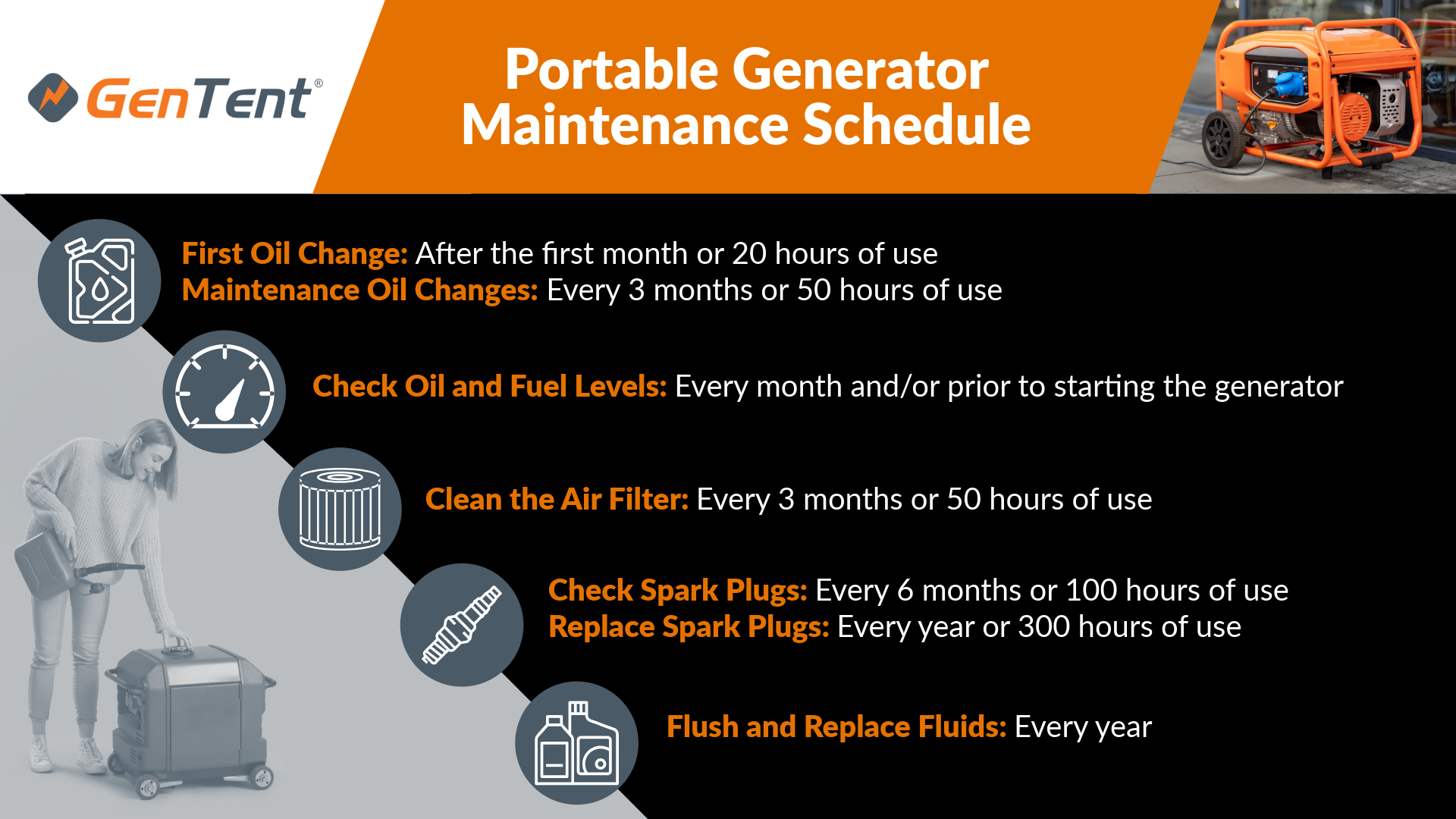
Regularly check the oil level. Low oil can damage the engine. Change the oil after every 50 hours of use. This keeps your generator running smoothly.
Clean The Air Filter
Inspect and clean the air filter often. A clean filter allows better airflow. This improves efficiency and performance. Replace the filter every year for best results.
Test Safety Features
Test the safety features regularly. Check the circuit breakers and emergency shutoff. This ensures your generator works safely in emergencies.
Store Properly
Store your generator in a dry, clean place. Protect it from extreme weather. Cover it to prevent dust and debris buildup. Proper storage extends its life.
Frequently Asked Questions
How Often Should I Run My Generator?
It’s recommended to run your generator every month, even if not in use. This helps keep the engine lubricated and ensures it functions properly when needed. Running it for about 30 minutes allows the fuel to circulate and prevents stale gas from causing issues.
What Happens If I Don’t Start My Generator?
Failing to start your generator can lead to several problems. Fuel can become stale, leading to engine difficulties. The battery may also lose charge, making it hard to start. Regular operation helps maintain the generator’s overall health and reliability for emergency use.
Can I Run My Generator For Too Long?
Yes, running a generator continuously can cause overheating. Most generators are designed for intermittent use, often recommended for 8-12 hours at a time. Always follow the manufacturer’s guidelines to prevent damage and ensure safety during operation.
Is It Necessary To Use Stabilizer Fuel?
Using a fuel stabilizer is highly recommended for long-term storage. It helps prevent fuel breakdown and keeps the engine running smoothly. This can save you from costly repairs and ensure your generator is ready when you need it most.
Conclusion
Starting your generator regularly helps keep it in good shape. Aim for once a month. This simple task can prevent future problems. Running it for a short time is enough. Check the fuel and oil levels too. Taking these steps ensures your generator works when needed.
A well-maintained generator offers peace of mind. Stay prepared for power outages. Remember, regular care is key to longevity. Keep your generator ready for any situation.