
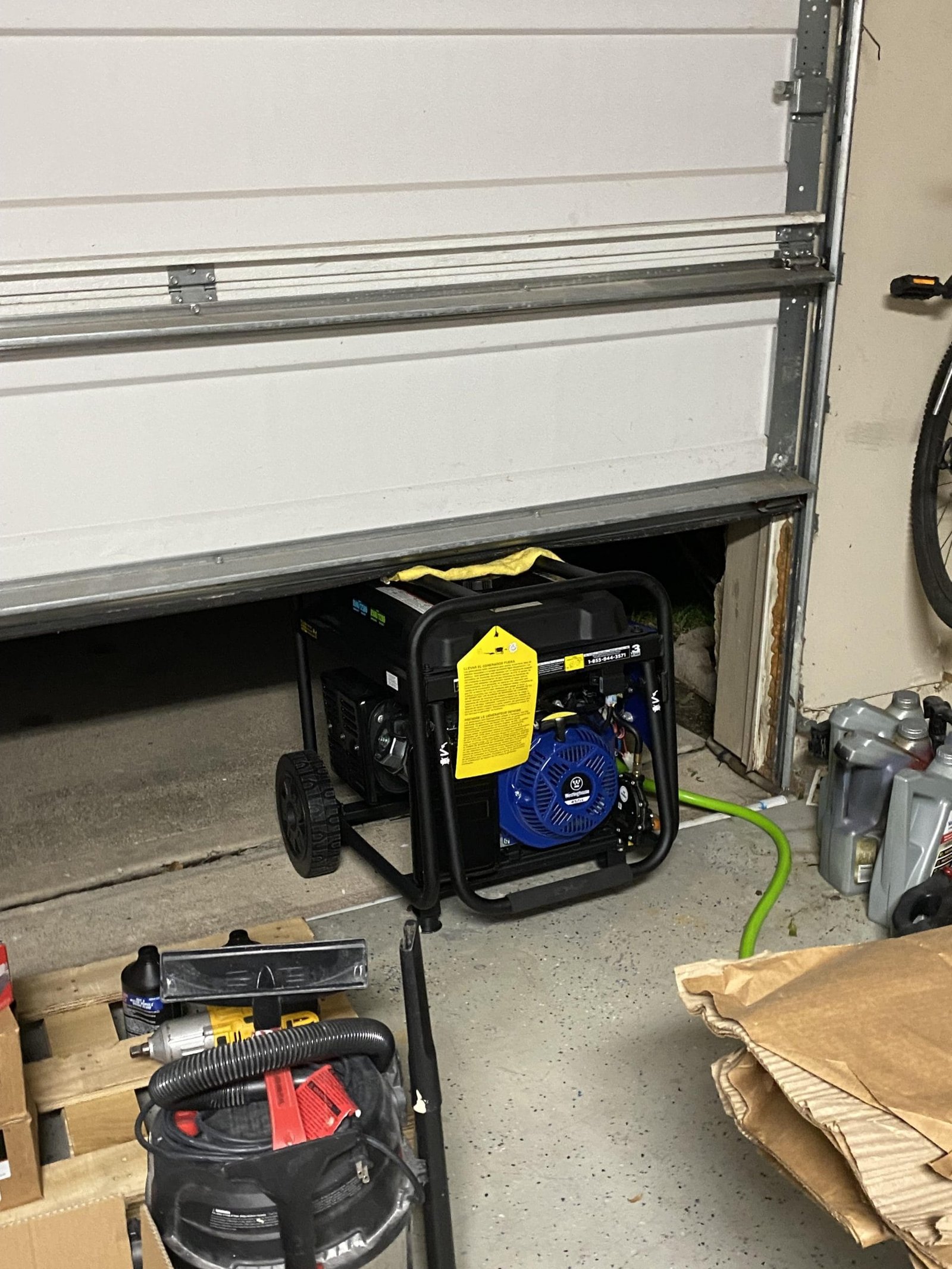
When the power goes out, a generator can be a lifesaver. But if you’re considering putting your generator in the garage, you might be wondering if that’s a safe choice.
Can you really store it there? What are the risks involved? You need clear answers to ensure your safety and the safety of your home. We’ll dive into the do’s and don’ts of keeping a generator in your garage. You’ll discover the potential dangers, learn about proper ventilation, and find out how to keep your generator in top shape.
By the end, you’ll feel confident making the right decision for you and your family. Let’s get started!
Credit: www.reddit.com
Why Generators In Garages Can Be Risky
Storing a generator in a garage might seem convenient. It offers protection from weather and theft. However, this practice can pose serious risks. Understanding these dangers is crucial for safety.
Carbon Monoxide Poisoning
Generators produce carbon monoxide (CO). This gas is colorless and odorless. It can build up quickly in enclosed spaces. Even a small amount can be deadly. Keeping a generator in a garage increases CO risk.
Fire Hazards
Generators can overheat and catch fire. Garages often contain flammable materials. Gasoline, paint, and oil can ignite. This creates a dangerous situation. Fires can spread rapidly in a closed area.
Ventilation Issues
Proper ventilation is essential for generator use. Garages usually lack sufficient airflow. Without ventilation, harmful gases accumulate. This can lead to health problems and unsafe conditions.
Noise Pollution
Generators can be loud. Operating one in a garage can amplify the noise. This can disturb your family and neighbors. It may also affect your peace and quiet.
Access And Maintenance Problems
Storing a generator in a garage can limit access. You may have to move items to reach it. Regular maintenance becomes harder. This can lead to neglect and safety issues.
Understanding Carbon Monoxide Risks
Using a generator in a garage can be dangerous. Carbon monoxide (CO) is a silent killer. It is colorless and odorless. Many people do not realize the risks. Understanding these risks is crucial for safety.
How Carbon Monoxide Is Produced
Generators produce carbon monoxide during operation. This gas comes from burning fuel. Gasoline, propane, and diesel are common fuels. When these fuels burn, CO is released. Even small amounts can be harmful.
In a closed space like a garage, CO can build up quickly. Poor ventilation makes the problem worse. The gas can reach dangerous levels in minutes. This is why using a generator indoors is unsafe.
Health Dangers Of Exposure
Carbon monoxide exposure can cause serious health issues. Symptoms include headache, dizziness, and nausea. Many people mistake these symptoms for other illnesses.
High levels of CO can lead to unconsciousness. Prolonged exposure can be fatal. Vulnerable groups, like children and elderly, are at greater risk. Protecting yourself from CO is essential.
Installing CO detectors in your home is important. These devices can alert you to dangerous levels. Always prioritize safety when using a generator.
Fire Hazards To Consider
Keeping a generator in the garage poses fire risks. Gasoline and other fuels are flammable. Heat can build up quickly in enclosed spaces. Proper precautions are crucial for safety.
Fuel Storage Concerns
Fuel is often stored near generators. Gasoline can spill or leak. This creates a dangerous situation. Store fuel in approved containers.
Always keep fuel away from heat sources. Avoid storing fuel in the garage. Consider outdoor storage for added safety.
Potential For Overheating
Generators can overheat in small spaces. Restricted airflow increases this risk. A hot generator can ignite nearby materials.
Ensure proper ventilation in the area. Keep the generator away from flammable items. Regular maintenance helps prevent overheating.
Proper Ventilation For Generators
Proper ventilation for generators is crucial for safety. Generators produce harmful gases. These gases can build up quickly in a closed space. Good airflow helps prevent dangerous situations. Knowing how to ventilate a generator properly is essential.
Why Open Windows Aren’t Enough
Open windows may seem helpful, but they often aren’t enough. Wind patterns can change. A slight breeze can push gases back inside. This can lead to carbon monoxide poisoning. Even a small amount of this gas is dangerous. It can cause serious health issues or even death.
Generators need fresh air to run safely. Just opening a window won’t provide enough. You must ensure a steady flow of air. Relying solely on open windows is risky.
Alternative Ventilation Solutions
Consider other ways to ventilate your garage. Install vents that allow for constant airflow. Exhaust fans can help push out harmful gases. They pull in fresh air while expelling the bad air.
Using a carbon monoxide detector is also wise. This device alerts you to dangerous gas levels. It adds an extra layer of safety. Make sure to check it regularly.
Think about using a dedicated outdoor generator enclosure. These units are designed for safety. They keep the generator outside while protecting it from the elements.
Proper ventilation is not just a suggestion. It’s a necessity. Take the time to ensure safety when using a generator in your garage.
Safe Placement Of Generators
Placing a generator in a garage can be dangerous. Generators produce harmful carbon monoxide. Always keep them outdoors in a well-ventilated area. Safety first!
Safe placement of generators is crucial for ensuring safety and efficiency. Many homeowners wonder whether they can keep a generator in the garage. While it might seem convenient, there are critical safety concerns to consider.Outdoor Vs. Indoor Placement
Placing your generator outdoors is the safest option. Generators emit carbon monoxide, a colorless, odorless gas that can be deadly in enclosed spaces. Consider this: a neighbor of mine learned the hard way. He stored his generator in the garage, thinking it would be protected from the elements. A few hours later, he experienced symptoms of carbon monoxide poisoning. Always prioritize outdoor placement. If you must use it indoors, ensure proper ventilation and install a carbon monoxide detector.Recommended Minimum Distances
If you choose outdoor placement, keep your generator at least 20 feet away from windows, doors, and vents. This distance prevents exhaust fumes from entering your home. Here’s a quick checklist to follow: – 20 feet from any door, window, or vent – 5 feet from any flammable materials – 3 feet of clearance on all sides for airflow Consider your neighbors, too. Keeping your generator away from their property line can reduce noise and fumes. You want to be a good neighbor while ensuring your safety. By placing your generator thoughtfully, you protect your home and family. What precautions are you taking for your generator safety?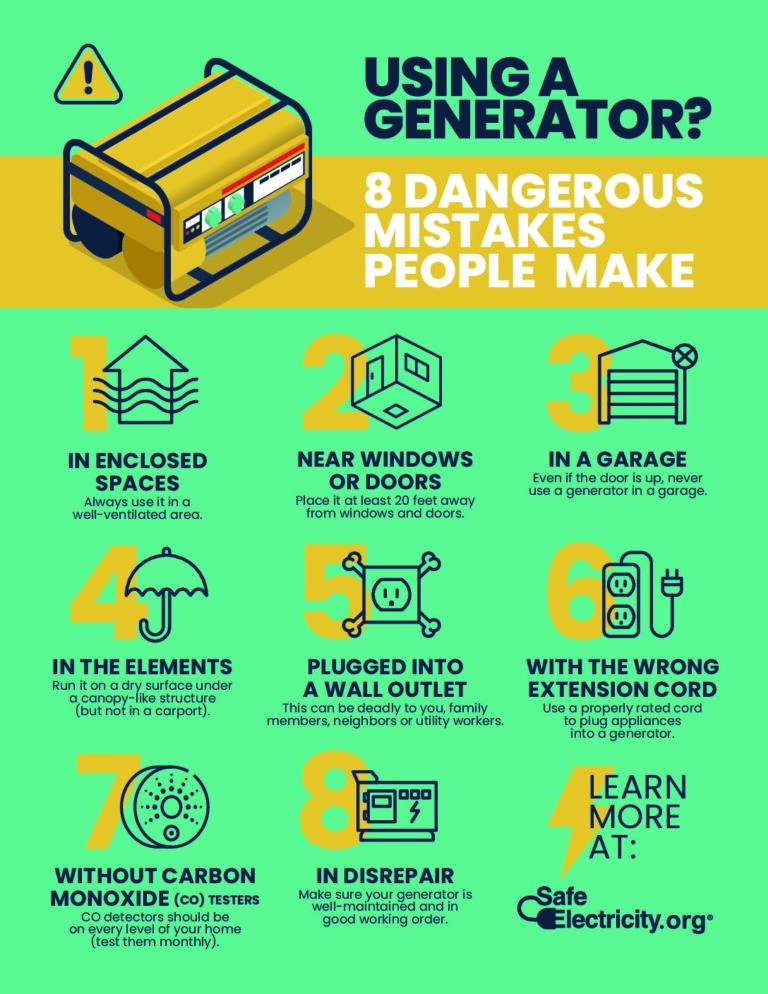
Credit: www.jpenergy.com
Essential Safety Equipment
Generators can provide power during outages, but safety is key. Placing a generator in a garage is risky due to carbon monoxide buildup. Always use generators outdoors, away from windows and doors, to ensure safe operation and protect your home.
Safety equipment is essential for preventing accidents.
Safety should always be your top priority when using a generator, especially if you’re considering placing it in your garage. Having the right safety equipment is crucial to prevent hazardous situations. Let’s discuss two essential items that can safeguard you and your family: carbon monoxide detectors and fire extinguishers.Carbon Monoxide Detectors
Carbon monoxide (CO) is a silent killer. It’s colorless, odorless, and can build up rapidly in enclosed spaces. If you decide to keep your generator in the garage, installing a carbon monoxide detector is non-negotiable. These detectors alert you to dangerous levels of CO. Make sure to place them near sleeping areas for maximum safety. Test them monthly to ensure they work properly. Consider investing in a model with a digital display. This feature shows real-time CO levels, giving you peace of mind. Have you thought about where you would place your carbon monoxide detector?Fire Extinguishers And Their Importance
A fire can start unexpectedly, especially with a generator running nearby. Having a fire extinguisher on hand can be the difference between a small scare and a full-blown emergency. Choose a multi-purpose extinguisher labeled “ABC.” This type can handle different kinds of fires, including those caused by flammable liquids and electrical equipment. Keep it accessible and make sure everyone in your home knows its location. Regularly check the pressure gauge and make sure it’s fully charged. Do you know how to use a fire extinguisher? Familiarizing yourself with the PASS technique—Pull, Aim, Squeeze, and Sweep—can be lifesaving. Taking these precautions can help ensure that your generator use remains safe and effective. Prioritize safety equipment and protect your home from potential hazards.Generator Maintenance Tips
Storing a generator in a garage can pose risks. Generators produce carbon monoxide, which is harmful indoors. Always ensure proper ventilation if you must keep it inside. Regular maintenance is key for safety and performance. Check oil levels, clean air filters, and inspect fuel lines often.
Generator maintenance is essential to ensure your equipment runs efficiently and lasts for years. Proper care not only enhances performance but also keeps your space safe. Here are some practical tips to help you keep your generator in top shape.Routine Inspections
Regular inspections can save you from unexpected breakdowns. Check your generator every month to ensure everything is in working order. Look for:- Loose or damaged parts
- Corrosion or rust on metal surfaces
- Clearance around the generator
Avoiding Fuel Leaks
Fuel leaks can be a serious hazard, especially in a garage. Always check for leaks before starting your generator. Inspect hoses and connections regularly. Replace any damaged parts immediately. When storing fuel, use approved containers and never keep it in the garage. Have you ever faced a fuel leak? The smell alone can be alarming. Maintaining a clean, dry area around your generator is crucial to prevent accidents. Adopting these maintenance tips will lead to a safer and more reliable generator, giving you peace of mind when you need power the most.Emergency Preparedness
Generators can provide power during emergencies, but safety is key. Placing a generator in a garage poses risks like carbon monoxide buildup. Always keep generators outside and away from windows or doors for safe operation. Proper ventilation is essential for safety and effective use.
Emergency preparedness is crucial for anyone who relies on a generator, especially during power outages or natural disasters. Many people wonder if they can safely store and operate a generator in their garage. While it might seem convenient, understanding the risks and necessary precautions is vital to ensure safety for you and your loved ones.Creating A Safety Plan
Start by assessing your garage space. Is it well-ventilated? Generators emit harmful gases, so proper airflow is essential. If your garage lacks ventilation, consider relocating the generator to a safer outdoor area. Establish a clear emergency plan. Identify the steps you will take during a power outage. Make sure everyone in your household knows how to safely operate the generator and where it is stored. Include contact information for local emergency services and your utility company. This information can be a lifesaver during an emergency.What To Do In Case Of Carbon Monoxide Exposure
Carbon monoxide (CO) is a silent killer. It’s odorless and colorless, making it hard to detect without a CO detector. If you suspect CO exposure, act quickly. First, move everyone to fresh air immediately. Open windows and doors to ventilate the area. Next, call emergency services. Even if symptoms seem mild, it’s best to get checked out. Symptoms of CO poisoning include headache, dizziness, weakness, and confusion. Regularly check your CO detectors and replace batteries as needed. This simple step can provide peace of mind when using your generator. Taking these precautions ensures that your generator serves its purpose without endangering your safety. Are you prepared for an emergency?
Credit: www.reddit.com
Frequently Asked Questions
Can A Generator Be Stored In A Garage?
Yes, you can store a generator in a garage, but safety precautions are essential. Ensure proper ventilation to prevent carbon monoxide buildup. It’s also important to keep the generator dry and away from flammable materials. Regular maintenance will prolong its life and ensure safe operation.
What Are The Risks Of Putting A Generator In A Garage?
The main risks include carbon monoxide poisoning and fire hazards. Generators produce toxic exhaust gases that can accumulate in enclosed spaces. Additionally, if fuel spills occur, they can ignite easily. Always prioritize safety by using generators outdoors or in well-ventilated areas.
How To Safely Use A Generator In A Garage?
To use a generator safely in a garage, ensure proper ventilation. Open doors and windows to allow fresh air circulation. Use exhaust fans if necessary. Also, keep the generator at least five feet away from walls to prevent heat buildup and maintain a safe distance from flammable materials.
What Are The Best Outdoor Generator Storage Options?
The best outdoor storage options include weather-resistant sheds or generator enclosures. These protect the generator from rain, snow, and UV rays. Ensure the storage area has good airflow to prevent overheating. Use a cover specifically designed for generators to safeguard it from dust and debris.
Conclusion
Storing a generator in your garage has risks. The buildup of carbon monoxide can be deadly. Proper ventilation is crucial for safety. Consider outdoor storage or a well-ventilated area instead. Always follow local laws for generator use. Safety should be your top priority.
Keeping your generator in a safe spot protects you and your family. Make informed choices to ensure your safety. Remember, safety first when using a generator.