
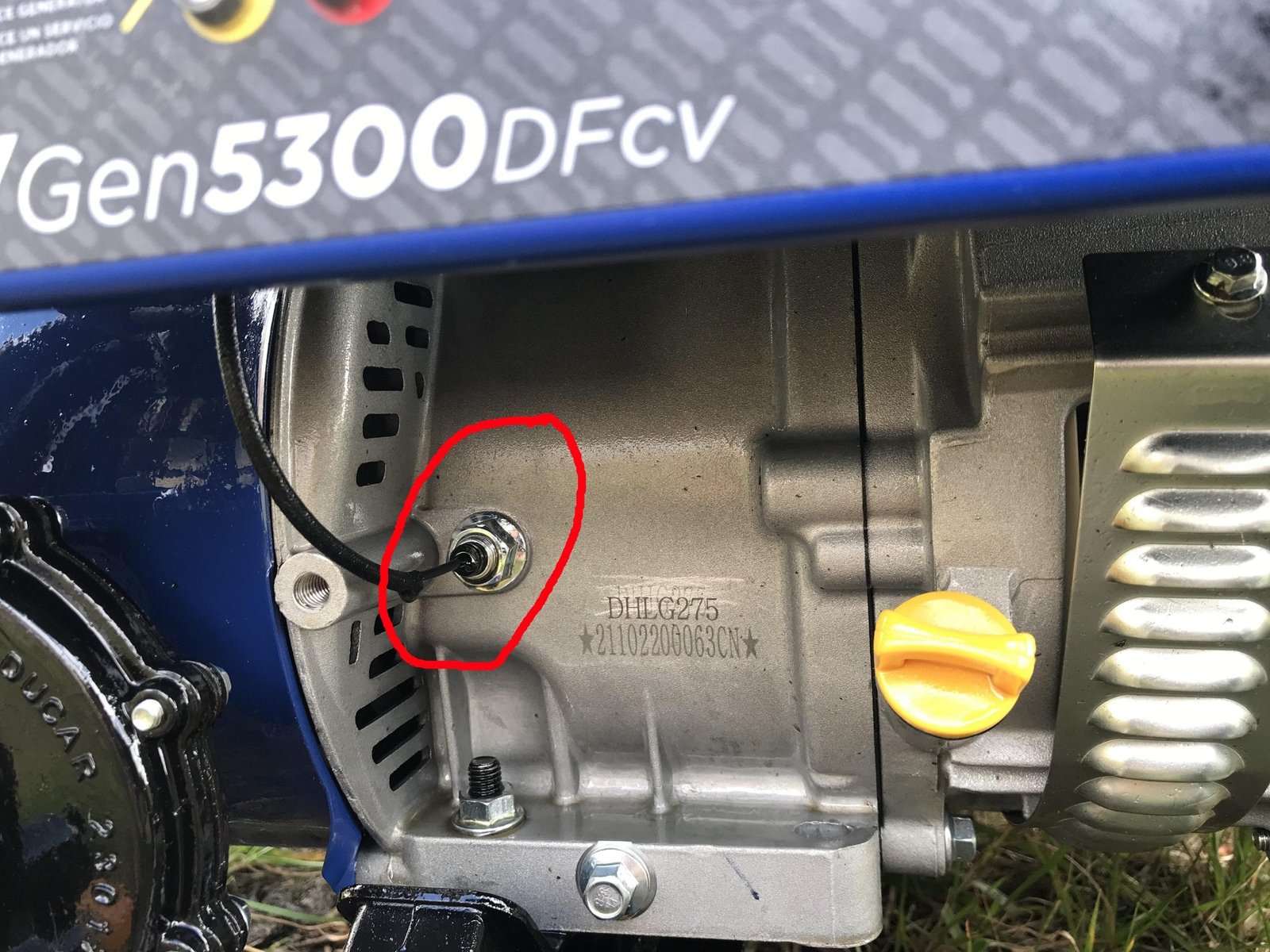
If you’ve noticed oil pooling beneath your generator, you’re not alone. Many generator owners face this frustrating issue.
But why does it happen? Understanding the reasons behind an oil leak is crucial for maintaining your generator’s efficiency and longevity. You’ll discover the common causes of oil leaks and what steps you can take to fix them. You’ll also learn how to prevent future leaks, saving you time and money.
Don’t let an oil leak disrupt your power supply. Read on to find out how to keep your generator in top shape.

Credit: www.youtube.com
Common Areas For Oil Leaks
Oil leaks in generators can cause big problems. Knowing where these leaks happen helps with quick fixes. Here are the common areas where oil leaks occur.
Seals And Gaskets
Seals and gaskets are key parts of a generator. They keep oil inside. Over time, they can wear out. Cracks or tears form, leading to leaks. Check these areas regularly. Replace damaged seals and gaskets to prevent oil loss.
Oil Drain Plug
The oil drain plug is essential for maintenance. It helps drain old oil. Sometimes, it can become loose. A loose drain plug causes oil to leak. Always ensure the plug is tight after changing the oil. Inspect it for wear and tear as well.
Crankcase Ventilation
The crankcase ventilation system controls pressure. It prevents oil from leaking. If this system is blocked or damaged, it can cause leaks. Regular cleaning helps maintain its function. Ensure proper airflow to avoid oil loss.
Oil Filter Issues
The oil filter cleans the oil. If it gets clogged, it can leak. An improperly installed filter also causes problems. Check the filter during maintenance. Replace it if it shows signs of wear. This simple step can prevent major leaks.
Causes Of Oil Leaks
Oil leaks in generators can cause serious issues. Understanding the causes helps you fix them quickly. Let’s explore the common reasons behind oil leaks.
Worn-out Gaskets And Seals
Gaskets and seals are vital for preventing oil leaks. Over time, they wear out. Heat and pressure can cause them to crack. This leads to oil seeping out. Regular checks can help catch these issues early.
Overfilled Oil Reservoir
Too much oil in the reservoir can create pressure. This pressure forces oil out of the engine. It often escapes through seals and gaskets. Always check oil levels before starting your generator.
Loose Or Damaged Components
Loose bolts and damaged parts can cause leaks. Vibration from the generator can loosen connections. Inspect all components regularly. Tighten any loose parts to prevent oil from escaping.
Clogged Breather Valve
A clogged breather valve can trap pressure inside the engine. This buildup can push oil out through weak spots. Keep the breather valve clean to ensure proper airflow. Regular maintenance is key to avoiding this problem.
Signs Of An Oil Leak
Oil leaks in generators can signal serious issues. Common signs include dark spots on the ground or a burning smell. These leaks often happen due to worn gaskets, loose fittings, or damaged seals. Regular checks can help catch problems early.
Recognizing the signs of an oil leak in your generator is crucial for its maintenance and your peace of mind. Ignoring these indicators can lead to more significant problems, including engine damage. Let’s take a closer look at some common signs that your generator may be leaking oil.Visible Oil Spots
One of the first signs of an oil leak is the appearance of oil spots. Check the ground under your generator regularly. If you notice dark, greasy spots, it’s a clear indication that oil is leaking. These spots can vary in size and location, but they often indicate where the leak is originating from.Low Oil Levels
Have you checked your oil levels lately? If you find that your generator’s oil level is consistently low, it could be due to an oil leak. Regularly monitoring oil levels can help you catch leaks early. Make it a habit to check the dipstick before each use. This simple step can save you from unexpected breakdowns.Unusual Engine Smoke
Smoke coming from your generator should never be ignored. If you see unusual smoke, especially a bluish tint, it might mean that oil is burning in the engine. This situation often points to a leak that needs immediate attention. Don’t hesitate to shut down the generator and investigate.Burning Oil Smell
A strong, acrid smell of burning oil is another sign that something is wrong. If you catch a whiff of this odor while the generator is running, it’s a signal to take action. This smell often indicates that oil is leaking onto hot engine parts. Ignoring this could lead to more severe damage and costly repairs. By staying vigilant and addressing these signs early, you can maintain your generator and extend its lifespan. What steps will you take today to ensure your generator runs smoothly?Fixing Oil Leaks
Oil leaks in generators can be frustrating, leading to potential damage if left unchecked. Fixing these leaks is crucial to keeping your generator running efficiently. Let’s explore some practical steps you can take to address oil leaks effectively.
Replacing Worn-out Seals
Over time, seals can wear out, causing oil to escape. Inspect the seals around the oil pan, crankcase, and other joints. If you notice any cracks or degradation, replace them promptly.
Choosing high-quality seals can make a significant difference. Make sure to clean the surfaces thoroughly before installation. This ensures a snug fit and helps prevent future leaks.
Tightening Loose Bolts
Sometimes, oil leaks are simply due to loose bolts. Regularly check the bolts on your generator, especially around the oil pan and engine casing. A quick tightening can often solve the issue.
Make sure to use the correct torque specifications when tightening. Over-tightening can lead to further damage, so be gentle yet firm. This simple action can save you from bigger problems down the road.
Cleaning The Breather Valve
A clogged breather valve can cause pressure buildup, leading to oil leaks. Regular maintenance of the breather valve is essential. Remove it and clean it thoroughly to ensure it functions properly.
Check for any signs of wear or damage while you’re at it. If the valve is beyond repair, replace it to maintain optimal performance. A clean breather valve can significantly reduce the chances of leaks.
Inspecting And Changing The Oil Filter
Over time, oil filters can become clogged, leading to leaks. Inspect your oil filter regularly and replace it as necessary. This ensures that oil flows smoothly and reduces the risk of leaks.
Always choose the right filter for your generator model. An incompatible filter can cause more harm than good. Keeping your oil filter in top shape is a simple yet effective way to prevent oil leaks.
Take charge of your generator maintenance. Regular checks and timely fixes can help you avoid frustrating oil leaks. What steps will you take to ensure your generator stays leak-free?
Preventing Future Oil Leaks
Oil leaks in generators can happen for several reasons. Worn gaskets and seals often lead to leaks. Regular maintenance helps spot issues early, preventing future problems. Keeping the generator clean also helps identify leaks quickly. Proper storage and usage reduce the risk of oil leaks significantly.
Preventing future oil leaks in your generator is crucial for its longevity and performance. Oil leaks not only lead to a messy environment but can also damage your generator over time. By taking simple steps, you can ensure your generator runs smoothly without the worry of leaks.Regular Maintenance Checks
Regular maintenance is your best friend when it comes to preventing oil leaks. Schedule periodic checks to inspect all components of your generator. Look for signs of wear, corrosion, or loose fittings. A friend of mine neglected his generator for a few months. He ended up with a significant oil leak that not only caused a mess but also cost him a hefty repair bill. Don’t let this happen to you.Monitoring Oil Levels
Keeping an eye on your oil levels is essential. Low oil levels can lead to increased friction and overheating, which can cause leaks. Check the oil level weekly, especially before heavy use. If you notice a drop in levels, investigate immediately. Ask yourself, “Is it time for an oil change?” This simple habit can save you from bigger issues down the line.Using The Correct Oil Type
Using the right type of oil makes a big difference in performance and leak prevention. Always consult your generator’s manual for the manufacturer’s recommendations. Using the wrong oil can degrade seals and gaskets, leading to leaks. I once mistakenly used a thicker oil in my generator. It resulted in sluggish performance and, eventually, leaks. Make sure you choose the correct oil type to keep your generator running smoothly.Inspecting Components For Wear
Regularly inspect components like gaskets and seals for any signs of wear. These parts are crucial for maintaining proper oil containment. If you notice any cracks or deterioration, replace them immediately. Even a small issue can lead to significant oil leaks if left unchecked. Consider setting a reminder to check these components every few months. How often do you inspect your generator’s parts? Your proactive approach can make all the difference. By integrating these practices into your routine, you can effectively prevent oil leaks and extend the life of your generator.
Credit: www.reddit.com

Credit: www.youtube.com
Frequently Asked Questions
Why Is My Generator Leaking Oil?
A generator may leak oil due to worn gaskets or seals. Over time, these components can degrade, causing oil to escape. Additionally, improper maintenance or overfilling the oil can contribute to leaks. Regular inspections can help prevent this issue and ensure your generator operates efficiently.
What Causes Oil Leaks In Generators?
Oil leaks in generators often stem from faulty seals, gaskets, or fittings. Extreme temperatures and vibrations can also lead to wear and tear. Additionally, using the wrong type of oil can increase the likelihood of leaks. Addressing these issues promptly is crucial for generator longevity.
How Can I Fix An Oil Leak In My Generator?
To fix an oil leak, first identify the source. Check gaskets, seals, and oil filters for damage. Replace any worn parts as needed. Clean the area to remove old oil and prevent debris buildup. Regular maintenance can help avoid future leaks and ensure optimal performance.
Is It Safe To Run A Generator With An Oil Leak?
Running a generator with an oil leak is not safe. Oil leaks can lead to engine damage and pose a fire hazard. Additionally, low oil levels can cause the generator to overheat. It’s essential to address leaks immediately to maintain safety and efficiency.
Conclusion
Oil leaks in generators can be a serious issue. They indicate problems that need attention. Common causes include worn seals or loose connections. Regular maintenance can help prevent leaks. Checking oil levels often is important. Fixing leaks quickly can save money and time.
A well-maintained generator runs better and lasts longer. Understanding why leaks happen helps you take action. Keep your generator in good shape for reliable power. Address oil leaks as soon as you spot them. This simple step keeps your generator running smoothly.