
When it comes to powering your home or business, you face a crucial decision: should you choose a generator or go solar? Both options have their strengths, but which one truly fits your needs?
This choice can impact your energy bills, environmental footprint, and even your peace of mind during outages. Imagine enjoying reliable power without worrying about rising fuel costs or harmful emissions. You might be curious about maintenance, efficiency, and overall cost-effectiveness.
This article will break down the pros and cons of each option, helping you make an informed decision that best suits your lifestyle and values. Stick with us to discover which solution can light up your life in the most effective way.
Power Source Comparison
Choosing between a generator and solar power can be a crucial decision for your energy needs. Each power source has its strengths and weaknesses. Understanding how they work can help you make the best choice for your situation.
How Generators Work
Generators produce electricity through mechanical energy. They burn fuel, such as gasoline, diesel, or propane, to power an engine. This engine spins a rotor within a magnetic field, generating electrical energy.
Generators are reliable for quick power supply. They can run continuously as long as you have fuel. If you need power during a storm or an outage, a generator can provide immediate support.
- Pros:Quick setup, versatile fuel options, and high power output.
- Cons:Ongoing fuel costs, noise pollution, and emissions.
Have you ever experienced a blackout? A generator can be your lifesaver, offering light and comfort in challenging times. However, consider the long-term costs and environmental impact when relying on it.
How Solar Panels Work
Solar panels convert sunlight into electricity using photovoltaic cells. These cells absorb solar energy, causing electrons to move and create an electric current. This process is clean and renewable.
Solar energy works best in sunny regions. Once installed, the panels require minimal maintenance and can significantly lower your electricity bills. Plus, they contribute to a sustainable future.
- Pros:Renewable, low maintenance, and eco-friendly.
- Cons:High initial cost, weather dependent, and space requirements.
Can you imagine producing your own energy? With solar panels, you can harness the sun’s power and reduce your reliance on traditional energy sources. It’s an investment in both your wallet and the planet.
In the end, your choice between a generator and solar power depends on your specific needs. Consider your location, budget, and how often you need power. Which option resonates more with your lifestyle?
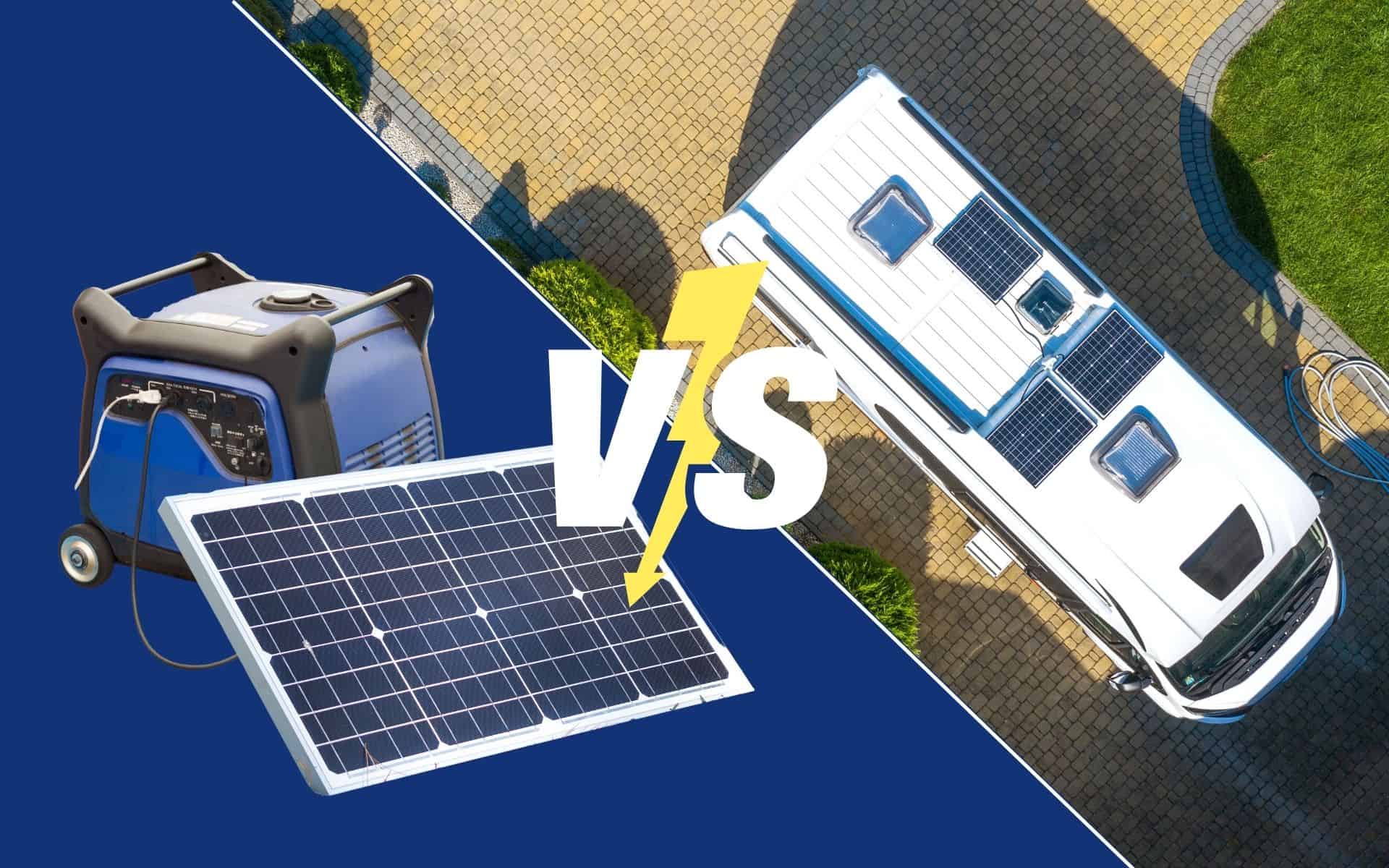
Credit: battlebornbatteries.com
Cost Analysis
Understanding costs is key in choosing between a generator and solar power. Both options have different expenses. This section will break down these costs into three parts: upfront costs, maintenance expenses, and long-term savings.
Upfront Costs
Upfront costs are the initial expenses for purchasing equipment. Generators usually have lower upfront costs. A basic generator can cost a few hundred to a couple thousand dollars. Solar panels require a larger investment. A typical solar setup can range from several thousand to tens of thousands of dollars.
Installation adds to the solar costs. Professionals are often needed for proper setup. This can make solar more expensive initially.
Maintenance Expenses
Maintenance is vital for both options. Generators need regular upkeep. This includes oil changes, filter replacements, and fuel costs. Over time, these expenses can add up.
Solar systems have lower maintenance needs. They require occasional cleaning and inspections. Most solar panels have warranties lasting 20-25 years. This reduces long-term maintenance costs.
Long-term Savings
Long-term savings are crucial in choosing the best option. Generators rely on fuel, which fluctuates in price. Regular use can lead to high fuel costs over time.
Solar power, on the other hand, has minimal ongoing costs. Once installed, the energy from the sun is free. Many homeowners save significantly on their electricity bills.
In some cases, solar systems can even earn money. Excess energy can be sold back to the grid. This offers potential income and savings.
Reliability And Performance
When deciding between a generator and solar power, reliability and performance are crucial factors. You want a power source that you can trust, especially during critical times. Let’s break down how each option stacks up in different scenarios.
Consistency Of Power Supply
Generators typically provide a steady power supply. They can run continuously as long as you have fuel. This makes them reliable for long-term use during outages.
Solar panels, however, depend on sunlight. If you’re in a cloudy area, or it’s nighttime, your power supply can fluctuate. You might need a backup battery system to maintain a consistent power flow.
Consider how often you experience power outages. If they are frequent and prolonged, a generator might be your best bet. If outages are rare, solar could suffice, especially with a good battery setup.
Performance In Different Weather Conditions
Generators perform well in all weather conditions. Rain, snow, or heat doesn’t affect their ability to generate power. This makes them a reliable choice for any climate.
Solar panels face challenges in overcast or snowy weather. They generate less power when sunlight is limited. If you live in an area with extreme weather changes, think about how this will impact your energy needs.
Have you ever been caught in a storm without power? A generator could keep your lights on. In contrast, solar panels may leave you in the dark during heavy rain.
Suitability For Emergency Use
Generators are excellent for emergency situations. They can provide immediate power when the grid goes down. You just need to have fuel on hand and you’re good to go.
Solar systems often require time to activate. Even with batteries, the stored energy might not last long enough for extended outages. This can be a drawback during emergencies when you need power most.
Have you considered what you would do if the power went out for days? Think about whether you want the instant reliability of a generator or the sustainable option of solar power. Your choice could make a significant difference during a crisis.

Credit: iallpowers.com
Environmental Impact
Choosing between a generator and solar power affects the environment in different ways. Generators often rely on fossil fuels, which can harm air quality. Solar energy, on the other hand, provides clean power without emissions, making it a more eco-friendly option.
Environmental impact is a crucial consideration when choosing between a generator and solar energy. Each option brings unique advantages and drawbacks that can significantly affect our planet. Understanding these factors can help you make an informed decision that aligns with your eco-friendly values.Carbon Footprint Of Generators
Generators often rely on fossil fuels like gasoline or diesel. This reliance contributes to greenhouse gas emissions, which are harmful to the environment. – A typical portable generator emits approximately 0.5 to 1.5 tons of carbon dioxide annually. – These emissions add to air pollution, impacting both climate change and public health. Your choice of generator can have a direct impact on your carbon footprint. Opting for a generator can be convenient in emergencies, but at what cost to the environment?Eco-friendliness Of Solar Energy
Solar energy stands out as one of the cleanest options available. It harnesses sunlight, a renewable resource, to produce electricity without harmful emissions. – Solar panels can reduce your carbon footprint significantly, with some systems eliminating it entirely over their lifespan. – They also require minimal maintenance and have a long operational life, making them a sustainable choice. Consider how solar panels can not only power your home but also contribute to a cleaner environment. Wouldn’t it be rewarding to know you’re actively participating in reducing pollution?Noise And Pollution Factors
Generators can be noisy, often causing disturbances in your neighborhood. This noise pollution can be annoying and disruptive, especially in serene environments. – In contrast, solar panels operate silently, allowing you to enjoy peace and quiet. – Solar installations have no moving parts, which means less wear and tear, leading to fewer pollutants entering the environment. Reflect on your living space. Would you prefer the hum of a generator or the calm silence of solar energy? The choice you make can influence not just your lifestyle but also the world around you.Ease Of Installation
Installing a generator is often quicker and simpler. It requires basic connections and fuel. Solar systems may need more setup time, including mounting panels and wiring. Each option has its own installation challenges, so consider your needs carefully.
The decision between a generator and solar power often hinges on the ease of installation. You want a solution that fits seamlessly into your life without requiring extensive modifications to your home or lifestyle. Let’s break down the installation process for both options.Setting Up A Generator
Setting up a generator can be straightforward. Most portable generators require minimal assembly. You can typically have it up and running in less than an hour. – Choose a location: Find a well-ventilated area outside your home. Generators produce exhaust, so safety is crucial. – Connect your appliances: Use heavy-duty extension cords to link your generator to your home devices. This method is often quicker than a full installation. However, if you opt for a standby generator, expect a more complex setup. This type requires professional installation, including wiring and possibly a concrete pad. Don’t forget about fuel. You’ll need to keep a supply of gasoline or propane on hand. This adds another layer of management, especially during emergencies.Installing A Solar System
Installing a solar system typically involves more steps but can be rewarding in the long run. First, assess your energy needs. This will guide the size of the system you need. – Site assessment: A professional will evaluate your roof or property for sun exposure. This ensures maximum efficiency. – Permits and regulations: You might need permits based on your location. This process can take time, so plan ahead. Once everything is approved, installation usually takes one to three days. Technicians will mount the panels and connect them to your electrical system. One personal insight: I once helped a friend install solar panels. Watching the transformation was eye-opening. The system was functional in just a couple of days, with no ongoing fuel concerns. After installation, maintenance is minimal. Regular cleaning and occasional inspections keep the system in top shape. Which option do you think would fit your lifestyle better? Consider the long-term benefits alongside the installation process.Scalability And Versatility
Scalability and versatility are key factors in choosing energy sources. Both generators and solar power offer unique advantages. Understanding how each can expand or adapt is important.
Expanding Solar Capacity
Solar systems can grow with your needs. Start small with a few panels. Add more panels as your energy demand increases.
This flexibility helps homeowners and businesses. You can easily adjust to changing energy needs. Off-grid solutions are also possible with solar. You can build a system that fits your lifestyle.
Adapting Generator Usage
Generators also provide versatility. They can power different appliances as needed. Choose a portable generator for outdoor use.
For larger needs, consider standby generators. These provide backup power during outages. Their adaptability makes them useful in various situations.
Both options have unique strengths. Each can be tailored to fit specific needs. Choose the one that best suits your lifestyle.
Durability And Lifespan
Choosing between a generator and solar power often comes down to durability and lifespan. How long each option lasts can affect your decision. Let’s explore the lifespan of generators and the longevity of solar panels.
Lifespan Of Generators
Generators typically last between 10 to 30 years. This depends on their type and how well they are maintained. Regular maintenance is key. Proper care can extend a generator’s life. Fuel type also plays a role. Diesel generators often last longer than gasoline ones.
Generators can face wear and tear. Parts may need replacement over time. This can add to the overall cost. They also require fuel to operate. This dependence can affect their reliability during emergencies.
Longevity Of Solar Panels
Solar panels have a longer lifespan than most generators. They can last 25 to 30 years or more. Many manufacturers offer warranties for this period. Most solar panels are durable and need little maintenance.
Weather can impact solar panel performance. However, they are designed to withstand various conditions. After 25 years, their efficiency may decrease slightly. Still, they can continue producing power for years beyond that.
Solar panels provide a reliable energy source. Their longevity makes them a strong choice for many users. They do not require fuel, which lowers ongoing costs.
Suitability For Different Needs
Generators and solar systems serve different purposes. Generators are great for quick power in emergencies. Solar panels work well for long-term energy needs. Choosing between them depends on your specific situation and power requirements.
Understanding the suitability of generators and solar power for your specific needs can greatly impact your decision. Each option has its strengths and weaknesses, making it vital to consider where and how you plan to use your energy source.Urban Vs Rural Settings
Living in an urban area often means access to a stable power grid. Generators can be noisy and emit fumes, which might not be ideal in a densely populated space. If you reside in a rural setting, the situation changes. You may find yourself off the grid, making solar power a more appealing option. Solar panels can provide clean energy without disturbing your neighbors. Consider your surroundings. Are you in an area with frequent power outages? If so, a generator might serve as a reliable backup.Short-term Vs Long-term Use
Think about how long you need your energy solution. Generators are excellent for short-term needs, like camping trips or emergency situations. They can provide quick power but often require fuel to operate. Solar energy shines for long-term investments. Once installed, solar panels can generate electricity for years with minimal maintenance. The initial cost may be higher, but the savings on energy bills can be significant over time. What do you envision for the future? Are you planning to stay in one place for a while? If so, solar could be the smart choice.Backup Power Vs Primary Energy Source
Do you need a backup power solution or a primary energy source? Generators excel at providing backup during outages. They can quickly restore power when you need it most, ensuring that essential appliances keep running. On the other hand, solar power can serve as a primary energy source. With enough panels and battery storage, you can rely on solar energy for your everyday needs. Consider your daily energy requirements. Are you ready to make the switch to solar, or do you need the reliability of a generator for peace of mind? Your lifestyle will guide your decision.Key Benefits Of Generators
Generators provide reliable power during outages and are easy to use. They can run appliances without needing sunlight. Solar energy is eco-friendly but may depend on weather. Choosing between them depends on your needs and preferences.
Generators are a reliable source of backup power when you need it most. Whether you face unexpected outages or enjoy camping in remote areas, generators offer numerous advantages that make them a worthy investment.Reliable Power Supply
Generators provide a steady power supply during outages. Unlike solar panels, which depend on sunlight, generators work regardless of the weather. This reliability can be crucial for keeping essential appliances running. If you’ve ever had a refrigerator full of food spoil due to a sudden blackout, you know the value of a dependable power source. Generators help you avoid these frustrating situations.Quick Setup And Use
Setting up a generator is often quicker than installing solar panels. You can start using a generator almost immediately after purchasing it. Many models come with easy-to-follow instructions. You can have your generator running in minutes, providing instant power when you need it.Cost-effective Solution
Generators can be more cost-effective in the short term compared to solar systems. The initial investment for a generator is usually lower. While solar panels may save you money over time, they require significant upfront costs and installation fees. Generators, on the other hand, offer immediate relief without a hefty price tag.Versatile Applications
Generators serve multiple purposes. You can use them at home, on job sites, or during outdoor activities like camping. For instance, if you enjoy hosting outdoor gatherings, a generator can power lights, sound systems, and cooking equipment. This versatility makes it an appealing option for many people.Portability
Many generators are designed to be portable. You can easily transport them to various locations. This portability means you can take power wherever you go, whether it’s a remote campsite or a job site. It ensures you have access to electricity when you need it.Low Maintenance Requirements
Generators generally require less maintenance than solar systems. With routine checks and occasional fuel refills, you can keep them running smoothly. In contrast, solar systems may need more extensive maintenance, especially if panels get dirty or damaged. This simplicity can save you both time and effort. Are you considering which power solution fits your lifestyle? Think about how often you need reliable power and the ease of setup when making your decision. Generators offer immediate benefits that can enhance your quality of life during power outages and outdoor adventures.Key Benefits Of Solar
Solar energy is becoming a popular choice for many homeowners and businesses looking for sustainable energy solutions. The key benefits of solar energy not only address environmental concerns but also offer financial advantages. Let’s dive into the specific perks of switching to solar.
Cost Savings
One of the most significant benefits of solar energy is the potential for cost savings.
- Reduced Electricity Bills:With solar panels, you generate your own electricity. This can lower or even eliminate your monthly electricity bills.
- Tax Incentives:Many governments provide tax credits and rebates for solar installations. These can significantly reduce upfront costs.
- Increase in Property Value:Homes with solar energy systems often sell for more. Buyers appreciate the reduced energy costs and eco-friendly features.
Switching to solar is a step towards a cleaner planet.
- Reduction in Carbon Footprint:Solar energy generates electricity without emitting harmful greenhouse gases. You contribute to fighting climate change.
- Conservation of Resources:Solar energy is renewable. Unlike fossil fuels, it won’t run out, making it a sustainable choice for the future.
Energy Independence
Solar energy can provide you with a sense of independence.
- Less Reliance on Grid:By producing your own power, you are less affected by rising utility prices and power outages.
- Battery Storage Options:With solar batteries, you can store excess energy for later use. This gives you more control over your energy supply.
Low Maintenance
Solar systems require minimal maintenance, making them hassle-free.
- Durable Equipment:Solar panels are built to withstand various weather conditions. They typically last 25 years or more with little degradation.
- Simple Upkeep:Cleaning them a couple of times a year is usually enough. There are no moving parts that can wear out.
Thinking about the switch? Consider how much you could save on energy bills and what that could mean for your budget. The benefits of solar energy extend far beyond just your home; they impact the community and the environment as a whole. Are you ready to embrace a more sustainable lifestyle?
Choosing The Right Option
Choosing between a generator and solar power can be tough. Each option has its own benefits. Understanding your needs helps make the right choice.
Consider factors like cost, maintenance, and energy needs. Personal preferences and regional aspects also play a big role.
Factors To Consider
First, look at the costs. Generators usually cost less upfront. However, solar systems may save money long-term.
Next, think about maintenance. Generators need regular upkeep. Solar systems require less maintenance over time.
Energy needs are also key. Determine how much power you use. This helps figure out which option is better for you.
Personal And Regional Preferences
Your lifestyle matters. If you travel often, a generator might suit you. For those who stay home, solar could be ideal.
Consider your location too. Areas with lots of sun benefit from solar. Places with frequent outages may need a generator.
Local regulations and incentives can influence your choice. Check for any rebates for solar installation in your area.
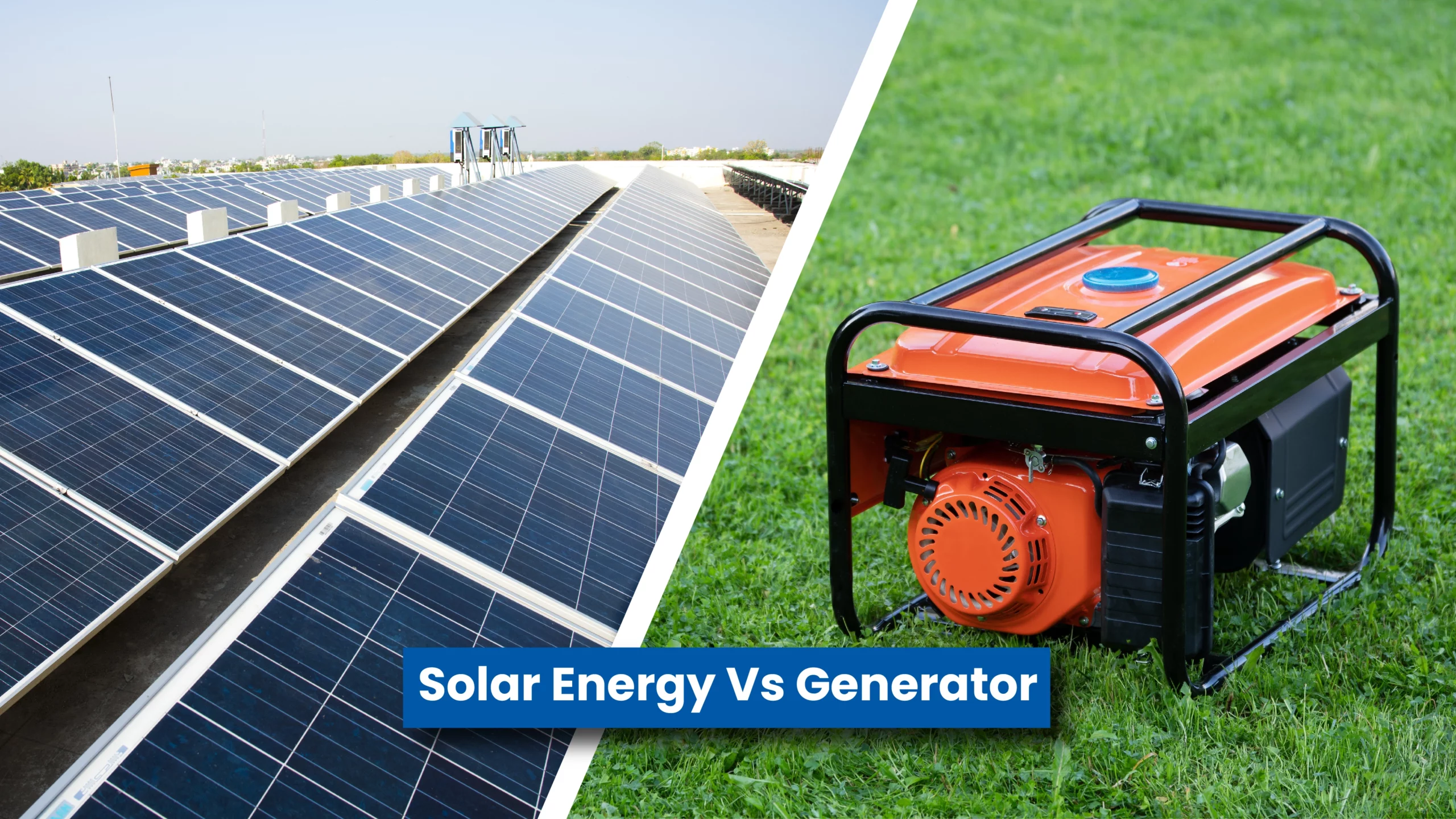
Credit: www.electronicafinance.com
Frequently Asked Questions
Which Is More Cost-effective: Generator Or Solar?
Solar power is often more cost-effective in the long run. While generators have lower initial costs, they require fuel and maintenance. Solar systems can be expensive to install, but they provide free energy once set up. Additionally, many regions offer tax incentives for solar installations.
How Long Do Generators Last Compared To Solar Panels?
Generators typically last around 10-30 years, depending on usage and maintenance. In contrast, solar panels can last 25 years or more with proper care. This longevity makes solar a more sustainable choice for long-term energy needs. Regular maintenance can extend the life of both options significantly.
Are Solar Panels Environmentally Friendly?
Yes, solar panels are environmentally friendly. They produce clean, renewable energy without harmful emissions. In contrast, generators often rely on fossil fuels, contributing to pollution. Choosing solar helps reduce your carbon footprint and supports sustainable energy practices.
Can I Use Both Generator And Solar Together?
Yes, using both systems together is possible and beneficial. This hybrid approach ensures you have backup power during cloudy days or outages. A generator can provide energy when solar production is low, offering greater reliability. Combining both options maximizes energy independence and efficiency.
Conclusion
Choosing between a generator and solar power depends on your needs. Generators provide instant power. They work well for short-term use. Solar systems offer long-term savings and eco-friendly energy. They need sunlight and time to charge. Consider your budget and lifestyle.
Think about where you live. Each option has its pros and cons. Weigh them carefully. Your choice can affect your energy bills and environment. Decide what fits best for you and your family.