
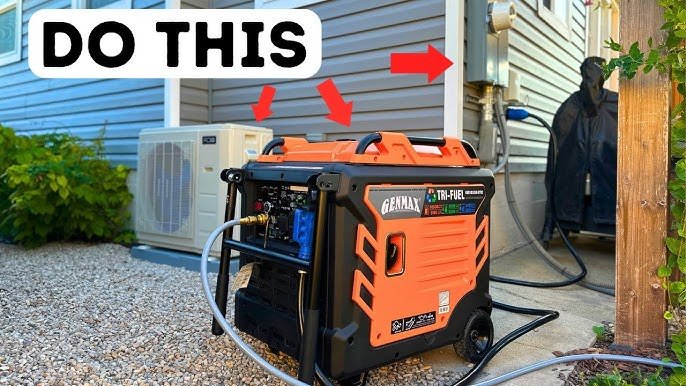
Are you wondering if a generator can power your air conditioning unit? You’re not alone.
Many people face this question, especially during hot summer days when the power goes out. Understanding how generators work with AC units can save you from discomfort and unexpected expenses. We’ll break down everything you need to know about running an air conditioner on a generator.
We’ll explore the types of generators, their power output, and what you need to consider before making a decision. By the end, you’ll have the knowledge to keep your home cool, even when the grid fails. Stay with us to ensure you’re prepared for any situation!
Credit: www.softstartrv.com
Generator Power And Ac Units
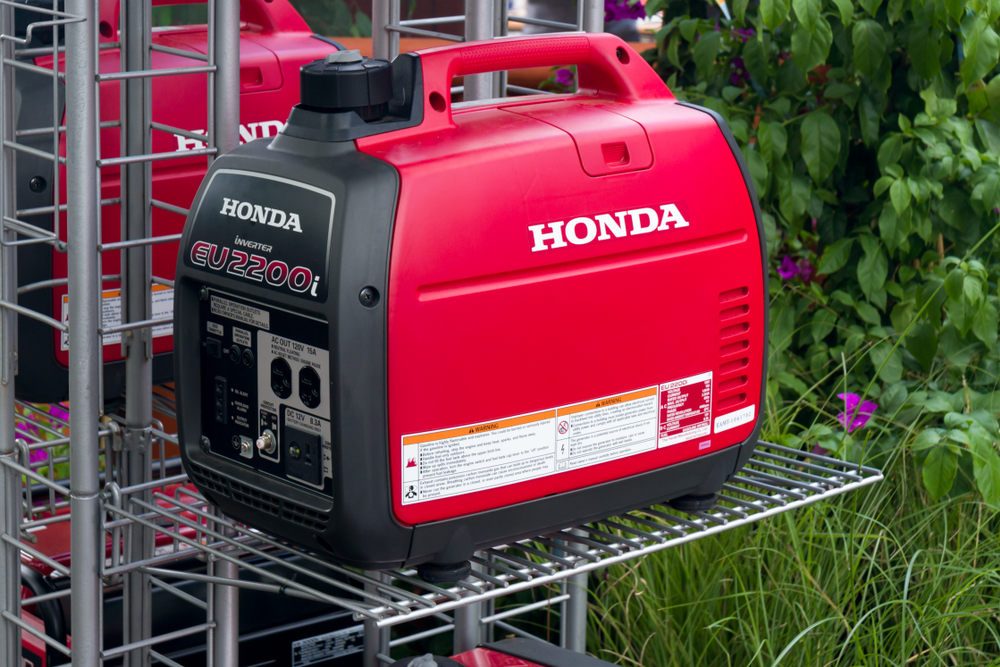
Generators can power air conditioning units, but the size and type matter. A generator must match the AC’s power needs. Always check the wattage before use to ensure safe operation.
When considering the use of a generator to power your air conditioning unit, it’s crucial to understand how generator power aligns with your AC needs. Generators can be a lifesaver during power outages, providing the comfort of cool air when it’s needed the most. However, not all generators are created equal, and matching their power capabilities to your AC unit’s requirements is essential for optimal performance.Understanding Power Ratings
Power ratings are the backbone of any generator’s functionality. These ratings are typically measured in watts. It’s important to distinguish between starting watts and running watts. – Starting Watts: This is the amount of power needed to kickstart your AC unit. It’s usually higher than the running watts. – Running Watts: This is the continuous power needed to keep your AC unit running after it has started. Check the specifications of your AC unit. Most units will have a label detailing both starting and running watts. Knowing these numbers can save you from a frustrating experience when your generator fails to start your AC.Matching Generator Capacity To Ac Needs
Now that you understand power ratings, it’s time to match your generator’s capacity with your AC’s needs. Start by calculating the total wattage required. Add the starting watts to the running watts of your AC unit. Next, look for a generator that exceeds this total wattage. Ideally, you should choose a generator with at least 20% more capacity. This extra power ensures your generator can handle any unexpected surges. Consider your lifestyle too. If you frequently use other appliances, factor in their wattage as well. This helps ensure you won’t overload your generator. Have you ever experienced a power outage in the middle of a heatwave? It’s frustrating when the generator can’t support your AC, leaving you sweltering. Investing in a generator that meets your AC needs can make all the difference. You’ll enjoy peace of mind knowing you’re prepared for any situation.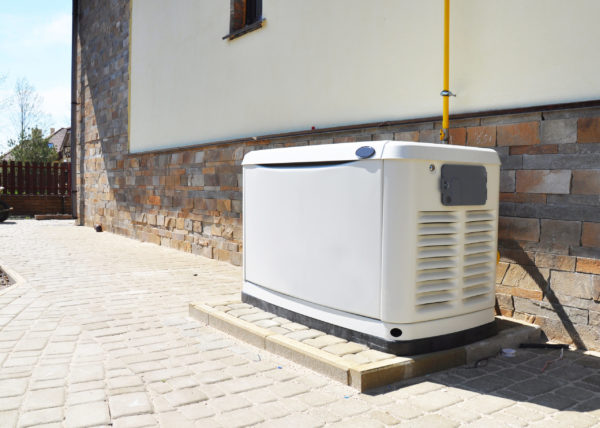
Credit: heatwaveheatingandcooling.com
Choosing The Right Generator
Choosing the right generator is important for running an AC. The generator must match your air conditioner’s power needs. It should be reliable and easy to use. Here are some key points to consider.
Portable Vs Standby Generators
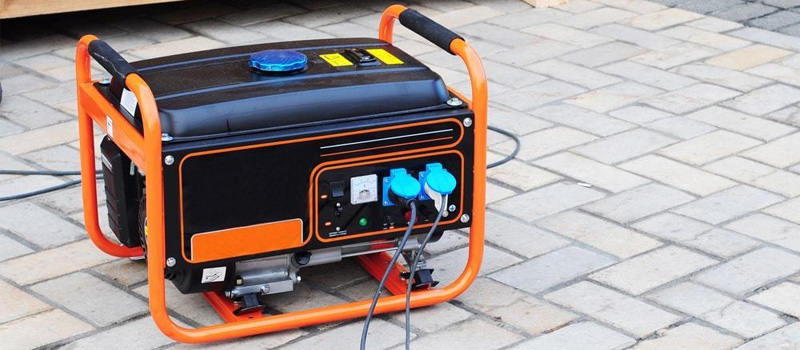
Portable generators are easy to move. They are great for temporary use. You can take them for camping or outdoor events. However, they may not provide enough power for larger AC units.
Standby generators are fixed in one place. They connect directly to your home’s electrical system. They can automatically turn on during a power outage. This makes them very convenient for long-term use.
Key Features To Look For
Check the generator’s wattage. It should match or exceed your AC’s requirements. Look for models with low noise levels. Nobody wants a loud generator disturbing the peace.
Fuel efficiency is another important feature. Generators that use less fuel save you money. Consider the runtime of the generator. Longer runtimes mean less refueling.
Safety features are also essential. Look for generators with overload protection. This helps prevent damage to your AC and the generator.
Preparing For Ac Operation
Getting ready to run your air conditioner on a generator needs some planning. You must ensure your generator can handle the AC’s power needs. This preparation will help you avoid problems during hot days.
Calculating Startup And Running Wattage
Air conditioners need more power to start than to run. This is called startup wattage. Check your AC unit’s manual for its wattage ratings. Most units have a label showing the power needed.
For example, a typical window AC may need 1,200 watts to start. Once running, it might only need 800 watts. Always use the higher number for your generator’s wattage calculation.
Checking Fuel Requirements
Generators use different fuels like gasoline, propane, or diesel. Each fuel has its benefits. Know how much fuel your generator needs to run your AC.
For instance, a gasoline generator may need about 1 gallon for 8 hours. Propane can run longer with less fuel. Check the generator’s manual for specific details.
Make sure to keep extra fuel on hand. This ensures you won’t run out during a heatwave.
Credit: www.oliverheatcool.com
Efficient Usage Tips
Using a generator to run your AC can be tricky. You want to save power while staying cool. Here are some tips to help you use your AC efficiently.
Reducing Ac Power Consumption
Start by setting your thermostat higher. A few degrees can save energy. Use fans to help circulate the air. This makes your AC work less.
Close blinds and curtains during the day. This keeps the heat out. Insulate your windows to prevent cool air from escaping. Regular maintenance helps your AC run better.
Timing Ac Usage For Optimal Performance
Run your AC during cooler parts of the day. Early morning or late evening works best. Consider a timer for your unit. This prevents it from running all day.
Plan activities that require cooling around your AC schedule. For example, cook dinner before it gets hot. This reduces the load on your AC. Smart timing can save energy and keep you comfortable.
Maintenance And Safety
Generators can power air conditioners, but safety and maintenance are key. Ensure the generator has enough capacity to handle the AC’s load. Regular checks will keep it running smoothly and safely.
Maintenance and safety are crucial aspects of owning a generator, especially if you plan to use it for running an air conditioner. Proper upkeep not only ensures optimal performance but also minimizes risks associated with generator operation.Routine Generator Maintenance
Regular maintenance is essential for keeping your generator in top condition. Start with simple tasks like checking the oil level and changing it as needed. Most generators require oil changes every 50 to 100 hours of operation. Inspect the air filter regularly. A clean air filter improves efficiency and prevents damage to internal components. Replace it if it appears dirty or clogged. Don’t forget the spark plugs. They play a vital role in starting your generator. Replacing worn-out spark plugs can enhance performance and extend the lifespan of your machine. Also, run your generator periodically. This ensures that it stays in working order. It’s best to run it under a load, like an air conditioner, for at least 30 minutes every month.Ensuring Safe Operation
Safety should always be your top priority. Start by placing your generator outdoors and away from windows and doors. This reduces the risk of carbon monoxide poisoning, which can occur if the exhaust fumes enter your living space. Use a heavy-duty extension cord to connect your generator to your appliances. Ensure that the cord is rated for the power output of your generator. This prevents overheating and potential fires. Be aware of the generator’s fuel type. Whether it’s gasoline, propane, or diesel, store fuel safely in a cool, well-ventilated area. Avoid overfilling the tank to prevent spills. Have you ever faced an unexpected power outage? It can be stressful. Knowing how to operate your generator safely can make all the difference. Always keep the user manual handy and familiarize yourself with the controls and safety features. Engaging in regular maintenance and following safety protocols can save you from headaches down the line. After all, a well-maintained generator not only runs efficiently but also protects your home and family.Common Mistakes To Avoid
Using a generator to power an air conditioner is not simple. Many people make mistakes that can cause problems. Avoiding these mistakes can help you use your generator safely and effectively.
Overloading The Generator
One big mistake is overloading the generator. Every generator has a power rating. This rating tells you how much power it can handle. Exceeding this limit can damage your generator.
Check the wattage of your air conditioner. Ensure it matches the generator’s capacity. Using too many appliances at once can also overload the generator.
Ignoring Voltage Fluctuations
Another common mistake is ignoring voltage fluctuations. Generators can produce unstable voltage. This can harm your air conditioner and other devices.
Always monitor the voltage levels. Use a voltage regulator if needed. Protect your equipment from damage caused by unstable power.
Frequently Asked Questions
Can A Generator Power An Air Conditioner?
Yes, a generator can power an air conditioner. However, the generator must have sufficient wattage to handle the AC’s starting and running requirements. It’s essential to check the specifications of both the generator and the air conditioner. Using a generator that meets these requirements ensures safe and efficient operation.
What Size Generator Is Needed For An Ac?
The size of the generator needed for an AC depends on the unit’s wattage. Generally, a small window AC requires about 1,500 to 2,000 watts. Larger units may need 3,000 watts or more. Always refer to the AC’s manual for accurate wattage requirements to choose the right generator.
Can A Portable Generator Run A Central Ac?
Yes, a portable generator can run a central AC, but it typically requires a larger unit. Central air conditioners generally consume more power than portable models. Ensure the generator can handle the starting wattage and running wattage of your central AC unit for optimal performance.
How Long Can A Generator Run An Ac?
The runtime of a generator powering an AC depends on its fuel capacity and load. Most portable generators can run for 8 to 12 hours at half load. Keep fuel levels in mind and monitor the generator’s performance to ensure consistent air conditioning during outages.
Conclusion
Generators can run air conditioners, but check the power needs first. Not all generators provide enough energy for every AC unit. Size and capacity matter. Choose a generator that matches your AC’s requirements. This ensures smooth operation and prevents damage.
Always follow safety guidelines when using generators. Understanding your needs helps you make the right choice. Enjoy comfort during power outages with the right generator. Stay cool and safe.