
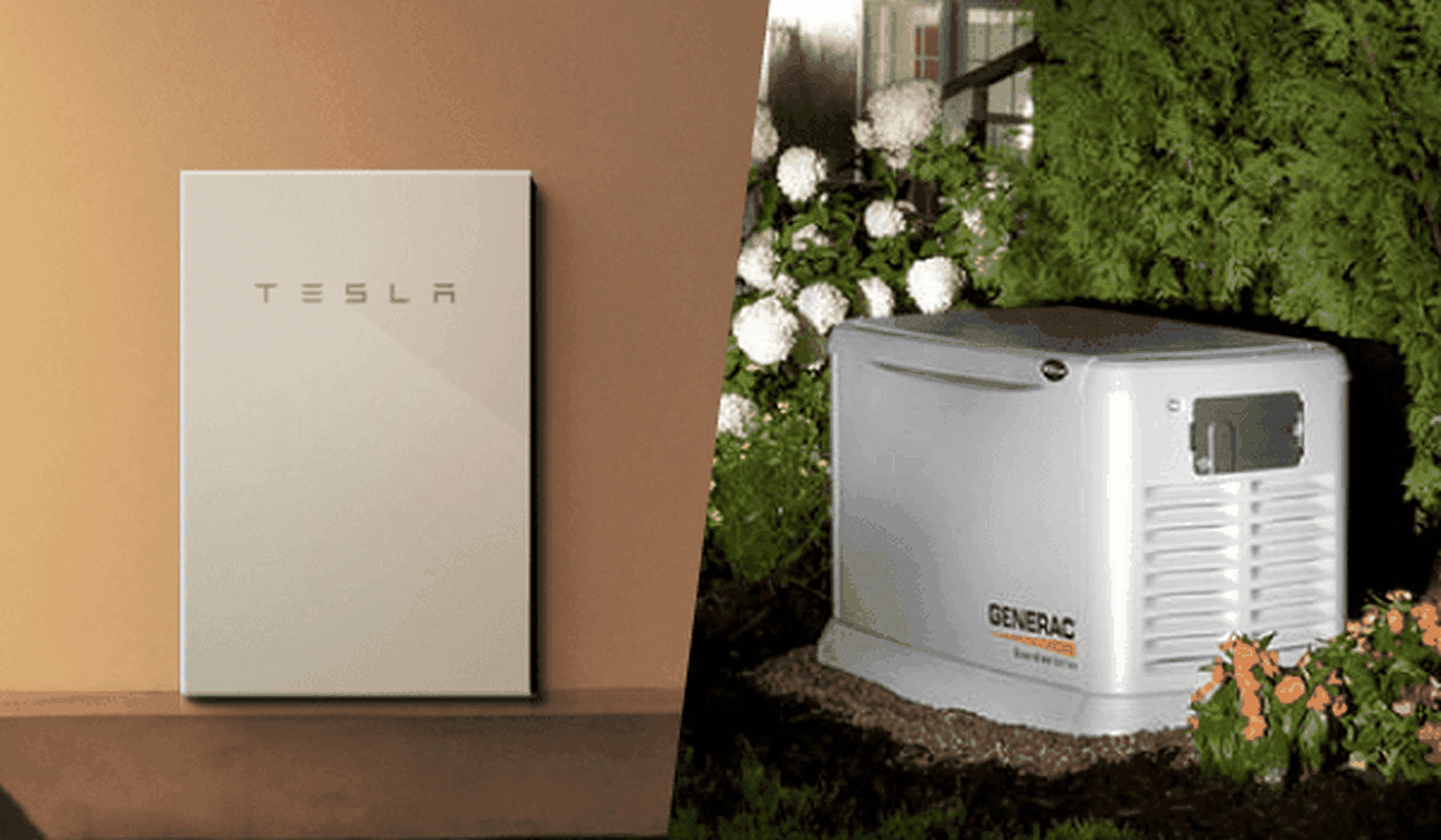
When the lights go out, what’s your backup plan? Relying solely on a traditional generator might not be the best solution for you.
There are many generator alternatives for home backup power that can keep your home running smoothly without the noise, fumes, and maintenance that come with gas-powered generators. Imagine having a reliable, quiet, and eco-friendly power source at your fingertips. You’ll discover various options that suit different needs and budgets.
Whether you want to safeguard your family during outages or ensure your essential appliances stay powered, you’ll find practical solutions tailored for you. Stay with us as we explore these alternatives and help you choose the best backup power option for your home. Your peace of mind starts here.

Credit: naturesgenerator.com
Portable Power Stations
Portable power stations are a great alternative to traditional generators. They provide backup power for homes during outages. These devices are easy to move and use. They run on batteries, making them quieter and cleaner than gas generators.
Power stations can charge various devices. They can keep your essentials running when the lights go out. Understanding their features helps you choose the right one for your needs.
Battery Capacity And Output
Battery capacity is measured in watt-hours (Wh). Higher capacity means more stored energy. It allows you to power more devices for longer periods.
Output is how much power the station provides at once. It is measured in watts (W). Make sure the output meets the needs of your devices. For example, a small station might power a phone. A larger one can run a refrigerator.
Recharge Options
Portable power stations can be recharged in different ways. Most can plug into a wall outlet. Some also charge using solar panels. This option is eco-friendly and great for outdoor use.
Car charging is another option. It allows you to recharge on the go. Choose a station with multiple recharge options. This flexibility is key during emergencies.
Best Use Cases
Portable power stations suit various situations. They are ideal for camping trips and outdoor events. You can charge phones, tablets, and laptops easily.
During power outages, they keep essential devices running. Use them for medical equipment, lights, and small appliances. They are also useful for tailgating and picnics.
With the right portable power station, you can stay connected and comfortable.
Solar Power Systems
Solar power systems are a clean and efficient way to generate electricity at home. They use sunlight to produce energy. This energy can power your home during an outage. Many people turn to solar as an alternative to traditional generators.
Solar systems are quiet and require little maintenance. They reduce your electricity bills. They also help the environment by lowering carbon emissions.
Components Of A Solar Setup
A solar power system has several key parts. The main component is solar panels. These panels capture sunlight and convert it into electricity. Next, there is an inverter. The inverter changes the solar energy into usable power for your home.
Batteries are important too. They store excess energy for later use. A charge controller is also needed. It manages the flow of electricity to keep batteries safe.
Installation Considerations
Installing a solar power system requires careful planning. Choose a location with plenty of sunlight. Roofs are popular spots for solar panels. Ensure the roof can support the weight.
Check local regulations and permits. Some areas have specific rules for solar systems. Hiring a professional installer is smart. They can ensure everything is set up correctly.
Performance During Cloudy Days
Many worry about solar performance on cloudy days. Solar panels still work in low light. They can produce some energy even when it’s cloudy.
However, energy output will be lower. Battery storage helps during these times. It allows you to use stored energy when sunlight is weak. Solar systems remain a reliable backup power source.
Wind Turbines For Homes
Wind turbines are a smart choice for home backup power. They use wind energy to generate electricity. This option is clean and renewable. Many homeowners seek alternatives to traditional generators. Wind turbines can provide reliable energy, especially in windy areas.
Small-scale Turbine Options
Small-scale wind turbines are great for homes. They are designed to fit in residential areas. These turbines can produce enough power for basic needs. Options range from 400 watts to 10 kilowatts. The size depends on your energy needs and available space.
Some popular models include vertical and horizontal axis turbines. Vertical turbines are quieter and safer. They can catch wind from any direction. Horizontal turbines are more efficient but need more space. Choose based on your home layout and local wind conditions.
Wind Speed Requirements
Wind speed is crucial for turbine efficiency. Most small turbines need at least 10 mph to work well. Areas with consistent wind are ideal. Check local wind patterns before installation. A wind site assessment can help determine your options.
Higher wind speeds mean more energy production. However, very strong winds can damage turbines. Select a model that can handle local wind conditions. This helps ensure long-term performance.
Maintenance Needs
Regular maintenance keeps your wind turbine running smoothly. Check for any loose parts or signs of wear. Lubricate moving parts to avoid rust. Clean the blades to ensure maximum efficiency.
Inspect the electrical connections often. This prevents unexpected failures. Most turbines need maintenance once or twice a year. Consider professional help for major repairs. Proper care extends the life of your wind turbine.
Propane-powered Generators
Propane-powered generators offer a reliable option for home backup power. They are cleaner than gasoline and can run longer on a single tank. These generators provide peace of mind during outages, ensuring your home stays powered when you need it most.
Propane-powered generators are gaining popularity as reliable alternatives for home backup power. They offer several advantages over traditional gasoline generators, making them a smart choice for homeowners. If you’re considering a backup power solution, understanding the benefits of propane generators can help you make an informed decision.Efficiency And Longevity
Propane generators are known for their efficiency. They burn cleaner than gasoline, which means fewer emissions and less maintenance. This efficiency translates to longer operational life, allowing you to enjoy uninterrupted power during outages. Many users report that their propane generators last longer than gasoline models. This longevity is primarily due to the cleaner combustion process, which reduces wear and tear on the engine. You can expect a propane generator to serve you well for years, making it a worthy investment. Additionally, propane has a high energy content. This means you can generate more power with less fuel. If you want reliability and long-term value, propane generators are worth considering.Storage And Safety Tips
Proper storage of propane is essential for safety and efficiency. Always store propane tanks in a well-ventilated area, away from direct sunlight. This helps prevent any potential leaks or pressure build-up. It’s crucial to check for leaks regularly. Use soapy water on the connections; bubbles indicate a leak. Being proactive can save you from hazardous situations and ensure your generator runs smoothly. Remember to keep your propane tanks upright and secure. This prevents accidental spills and ensures safety. Taking these simple steps can make a big difference in your overall experience.Cost Comparison With Gasoline
When comparing costs, propane can be more economical than gasoline. Though the initial investment may be higher, propane fuel prices tend to be more stable. You can often find propane at lower prices than gasoline, especially during peak seasons. Here’s a quick comparison to consider:| Fuel Type | Average Cost per Gallon | Run Time on 20 Gallons |
|---|---|---|
| Gasoline | $3.00 | Approximately 10-15 hours |
| Propane | $2.50 | Approximately 15-20 hours |
Battery Backup Systems
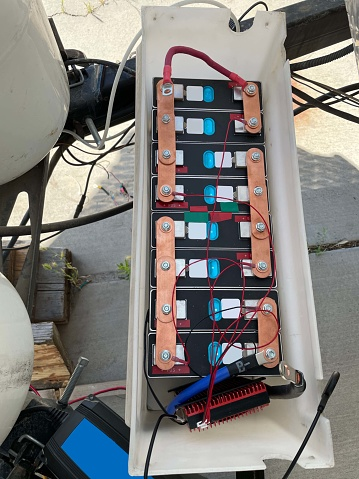
Battery backup systems provide reliable power during outages. They store energy for later use. These systems are quiet and easy to maintain. They are a great alternative to traditional generators.
Integration With Existing Power
Battery backup systems integrate easily with your home’s power supply. They connect to your electrical panel. This allows you to use stored power seamlessly. You can keep essential appliances running without interruptions.
Load Capacity Considerations
Choosing the right load capacity is crucial. Consider your power needs during an outage. List essential devices like refrigerators and lights. Calculate their combined wattage for accurate sizing.
Most systems offer various capacities. Ensure the system can handle your needs. A smaller system may not support all devices. A larger system provides more flexibility.
Scalability For Larger Homes
Scalability is vital for larger homes. Battery systems can grow with your needs. Start with a basic setup. Add more batteries as your power requirements increase.
This approach saves costs upfront. It allows you to expand your backup power gradually. Choose a system that offers easy upgrades. This ensures you always have enough power.
Credit: www.ecoflow.com
Hydrogen Fuel Cells
Hydrogen fuel cells offer a clean and efficient option for home backup power. They convert hydrogen into electricity, producing only water as a byproduct. This technology can provide reliable energy during outages, making it a smart choice for homeowners seeking alternatives to traditional generators.
Hydrogen fuel cells are emerging as a promising alternative for home backup power. These systems convert hydrogen into electricity, providing a clean and efficient energy source. If you’re considering options for backup power, hydrogen fuel cells might just be the solution you need.Advantages Of Hydrogen Power
Hydrogen fuel cells offer several key advantages for home use. They generate electricity without combustion, which means they produce only water vapor as a byproduct. This leads to a significant reduction in harmful emissions, making them a cleaner choice compared to traditional generators. The efficiency of hydrogen fuel cells is impressive. They can convert up to 60% of the energy stored in hydrogen into electricity, which is much higher than conventional generators. This efficiency can translate into lower energy costs over time. You also benefit from quiet operation. Unlike gas or diesel generators that can be noisy, hydrogen fuel cells operate silently. This can be particularly advantageous during nighttime outages when noise can disturb your family’s peace.Setup And Maintenance
Setting up a hydrogen fuel cell system at home requires careful planning. You’ll need to assess your energy needs and choose a suitable unit that can handle your power requirements. Installation may involve professional assistance to ensure safety and compliance with local regulations. Maintenance is relatively straightforward. Regular checks are needed to ensure the hydrogen supply is adequate and the system is functioning properly. Routine maintenance can help prevent issues and extend the lifespan of your fuel cell. Unlike traditional generators that require oil changes and fuel storage, hydrogen systems have fewer moving parts. This means less hassle and more reliability in the long run.Environmental Benefits
One of the most compelling reasons to consider hydrogen fuel cells is their environmental impact. By using hydrogen as a fuel source, you significantly reduce your carbon footprint. This is particularly important as climate change becomes a pressing issue. Hydrogen can be produced from various renewable sources, such as wind or solar energy. This means you can create a self-sustaining energy system at home. Imagine powering your home with energy derived from the sun or wind, significantly cutting your reliance on fossil fuels. Switching to hydrogen fuel cells not only benefits you but also contributes to a cleaner planet. Are you ready to take a step toward a more sustainable energy future?Hybrid Power Solutions
Hybrid power solutions combine different energy sources. They provide reliable backup power for homes. These systems often include solar panels and battery storage. This mix helps to reduce dependence on traditional generators.
Combining Solar And Battery Storage
Solar energy and battery storage work well together. Solar panels capture sunlight during the day. The energy collected is stored in batteries. This stored energy can be used at night or during outages.
Using solar power cuts electricity costs. Homeowners can save money while staying powered. Battery storage allows for flexible energy use. It provides power when needed most.
Flexibility In Power Sources
Hybrid systems offer flexibility. Homeowners can choose different energy sources. Options include solar, wind, and traditional generators. This choice allows for customization based on needs.
Flexibility means better energy management. Homeowners can switch sources as conditions change. Sunny days may favor solar, while cloudy days may use batteries. This adaptability increases reliability.
Cost And Efficiency Analysis
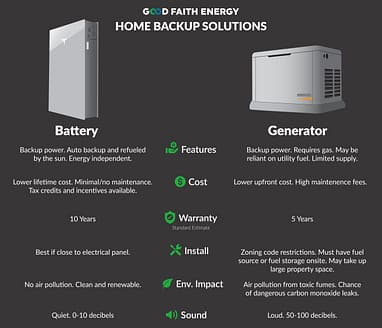
Cost is a key factor in choosing hybrid systems. Initial investment may be higher than traditional generators. However, long-term savings can be significant.
Efficiency is another important consideration. Hybrid systems often use energy more effectively. They can reduce waste and lower utility bills. This balance of cost and efficiency makes them appealing.
Credit: goodfaithenergy.com
Choosing The Right Solution
Finding the best backup power source can be challenging. Many options exist. Each option has different strengths and weaknesses. Choosing the right one depends on your needs.
Assessing Power Needs
Start by understanding your power requirements. List essential appliances. Include lights, refrigerators, and heating systems. Calculate the total wattage needed. Consider peak and running wattages. This helps in selecting the right solution.
Think about usage time too. How long will you need power? Short outages need less capacity. Longer outages need more robust solutions. Be clear about your needs before making a choice.
Budget And Long-term Costs
Set a budget before shopping. Compare initial costs of different systems. Some solutions may seem cheaper upfront. Look at long-term costs as well. Fuel, maintenance, and potential repairs add up.
Consider warranties and service options. A higher initial cost may save you money later. Do not overlook the total cost of ownership.
Local Climate And Resources
Your local climate impacts your choice. Severe weather areas may need reliable systems. Consider fuel availability too. Some systems require gas, while others use solar power.
Research local regulations for backup systems. Some areas have restrictions on noise and emissions. Choose a solution that complies with local laws and fits your environment.
Government Incentives And Rebates
Government incentives and rebates make home backup power more affordable. Many programs support renewable energy and backup systems. These initiatives help homeowners save money while going green. Understanding these programs is key to maximizing your benefits.
Programs For Renewable Energy
Many states offer programs for renewable energy. These programs encourage homeowners to install solar panels and other clean energy systems. Some states provide cash rebates for these installations. Others offer low-interest loans to help with upfront costs. Check your local government website for available programs. They can help reduce your financial burden.
Tax Credits For Backup Systems
Tax credits are available for backup power systems. The federal government offers tax credits for solar energy systems. These credits can cover a significant portion of installation costs. Some states also provide tax incentives for backup generators. Always consult a tax professional to understand your eligibility. This can lead to substantial savings on your tax bill.
How To Apply For Benefits
Applying for benefits is straightforward. Start by researching available programs in your area. Gather necessary documents, like proof of purchase and installation. Fill out the application forms carefully. Many programs offer online applications for convenience. Ensure you meet all deadlines to secure your benefits. Follow up with the program office if needed.
Frequently Asked Questions
What Are Alternatives To Generators For Home Power?
There are several alternatives to traditional generators for home backup power. Solar panels paired with battery storage provide a sustainable option. Portable power stations offer flexibility and ease of use. Additionally, wind turbines can harness natural energy for off-grid living.
Each option has its pros and cons.
How Do Solar Panels Work For Home Backup?
Solar panels capture sunlight and convert it into electricity. This electricity can be used immediately or stored in batteries for later use. During power outages, stored energy can power essential appliances. They are eco-friendly and can reduce electricity bills over time, making them an attractive alternative.
Are Battery Backups Reliable For Home Use?
Yes, battery backups are reliable for home use during power outages. They provide a stable power source for essential devices and appliances. Many modern systems can last for several hours, depending on the load. Regular maintenance and proper sizing ensure they perform optimally when needed most.
What Is A Portable Power Station?
A portable power station is a compact battery-powered device. It can store energy from solar panels or be charged from an outlet. These stations provide electricity for small appliances, electronics, and tools. They are ideal for camping, emergencies, or temporary power needs at home.
Conclusion
Choosing the right backup power source is important. Alternatives to generators offer many benefits. Solar panels provide clean energy and can save money. Battery systems store power for emergencies. Fuel cells are quiet and efficient. Each option has unique features.
Consider your needs and budget. Doing research helps you make the best choice. Keep your home powered, even during outages. Embrace these alternatives for peace of mind. Your home deserves reliable backup power.