
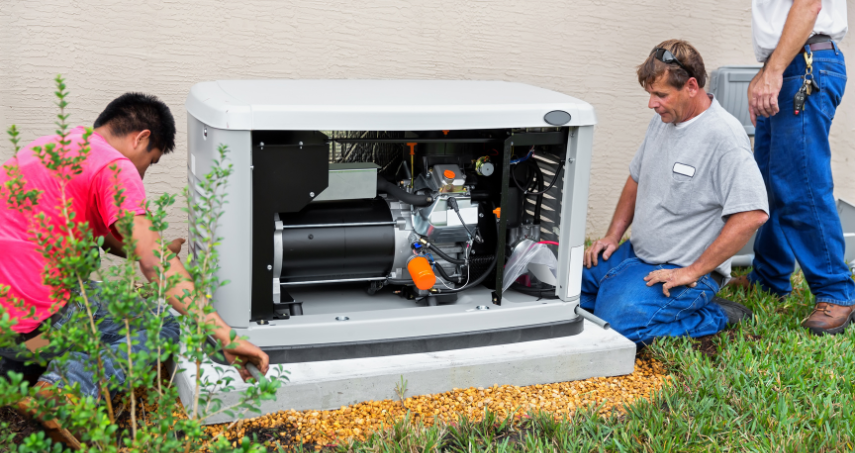
When was the last time you checked your generator? If you can’t remember, you’re not alone.
Many people overlook this crucial task, thinking their generator will always be ready when they need it. But what if it fails during an emergency? Regular testing is essential to ensure your generator runs smoothly when it matters most. We’ll explore how often you should test your generator, the risks of neglecting it, and simple tips to keep it in top shape.
Don’t wait until it’s too late—discover the peace of mind that comes with knowing your generator is reliable and ready to go!

Credit: www.crossvilleheatingandcooling.com
Importance Of Regular Generator Testing
Regular generator testing is crucial for many reasons. It keeps your generator ready for emergencies. Testing ensures it will work when you need it most. A well-functioning generator provides peace of mind.
Generators can fail without warning. Regular testing helps spot issues early. You can fix small problems before they become big ones. This saves time and money in the long run.
Preventing Unexpected Breakdowns
Generators are like any machine. They need care and attention. Regular tests help prevent unexpected breakdowns. You want your generator to be reliable during a power outage.
Extending The Lifespan Of Your Generator
Just like a car, a generator needs maintenance. Regular testing extends its lifespan. A well-maintained generator lasts longer and works better. This means fewer replacements and repairs for you.
Ensuring Safety
Safety is a top priority. Faulty generators can cause accidents. Regular testing checks for leaks and other hazards. This keeps you and your family safe.
Saving Money On Repairs
Small issues can lead to costly repairs. Regular testing helps catch these early. Fixing a small problem is cheaper than a major repair. Save money by staying proactive with your generator.
Improving Efficiency
A tested generator runs more efficiently. It uses fuel better and produces more power. This means less waste and lower costs for you. Efficient generators are good for the environment, too.
Factors That Influence Testing Frequency
Testing frequency for your generator depends on several factors. Regular use, maintenance needs, and local climate can all affect how often you should test. Understanding these elements ensures your generator works well when needed.
Understanding the factors that influence how often you should test your generator is crucial for ensuring its reliability. Regular testing can prevent unexpected failures and give you peace of mind, especially during power outages. Let’s break down some key aspects that determine your generator’s testing frequency.
Type Of Generator
Different generators have varying requirements for testing. Portable generators often need more frequent checks, especially if used regularly for camping or job sites. In contrast, standby generators, which automatically kick in during outages, might have a different testing schedule. These units are generally tested monthly, ensuring they are ready when you need them. Consider your generator type. Does it suit your lifestyle and needs?
Usage Patterns
How often you use your generator plays a significant role in testing frequency. If you rely on it for daily power, regular testing becomes vital. Extended periods of inactivity can lead to issues like fuel degradation or battery drain. If you only use your generator during emergencies, you might still want to test it every few months to keep it in good shape. Think about your usage. Are you prepared for the next outage?
Environmental Conditions
The environment where your generator operates can affect its performance. If you live in an area with extreme weather, such as heavy rain or snow, your generator may require more frequent checks. Dusty or humid conditions can lead to faster wear and tear. Keeping an eye on these factors can help you avoid unexpected breakdowns. What’s the climate like where you live? Does it impact your generator’s performance?
Manufacturer Recommendations
Always refer to your generator’s manual for specific testing guidelines. Manufacturers provide tailored recommendations based on the design and intended use of your generator. Following these guidelines not only ensures optimal performance but also helps maintain any warranties. Skipping recommended tests can lead to costly repairs down the line. Have you checked your manual lately? It could save you time and money.
Recommended Testing Schedules
Regular testing of your generator is crucial. It ensures your generator works well when needed. Different schedules help maintain its performance over time. Here are the recommended testing schedules you should follow.
Weekly Quick Checks
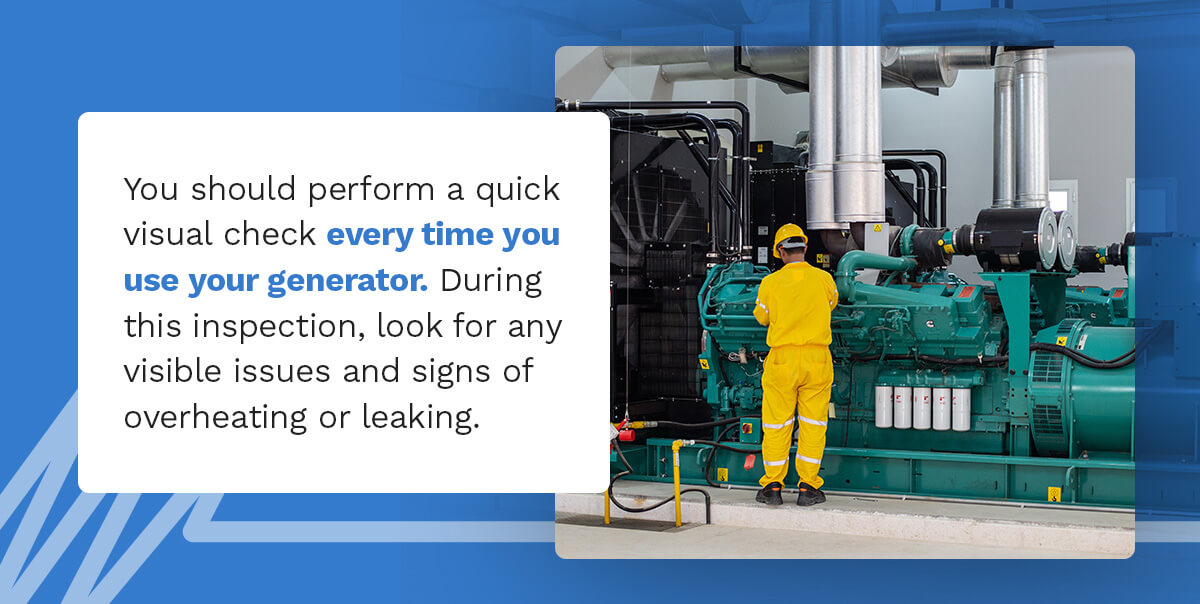
Performing quick checks every week is essential. Start by inspecting the fuel level. Make sure there is enough fuel for operation. Check for any leaks or damage. Look at the battery connections and clean them. Turn on the generator for a few minutes. Listen for any unusual noises. These simple steps help catch small issues early.
Monthly Load Testing
Monthly load testing is important for performance. Run the generator under load for a few hours. This test shows how well it handles real usage. Check the voltage and frequency during the test. Look for any signs of overheating. Record the results for future reference. This will help track any changes in performance.
Annual Comprehensive Inspections
Annual inspections are vital for long-term health. Hire a professional to conduct a thorough check. They will examine all components in detail. The oil and fuel filters need changing. Spark plugs should also be replaced if necessary. This complete inspection helps prevent major issues later. It ensures your generator is ready for emergencies.
Key Benefits Of Routine Testing
Routine testing of your generator ensures it runs smoothly when needed. Regular checks can prevent costly repairs and breakdowns. Testing helps you know when to refuel and maintain it properly, extending its life and reliability.
Routine testing of your generator is crucial for ensuring its optimal performance. Understanding the key benefits of regular checks can motivate you to stay on top of maintenance. Let’s dive into some significant advantages that come with routine testing.
Enhanced Equipment Lifespan
Regular testing extends the life of your generator. Just like a car needs oil changes, generators require consistent checks to function efficiently. By testing your generator, you can identify wear and tear before it leads to major failures. This proactive approach saves you from costly replacements down the road. Have you ever experienced a generator failing during a storm? Such scenarios highlight the importance of routine checks.
Improved Reliability During Emergencies
You rely on your generator during power outages, so it must be ready to perform. Routine testing ensures that your generator starts up quickly when you need it most. Think about the last time you faced a blackout. If your generator had faltered, the inconvenience could have been significant. Regular checks boost your confidence in your equipment. You can rest easy knowing your generator will deliver reliable power when emergencies strike.
Cost Savings On Repairs
Routine testing can lead to substantial savings on repairs. Catching minor issues early prevents them from developing into expensive problems. Imagine discovering a small fuel leak during a test. Fixing it promptly is far cheaper than dealing with the aftermath of a major failure. In the long run, investing time in regular checks pays off. You save money and ensure your generator remains in top shape. Testing your generator routinely not only enhances its lifespan but also guarantees reliability during those crucial moments. Plus, it saves you money on repairs. Wouldn’t you prefer to have peace of mind knowing your generator is ready when you need it?
Common Mistakes To Avoid
Testing your generator is crucial for its performance. Many people make common mistakes that can lead to issues. Avoiding these mistakes can help keep your generator in good shape.
Neglecting Small Issues
Small problems can turn into big ones. Ignoring odd noises or strange smells may lead to failure. Check for leaks or rust regularly. Addressing minor issues early can save you time and money.
Skipping Load Testing
Load testing checks if your generator can handle demands. Skipping this test means you may be unprepared during an outage. Always test your generator under load. This helps ensure it works when you need it most.
Ignoring Professional Maintenance
Professional maintenance is key to a long-lasting generator. Some think they can do it all themselves. This often leads to overlooked problems. Schedule regular check-ups with a technician. They can spot issues you might miss.

Credit: www.reactpower.com
Essential Tips For Effective Generator Testing
Effective generator testing keeps your unit reliable and safe. Regular checks help spot issues before they become serious. Follow these essential tips for better generator performance.
Documenting Test Results
Keep a clear record of all test results. Write down the date, time, and conditions. Note any issues or repairs needed. This information helps track performance over time. It also aids in identifying patterns. Regular documentation is key for maintaining your generator.
Using Quality Testing Equipment
Always use reliable testing equipment. Quality tools give accurate results. Invest in a voltmeter and an ammeter. These devices measure voltage and current effectively. Regularly check and calibrate your equipment. Proper tools ensure safe and efficient testing.
Scheduling Professional Assessments
Hire a professional for thorough assessments. They have the expertise to spot hidden problems. Schedule these assessments at least once a year. This can prevent costly repairs later. A professional can also provide maintenance tips. Keeping your generator in top shape is essential.
Credit: industrialelectricalco.com
Frequently Asked Questions
How Often Should I Run My Generator?
It’s recommended to run your generator every month. This practice helps to keep the engine lubricated and ensures that all components are functioning properly. Additionally, regular testing allows you to identify any potential issues before they become significant problems.
What Is The Best Way To Test A Generator?
The best way to test a generator is to perform a load test. Connect a load to the generator and run it for at least two hours. This simulates real-world usage and helps ensure that the generator can handle its rated capacity effectively.
Can I Test My Generator Too Often?
While regular testing is vital, testing too frequently can lead to wear and tear. Monthly testing is generally sufficient for most generators. However, if you notice any issues, you may want to conduct tests more often until they are resolved.
What Should I Check During A Generator Test?
During a generator test, check the oil level, fuel level, and battery condition. Additionally, listen for unusual sounds and monitor the output voltage. These checks help you ensure the generator is operating efficiently and safely.
Conclusion
Testing your generator regularly is essential. It ensures it works when you need it. Aim for testing every month. Run it for at least 30 minutes. This helps to keep the battery charged and the engine in good shape. Always check fuel levels and connections.
Regular maintenance prevents bigger problems later. Stay safe and prepared. A well-tested generator gives peace of mind. Remember, a little effort now saves you from stress in the future. Keep your generator ready for any emergency.