
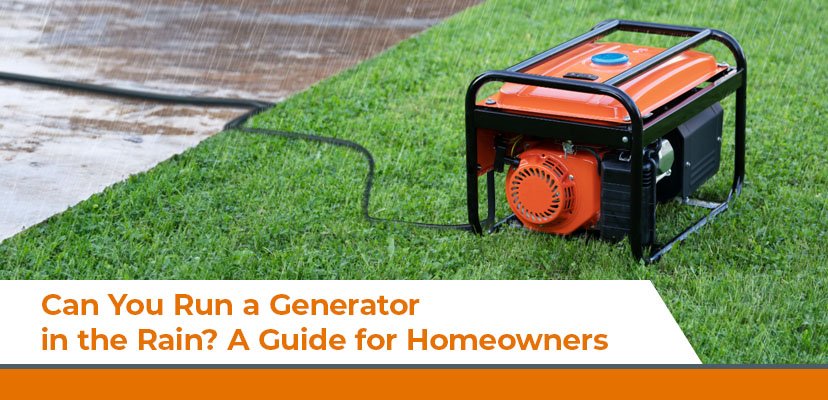
When storms roll in, your generator is your lifeline. But how do you keep it safe from rain?
Protecting your generator from water damage is crucial for its longevity and performance. If you’ve ever worried about the impact of harsh weather on your equipment, you’re not alone. You want to ensure your generator remains functional when you need it most.
You’ll discover practical tips and effective solutions to shield your generator from rain. Don’t let a little water ruin your power source—read on to learn the best ways to keep it dry and ready for action.

Credit: www.gentent.com
Why Protecting Your Generator Matters
Protecting your generator from rain is crucial for its longevity and performance. A generator exposed to wet conditions can suffer significant damage, leading to costly repairs or replacement. Understanding why this protection matters can help you take the right steps to safeguard your investment.
Preventing Electrical Damage
Generators rely on electrical components to function. Rainwater can seep into the unit, causing short circuits or rust. By protecting your generator, you ensure that these vital parts remain dry and operational.
Extending Lifespan
A well-maintained generator can last for years. Rain exposure can accelerate wear and tear, reducing its lifespan. Taking simple precautions now can save you from expensive replacements down the line.
Enhancing Performance
Generators perform best when they are in optimal condition. Moisture can hinder their efficiency, leading to power outages when you need them most. Keeping your generator dry ensures it runs smoothly and reliably.
Saving Money
Investing in protective measures can save you money in the long run. Repairs from water damage can be costly and time-consuming. Why risk it when a simple cover or shelter can do the trick?
Peace Of Mind
Knowing your generator is protected brings peace of mind. You can rest easy during storms, confident that your backup power source is safe. Don’t you want that security for your home and family?
Incorporating protective measures for your generator is not just a good idea; it’s essential. Your generator deserves the best care to ensure it serves you well for years to come. Take action now to protect your investment and enjoy uninterrupted power supply when you need it most.
Common Risks Of Rain Exposure
Rain can damage generators, leading to costly repairs. Protecting your generator is essential for its performance. Using a cover or shelter can keep it safe from wet weather. Proper maintenance also helps to prevent issues caused by rain exposure.
Protecting your generator from rain is crucial to ensuring its longevity and efficiency. Rain exposure can lead to a variety of risks that may compromise the performance of your generator. Understanding these risks will help you take proactive measures to safeguard your equipment.
Electrical Hazards
Rain can create significant electrical hazards for your generator. Water entering the electrical components can cause short circuits, leading to potential fires or equipment failure. Have you ever experienced a power surge during a storm? It’s a scary moment, realizing that your generator might not handle the extra strain if it gets wet. Always check the generator’s housing for any cracks or gaps that could let water in. Using waterproof covers can also be a simple yet effective solution to keep moisture at bay.
Corrosion And Rust
Exposure to rain can lead to corrosion and rust on your generator’s metal parts. This deterioration can weaken the structural integrity and reduce the lifespan of your equipment. Regular maintenance is essential. Wipe down the generator after rain and apply a rust-resistant coating to vulnerable areas. Consider investing in a generator that has an anti-corrosion finish or is designed for outdoor use. These features can save you money and hassle in the long run.
Mechanical Damage
Mechanical components of your generator can also suffer from rain exposure. Water can seep into the fuel system and cause blockages, leading to poor performance or complete failure. Have you ever tried to start a wet engine? It rarely ends well. Make sure to keep your generator covered when not in use. Building a simple shelter or using a tarp can protect it from the elements, ensuring it runs smoothly when you need it most. Taking these steps will help you avoid unnecessary repairs and extend the life of your generator. What measures have you taken to protect your generator from rain?
Choosing The Right Generator Location
Choosing the right spot for your generator is important. Protecting it from rain keeps it safe and functional. Place it under a sturdy cover or in a sheltered area to avoid water damage. Regular checks for leaks will help maintain its performance.
Choosing the right location for your generator is crucial for its longevity and performance. A well-placed generator can withstand rain and other elements, keeping your power supply stable during storms. Let’s dive into the key factors you should consider to ensure your generator remains safe from the rain.
Elevated Surfaces
Position your generator on elevated surfaces. This simple step can significantly reduce the risk of water damage. Concrete pads or platforms work best. They elevate the generator above ground level, preventing water from pooling around it. Even a few inches can make a difference. Think about your yard’s drainage patterns. Water can run downhill, so placing your generator higher may protect it from flooding.
Safe Distances From Structures
Keep your generator at a safe distance from your home and other structures. This isn’t just about avoiding water; it’s also about minimizing risks from exhaust fumes. A distance of at least 15 feet is often recommended. This helps ensure that rainwater from your roof doesn’t directly hit the generator. Consider the layout of your yard. If you have a porch or overhanging eaves, place the generator far enough away to avoid runoff. Think about your neighbors too. You want to avoid any conflicts related to noise or fumes while ensuring your generator stays dry.
Avoiding Flood-prone Areas
Identify flood-prone areas in your yard. If your property has a history of flooding, never place your generator there. Look for low spots or areas where water collects after heavy rain. If you’re unsure, consider using a level to assess the ground. Choosing a dry, elevated spot can prevent unexpected outages during storms. In my experience, I once placed my generator in what seemed like a safe corner of my yard. After a heavy rain, I found it submerged, leading to costly repairs. Learn from that mistake; always prioritize location. Taking the time to choose the right location for your generator can save you headaches and money in the long run. Are you ready to secure your generator against the elements?
Using Generator Covers Effectively
Protecting your generator from rain is essential for its longevity. Using a good cover helps keep moisture away. Choose a durable, waterproof cover to shield your generator effectively. Proper care ensures it runs well when you need it most.
Using generator covers effectively can make a significant difference in protecting your generator from rain and moisture. A good cover not only shields your generator from the elements but also extends its lifespan. Let’s break down how to choose the right cover and use it properly.
Waterproof Vs. Water-resistant Covers
Choosing between waterproof and water-resistant covers can be crucial. – Waterproof covers offer the highest level of protection. They prevent water from penetrating, keeping your generator dry in heavy rain. – Water-resistant covers provide a layer of protection but may not withstand heavy downpours. These are better suited for light rain or as a secondary protective measure. Consider your environment. If you live in an area prone to heavy rainfall, investing in a waterproof cover is wise. A water-resistant cover might save you money, but it won’t offer the same level of assurance.
Proper Ventilation Considerations
Ventilation is often overlooked but is essential for your generator’s health. Using a cover that allows for airflow helps prevent moisture buildup inside the generator. Moisture can lead to rust and damage over time, negating the purpose of the cover. Ensure your cover has vents or slits designed for airflow. These features keep your generator protected while allowing any trapped heat or moisture to escape. Consider your generator’s placement as well. If it’s in a covered area, like a patio, ensure that the cover doesn’t trap moisture from the surrounding environment.
Choosing Durable Materials
Material choice is fundamental in selecting a generator cover. Opt for covers made from heavy-duty fabrics like polyester or vinyl. These materials withstand harsh weather conditions and resist tearing. Some covers come with added UV protection, which is vital if your generator will be exposed to sunlight. Take time to read reviews and ask for recommendations. A durable cover can last for years, saving you money in the long run. Have you ever experienced damage due to a poor-quality cover? Investing in a reliable cover now can prevent future headaches. Your generator deserves the best protection. Selecting the right cover can save you both time and money while ensuring your generator runs smoothly when you need it most.
Building A Protective Enclosure
Protecting a generator from rain is essential for its longevity. Building a protective enclosure is an effective solution. Use weather-resistant materials to shield the generator while ensuring proper ventilation. This keeps it safe from water damage and allows it to function correctly during storms.
Building a protective enclosure for your generator is essential to shield it from rain and moisture. A well-constructed shelter not only extends the life of your equipment but also ensures it operates efficiently when you need it most. Let’s explore some practical ideas for creating a sturdy protective space for your generator.
Diy Shed Or Shelter Ideas
Creating a DIY shed can be a rewarding project. You can use materials like wood or metal to construct a simple structure. – Start with a solid base: Use pressure-treated wood or concrete blocks to elevate your generator and keep it dry. – Choose a durable roof: A slanted roof will allow rainwater to run off easily. Metal or waterproof roofing materials are excellent choices. – Ensure proper ventilation: Include vents to prevent overheating. This is crucial for the generator’s performance. Consider your space and needs. A compact design might work for smaller generators, while larger models may require a more spacious setup.
Portable Generator Tents
Portable generator tents are a convenient option if you want flexibility. These tents are designed specifically to provide weather protection. – Easy setup: Most tents can be assembled quickly and without the need for tools. – Lightweight and portable: You can easily transport them wherever you go, making them ideal for camping or outdoor events. – Waterproof materials: Look for tents made from durable, weather-resistant fabrics. This ensures your generator stays dry in heavy rain. Have you ever tried using a portable tent? It can be a game changer during unpredictable weather conditions.
Custom Weatherproof Solutions
If you have specific needs, consider a custom weatherproof solution. This might involve hiring a contractor or using pre-made components to build an enclosure. – Insulated walls: Adding insulation can help protect against temperature fluctuations. – Custom drainage systems: Ensure water runs away from your generator by installing proper drainage. – Lockable doors: For added security, consider adding doors that can be locked. This helps protect your investment from theft. Think about the long-term benefits of a custom enclosure. Is it worth the investment for peace of mind and protection against the elements? Taking the time to build or purchase a protective enclosure will significantly enhance the longevity and efficiency of your generator. Your preparations now will pay off when you need your generator most.
Essential Maintenance Practices
Protecting your generator from rain requires regular maintenance. These practices help keep your generator safe and functional. Simple actions can prevent moisture damage. Here are some essential maintenance tips.
Regular Inspection For Moisture Damage
Check your generator frequently for signs of moisture. Look for rust, corrosion, or mold. These indicate water exposure. If you find any issues, act quickly. Dry the affected areas and apply protective coatings.
Inspect all electrical connections. Moisture can cause shorts. Ensure everything is dry and secure. A clean generator works better and lasts longer.
Cleaning And Drying After Use
After each use, clean your generator. Remove dirt and debris. Use a soft cloth to wipe it down. Pay attention to air filters and vents. A clean generator runs smoothly.
Dry the generator thoroughly. Moisture can lead to damage. Use a fan or let it air dry. Proper drying prevents rust and keeps connections safe.
Lubricating Moving Parts
Regularly lubricate moving parts. This reduces friction and wear. Use the recommended lubricant for your model. Check the owner’s manual for guidance.
Focus on bearings, shafts, and other moving components. Proper lubrication keeps your generator running efficiently. It also extends its lifespan.
Safety Tips For Operating In Wet Conditions
Protect your generator from rain with a sturdy cover. Use a waterproof tarp to shield it from wet conditions. Always place the generator in a well-drained area to prevent flooding. Regularly check for moisture and ensure all connections are secure.
Stay safe while using your generator outdoors.
Operating a generator in wet conditions can be tricky, but with the right safety measures, you can protect both your generator and yourself. Rain poses unique challenges that require attention to detail. Here are some essential safety tips to keep in mind while using your generator during rainy weather.
Using Ground Fault Circuit Interrupters
Ground Fault Circuit Interrupters (GFCIs) are crucial for safe generator operation in wet conditions. They automatically shut off power if they detect a ground fault, reducing the risk of electric shock. Consider installing GFCI outlets for your generator. They provide an added layer of protection against water-related electrical hazards. Always check that your GFCI is functioning correctly before using your generator in the rain.
Avoiding Contact With Wet Surfaces
Wet surfaces can be slippery and dangerous. If you’re setting up your generator outside, ensure the ground is dry and stable. Keep your generator elevated off the ground if possible. Use a sturdy platform or a mat designed for outdoor use. This will prevent moisture from seeping into your generator and minimize the risk of slipping while you operate it. Stay clear of puddles and avoid using your generator in flooded areas. Always remember, wet hands and equipment don’t mix well.
Shutting Down During Heavy Rain
Heavy rain can cause significant damage to your generator. If the forecast predicts a storm, consider shutting down your generator until conditions improve. Water can enter the generator’s components, leading to malfunctions or electrical issues. It’s better to be safe than sorry. If you notice heavy winds or lightning, turn off your generator immediately. Protecting your equipment should always be a priority. What measures do you take to ensure safety when operating your generator in the rain?
Credit: www.tiktok.com
Recommended Accessories For Wet Weather
Protecting your generator from rain is essential for its longevity and performance. Investing in the right accessories can make all the difference. Here’s a look at some recommended accessories for wet weather that will keep your generator safe and functional.
Heavy-duty Extension Cords
Using heavy-duty extension cords is crucial when operating your generator in wet conditions. These cords are designed to withstand moisture and prevent electrical hazards. Look for cords with a high gauge rating, as they can handle more power and are more durable.
Make sure the cords you choose are also rated for outdoor use. This will ensure they can handle rain and damp environments without compromising safety. Always check for any visible wear or damage before use, especially after storms.
Weatherproof Outlet Covers
Weatherproof outlet covers provide an extra layer of protection for your generator’s outlets. These covers keep moisture out, reducing the risk of short circuits. When selecting outlet covers, ensure they are rated for outdoor use and can withstand harsh weather conditions.
Installing these covers is a simple DIY task that pays off in the long run. They are often easy to snap on and off, providing convenience when you need to connect or disconnect your generator. Consider investing in covers with built-in gaskets for an even tighter seal against the rain.
Rainproof Transfer Switches
Rainproof transfer switches are essential for safe generator operation during wet weather. These switches help you connect your generator to your home’s electrical system without exposing it to the elements. Choose transfer switches that are specifically designed to be weather-resistant and meet local electrical codes.
Using a rainproof transfer switch not only protects your generator but also enhances safety for your household. You won’t have to worry about water infiltration while powering your home during a storm. Think about how much peace of mind that can provide when the weather takes a turn for the worse.
Investing in these accessories can greatly enhance the safety and reliability of your generator during rainy days. Protect your investment and enjoy uninterrupted power when you need it most.

Credit: www.facebook.com
Frequently Asked Questions
How Can I Cover My Generator From Rain?
Using a waterproof cover is the simplest solution. Ensure it fits snugly to prevent water entry. Alternatively, you can build a temporary shelter using tarps or a gazebo. Just make sure there is enough ventilation to avoid overheating. Regularly check the cover for wear and tear.
Is It Safe To Use A Generator In The Rain?
No, operating a generator in the rain is not safe. Water can cause electrical failures or short circuits. Always keep your generator dry to ensure safe operation. If rain is forecasted, relocate it to a sheltered area or cover it securely.
Safety should always be your top priority.
What Materials Are Best For Generator Rain Protection?
Waterproof tarps, heavy-duty plastic sheeting, and custom generator covers work well. Look for materials that are durable and UV resistant. Ensure they provide proper ventilation to prevent overheating. Avoid using non-breathable materials, as they can trap moisture. Always choose high-quality protective gear.
Can I Use A Generator Indoors During Rain?
No, never use a generator indoors, regardless of weather. Generators produce carbon monoxide, which is deadly in enclosed spaces. During rain, operate your generator in a well-ventilated area outside. Ensure it’s far from windows and doors to avoid gas accumulation.
Your safety is paramount.
Conclusion
Protecting your generator from rain is essential. A well-covered generator lasts longer and works better. Use a sturdy cover or build a shelter. Make sure there’s enough airflow to avoid overheating. Regular maintenance keeps it in top shape. Check for rust and moisture damage often.
Remember, safety first. Following these tips will help your generator stay safe and efficient. Keep your power source ready for use, no matter the weather. Simple actions now can save you trouble later. Take care of your generator, and it will take care of you.