
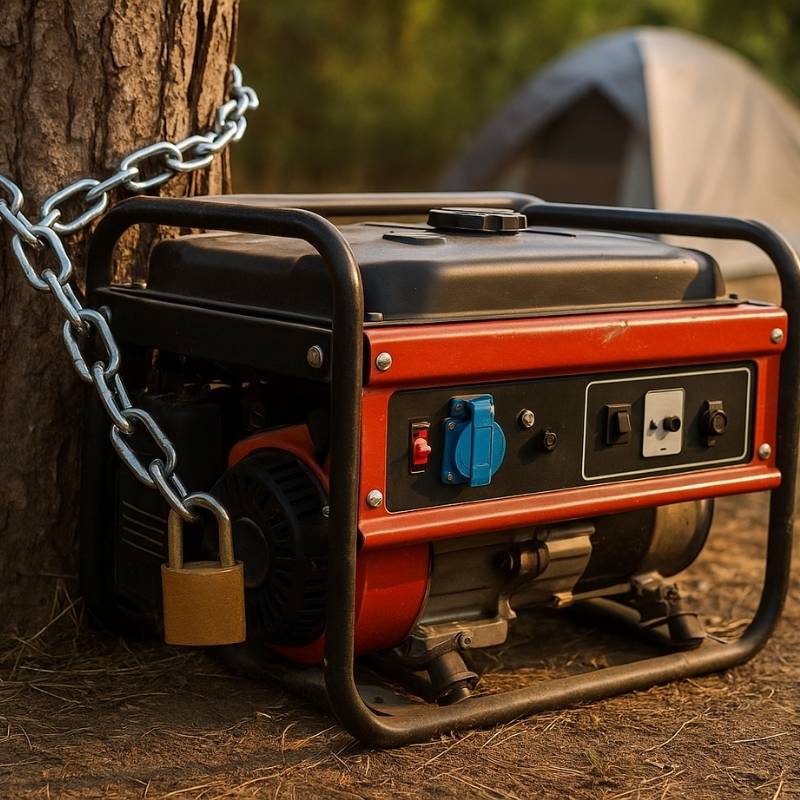
Camping with a generator gives you the freedom to enjoy your favorite outdoor spots without sacrificing comfort. But what if your generator gets stolen or tampered with?
Securing your generator isn’t just about protecting your gear—it’s about keeping your entire camping experience safe and hassle-free. You’ll discover simple yet effective ways to lock down your generator, making it much harder for thieves to take it away. From smart placement and physical locks to clever tricks that deter theft, you’ll learn exactly how to protect your power source so you can focus on what really matters—enjoying your time outdoors.
Keep reading to find out how to secure your generator while camping and never worry about losing your essential gear again.
Physical Locks And Chains
Physical locks and chains are essential tools to protect your generator while camping. They serve as strong barriers that slow down or stop thieves. Using them correctly reduces the risk of theft and gives peace of mind.
These devices work best when paired with smart placement and constant vigilance. Choosing the right type of lock and securing it to a solid object makes your generator much harder to steal. Let’s explore the key steps.
Choosing Heavy-duty Locks
Select locks made from hardened steel for maximum strength. Avoid cheap or thin locks that bolt cutters can easily break. Look for locks that resist rust and weather damage to last outdoors. Padlocks with a shrouded shackle protect against cutting tools. A lock with a double locking mechanism offers extra security. Heavy-duty locks provide a strong physical deterrent to thieves.
Securing To Fixed Objects
Attach your generator to a heavy, immovable object. Use chains or cables to loop through the generator frame and around trees, poles, or ground anchors. Avoid weak or loose objects that can be lifted or moved. Ground anchors driven deep into the soil offer excellent resistance. Secure placement ensures the generator cannot be carried away quickly. Always double-check the lock and chain tension before leaving your camp.

Credit: truegear.com.au
Anchoring The Generator
Anchoring the generator is a key step to keep it safe during camping trips. A well-anchored generator stays put, reducing the risk of theft or accidental movement. It also protects your equipment from wind or uneven ground. Proper anchoring gives you peace of mind and helps your camping experience run smoothly.
Using Ground Anchors
Ground anchors are simple tools that secure your generator directly to the earth. You can screw them into the soil next to the generator. Then, use a heavy-duty chain or cable to fasten the generator to the anchor. This method works best on soft ground like dirt or grass. It makes the generator hard to move or steal. Choose anchors made of strong metal for the best hold.
Mounting To Permanent Brackets
Permanent brackets provide a solid base for your generator. These brackets attach to a fixed surface, such as a wooden platform or a camping trailer. You bolt the generator onto the bracket, creating a firm connection. This setup stops the generator from sliding or tipping over. It also allows quick setup and removal. Use strong bolts and check them often for safety.
Enclosures And Barriers
Enclosures and barriers protect your generator from theft and damage. They create a physical obstacle that stops easy access. This method adds a strong layer of security, especially when camping in public or remote areas. Proper enclosures keep the generator safe from weather and curious hands. Simple structures and fences can make a big difference in security and peace of mind.
Building Lockable Sheds
Building a lockable shed is a smart way to secure your generator. Use durable materials like metal or treated wood to resist weather and break-ins. Make sure the shed has a strong door with a reliable lock. A padlock or combination lock adds extra protection. Lockable sheds also keep the generator clean and dry. Portable sheds can be set up quickly and moved with you.
Creating Gated Fences
Gated fences create a secure area around your generator. Use metal or wooden panels that are hard to climb or cut through. Install a lockable gate that only you can open. Fence height should be enough to deter thieves. Gated fences also keep animals away from the generator. They work well when you can’t build a full shed but still need protection.
Removing Mobility
Removing mobility from your generator is a key step in keeping it safe while camping. A generator that cannot be easily moved is less tempting to thieves. This method works well alongside locks and chains to increase security. Simple changes can make a big difference in protecting your equipment.
Taking Off Wheels
Many portable generators have wheels for easy transport. Removing these wheels stops quick theft attempts. Use basic tools to detach the wheels before setting up camp. Without wheels, the generator becomes much harder to roll away. Keep the wheels in a safe place until you are ready to move the generator again.
Using Quick-release Links
Quick-release links help remove wheels fast and without damage. They allow you to detach and reattach wheels in minutes. These links provide convenience and extra security. When the wheels are off, the generator stays locked in place. Quick-release links also make maintenance easier while camping.
Strategic Placement
Strategic placement plays a key role in securing a generator while camping. It reduces the risk of theft and damage by choosing the right spot. Proper positioning helps keep the generator visible and protected. Campers should think about safety and convenience when placing the generator.
Selecting Well-lit Areas
Choose spots with good lighting to place your generator. Bright areas discourage thieves and make it easier to check on your equipment. Lighting also helps you avoid accidents when using the generator at night. Select an area near your campsite that stays well-lit after dark.
Blocking Easy Access
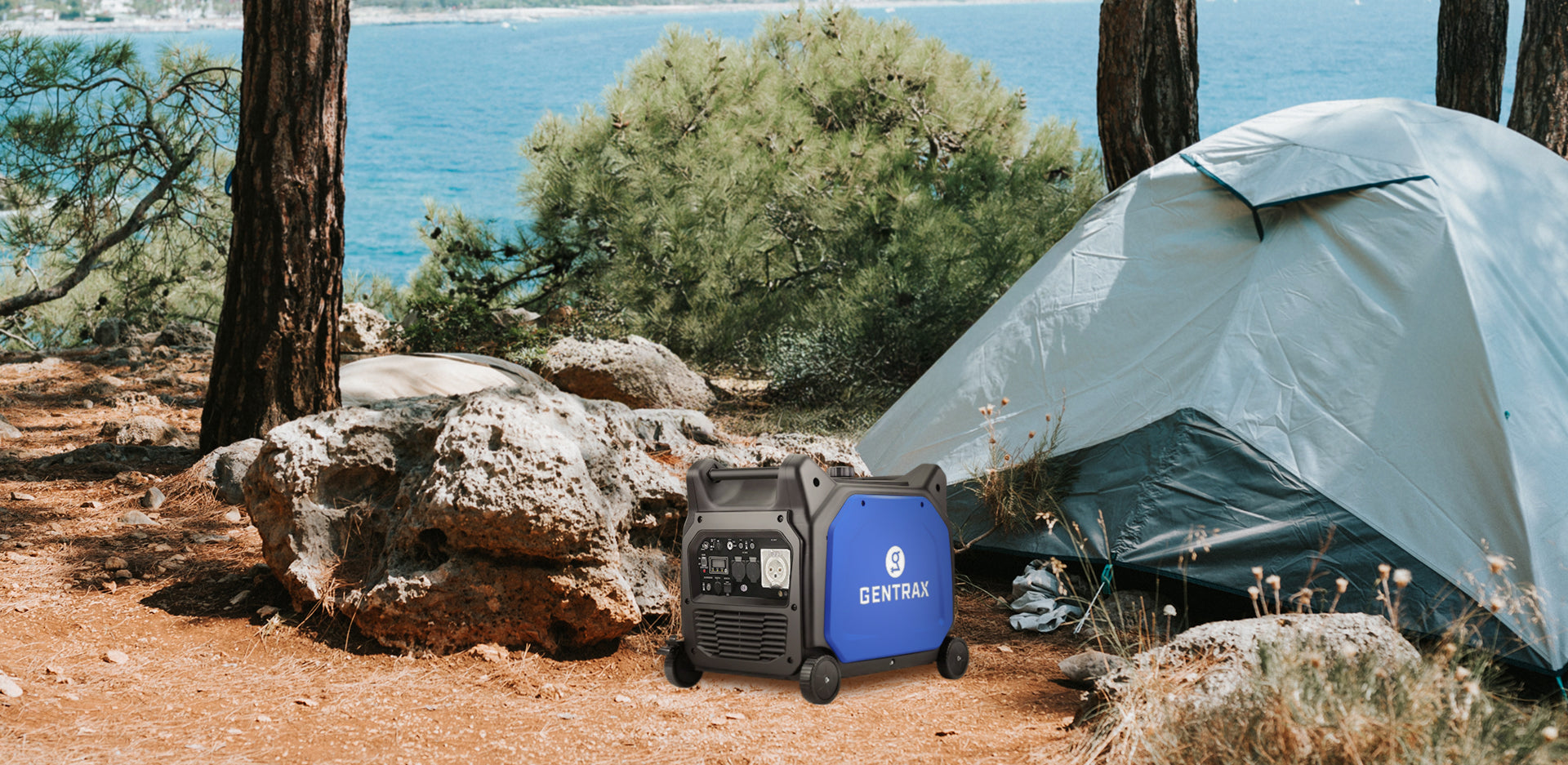
Place the generator where it is hard to reach or move quickly. Use natural barriers like trees or rocks to block access paths. Avoid open spaces where anyone can approach without being seen. Adding obstacles around the generator slows down anyone trying to steal it.
Indoor Storage Options
Storing your generator indoors while camping adds an important layer of security. Indoor storage protects your generator from theft and weather damage. It also keeps the unit ready for use whenever needed. Choosing the right indoor storage option depends on your camping setup and available space.
Indoor storage prevents unwanted attention from thieves. It also shields the generator from rain, dust, and dirt. This helps extend the life of your generator and keeps it working well.
Using Garages And Sheds
Garages and sheds provide a secure place for your generator. These structures can be locked to stop unauthorized access. Place your generator on a stable surface inside to avoid damage. Make sure the area is well-ventilated to prevent gas buildup. If possible, use a heavy-duty chain or lock to anchor the generator inside. This adds extra protection against theft. Choose a shed or garage near your camping spot for easy access.
Covering When Not In Use
Covering your generator indoors adds another security step. Use a thick, durable cover that hides the unit completely. Covers protect your generator from dust and moisture inside the storage space. A covered generator is less likely to catch a thief’s eye. When not in use, always cover and lock the generator securely. This simple habit keeps your equipment safe and in good shape.
Security Cameras
Security cameras play a key role in protecting your generator while camping. They act as a strong deterrent against theft. Cameras also help you monitor your generator remotely. Choosing the right camera type depends on your camping setup and needs.
Installing Visible Cameras
Place cameras where they are easy to see. Visible cameras warn potential thieves to stay away. Mount cameras at a height to cover the generator and surrounding area. Use bright colors or stickers to highlight the camera’s presence. Visible cameras can reduce the risk of theft by making your generator a less attractive target.
Using Wi-fi Enabled Models
Wi-Fi cameras offer live video streaming to your phone or tablet. This lets you check your generator anytime from anywhere. Choose models with motion detection alerts for quick warnings. Some cameras record video to the cloud for safe storage. Wi-Fi cameras increase your peace of mind by keeping you connected to your campsite security.
Credit: outbax.com.au
Gps Tracking
GPS tracking offers a smart way to keep your generator safe while camping. This technology helps you know the exact location of your generator in real time. It adds a layer of security beyond physical locks or chains.
Small GPS devices can be easily attached to your generator. They work by sending location signals to your phone or computer. This makes it simple to monitor your generator’s position at all times.
Hiding Trackers
Hiding the GPS tracker well is key to its effectiveness. Place it in a spot that is hard to see but does not block the signal. Common hiding spots include inside the fuel tank cover or under the frame.
A good hiding spot keeps the tracker safe from thieves who might try to remove it. Use strong tape or zip ties to secure the device firmly. This prevents accidental loss or damage during travel.
Locating Stolen Generators
If your generator is stolen, GPS tracking helps you find it fast. You get alerts and a live map showing the generator’s movement. This information is useful for reporting to the police.
Some GPS trackers come with features to notify you if the generator moves without permission. This early warning can stop theft before it happens or help recover your equipment quickly.
Identification Marks
Marking your generator with clear identification helps protect it from theft. Identification marks make it easier to prove ownership. Thieves avoid equipment that is hard to sell or trace. Simple marks can add a strong layer of security to your camping gear.
Engraving Serial Numbers
Engrave the generator’s serial number on a visible metal part. Use a metal stamp or engraving tool for permanence. This mark stays even if paint or labels fade. Serial numbers link the generator directly to you. Law enforcement can use it to recover stolen units.
Adding Contact Information
Write your phone number or email on the generator frame. Use weatherproof labels or permanent markers. Make sure the contact details are clear and easy to read. This helps honest finders return your generator quickly. Keep the information simple and visible without damaging the equipment.

Credit: www.reddit.com
Additional Theft Deterrents
Securing a generator while camping involves more than just locks and chains. Extra theft deterrents can make a big difference. These simple steps help keep your generator safe and out of sight. Using covers and obstacles adds layers of protection that discourage thieves quickly.
Covering The Generator
Cover your generator with a durable, weatherproof tarp or case. A cover hides the generator from view. Thieves often avoid targets they cannot see clearly. Use a cover that blends with the environment. This reduces the chance your generator draws attention.
Choose a cover that fits tightly. Loose covers may flap in the wind and reveal the generator. Secure the cover with straps or bungee cords. This prevents easy removal by unwanted visitors. A covered generator looks less inviting and lowers theft risk.
Using Obstacles Around It
Place objects around the generator to block access. Heavy rocks, logs, or camping gear can work well. These obstacles slow down any thief trying to grab the generator. The more difficult it looks to steal, the less likely thieves will try.
Arrange obstacles so they do not interfere with generator operation or ventilation. Keep a clear path for safety but limit direct access. Position the generator near a wall or tree if possible. Natural barriers add extra protection without extra cost.
Frequently Asked Questions
How To Secure A Generator From Theft While Camping?
Secure your generator with heavy-duty locks and chains attached to immovable objects. Use ground anchors and lockable enclosures. Place it in well-lit, visible areas and remove wheels to prevent easy movement. Adding GPS trackers enhances security and deters theft effectively while camping.
Where To Put A Generator When Camping?
Place the generator on a flat, stable surface away from tents. Keep it well-ventilated and noise-considerate. Secure it with locks or anchors in a visible, well-lit spot to prevent theft.
How Do You Protect A Portable Generator From Theft?
Secure a portable generator using heavy-duty locks, chains, or ground anchors. Place it in well-lit, visible areas or locked enclosures. Remove wheels to prevent easy movement. Use security cameras or GPS trackers for added protection. Mark or cover the generator to deter thieves.
What Is The 20/20/20 Rule For Generators?
The 20/20/20 rule for generators means running the generator for 20 minutes every 20 hours under a 20% load. This prevents engine fouling and ensures smooth operation.
How Can I Prevent Generator Theft While Camping?
Use heavy-duty locks, chains, and anchor the generator to a fixed object.
Where Is The Safest Place To Keep A Generator At Camp?
Place it in a locked shed or store inside your vehicle if possible.
What Type Of Lock Is Best For Securing A Camping Generator?
Choose a high-security padlock made of hardened steel for better protection.
Should I Cover My Generator When Not In Use?
Yes, covering hides it from view and protects it from weather damage.
Can Gps Trackers Help Secure My Portable Generator?
Yes, GPS trackers allow you to track your generator if it gets stolen.
How Important Is Lighting For Generator Security At A Campsite?
Bright lighting deters thieves by increasing visibility around your generator.
Conclusion
Securing your generator while camping keeps your equipment safe and your mind at ease. Use strong locks and chains to fasten it to a solid object. Place the generator in well-lit, visible spots to deter thieves. Consider ground anchors or built enclosures for added protection.
Removing wheels or loose parts makes theft harder. Small steps prevent big problems. Stay alert and prepared to enjoy your camping trip worry-free.