
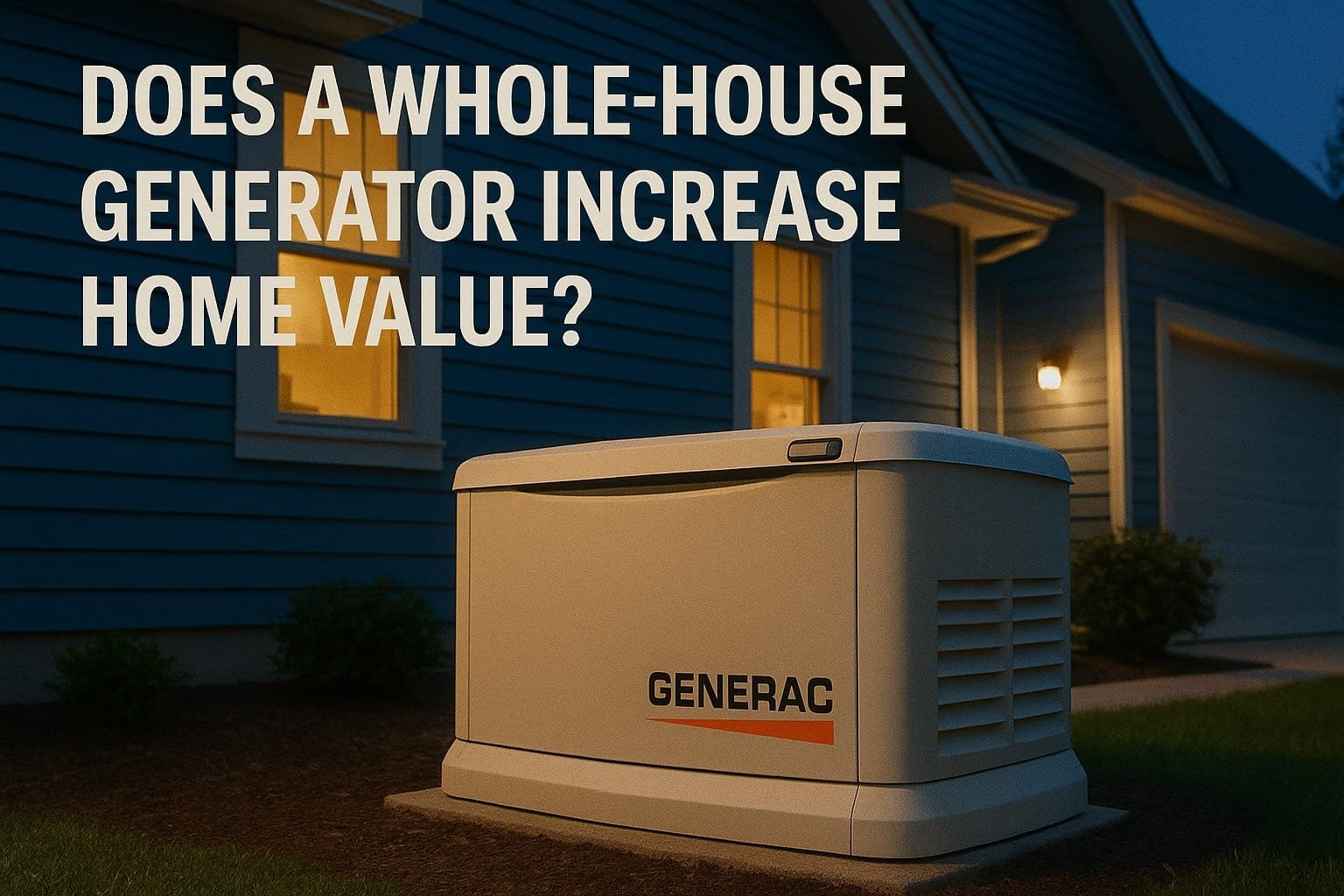
Have you ever worried about what happens when the power goes out at the worst possible time? Imagine your home staying bright, warm, and fully functional no matter what’s happening outside.
That’s exactly what a whole house generator promises. But here’s the big question: does adding one actually increase your home’s value? If you’re thinking about investing in a whole house generator, you want to know if it’s just about convenience or if it truly makes your property more attractive to buyers.
Keep reading, because we’re diving into how a whole house generator can impact your home’s worth—and whether it’s the right move for you.
Benefits Of Whole House Generators
Whole house generators provide a reliable power source during outages. They keep your home running smoothly without interruption. Many homeowners find these systems improve daily comfort and safety.
This section explores key benefits of whole house generators. Understanding these advantages helps decide if a generator adds value to your home.
Automatic Power Supply
Whole house generators start automatically when the power goes out. You do not need to lift a finger. This feature keeps lights, appliances, and heating or cooling systems working nonstop.
Protects Home Appliances And Systems
Generators prevent damage to important systems like sump pumps and security alarms. These devices keep your home safe during storms or floods. The generator ensures they stay powered and functional.
Supports Medical And Work Needs
Power outages can disrupt medical devices or home offices. A whole house generator guarantees electricity for essential health equipment and work tools. This support reduces stress during blackouts.
Increases Home Comfort
Your home stays comfortable with heating or cooling systems running continuously. The generator stops cold or heat loss, making long outages easier to handle for all family members.
Enhances Home Value
Homes with whole house generators appeal to buyers who want safety and convenience. This feature can increase your property’s market value. It offers a strong selling point in areas with frequent outages.
How Generators Boost Home Value
Whole house generators increase home value in several key ways. They offer steady power during outages, which many buyers see as a strong benefit. This feature makes homes more attractive and practical.
Generators protect your home’s systems. They keep sump pumps, security, and heating working, preventing damage. Buyers value this protection, boosting your home’s appeal.
Improved Home Reliability
A whole house generator provides reliable power automatically. It starts without manual work, keeping lights and appliances on. This reliability appeals to buyers who want comfort and safety.
Protection Against Damage
Generators prevent costly damage from power loss. Running sump pumps stop flooding, and security systems stay active. Buyers see this as a smart investment in home care.
Support For Essential Needs
Medical devices and home offices need constant power. A generator keeps these running during outages. Buyers with special needs or remote jobs find this feature very useful.
Increased Market Appeal
Homes with whole house generators stand out in the market. They offer peace of mind and convenience. This makes the property more desirable and can lead to a faster sale.
Financial Investment And Costs
Investing in a whole house generator involves several financial aspects. This system requires a significant upfront cost and ongoing expenses. Understanding these costs helps determine if it adds value to your home.
Initial Purchase And Installation Costs
The price of a whole house generator varies widely. It depends on the generator’s size and brand. Installation includes wiring and connection to your home’s electrical system. Professional installation ensures safety and proper function. Costs can range from $5,000 to $15,000 or more. Larger homes or special needs increase the price.
Maintenance And Operating Expenses
Generators need regular maintenance to stay reliable. Annual check-ups and oil changes cost a few hundred dollars. Fuel expenses add to the operating costs. Most generators run on natural gas or propane. Fuel costs depend on local prices and usage. Skipping maintenance can lead to costly repairs later.
Long-term Financial Benefits
A generator can protect your home from damage during outages. It keeps systems like sump pumps and security alarms running. This protection can save money on repairs. Homes with generators may attract buyers willing to pay more. The added value depends on your local market and outage frequency. Consider your area’s weather and power reliability.

Credit: lj-machine.com
Maintenance And Upkeep Needs
Owning a whole house generator means more than just installation. It requires regular maintenance and upkeep to keep running smoothly. Proper care ensures the generator works during power outages and extends its lifespan. Neglecting maintenance may lead to costly repairs or failure when you need it most.
Routine checks and servicing help prevent unexpected breakdowns. A well-maintained generator adds value to your home by showing buyers it is reliable and cared for. Knowing the upkeep needs helps homeowners plan for time and costs.
Regular Inspection And Servicing
Generators need regular inspections to check fuel levels, oil, and filters. Clean filters improve performance and prevent engine damage. Technicians often recommend service once or twice a year depending on usage. This service may include oil changes, spark plug checks, and battery tests.
Fuel Management
Fuel quality affects generator performance. Gasoline and diesel can degrade over time, causing starting problems. Storing fresh fuel and adding stabilizers can reduce issues. Some generators run on propane or natural gas, which require less frequent fuel replacement but still need monitoring.
Battery Maintenance
Many whole house generators use batteries to start. These batteries need periodic testing and charging. Dead or weak batteries prevent the generator from starting during outages. Replacing batteries every few years is common to maintain reliability.
Environmental Considerations
Generators installed outdoors face weather exposure. Protecting the unit from rain, snow, and debris helps prevent damage. Clearing leaves and dirt around the generator improves airflow and cooling. Regular cleaning reduces the risk of corrosion and mechanical problems.
Cost Of Upkeep
Maintenance costs vary but usually range from $200 to $500 yearly. These costs cover inspections, oil changes, and minor repairs. Setting aside a budget for upkeep saves money by preventing major failures. Proper maintenance keeps the generator ready and increases home value by ensuring it works reliably.
Space And Installation Requirements
Installing a whole house generator requires careful planning about space and setup. These generators are large and need a dedicated area outside the home. Proper installation ensures safety and efficient operation.
Space and installation affect how easily a generator fits into a property. The generator must be placed on a stable, level surface such as a concrete pad. It should be close to the home’s electrical panel for simple connection.
Size And Location Of The Generator
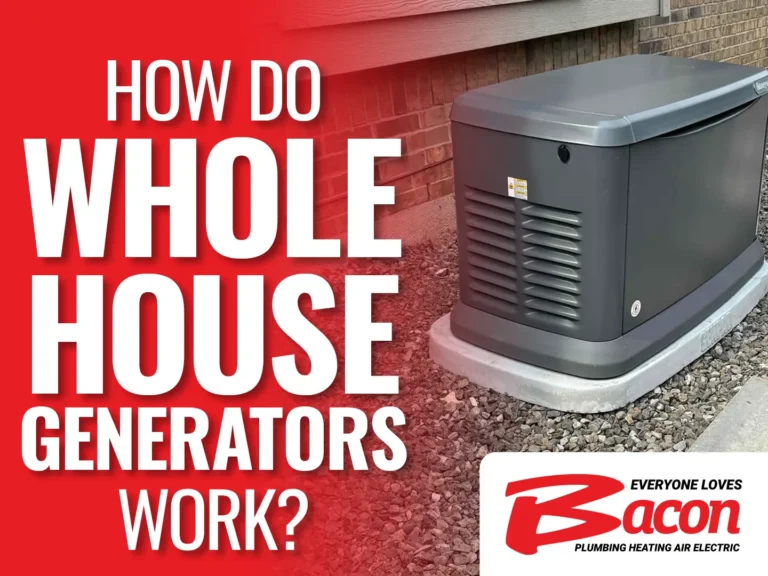
Whole house generators are about the size of a central air conditioner unit. They need enough clearance around them for ventilation and maintenance access. The best locations are usually beside or behind the house. Avoid placing generators near windows or doors to reduce noise inside the home.
Electrical And Fuel Connections
Generators require connection to your home’s electrical system by a licensed electrician. Proper wiring is crucial for safety and reliable power supply. Most generators run on natural gas or propane, so they need a fuel line installed nearby. The fuel source must be safe and meet local codes.
Noise And Ventilation Considerations
Generators produce noise during operation. Sound barriers or enclosures can help reduce noise levels. Good ventilation is necessary to prevent overheating and allow exhaust gases to escape safely. Clear space around the unit helps maintain airflow and keeps the generator working efficiently.
Impact In Severe Weather Regions
Homes in severe weather regions face frequent power outages. Storms, hurricanes, and heavy snow can cut electricity for days. A whole house generator provides continuous power during these times. It keeps homes safe, warm, and functional.
Generators protect critical systems like sump pumps and heating units. This protection helps avoid costly water damage and freezing pipes. The convenience of automatic power backup adds great value to homes in these areas.
Reliability During Storms
Whole house generators turn on automatically when power fails. They provide instant electricity to the entire home. This reliability is crucial during storms and emergencies. Families stay comfortable and connected without manual intervention.
Protecting Home Systems
Severe weather often threatens home systems like water pumps and security alarms. Generators keep these systems running smoothly. This protection prevents damage and increases the home’s safety. It also reduces repair costs after storms.
Boosting Home Value
Buyers in severe weather zones often seek homes with backup power. A whole house generator is a strong selling point. It shows the home is prepared for emergencies. This feature can increase the home’s market value and appeal.
Generators For Medical And Work Needs
Whole house generators provide essential power support for homes with medical equipment.
Many medical devices require constant electricity to operate safely and effectively. A power outage can create serious health risks for people relying on equipment like oxygen concentrators, ventilators, or dialysis machines.
For those who work from home, a generator keeps computers, internet, and other devices running. This helps maintain productivity and income during outages.
Powering Medical Devices Safely
Whole house generators deliver a steady power supply to critical medical devices. This prevents interruptions that could harm health or cause emergency situations.
Automatic transfer switches activate the generator immediately when power fails. Families can avoid manual setup and stay worry-free during storms or blackouts.
Supporting Remote Work And Productivity
Generators ensure essential office equipment stays on without interruption. This includes computers, routers, printers, and lighting.
Reliable power lets remote workers meet deadlines and maintain communication. It reduces stress caused by unexpected outages and lost work time.
Increasing Home Value With Essential Power Backup
Homes equipped with whole house generators appeal more to buyers who need reliable power for health or work.
This feature can set a property apart in areas prone to frequent outages. Buyers see it as a valuable investment for safety and convenience.

Credit: www.angi.com
Portable Vs Whole House Options
Choosing between a portable generator and a whole house generator is important. Each option serves different needs and budgets. Portable units are smaller and less expensive. Whole house generators offer complete power backup but cost more. Understanding their differences helps decide which adds more value to your home.
What Is A Portable Generator?
Portable generators are compact and easy to move. They provide power to select appliances using extension cords. These units run on gasoline or propane. They do not connect directly to your home’s electrical system. Portable generators are useful for short outages or outdoor activities.
What Is A Whole House Generator?
Whole house generators connect to your home’s electrical panel. They start automatically during a power outage. These systems run on natural gas or propane. They power your entire home, including heating and cooling. Whole house generators require professional installation and space outside your home.
Cost Differences Between Portable And Whole House Generators
Portable generators cost less upfront, usually under $1,000. Whole house generators can cost $5,000 or more, including installation. Portable units need fuel and manual setup during outages. Whole house systems have higher installation and maintenance costs but work automatically. Consider your budget and power needs carefully.
Impact On Home Value
Whole house generators increase home value in areas with frequent outages. They provide peace of mind and convenience that buyers appreciate. Portable generators do not add value since they are temporary solutions. Installing a whole house generator can make your home more attractive to buyers.
Which Option Fits Your Needs?
Portable generators suit occasional, short-term power loss. Whole house generators fit families needing constant power backup. Consider health needs, work-from-home requirements, and local power reliability. The right choice depends on your lifestyle and how much value you want to add to your home.
Tax And Legal Considerations
Tax and legal factors play a key role in deciding on a whole house generator. Understanding these issues helps avoid costly mistakes. It also clarifies any financial benefits you might receive.
Tax Credits And Incentives
Some states offer tax credits for installing whole house generators. These incentives reduce the overall cost. They encourage energy-efficient or emergency preparedness improvements. Check local and federal programs for eligibility and application steps.
Permits And Regulations
Installing a generator often requires permits. Local building codes set rules about placement and noise levels. Following these rules prevents fines or forced removal. Always consult local authorities before installation.
Insurance Impacts
Adding a generator can affect home insurance. It may lower premiums by reducing risk during outages. Inform your insurance provider about the new installation. This ensures proper coverage and potential discounts.
Property Disclosure
When selling your home, disclose the generator installation. This builds trust with potential buyers. Full disclosure avoids legal trouble later. It may also increase your home’s market value.
Resale Value Insights
Resale value matters for many homeowners considering a whole house generator. Buyers often look for features that add convenience and security. A generator can make your home stand out in competitive markets. It signals preparedness and comfort during power outages. Understanding how it impacts resale value helps in making a smart investment.
Impact On Home Marketability
Homes with whole house generators attract more buyers. Power reliability is a strong selling point, especially in outage-prone areas. Buyers see it as a valuable upgrade that reduces inconvenience. It can lead to faster sales and better offers. The generator adds to your home’s appeal by enhancing safety and comfort.
Appraisal And Home Value
Appraisers consider installed generators as home improvements. This can increase your home’s appraised value. The boost depends on generator size, age, and condition. Proper installation and documentation are important for appraisal. A well-maintained generator shows the home is cared for. It can improve your home’s worth by several thousand dollars.
Buyer Preferences And Regional Factors
Buyer interest in whole house generators varies by region. Areas with frequent storms or outages value generators more. In such locations, a generator may be a top priority. In regions with stable power, it adds less value. Understanding local buyer preferences helps set realistic expectations. Generators also appeal to buyers with medical or work-from-home needs.
Credit: www.everyonelovesbacon.com
Frequently Asked Questions
Are Whole House Generators A Good Investment?
Whole house generators provide reliable power during outages, protect home systems, support medical needs, and increase property value. They require upfront costs and regular maintenance.
Is A Whole House Generator Considered A Capital Improvement?
A whole house generator is considered a capital improvement. It adds long-term value and enhances your home’s functionality.
What Is The Resale Value Of A Whole House Generator?
A whole house generator can increase your home’s resale value by enhancing comfort and reliability during power outages.
Does A Whole House Generator Lower Insurance?
A whole house generator can lower insurance premiums by reducing risks during outages. Check with your insurer for specific discounts.
Does A Whole House Generator Increase Home Resale Value?
Yes, it can raise home value by providing reliable power and protecting the home.
How Does A Whole House Generator Protect My Home?
It powers sump pumps and security systems, preventing damage during outages.
Is A Whole House Generator Good For Medical Equipment?
Yes, it ensures continuous power for essential medical devices during blackouts.
What Are The Maintenance Costs Of A Whole House Generator?
Annual maintenance usually costs a few hundred dollars to keep it reliable.
Does A Whole House Generator Work Automatically During Power Outages?
Yes, it starts automatically and powers your entire home without manual effort.
How Much Space Does A Whole House Generator Need?
It requires space similar to a central air conditioner, usually outside the home.
Conclusion
A whole house generator can add real value to your home. It keeps power on during outages, protecting your family and property. This convenience appeals to many homebuyers, especially in areas with frequent storms. The upfront cost and maintenance are important to consider.
Still, the peace of mind and safety it offers often outweigh these expenses. For many, a whole house generator is a smart investment that brings comfort and adds to home appeal.