

You rely on your generator to keep the lights on and your essential devices running, especially during power outages. But do you know the safest way to refuel it?
Refueling your generator might seem simple, but doing it incorrectly can lead to dangerous accidents like fires or explosions. You’ll discover easy-to-follow steps to refuel your generator safely every time. By following these tips, you protect yourself, your family, and your equipment from harm.
Keep reading to learn how to handle your generator’s fuel with confidence and avoid costly mistakes.
Cooling Down Time
Allow the generator to cool for at least 15 minutes before refueling. Hot engines can ignite fuel vapors, causing fire or explosion. Cooling also prevents burns and protects the generator from damage during refueling.
Generators get very hot while running. This heat comes from the engine and exhaust system. Refueling a generator too soon can be very dangerous.
Gasoline vapors can catch fire when they meet hot surfaces. This can cause burns or explosions. Letting the generator cool down reduces these risks.
Why A Cooling Period Is Essential
- Fire Prevention:Generators produce significant heat during operation. Refueling a hot engine can ignite gasoline vapors, causing a fire or explosion.
- Safety:Cooling the generator lowers the risk of burns from hot parts. It also protects the generator from damage.
How Long To Let Your Generator Cool
Wait at least 15 to 30 minutes after turning off the generator. This time allows the engine and exhaust to reach a safe temperature. The exact time depends on the generator model and weather conditions.
Check the owner’s manual for specific guidance. Never rush the cooling process to save time.
Tips For Safe Refueling After Cooling
- Turn off the generator and unplug all devices.
- Choose a well-ventilated outdoor area for refueling.
- Use a funnel to pour fuel slowly and avoid spills.
- Secure the fuel cap tightly after refilling.
- Wipe any spilled fuel immediately before restarting.

Credit: ecoplanthire.ie
Turning Off The Generator
Turning off the generator is the first step in refueling safely. This action stops the engine and prevents accidents. A running generator produces heat and sparks. These can ignite fuel vapors during refueling.
Always power down the generator completely. Do not try to refuel while it is still running. This rule keeps you safe and protects the generator from damage. After turning off, let the generator cool before adding fuel. This cool-down period reduces fire risk and prevents burns.
Turn Off The Generator Switch
Locate the main power switch on your generator. Flip it to the “off” position. This stops the engine and cuts electrical power. Confirm the engine stops running fully before refueling.
Disconnect All Electrical Loads
Unplug any devices or appliances connected to the generator. Removing electrical loads avoids damage during shutdown. It also ensures no sudden power surges occur when restarting.
Allow The Generator To Cool Down
Wait at least 10 to 15 minutes after shutdown. The generator’s engine and exhaust parts stay hot. Cooling reduces the chance of gasoline vapor ignition. Never refuel immediately after use.
Check For Fuel Leaks Or Spills
Before refueling, inspect the generator for leaks. Clean up any spilled fuel or oil. This precaution helps prevent fire hazards during the refueling process.
Choosing A Safe Location
Choosing a safe location to refuel a generator is crucial for your safety and the proper operation of the device. A well-chosen spot reduces the risk of fire and exposure to harmful fumes. It also helps prevent accidents and damage to the generator.
Always refuel outside. Never refuel indoors or in enclosed spaces. Generators emit dangerous gases that can build up quickly in small areas. Fresh air helps disperse fuel vapors, reducing fire hazards.
Place The Generator On A Flat, Stable Surface
Set the generator on a level ground to avoid fuel spills. A stable surface prevents tipping during refueling. Avoid soft or uneven ground that might cause instability.
Keep The Area Clear Of Flammable Materials
Remove leaves, paper, or cloth near the generator. Flammable materials can catch fire from fuel vapors or sparks. Maintain a clean area around the generator to increase safety.
Refuel Away From Doors And Windows
Fuel vapors can enter your home through open doors or windows. Always refuel at least 20 feet away from any entry points. This practice helps protect your family from toxic fumes.
Ensure Good Lighting
Refuel the generator in a well-lit area. Proper lighting helps you see spills and handle fuel safely. Avoid dim or dark places to reduce mistakes during refueling.
Proper Fuel Containers
Using the right fuel containers is crucial for safe generator refueling. Proper containers prevent spills, leaks, and fire hazards. They also keep fuel fresh and free from contamination. Choosing containers designed for fuel storage ensures safety and efficiency during refueling.
Use Approved Fuel Containers Only
Only use containers approved for gasoline or diesel. These containers are made from materials that resist corrosion. They have secure caps to prevent spills and vapor leaks. Avoid using glass, plastic bottles, or other non-approved containers.
Choose The Correct Size And Type
Select containers that fit your fuel needs. Smaller containers are easier to handle and reduce spill risk. Portable gas cans with a spout help pour fuel more accurately. Make sure containers have clear labels for fuel type.
Keep Containers Clean And Sealed
Always keep fuel containers clean inside and out. Dirt or water in fuel can damage your generator. Tighten caps securely to prevent vapor leaks. Store containers in a cool, dry place away from heat sources.
Store Containers Safely
Store fuel containers outside or in a well-ventilated area. Keep them away from children and pets. Avoid storing containers near open flames or electrical devices. Proper storage reduces fire risk and keeps fuel stable.
Using Funnels And Spill Prevention
Using funnels and spill prevention tools is key to safe generator refueling. These tools help avoid dangerous fuel spills and reduce fire risks. Spills can damage your generator and pollute the environment. Funnels guide fuel directly into the tank opening, making the process cleaner and easier.
Choosing the right funnel and using it correctly keeps fuel in control. Spill prevention devices catch drops and leaks before they reach the ground. These tools protect your skin and clothing from harmful fuel contact. Following simple steps with funnels and spill prevention improves safety and saves time.
Using The Right Funnel For Generator Refueling
Select a funnel made from fuel-resistant material. Plastic funnels are lightweight and easy to clean. Ensure the funnel’s spout fits snugly in the generator’s fuel tank opening. A tight fit prevents fuel from spilling over the sides. Avoid wide or loose funnels that increase spill risk.
Step-by-step Guide To Using Funnels Safely
Turn off the generator and let it cool completely. Place the funnel securely in the fuel tank opening. Pour fuel slowly and steadily into the funnel. Pause if the fuel level rises too fast to avoid overflow. Remove the funnel carefully to prevent drips on the generator.
Spill Prevention Tools And Techniques
Use fuel cans with spouts designed to reduce spills. Consider funnels with built-in strainers to catch debris. Keep absorbent cloths or pads nearby to clean accidental spills immediately. Work outdoors or in well-ventilated areas to disperse fuel vapors. Always wipe the fuel tank area after refueling.
Avoiding Fuel Vapors
Fuel vapors are highly flammable and pose serious risks during refueling. Avoiding these vapors keeps you safe and prevents fires. Gasoline evaporates quickly, creating vapors that can ignite with a spark or heat.
Refueling in a well-ventilated area helps disperse vapors. Never refuel indoors or in enclosed spaces. Always turn off the generator and let it cool before adding fuel. Cooling reduces vapor release and fire hazards.
Turn Off The Generator Before Refueling
Stop the generator completely before refueling. Running engines are hot and can ignite vapors. Wait at least 10 to 15 minutes for it to cool down. This simple step greatly lowers fire risk.
Refuel Outdoors In Open Air
Choose an open, outdoor space to refuel the generator. Fresh air disperses fuel vapors quickly. Avoid garages, basements, or enclosed patios. Open air reduces vapor buildup and danger.
Use Proper Fuel Containers
Use approved fuel containers designed to limit vapor release. Keep container caps tight to stop vapors escaping. Avoid overfilling containers to prevent spills. Safe containers help control vapor emission.
Fill Slowly And Carefully
Pour fuel slowly to avoid splashes and spills. Use a funnel to guide fuel directly into the tank. Spilled fuel increases vapor concentration and fire risk. Clean any spills immediately with a cloth.
Refueling Steps
Refueling a generator safely is critical to avoid accidents. Following clear steps can protect you and your equipment.
Each step helps reduce risks related to fuel spills, fire, and burns. Safety starts before you touch the fuel.
Turn Off The Generator And Disconnect Loads
Always switch off the generator first. Disconnect any devices or appliances plugged into it. This prevents electrical hazards during refueling.
Allow The Generator To Cool Down
Wait at least 15 to 20 minutes for the engine to cool. Hot parts can ignite fuel vapors. Cooling reduces fire risk and protects you from burns.
Refuel In A Well-ventilated Area
Move the generator outdoors or to a space with good airflow. This disperses harmful fumes and lowers the chance of fire or explosion.
Use Proper Containers And Tools
Use approved fuel containers and a funnel. Pour fuel slowly to avoid spills. Never overfill the tank to prevent leaks.
Secure The Fuel Cap And Clean Spills
After filling, tightly close the fuel cap. Wipe off any spilled fuel on the generator. This stops vapors from igniting and keeps the area safe.
Post-refueling Checks
After refueling your generator, performing post-refueling checks is essential. These checks ensure the generator runs safely and efficiently. They help prevent hazards like fuel leaks or engine damage.
Taking a few minutes to inspect your generator after adding fuel can save you from costly repairs and accidents. Follow these simple steps to confirm everything is in good condition before restarting.
Check For Fuel Leaks
Look around the fuel tank and fuel lines carefully. Any signs of wetness or strong gasoline smell indicate a leak. Clean up spills immediately and fix leaks before using the generator. Fuel leaks are dangerous and can cause fires.
Secure The Fuel Cap
Make sure the fuel cap is tightly closed. A loose cap can allow fuel vapors to escape. This raises the risk of fire and reduces fuel efficiency. Tighten the cap firmly but do not over-tighten it.
Inspect The Area Around The Generator
Clear the space around the generator from any flammable materials. Leaves, paper, or cloth can catch fire if exposed to fuel vapors or heat. Keep the area well-ventilated to avoid vapor buildup.
Wipe Off Any Spilled Fuel
Use a clean cloth to wipe any gasoline spills on the generator’s surface. Fuel residue can catch fire if it contacts hot engine parts. Removing spills reduces the chance of accidental ignition.
Check Engine And Exhaust Area
Ensure the engine and exhaust parts are cool and free of debris. Hot engine parts can ignite fuel vapors. Wait until the generator cools completely before refueling and restarting.
Manufacturer’s Guidelines
Following the manufacturer’s guidelines is crucial for safe generator refueling. These rules are designed to protect you and your equipment. Each generator model may have specific instructions. Always read and understand the manual before use.
Ignoring these guidelines can lead to accidents or damage. The manual provides clear steps on when and how to refuel. It also explains safety measures to avoid hazards.
Turn Off The Generator Before Refueling
The manufacturer’s instructions always say to switch off the generator. Fuel vapors are highly flammable. A running engine can ignite these vapors and cause a fire. Turning off the machine reduces this risk.
Allow The Generator To Cool Down
Generators get hot during use. Cooling time prevents burns and fuel ignition. The manual usually recommends waiting at least 10 to 15 minutes. This step is essential for safe handling.
Use The Recommended Fuel Type
The manufacturer specifies the proper fuel type. Using the wrong fuel can harm the engine or stop it from working. Always check the fuel label and follow the manual’s advice strictly.
Refuel In A Well-ventilated Area
Guidelines stress refueling outdoors or in open spaces. This practice prevents the buildup of dangerous fumes. Good ventilation lowers the chance of inhaling harmful gases and reduces fire risk.
Follow Proper Fuel Storage Instructions
Manuals include tips on storing fuel safely. Use approved containers and keep them away from heat or flames. Proper storage helps maintain fuel quality and prevents spills or leaks.

Credit: x.com
Common Refueling Mistakes
Refueling a generator might seem simple, but many people make common mistakes that can cause accidents. These errors increase the risk of fire, injury, and damage to the generator. Knowing what to avoid helps keep you and your equipment safe.
Refueling While The Generator Is Running
Never add fuel to a running generator. The engine and fuel tank get very hot. Gasoline can ignite from the heat or sparks. Always turn off the generator and let it cool before refueling.
Using The Wrong Fuel Container
Use only approved fuel containers. Some containers leak or spill easily. Spilled fuel creates fire hazards. Use clean, sealed containers designed for gasoline storage.
Overfilling The Fuel Tank
Do not fill the tank to the brim. Leave space for fuel expansion. Overfilling can cause spills, which are dangerous and waste fuel. Follow the recommended fill level in the manual.
Refueling In An Enclosed Space
Always refuel outdoors or in a well-ventilated area. Gasoline fumes are flammable and toxic. Filling up inside a garage or basement increases fire risk and can cause harmful fumes to build up.
Ignoring Fuel Spills
Clean up any fuel spills immediately. Gasoline on surfaces or the generator can catch fire. Use a cloth to wipe spills and dispose of it safely. Never restart the generator before cleaning spills.
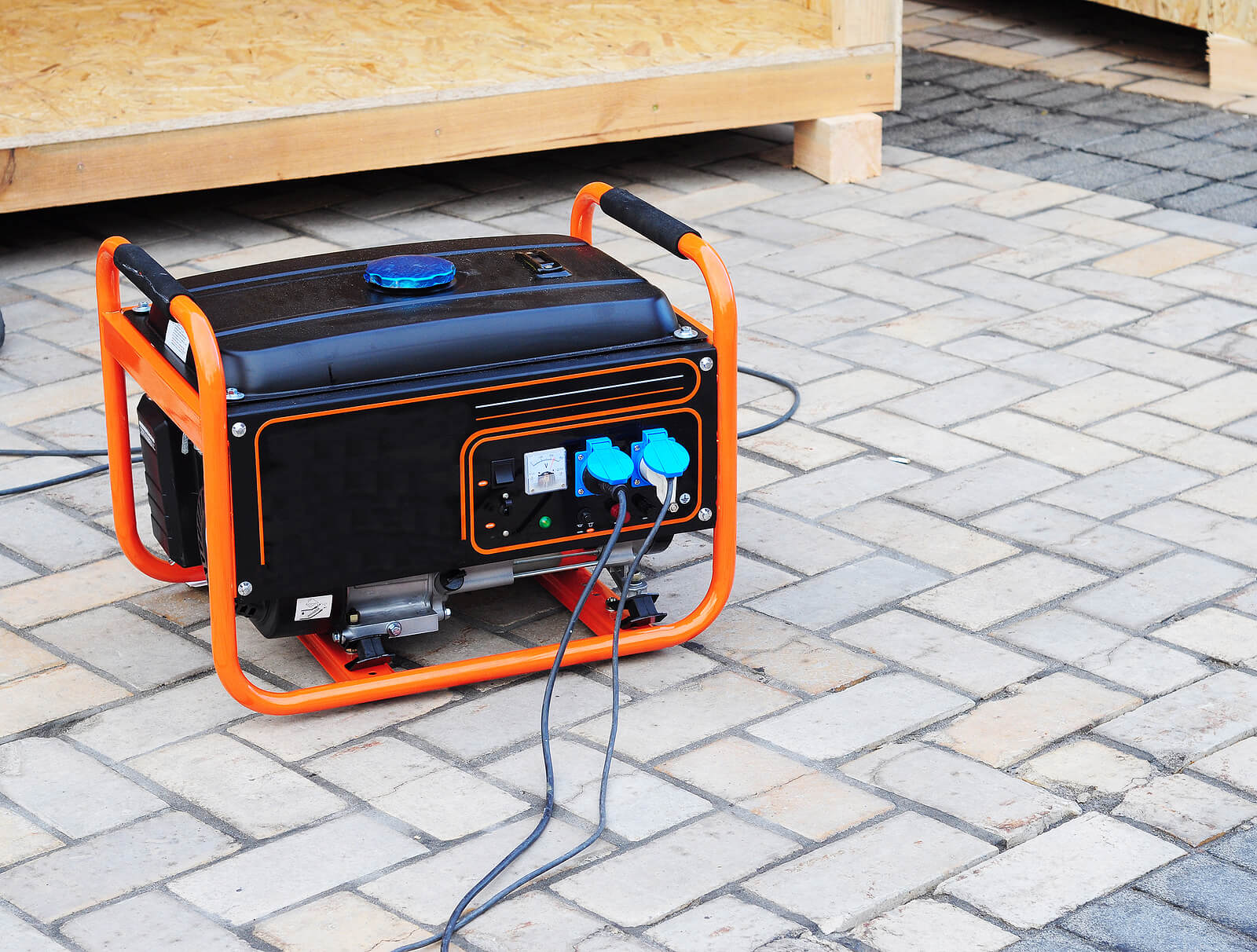
Credit: expresselectricalservices.com
Frequently Asked Questions
How Do You Safely Refuel A Generator?
Turn off the generator and let it cool completely before refueling. Refuel outdoors with good ventilation. Use a funnel to avoid spills. Tighten the fuel cap securely and clean any spills. Follow the manufacturer’s instructions for safe refueling.
Is It Safe To Fill Up A Generator While It’s Running?
Never fill a generator while it’s running. Turn it off and let it cool completely before refueling to avoid fire risks.
How Long To Let A Generator Cool Before Refueling?
Turn off the generator and wait at least 15-20 minutes to let it cool completely before refueling. This prevents fire risks and burns.
What Is The 20/20/20 Rule For Generators?
The 20/20/20 rule for generators means: run the generator for 20 minutes, rest it for 20 minutes, then check fuel or maintenance every 20 hours. This prevents overheating and ensures safe, efficient operation.
Can I Refuel A Generator While It Is Running?
Never refuel a running generator. Gasoline can ignite from hot engine parts and cause fire.
How Long Should A Generator Cool Before Refueling?
Wait at least 15-20 minutes for the generator to cool before adding fuel.
Why Must A Generator Be Off Before Refueling?
Turning off prevents sparks and heat that can ignite gasoline vapors.
Where Is The Safest Place To Refuel A Generator?
Always refuel outdoors in a well-ventilated area to avoid gas buildup.
Should I Use A Funnel When Refueling A Generator?
Yes, a funnel helps prevent spills and makes refueling safer and cleaner.
What Should I Do If Gasoline Spills On The Generator?
Wipe spilled fuel immediately and keep the area dry before restarting the generator.
Conclusion
Safe refueling keeps your generator working well and prevents accidents. Always turn off the generator first. Wait for it to cool before adding fuel. Use a funnel to avoid spills and fuel waste. Refuel outdoors in a clear, open area.
Keep fuel containers closed tightly to stop leaks. Follow your generator’s manual for best practices. Taking these steps helps protect you and your home. Stay cautious and refuel with care every time. Safety first.