
Are you prepared for the next power outage or planning to install a generator for your home or business? Knowing exactly how much wattage your generator needs to produce is crucial—not too little to leave you in the dark, and not too much to waste money and fuel.
That’s where a Generator Wattage Calculator becomes your best friend. It helps you figure out the perfect size generator based on your unique power needs, so you can keep your essential appliances running smoothly without any guesswork. Keep reading, and you’ll discover simple steps to calculate your wattage, avoid common mistakes, and choose the right generator that fits your lifestyle and budget perfectly.
Your peace of mind during an outage starts here!
Why Generator Size Matters
Choosing the right generator size is important for safety and efficiency. A generator that is too small will not power all your appliances. This can cause damage to the generator or the devices. On the other hand, a generator that is too large wastes fuel and money.
Understanding your power needs helps you select the correct size. It ensures your home or business runs smoothly during a power outage. The Generator Wattage Calculator makes this process simple and accurate.
Understanding Power Needs
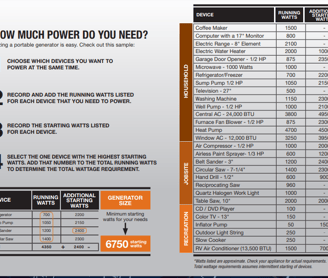
Each appliance uses a specific amount of power, measured in watts. Some devices need more power when starting, called starting watts. Others use less power while running, called running watts. Knowing these numbers helps calculate the total wattage needed.
Consequences Of Incorrect Sizing
A generator that is too small may overload and shut down. It can also shorten the generator’s lifespan. A generator that is too large consumes more fuel and costs more upfront. Proper sizing avoids these problems and saves money over time.
Prioritizing Essential Appliances
Not all appliances need to run at the same time. Prioritize essential devices like refrigerators and heating systems. This reduces the total power needed and allows a smaller generator to work effectively. The calculator helps identify which appliances to include.
Impact On Fuel Consumption
Generator size affects fuel use. Larger generators burn more fuel even with small loads. Choosing the right size saves fuel and reduces emissions. This is better for the environment and your budget.
Safety And Installation
Correct generator size ensures safe operation. It prevents overloads that can cause fires or damage. Professional installation with a transfer switch is critical. It connects the generator safely to your home’s electrical system.

Credit: www.omnicalculator.com
Key Factors Affecting Wattage
Understanding the key factors affecting wattage helps you choose the right generator size. These factors determine how much power your generator must supply. Accurate calculation prevents overload and ensures smooth operation.
Home Size And Layout
Larger homes need more power due to more rooms and devices. Open layouts may require different power needs than segmented spaces. The overall size directly impacts total wattage requirements.
Number Of Appliances
The total wattage depends on how many appliances run at once. Each device adds to the load your generator must support. Prioritize essential appliances to manage power efficiently during outages.
Starting Vs Running Watts
Some appliances need extra power to start, called starting watts. Once running, they use less power, known as running watts. Calculating both ensures your generator can handle sudden power surges.
Calculating Appliance Load
Calculating appliance load is a key step in selecting the right generator size. It helps ensure the generator can handle the total power demand of your appliances. This prevents overloads and keeps your devices running smoothly. Understanding how to measure the load gives you confidence in your generator choice.
Finding Appliance Wattage
Start by checking each appliance’s wattage. Look for a label or manual that states the power rating. If the label shows amps instead of watts, multiply amps by volts to get watts. For example, a 5-amp appliance at 120 volts uses 600 watts. This simple step helps list the power needs of each device.
Summing Running Watts
Add the running watts of all appliances you want to power at the same time. This sum shows the continuous power your generator must provide. Keep in mind that not all appliances run constantly. Focus on those you plan to use simultaneously during an outage. A clear total avoids undersizing your generator.
Accounting For Surge Power
Many appliances need extra power when they start. This is called surge or starting watts. Motors in refrigerators, pumps, and air conditioners often require this boost. Check the appliance label or manual for starting watt information. Add the highest surge wattage to your running total to cover peak demands safely.
Prioritizing Essential Devices
Choosing the right generator size means knowing which devices to power first. Prioritizing essential devices helps you manage limited generator capacity. It ensures you keep important appliances running during outages. Focus on devices that protect food, maintain comfort, and provide light. This approach helps avoid overload and power interruptions. Below are key categories to consider when using a generator wattage calculator.
Refrigerators And Freezers
Refrigerators and freezers protect your food from spoiling. They need constant power to keep food cold. These devices use more power at startup but less while running. Make sure your generator can handle their starting wattage. Without power, food loss can become costly and unsafe. Prioritizing these appliances helps maintain food safety and reduces waste.
Heating And Cooling Systems
Heating and cooling systems keep your home comfortable. They use significant power, especially during extreme weather. Some systems require extra watts to start. Prioritize smaller units or essential zones if power is limited. Maintaining temperature prevents health risks from cold or heat. Consider your climate and choose systems wisely for your generator size.
Lighting And Electronics
Lighting is crucial for safety and convenience during outages. Use energy-efficient bulbs to reduce power use. Electronics like phones and laptops keep you connected. They usually need less power than appliances. Charge devices early to avoid running out of power. Prioritize essential lights and communication devices to stay safe and informed.
Fuel Types And Availability
Choosing the right fuel type for your generator is essential. Fuel availability affects how long your generator can run during an outage. Different fuels have unique benefits and challenges. Understanding these options helps in planning and ensures reliable power when needed.
Gasoline Options
Gasoline is the most common fuel for portable generators. It is easy to find at gas stations almost everywhere. Gasoline engines start quickly and provide strong power output. However, gasoline can go bad if stored too long. It also requires safe storage away from heat and flames.
Propane And Natural Gas
Propane and natural gas are cleaner burning fuels. They produce less pollution and have a longer shelf life than gasoline. Propane tanks can be stored safely for years without degrading. Natural gas connects directly to your home supply, providing endless fuel during outages. These fuels often cost less per hour of run time.
Fuel Cost And Storage
Fuel cost varies by type and location. Gasoline prices fluctuate and may be higher during emergencies. Propane tanks need upfront investment but have low ongoing costs. Natural gas is usually the cheapest but requires professional installation. Safe fuel storage is critical to avoid accidents and ensure fuel quality.
Noise Levels And Location
Choosing the right generator involves more than just wattage. Noise levels and location play a key role in your satisfaction. A noisy generator can disturb neighbors or cause stress. The location affects how sound travels and how safe the generator is. Understanding noise differences helps you pick the best generator for your needs.
Portable Generator Noise
Portable generators often produce noticeable noise. They use small engines that run at high speeds. This creates a loud hum or roar. Noise levels vary but can reach 60 to 75 decibels. That is similar to a vacuum cleaner or busy street. Noise can be a problem in quiet neighborhoods or at night.
Placing the generator far from windows or outdoor seating reduces noise impact. Using sound barriers or enclosures also helps. Some models have quieter engines or mufflers to lower noise. Always check the decibel rating before buying a portable generator.
Standby Generator Quietness
Standby generators tend to be much quieter than portable ones. They run on natural gas or propane and have larger, well-insulated engines. Noise levels usually stay under 60 decibels. That is about the sound of a normal conversation.
Standby units are installed outside, away from living spaces. This location further reduces noise disturbance inside the home. Their design focuses on smooth and quiet operation. These generators run automatically during power outages without loud startup sounds.
Transfer Switch Importance
A transfer switch is a key component for safely using a generator with your home. It connects your generator to your home’s electrical system without risk. This device prevents dangerous backfeed that could harm utility workers or damage equipment.
Using a transfer switch also makes switching power sources simple. It stops the need to unplug and plug in appliances manually. This convenience is especially valuable during power outages or emergencies.
Safety Benefits
A transfer switch stops electricity from flowing back into power lines. This protects utility workers fixing outages nearby. It also prevents fires caused by improper generator connections.
The switch isolates your home’s wiring from the grid. This avoids electrical overloads that can damage your generator and home appliances. It ensures power flows only where you want it to go.
Installation Tips
Hire a licensed electrician to install the transfer switch. Proper installation is critical for safety and code compliance. The electrician will match the switch capacity to your generator’s wattage.
Plan which circuits you want powered during an outage. Label these clearly for easy use. Also, test the system after installation to confirm it works smoothly and safely.

Credit: www.micksgonebush.com.au
Hybrid Systems Integration
Hybrid systems integration enhances your generator’s efficiency and reliability. Combining different power sources creates a balanced energy solution. This approach reduces fuel use and cuts costs. It also ensures power availability during outages or peak demand times. Understanding how to connect solar panels and batteries with generators helps optimize your setup.
Solar Power Combinations
Solar power pairs well with generators for a cleaner energy mix. Solar panels provide free, renewable energy during the day. The generator fills gaps when sunlight is low or demand spikes. This reduces generator runtime and fuel consumption. Using a generator wattage calculator helps size the solar system correctly. It ensures your hybrid system meets daily energy needs without waste.
Battery Backup Solutions
Batteries store excess energy from solar or the generator. They supply power instantly during outages or high demand. This smooths out power fluctuations and protects sensitive devices. Battery backups reduce the need for the generator to run continuously. A proper wattage calculation includes battery capacity and recharge rates. Integrating batteries with generators creates a flexible, reliable power system.
Future-proofing Your Generator
Planning ahead for your generator’s power needs saves trouble later. Future-proofing means choosing a generator that handles more than today’s demand. This approach avoids frequent upgrades and keeps your power steady through changes.
Allowing For Growth
Energy needs often increase over time. Adding new appliances or expanding your home raises power consumption. A generator with extra wattage covers these future additions easily. It gives you room to grow without replacing equipment soon.
Think about possible upgrades or new devices you might add. Choose a wattage that handles current needs plus a safety margin. This planning ensures your generator stays useful and reliable for years.
Seasonal Demand Variations
Power use changes with seasons. Summer may require more energy for air conditioning. Winter might need extra power for heating devices. A generator sized only for average use can struggle during peak seasons.
Select a generator that meets peak seasonal demands comfortably. This prevents overloads and keeps your home powered smoothly. Accounting for these variations helps maintain steady power all year.
Professional Help And Recommendations
Choosing the right generator size involves more than just numbers. Professional help ensures safety and efficiency. Experts provide tailored advice based on your home’s needs and power usage.
Consulting with professionals reduces risks and prevents costly mistakes. It helps you select a generator that fits your lifestyle and budget.
Consulting Electricians
Electricians have the knowledge to assess your home’s electrical load accurately. They calculate total wattage needs, including starting and running watts. Their expertise ensures your generator matches your power requirements safely.
They also recommend the best installation practices. Proper installation avoids hazards like backfeeding and electrical fires. Electricians can install transfer switches and wiring correctly, meeting local codes.
Choosing Whole-house Vs Portable
Whole-house generators power your entire home automatically during outages. They run on natural gas or propane and connect to your electrical system. These units require professional installation and regular maintenance.
Portable generators offer flexibility and lower upfront costs. You can move them to different locations as needed. They are ideal for powering essential appliances but require manual setup and refueling.
Professionals help you weigh pros and cons. They consider your power needs, budget, and convenience before recommending a type. Getting expert advice ensures you select the best generator for your situation.

Credit: www.micksgonebush.com.au
Frequently Asked Questions
How Do I Calculate How Many Watt Generator I Need?
Calculate total running watts of all appliances you want to power simultaneously. Add the highest starting wattage from any appliance. Choose a generator with wattage slightly above this total for safety and future needs.
Will A 7500 Watt Generator Run Your Whole House?
A 7500 watt generator can power essential appliances but may not run an entire large house. Prioritize critical loads for best results.
Can I Run My Whole House On A 12000 Watt Generator?
A 12,000-watt generator can power most essential home appliances but may not run every device simultaneously. Prioritize critical loads and consult an electrician for precise sizing and safe installation.
How Many Kw Generator To Run A 2000 Sq Ft House?
A 2000 sq ft house typically needs a 7 to 10 kW generator. This supports essential appliances and HVAC systems. Always calculate total wattage and starting surge for accuracy. Consult an electrician to select the right size and ensure safe installation.
What Is A Generator Wattage Calculator?
A tool that helps estimate the wattage needed for your generator based on appliances.
How Do I Calculate The Generator Wattage I Need?
Add running watts of appliances and include the highest starting wattage required.
Why Is Starting Wattage Important For Generators?
Some appliances need extra power to start, which is higher than running power.
Can A Generator Run All Home Appliances Simultaneously?
Usually not; prioritize essential devices to avoid overloading the generator.
What Appliances Should I Include In Wattage Calculations?
Include refrigerators, HVAC, lights, and any device you want powered during outages.
How Does A Transfer Switch Affect Generator Use?
It safely connects your generator to home wiring and prevents backfeed to the grid.
Conclusion
Choosing the right generator wattage ensures reliable power during outages. Start by listing all appliances you need to run. Add their running watts and the highest starting wattage for accuracy. Pick a generator with slightly higher capacity for safety. Proper sizing helps avoid overloads and extends generator life.
Always prioritize essential devices to manage power effectively. Use the calculator to simplify your wattage estimation. Stay prepared with the right generator for your home or business needs.