
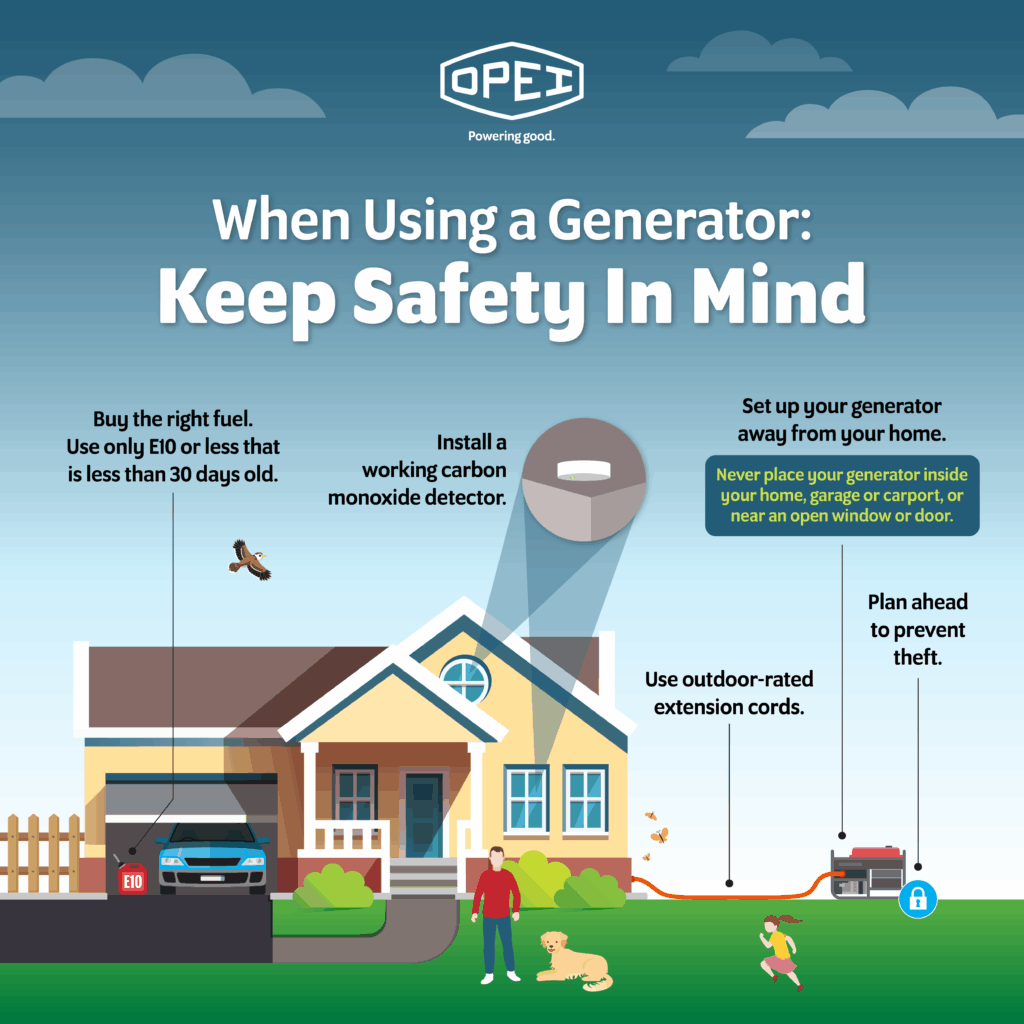
Power outages can strike unexpectedly, leaving you in the dark and disrupting your daily life. If you have a generator at home, it can be a lifesaver—but only if you use it safely.
You might think running a generator is simple, but without the right precautions, it can put you and your family at serious risk. From avoiding deadly carbon monoxide poisoning to preventing electrical fires, there are crucial steps you must know before you start.
In this guide, you’ll learn exactly how to operate your home generator safely, keeping your household powered and protected no matter what. Stay with me, and you’ll discover the easy, practical tips that can make all the difference when the lights go out.

Credit: www.gentent.com
Choosing The Right Generator
Choosing the right generator is the first step to safe home operation. It ensures reliable power and prevents accidents. Consider what you need to power and how long you might use the generator.
Different generators offer various power levels and features. Picking one that fits your home’s needs makes using it easier and safer.
Power Requirements
Calculate the total wattage of the appliances you want to run. Generators have limits, so choose one with enough capacity. Avoid overloading the generator to prevent damage.
Type Of Generator
Portable generators are easy to move and good for short power outages. Standby generators connect to your home and start automatically during outages. Match the type to your lifestyle and budget.
Fuel Type And Availability
Generators use gasoline, propane, or diesel. Gasoline is common but stores poorly. Propane lasts longer and burns cleaner. Pick a fuel type you can store safely and access easily.
Safety Features
Look for generators with automatic shut-off for low oil. Carbon monoxide detectors add extra protection. Choose models with clear instructions and safety certifications.
Noise Level
Some generators are loud and may disturb neighbors. Quiet models reduce noise but may cost more. Balance noise level with your comfort and community rules.
:strip_icc()/GettyImages-177552130-017d0a7a40774fe882776d62e4fcc457.jpg)
Credit: www.bhg.com
Proper Placement Outdoors
Proper placement of your generator outdoors is crucial for safe operation. Placing it correctly protects your family from harmful fumes and prevents accidents. The right location ensures good airflow and reduces risks of carbon monoxide buildup.
Choose A Well-ventilated Area
Set up the generator in an open space with plenty of fresh air. Avoid closed or partially enclosed spaces such as garages or basements. Proper ventilation helps disperse exhaust gases quickly, keeping the air around safe to breathe.
Keep Away From Doors And Windows
Place the generator at least 20 feet away from any door, window, or vent. This distance stops fumes from entering your home. Carbon monoxide is a colorless, odorless gas that can be deadly even in small amounts.
Use A Dry, Level Surface
Put the generator on a flat, stable surface outdoors. Avoid wet or muddy areas to prevent slips and electrical hazards. A dry spot also protects the generator from water damage and keeps it running smoothly.
Protect From Weather Elements
Cover the generator with a canopy or shelter that allows airflow. Do not enclose it completely. This setup shields the generator from rain and snow while preventing overheating.
Keep Away From Flammable Materials
Do not place the generator near leaves, gasoline, or other flammable items. Sparks from the generator could ignite these materials. Maintain a clear zone around the unit to reduce fire risk.
Avoiding Carbon Monoxide Risks
Carbon monoxide (CO) is a deadly gas produced by generators. It has no smell, color, or taste, making it hard to detect. Many people face serious health risks or even death from CO poisoning. Avoiding carbon monoxide risks is crucial when operating a generator at home. Follow safety steps to protect yourself and your family.
Never Use Generators Indoors Or In Enclosed Spaces
Generators must always run outside your home. Avoid garages, basements, or any enclosed area. Even with doors or windows open, carbon monoxide can build up quickly. Place the generator at least 20 feet away from doors and windows. This keeps deadly fumes from entering your living spaces.
Use Carbon Monoxide Detectors In Your Home
Install battery-operated CO detectors near sleeping areas. Test them regularly to ensure they work properly. These alarms alert you before dangerous CO levels rise. Early warning saves lives by giving time to evacuate or ventilate.
Keep The Generator Dry And On A Stable Surface
Place generators on dry, flat ground to avoid electric shock or damage. Never operate a generator in wet conditions or while standing in water. Moisture can cause malfunctions that increase CO risks. Use a canopy or cover to protect it from rain but ensure proper ventilation.
Follow Manufacturer’s Instructions And Maintenance Schedule
Read the manual carefully before use. Proper maintenance reduces the chance of CO leaks. Change oil and filters on time. Check for exhaust damage or blockages. A well-maintained generator runs more safely and efficiently.
Using Heavy-duty Extension Cords
Using heavy-duty extension cords is vital for safe generator operation at home. These cords handle high power loads and reduce fire risks. Choosing the right cord prevents overheating and power loss.
Heavy-duty cords have thick insulation and strong wire gauges. They keep electricity flowing smoothly and safely between the generator and devices. Always select cords rated for outdoor use to protect against weather damage.
Choosing The Right Extension Cord
Pick cords with a wire gauge suitable for your generator’s power output. Lower gauge numbers mean thicker wires and higher capacity. Check the cord’s label for the wattage rating and match it to your generator.
Use cords marked for outdoor use. These resist moisture, heat, and sunlight. Avoid cheap or damaged cords to lower the risk of electrical hazards.
Proper Cord Placement
Lay extension cords flat on the ground, not coiled or bent. Keep them away from water and heat sources. Protect cords from foot traffic to avoid damage and tripping.
Do not run cords under rugs or carpets. This can trap heat and cause a fire. Use cord covers or ramps if cords must cross walkways.
Connecting And Disconnecting Safely
Turn off the generator before plugging or unplugging extension cords. This prevents sparks and electrical shock. Hold the plug firmly and avoid pulling cords by the wire.
Inspect cords before each use. Look for cracks, frays, or exposed wires. Replace damaged cords immediately to ensure safety.
Safe Connection To Home Circuits
Connecting a generator safely to your home’s electrical system is crucial. Incorrect connections can cause serious harm to you and damage your property. Proper setup prevents backfeeding, a dangerous flow of electricity that can injure utility workers and damage appliances.
Understanding how to link your generator to home circuits keeps your family safe. It also ensures your appliances get stable power during outages. Follow clear steps and use the right equipment for safe connections.
Use A Transfer Switch
A transfer switch is the safest way to connect a generator. It isolates your home circuits from the main power grid. This prevents backfeed and protects utility workers. Hire a licensed electrician to install the switch correctly.
Turn Off The Main Breaker
Before connecting the generator, always switch off the main breaker. This stops electricity from flowing back to the grid. It also protects your generator and home wiring from damage. Never connect a generator without turning off the main breaker.
Use Heavy-duty Extension Cords
If you cannot use a transfer switch, plug appliances directly into the generator. Use heavy-duty, outdoor-rated extension cords. Check cords for damage and ensure they can handle the power load. Avoid overloading cords to prevent fires and shocks.
Keep Connections Dry And Safe
Operate your generator outside on a dry surface. Avoid standing in water while handling connections. Use weatherproof covers for plugs and cords. Dry hands and surfaces reduce the risk of electrical shock.
Keeping The Generator Dry
Keeping your generator dry is a key step to operate it safely at home. Water and electricity do not mix. A wet generator can cause shocks or short circuits. Protecting it from rain, snow, and moisture reduces risks.
Place your generator on a raised, dry surface. Avoid low spots where water can collect. This keeps the generator away from puddles and mud. Use a sturdy, waterproof cover designed for generators. Ensure the cover allows airflow to prevent overheating.
Never run the generator inside your home or garage. Always keep it outdoors in a well-ventilated space. This lowers the chance of carbon monoxide buildup. Use a canopy or tent that is open on all sides. This shields the generator from rain while letting fresh air in.
Choose A Dry, Elevated Location
Select a flat, dry spot for your generator. Avoid areas prone to flooding. Elevate the generator using blocks or a platform. This keeps it above ground moisture and dirt. Check the area often for signs of wetness or puddles.
Use A Weatherproof Cover Properly
Invest in a cover made for generators. It should repel water but allow ventilation. Cover the generator only when it is off and cool. Remove the cover before starting it. This prevents overheating and fire hazards.
Protect Electrical Connections From Moisture
Keep all plugs and cords dry. Use heavy-duty extension cords rated for outdoor use. Position cords where water cannot reach them. Avoid standing on wet ground when handling plugs. Moisture in connections can cause electric shocks.
Inspect The Generator Regularly
Check your generator often for water damage signs. Look for rust, corrosion, or damp spots. Clean and dry the generator after exposure to moisture. Prompt care extends its life and keeps it safe. Regular checks help prevent accidents.
Turning Off Main Power Supply
Turning off the main power supply is a critical step before using a generator at home. This action prevents backfeeding, a dangerous condition where electricity flows back into the grid. Backfeeding can harm utility workers and damage your appliances.
Always switch off the main breaker to disconnect your home from the electric grid. This step ensures that power from the generator only runs through your household circuits safely.
Doing this protects your home’s electrical system and keeps everyone safe during a power outage.
Locate Your Main Breaker Panel
Find the main breaker panel in your home. It is usually in the garage, basement, or utility room. The main breaker is larger than other breakers and often marked clearly.
Switch Off The Main Breaker
Flip the main breaker to the off position. This cuts power from the utility lines. Confirm that all smaller breakers inside the panel are off as well.
Verify Power Is Off
Check that the power is off by testing lights or appliances. Use a voltage tester if available. Do not connect the generator until the main breaker is off.
Regular Maintenance Checks
Regular maintenance checks keep your generator in good working order. These checks prevent breakdowns and extend the generator’s life. Proper care helps avoid dangerous situations during use.
Checking The Oil Level
Always check the oil level before starting the generator. Low oil can cause engine damage. Use the recommended oil type shown in the manual. Change the oil after every 50 hours of use or as advised.
Inspecting The Air Filter
Clean or replace the air filter regularly. A dirty filter reduces engine efficiency. It can also cause the generator to run poorly. Check the filter every month or after heavy use.
Testing The Battery
Test the battery voltage and connections often. A weak battery may prevent the generator from starting. Clean any corrosion on battery terminals. Replace the battery if it no longer holds a charge.
Examining The Fuel System
Inspect the fuel tank and fuel lines for leaks or damage. Old fuel can clog the system and cause problems. Drain and replace fuel every six months to keep the system fresh. Use fresh, clean fuel only.
Running The Generator Periodically
Run your generator at least once a month. This keeps the engine parts lubricated and working. Run it under load for 15-20 minutes to ensure proper operation. Avoid running it for too long without breaks.
Installing Carbon Monoxide Detectors
Installing carbon monoxide detectors is vital when using a generator at home. Generators produce carbon monoxide (CO), a colorless and odorless gas. This gas can cause serious health problems or death. Detectors warn you early if CO levels rise, giving you time to act.
Place detectors on every floor of your home. Install them near sleeping areas for quick alerts at night. Choose detectors with battery backup to work during power outages. Test detectors monthly to ensure they function properly. Replace batteries at least once a year or as needed.
Follow the manufacturer’s instructions for installation height and location. Avoid placing detectors near windows, vents, or fans. These spots can cause false alarms or prevent accurate detection. Keep detectors clean and dust-free for best performance.
Choosing The Right Carbon Monoxide Detector
Select a detector certified by recognized safety organizations. Look for units with digital displays showing CO levels. Models with loud alarms and voice alerts improve safety. Consider combination smoke and CO detectors for added protection.
Proper Placement Of Carbon Monoxide Detectors
Install detectors outside each sleeping area. Place at least one detector on every floor. Avoid kitchens and garages where false alarms can occur. Follow local codes for exact placement requirements.
Maintaining Your Carbon Monoxide Detectors
Test detectors monthly using the test button. Replace batteries yearly or when low battery alerts sound. Clean detectors gently with a soft cloth. Replace detectors every 5 to 7 years as recommended.
Emergency Shutdown Procedures
Emergency shutdown procedures are critical when operating a generator at home. Knowing these steps helps prevent accidents and equipment damage. They ensure your safety and protect your property during unexpected problems.
Recognize signs that require an emergency shutdown. These include unusual smells, smoke, or sparks. Also, listen for strange noises from the generator. Act immediately to avoid harm.
Turn Off All Connected Devices
Before shutting down the generator, switch off all devices it powers. This prevents electrical surges. Turn off lights, appliances, and other equipment. This step safeguards your devices and the generator.
Switch Off The Generator
Locate the main power switch on the generator. Flip it to the “off” position carefully. Allow the engine to stop running completely. Do not attempt to force the generator to stop.
Shut Off The Fuel Supply
After the engine stops, close the fuel valve. This prevents fuel leaks and spills. It also stops the engine from restarting accidentally. Handle fuel carefully to avoid fire risks.
Unplug Extension Cords And Cables
Disconnect all extension cords and cables from the generator. Pull plugs gently to avoid damage. Store cords safely to prevent tripping hazards. Keep the generator area clear and organized.
Allow The Generator To Cool Down
Wait at least 15 minutes for the generator to cool. Hot parts can cause burns or fires. Avoid touching the engine or exhaust during this time. Cooling reduces the risk of injury.
Inspect The Generator For Problems
Check the generator for leaks, damage, or loose parts. Look for fuel spills or unusual wear. Report any issues before using the generator again. Regular inspections keep the generator safe and reliable.

Credit: www.tdi.texas.gov
Frequently Asked Questions
Is It Safe To Run A Generator Inside The House?
Running a generator inside the house is unsafe. It produces deadly carbon monoxide gas. Always operate it outdoors, away from windows.
How To Safely Use A Generator At Home?
Place the generator outdoors on a dry, level surface. Keep it away from windows and doors. Use heavy-duty extension cords. Never connect directly to home wiring without a professional. Turn off the main breaker before use. Install a carbon monoxide alarm nearby.
Do You Have To Turn Off Your Main Breaker When Using A Generator?
Yes, turn off your main breaker before connecting a generator. This prevents backfeed and protects utility workers and your equipment.
What Is The 20/20/20 Rule For Generators?
The 20/20/20 rule for generators means running the generator for 20 minutes every 20 hours, then resting it for 20 minutes. This prevents overheating and maintains performance.
What Safety Gear Is Essential When Operating A Home Generator?
Wear gloves and safety glasses to protect from sparks, burns, and debris during generator use.
Where Should I Place My Generator For Safe Operation?
Set your generator outside, away from windows and doors, on a dry, flat surface.
Can I Run My Generator Inside The House Or Garage?
Never run a generator indoors or in garages; it produces deadly carbon monoxide gas.
How Do I Connect A Generator Safely To My Home?
Use heavy-duty extension cords recommended by the manufacturer; never plug into home outlets directly.
Should I Turn Off The Main Breaker Before Using A Generator?
Yes, turn off your home’s main breaker to avoid backfeeding and electrical hazards.
How Often Should I Check My Generator For Fuel And Oil?
Check fuel and oil levels before every use to ensure smooth and safe operation.
Conclusion
Operating a generator at home demands care and attention. Always place it outside on dry ground. Use heavy-duty cords recommended by the maker. Never run the generator indoors or in enclosed spaces. Turn off your main power before connecting the generator.
Keep a carbon monoxide alarm nearby for safety. Avoid touching the generator with wet hands. Following these simple steps protects your family and home. Stay safe and prepared during power outages.