
Have you ever wondered what really happens inside a generator when it powers your home during an outage? Understanding how a generator works can give you peace of mind and help you use it safely and efficiently.
Whether you’re preparing for a storm or just curious about this powerful machine, knowing the basics can make all the difference. You’ll discover the simple science behind generators, how they create electricity, and the best ways to connect one to your house without risking your safety.
Keep reading to unlock the secrets that keep your lights on when the grid goes down.
Credit: www.youtube.com
Generator Basics
Understanding generator basics helps explain how these machines supply power. Generators convert mechanical energy into electrical energy. This process allows homes and businesses to run appliances during power outages.
Generators have several key parts that work together. The main components include the engine, alternator, fuel system, voltage regulator, and control panel. Each part plays a crucial role in producing electricity.
What Is The Engine?
The engine is the generator’s power source. It burns fuel to create mechanical energy. Common fuels include gasoline, diesel, or propane. The engine’s motion drives the alternator to generate electricity.
Role Of The Alternator
The alternator converts mechanical energy from the engine into electrical energy. It contains coils of wire and magnets. When the engine spins the alternator, it produces electric current through electromagnetic induction.
Fuel System Explained
The fuel system stores and delivers fuel to the engine. It includes a fuel tank, fuel pump, and fuel lines. This system ensures the engine runs smoothly and continuously during operation.
Voltage Regulator Function
The voltage regulator controls the output voltage of the generator. It keeps the electrical output steady and safe for appliances. Without it, voltage could fluctuate and damage devices.
Importance Of The Control Panel
The control panel allows users to operate and monitor the generator. It shows important information like power output, fuel levels, and engine status. Some panels also include safety features to prevent damage.
Credit: www.electricgeneratorsdirect.com
How Generators Produce Electricity
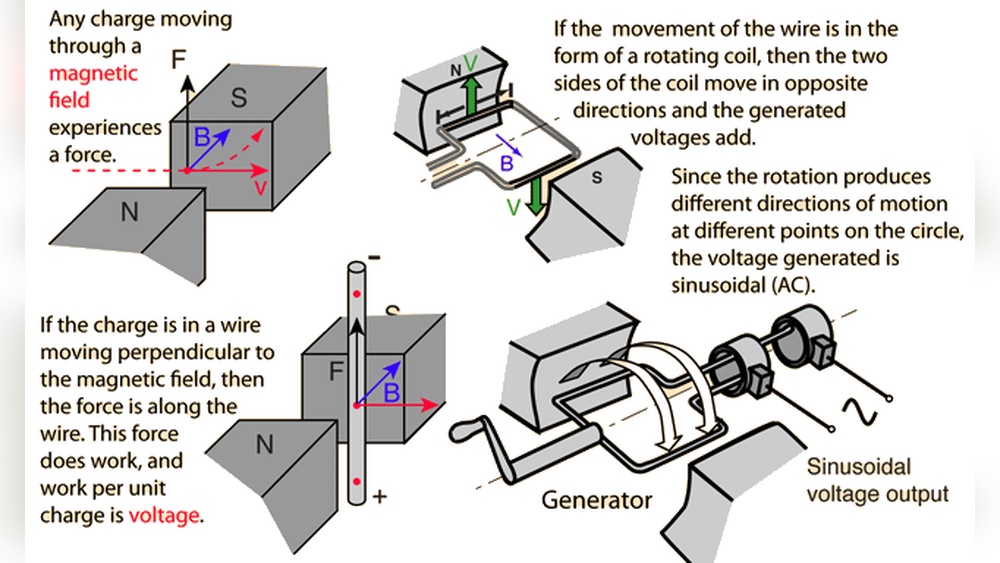
Generators produce electricity by converting mechanical energy into electrical energy. This process relies on the principle of electromagnetic induction. Inside a generator, a coil of wire spins inside a magnetic field. This movement creates an electric current in the wire.
The spinning coil is called the rotor, and the magnetic field is provided by magnets or electromagnets. As the rotor turns, the magnetic field changes around the wire. This change causes electrons to move, generating electricity.
Electromagnetic Induction Explained
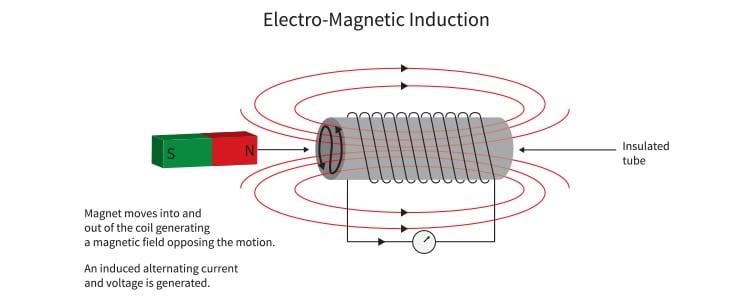
Electromagnetic induction is the key to how generators work. When a conductor, like a wire, moves through a magnetic field, it cuts through magnetic lines of force. This action causes an electric current to flow in the conductor. This current can then power electrical devices.
The Role Of The Rotor And Stator
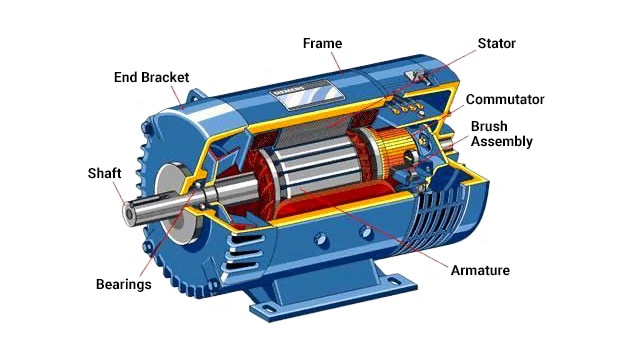
The rotor is the rotating part of the generator. It spins inside the stator, which is a stationary set of coils. The rotor’s movement inside the stator’s magnetic field induces voltage. This voltage drives the electric current through the stator coils.
How Mechanical Energy Drives The Generator
Mechanical energy comes from various sources like engines, turbines, or motors. This energy turns the rotor inside the generator. The faster the rotor spins, the more electricity the generator produces. This process converts mechanical power into usable electrical power.
Ac Vs Dc Electricity Production
Generators can produce alternating current (AC) or direct current (DC). AC generators produce electricity that changes direction periodically. DC generators produce electricity flowing in one direction only. Most home and business generators produce AC electricity for easy use.
Ac Vs Dc Generators
Generators convert mechanical energy into electrical energy. They come in two main types: AC and DC generators. Each type produces a different kind of electrical current. Understanding the difference helps you choose the right generator for your needs.
What Is An Ac Generator?
An AC generator produces alternating current. The electric current changes direction periodically. This type of current is used in homes and businesses. AC generators are common because they are easy to transform to different voltages.
How Does A Dc Generator Work?
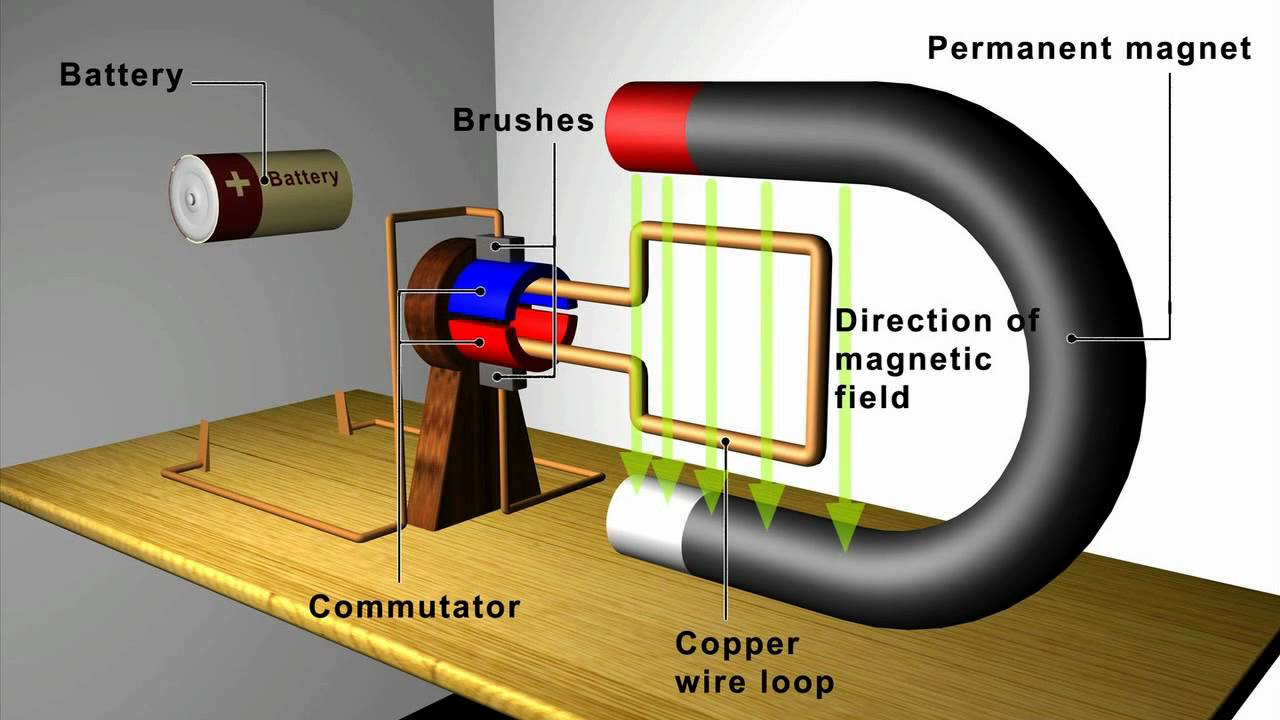
A DC generator produces direct current. The electric current flows in one direction only. DC generators are used in devices that need a steady voltage. They are common in battery charging and small motors.
Main Differences Between Ac And Dc Generators
AC generators have slip rings to transfer current. DC generators use a commutator to keep current flowing one way. AC current changes direction many times per second. DC current keeps the same direction all the time.
Where Are Ac And Dc Generators Used?
AC generators power homes and industries. DC generators are found in vehicles and electronics. Each type suits different applications based on current type and voltage needs. Knowing this helps select the right generator for your project.
Key Components Of A Generator
A generator converts mechanical energy into electrical energy. Several key parts work together inside a generator. Each component plays a vital role in producing electricity efficiently and safely.
Understanding these parts helps explain how generators function. It also shows why maintenance and proper use are important. Below are the main components found in most generators.
Stator
The stator is the stationary part of a generator. It contains coils of wire that produce electricity. When the rotor spins inside, it creates a magnetic field that induces current in the stator.
Rotor
The rotor is the rotating part of the generator. It spins inside the stator to create a changing magnetic field. This movement is essential for generating electric current in the stator coils.
Engine
The engine provides the mechanical energy needed to turn the rotor. It can run on gasoline, diesel, or propane. This energy drives the rotor’s rotation inside the stator.
Fuel System
The fuel system stores and supplies fuel to the engine. It ensures the engine runs smoothly and continuously. Proper fuel supply is critical for long generator operation.
Voltage Regulator
The voltage regulator controls the output voltage. It keeps the electricity steady and prevents damage to connected devices. This part adjusts the generator’s electrical output as needed.
Cooling And Exhaust Systems
Generators produce heat while running. The cooling system prevents overheating by circulating air or liquid. The exhaust system safely releases gases produced by the engine.
Battery
The battery powers the electric starter. It helps start the engine automatically. Without a battery, starting the generator would require manual effort.
Control Panel
The control panel displays important information. It shows voltage, frequency, and running hours. It also allows users to start and stop the generator safely.
Fuel Types And Energy Sources
Generators run on various fuel types and energy sources. Each type affects how the generator operates and its efficiency. Choosing the right fuel is important for your needs, budget, and environment.
Fuel types can be divided into two main categories: fossil fuels and renewable energy sources. Fossil fuels are common but create emissions. Renewable sources are cleaner but less common in portable generators.
Gasoline Generators
Gasoline is the most common fuel for portable generators. It is easy to find and store. Gasoline generators start quickly and work well for short-term power needs. They produce emissions and need regular refilling.
Diesel Generators
Diesel generators are more fuel-efficient than gasoline types. They last longer and are better for heavy-duty use. Diesel fuel is less flammable but can be harder to store. These generators produce more noise and emissions.
Propane And Natural Gas Generators
Propane and natural gas burn cleaner than gasoline and diesel. They produce fewer emissions and run quietly. Propane can be stored for a long time without degrading. Natural gas requires a direct connection to a gas line, limiting portability.
Solar-powered Generators
Solar generators use sunlight to create electricity. They have solar panels and batteries to store power. These generators run silently and produce no emissions. They depend on sunny weather and have limited power output.
Wind-powered Generators
Wind generators convert wind energy into electricity. They require steady wind to operate effectively. Wind power is clean but less reliable in calm conditions. These generators are often fixed installations rather than portable.
Credit: www.electricgeneratorsdirect.com
Connecting A Generator To A Home
Connecting a generator to a home ensures power during outages. It must be done safely to protect people and equipment. Using a proper setup avoids risks like backfeeding, which can harm utility workers and damage appliances.
Two common methods connect a generator to a home: a transfer switch or an interlock kit. Both require a licensed electrician for installation. The generator stays outside, away from windows and doors, to prevent carbon monoxide buildup.
Using A Transfer Switch
A transfer switch is installed near your main electrical panel. It lets you select between utility power and generator power safely.
- Installation: A licensed electrician wires the transfer switch to your home’s main panel.
- Connection: Turn off the main breaker. Connect the generator to the transfer switch using a heavy-duty power cord. Start the generator. Flip the switch to “generator” to power selected circuits.
- Operation: When utility power returns, turn off the generator. Switch back to utility power and unplug the generator.
An interlock kit is a mechanical device that prevents the main breaker and generator breaker from being on simultaneously.
- Installation: The electrician installs the interlock kit on your existing electrical panel and a generator inlet box outside your home.
- Connection: Place the generator outside. Turn off all breakers, including the main breaker. Slide the interlock plate to enable the generator breaker, then switch it on. Connect the generator and start it.
- Operation: When power returns, turn off the generator breaker. Slide the interlock back and turn the main breaker on.
Safety Tips For Generator Connection
Always keep the generator outdoors in a well-ventilated area. Use heavy-duty cords designed for generators. Never plug a generator directly into a wall outlet. Regularly inspect cords and connections for damage.
Transfer Switch Installation
A transfer switch is essential for safe generator use at home. It connects your generator to your house wiring. This device prevents electricity from flowing back into power lines. Backfeeding can harm utility workers and damage equipment. A transfer switch lets you choose which circuits to power during an outage.
Installing a transfer switch requires a licensed electrician. The switch links directly to your main electrical panel. It helps switch between utility power and generator power safely. Proper installation ensures your home stays powered without risks.
Installation
The electrician mounts the transfer switch near the main panel. They wire it to selected circuits in your house. The switch has a breaker to control power source selection. This setup allows safe changeover from utility to generator power.
Connection
- Turn off the main breaker to cut utility power.
- Use a heavy-duty power cord to link the generator to the transfer switch inlet box.
- Start the generator.
- Flip the transfer switch breaker to the “generator” position.
- The selected circuits will receive power from the generator.
Operation
When utility power returns, turn off the generator first. Switch the transfer switch breaker back to the “utility” position. Then unplug the generator from the inlet box. This process protects your home and utility workers.
Using An Interlock Kit
Using an interlock kit is a safe method to connect a generator to your home’s electrical system. It allows you to power selected circuits without risking backfeeding electricity to the grid. A licensed electrician must install the interlock kit to ensure proper setup and safety.
Installation Of An Interlock Kit
The interlock kit is a mechanical device added to your main electrical panel. It prevents the main breaker and the generator breaker from being on at the same time. This avoids dangerous electrical feedback into utility lines. The electrician also installs a generator inlet box outside your house. This box connects the generator to a dedicated breaker inside the panel.
Connecting The Generator
Place the generator outside, away from windows and doors. Turn off all breakers inside the main panel. Next, switch the main breaker off. Slide the interlock plate to unlock the generator breaker. Turn on the generator breaker. Finally, connect the generator to the inlet box with a heavy-duty power cord and start the generator.
Operating With An Interlock Kit
Once the generator runs, it powers only the circuits connected to the generator breaker. The interlock kit keeps the main breaker off, preventing backfeed. When utility power returns, shut down the generator first. Then switch the generator breaker off. Slide the interlock plate back to enable the main breaker. Turn the main breaker on to restore normal power.
Safety Measures For Generator Use
Using a generator safely is important to protect yourself and your home. Generators produce power but can also cause hazards if not handled correctly. Following safety measures helps prevent accidents like fires, electric shocks, and carbon monoxide poisoning.
Always place the generator outdoors in a well-ventilated area. Keep it away from windows, doors, and vents to avoid harmful gas buildup. Never run a generator inside your home or garage.
Proper Installation Of Transfer Switches
A transfer switch connects the generator to your home’s electrical system safely. A licensed electrician must install it. This switch stops backfeeding, which can endanger utility workers and damage equipment.
Using Interlock Kits For Safe Connection
Interlock kits are mechanical devices installed on your electrical panel. They prevent the main breaker and generator breaker from running at the same time. This setup ensures safe power transfer and avoids electrical hazards.
Safe Operation And Maintenance
Turn off the main breaker before connecting the generator. Use heavy-duty power cords designed for generators. Start the generator outside, then switch power sources carefully.
Regularly check fuel levels and inspect the generator for any damage. Keep the generator clean and dry. Follow the manufacturer’s maintenance schedule to ensure safe operation.
Managing Power Load And Efficiency
Managing power load and efficiency is crucial for a generator’s performance. It ensures the generator runs smoothly without damage or wasted fuel. Proper load management helps balance the power supply with the demand. Efficient operation reduces wear and saves money on fuel.
Generators have limits on the amount of power they can safely produce. Overloading can cause overheating and breakdowns. Underloading wastes fuel and causes incomplete combustion. Both situations shorten the generator’s life.
Understanding Power Load
Power load is the total electrical demand placed on a generator. It includes all devices and appliances connected at one time. Knowing this load helps prevent overloading. Generators have a rated capacity, shown in kilowatts (kW) or kilovolt-amperes (kVA).
Always keep the load within the generator’s rated capacity. Exceeding this can cause voltage drops or damage. Use a wattmeter or power meter to measure load if unsure. Balance the load by turning off non-essential devices during peak demand.
Techniques To Improve Efficiency
Run the generator at 50-80% of its maximum load for best efficiency. Running at very low loads wastes fuel and causes carbon buildup. Regularly maintain the generator by changing oil and filters. Clean air filters improve air flow and fuel burning.
Use energy-saving devices and LED lights to reduce load. Turn off equipment when not in use. Schedule heavy power tasks like pumping or heating during generator operation to optimize fuel use.
Automatic Load Management Systems
Modern generators may include automatic load management systems. These systems monitor electrical load in real time. They adjust engine speed and fuel flow to match demand. This adjustment saves fuel and reduces emissions.
Some systems shed non-critical loads during high demand. This prevents overload and keeps essential devices running. These features improve reliability and extend generator life.
Frequently Asked Questions
How Does A Generator Hook Up To Your House?
A licensed electrician installs a transfer switch or interlock kit to connect the generator safely. The generator plugs into the inlet box outdoors. Turn off the main breaker, start the generator, then switch power from utility to generator to supply selected circuits.
How Long Will 2 Gallons Of Gas Last In A Generator?
Two gallons of gas typically power a generator for 4 to 8 hours, depending on its size and load.
How Does A Generator Work Step By Step?
A generator converts mechanical energy into electrical energy. First, fuel powers the engine. Next, the engine spins the rotor inside the stator. This motion creates a magnetic field, inducing electricity. Finally, the generator outputs usable electrical power for devices and appliances.
How Does A Generator Work When The Power Goes Out?
A generator converts fuel into electricity during outages. It powers selected circuits via a transfer switch or interlock kit, ensuring safe operation.
What Is The Basic Principle Behind How A Generator Works?
A generator converts mechanical energy into electrical energy using electromagnetic induction.
How Does A Generator Produce Electricity?
It spins a coil inside a magnetic field, creating electric current in the wire.
What Are The Main Parts Of A Generator?
Key parts include the rotor, stator, fuel source, and voltage regulator.
How Does An Ac Generator Differ From A Dc Generator?
AC generators produce alternating current; DC generators produce direct current.
Why Is A Transfer Switch Important For Home Generators?
It safely connects the generator to home circuits and prevents power backfeed.
How Does A Generator Connect To A House Safely?
Use a transfer switch or interlock kit installed by a licensed electrician.
Conclusion
Understanding how a generator works helps you use it safely and efficiently. Generators convert mechanical energy into electrical energy by spinning coils in a magnetic field. This process creates power you can use during outages or in remote places. Always connect your generator with a proper transfer switch or interlock kit.
This prevents dangerous backfeeding and protects utility workers. Keep your generator outside, away from windows and doors. Knowing these basics ensures reliable power when you need it most. Simple steps make a big difference in safe generator use.