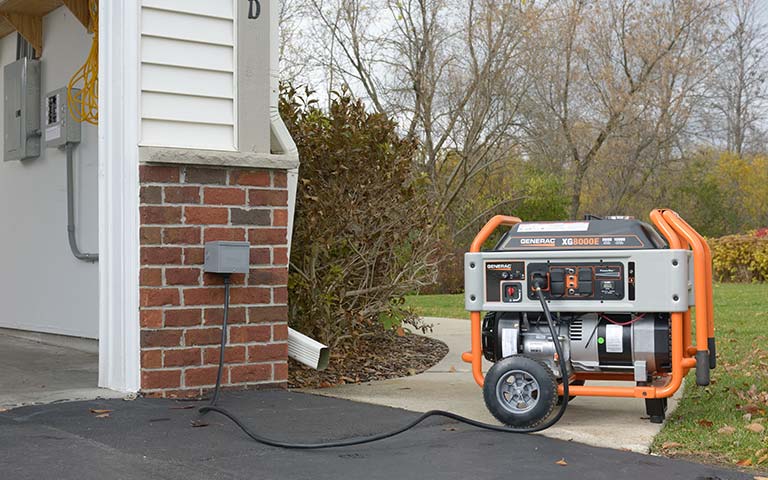
Back feeding a generator feeds power back into utility lines, risking electrocution, fires, and equipment damage.
I have worked on home backup power systems and trained with licensed electricians. This article explains what back feeding a generator really means, why it is dangerous, and how to avoid it safely. You will learn clear steps, real-world tips, and code-aware alternatives to protect your home, neighbors, and equipment. Read on for practical guidance you can use today.
What is Back Feeding a Generator?
Back feeding a generator means sending generator power into the building wiring and then out onto the utility grid. This can energize utility lines that line crews assume are dead. The phrase "Back Feeding A Generator" describes this unsafe path of power flow.
Back feeding often occurs when people plug a generator into a home outlet or tie it into a breaker without isolation. It can power your home but also feed current to the street. That is the main hazard.

Why Back Feeding Is Dangerous
Back feeding a generator creates three major risks. One, it can electrocute utility workers repairing lines. Two, it can damage appliances and the generator itself. Three, it can cause fire or overloading of wiring.
When utility lines are unexpectedly live, line crews face deadly shocks. Generators are not designed to sync with the grid. That mismatch can cause sudden voltage spikes. Those spikes fry electronics and can start fires in wiring.
How Backfeeding Happens: Common Scenarios
People back feed a generator in several typical ways. Understanding these helps prevent mistakes.
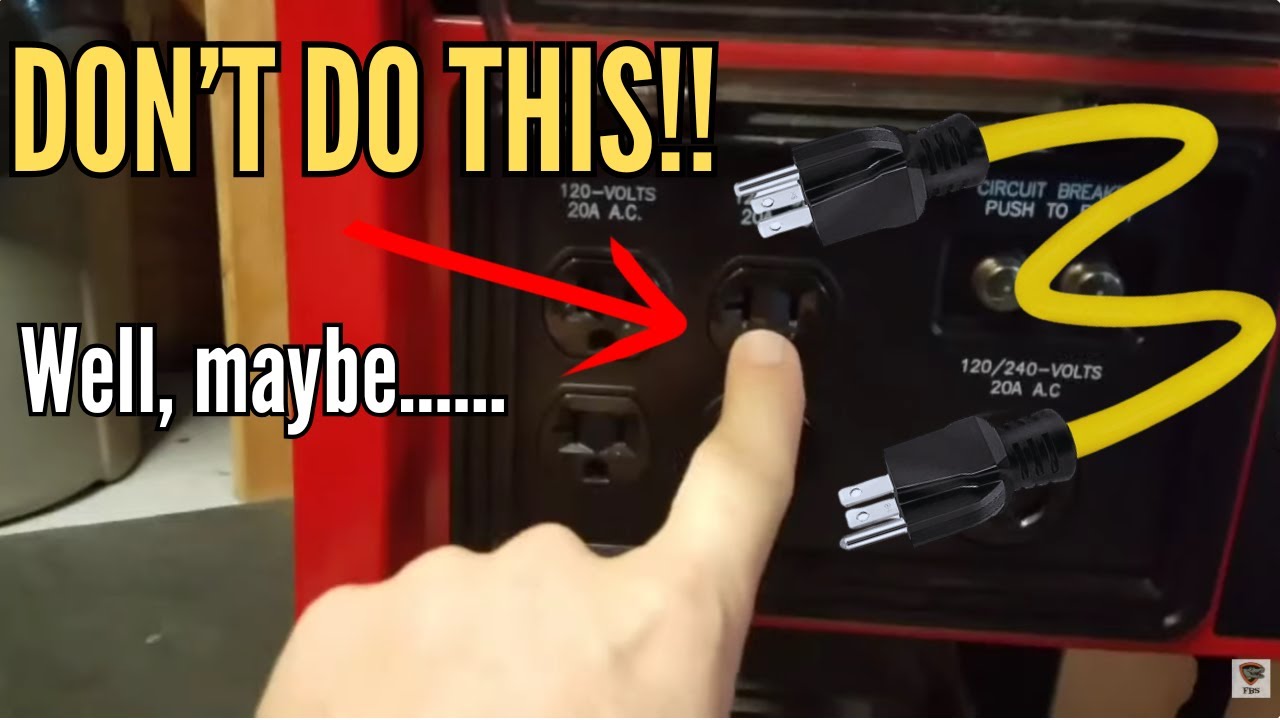
- Plugging a generator into a wall outlet with a "suicide" cord. This sends generator power into the house panel and the grid.
- Connecting a generator to a breaker that ties into the main panel without an isolation switch. Power flows both ways.
- Using multiple generators or improper paralleling that creates unsynchronized outputs.
- Accidentally using a transfer subpanel without proper interlock or transfer switch installed.
Each scenario looks like a quick fix. Each can have deadly results.

Legal, Code, and Safety Requirements
Back feeding a generator often violates electrical codes and utility rules. Most jurisdictions require approved transfer equipment to isolate the generator from the grid.
- National and local electrical codes require a means of isolation before powering a building from a generator.
- Utilities often have rules that forbid back feed because of worker safety and liability.
- Permits and inspections may be required for permanent generator installs.
Following code protects you legally and keeps people safe. Always check local rules and get an electrician when in doubt.
Safe Alternatives to Back Feeding A Generator
Never back feed a generator. Use one of these safe methods instead.
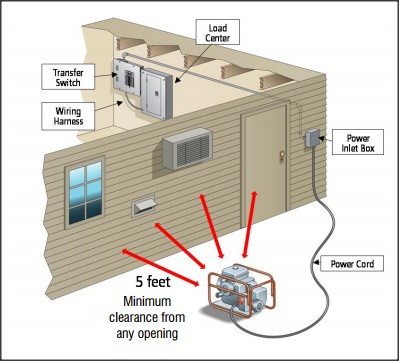
- Install a manual transfer switch. It isolates the house from the grid and prevents backfeeding.
- Use an automatic transfer switch with a standby generator for seamless and safe power.
- Add a generator inlet box and an interlock kit that physically prevents utility and generator power from connecting.
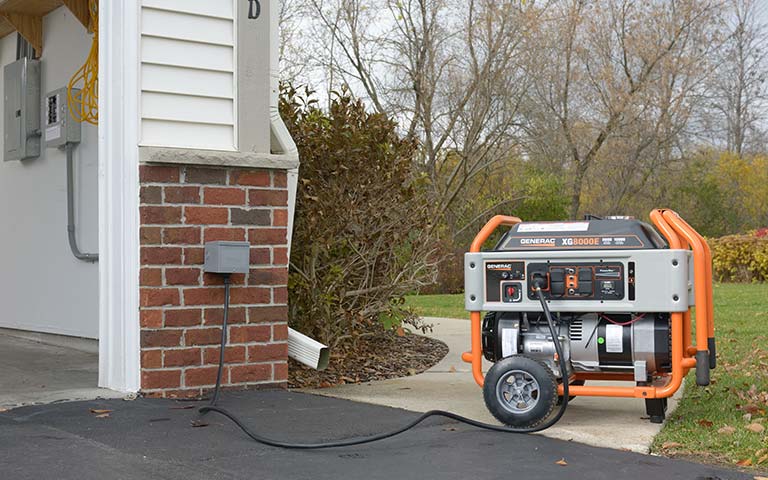
- Use portable generator circuits only with proper cords and outdoor-rated inlet connections to a transfer switch.
These options cost more than a DIY cord. But they protect lives and property.

Step-by-Step: How to Power Your Home Safely
Here is a clear, safe sequence if you plan to run a generator during an outage.
- Choose the right generator size for the loads you need.
- Install a transfer switch or an approved interlock kit by a licensed electrician.
- Mount a generator inlet outside and use a heavy-duty generator cord.
- Start the generator outside in a dry, ventilated area. Keep it away from windows.
- Engage the transfer switch to shift circuits to generator power.
- When utility power returns, switch back to the grid and shut down the generator.
Do not plug the generator into a wall outlet. Do not bypass the transfer switch. These actions prevent back feeding a generator.
Sizing, Equipment, and Best Practices
Correct sizing and gear reduce risks and improve reliability.
- Generator sizing: Calculate starting and running watts. Motors and compressors need higher startup power.
- Transfer switch type: Manual is simple and cheaper; automatic is safer and hands-off.
- Grounding and bonding: Follow code. Proper grounding prevents shocks.
- Fuel and storage: Store fuel safely and plan for runtime and maintenance.
- Maintenance: Run and service the generator regularly to ensure it starts when needed.
Buy reputable equipment and use certified installation. That lowers the chance you'll inadvertently back feed a generator.
Personal Experience and Lessons Learned
I once saw a homeowner try to power their house with a cord into a dryer outlet. The generator backfed and tripped the neighborhood transformer. The repair crew had to de-energize the line. The homeowner faced fines and had to replace several appliances.
Lessons I learned:
- Never improvise. A quick fix can ruin more than one day.
- Hire a licensed electrician for permanent installs.
- Test your setup under safe conditions. Know which circuits you need before an outage.
These simple steps save money, time, and reduce risk.

Signs, Troubleshooting, and What to Do If You Suspect Backfeeding
Watch for these signs that may indicate unsafe back feeding.
- Neighbors' lights flicker when your generator runs.
- Utility crews report live wires during an outage.
- Generator behaves erratically or trips breakers often.
If you suspect backfeeding a generator:
- Shut down the generator immediately.
- Unplug any direct cords feeding into house outlets.
- Contact your utility and a licensed electrician before restarting.
Act fast. Lives can depend on correct actions.
Benefits and Limitations of Using a Generator Safely
A generator provides reliable backup power when used correctly. It keeps critical loads running and can add comfort during outages.
Benefits:
- Keeps refrigerators, pumps, and medical devices running.
- Provides peace of mind during storms.
Limitations:
- Generators require fuel and maintenance.
- Improper setup can cause legal trouble and safety hazards.
- Some equipment needs surge protection and proper transfer switches.
Weigh these before you plan a setup to avoid back feeding a generator.
Frequently Asked Questions of Back Feeding A Generator
What exactly happens when you back feed a generator?
Back feeding sends generator power into the house panel and out to the grid. This can energize utility lines and harm line crews and equipment.
Is back feeding a generator legal?
Most places prohibit it by code and utility rules. It can lead to fines and liability if it harms workers or property.
Can a simple adapter cord be used safely?
No. Plugging a generator into a household outlet with an adapter risks back feeding and is unsafe. Use an approved transfer method instead.
What is a transfer switch and why is it needed?
A transfer switch isolates your home from the grid. It prevents power from flowing back onto utility lines and protects crews and devices.
How do I know the generator is properly grounded?
Follow the manufacturer's instructions and local codes. A licensed electrician can verify grounding and bonding are correct.
Can I run essential circuits only with a small generator?
Yes. You can choose circuits to power through a transfer switch. Prioritize things like refrigeration, lights, and medical equipment.
What should I do if I hear a neighbor's generator affecting my power?
Turn off your generator and contact a licensed electrician and the utility. Backfeeding can be intermittent and dangerous.
Conclusion
Back feeding a generator might seem like a quick way to get power. It is risky, often illegal, and can harm people and property. Use approved transfer switches, inlet boxes, and professional installation to keep your family and neighbors safe. Take action now: review your backup plan, consult a licensed electrician, and upgrade any DIY setups that could back feed a generator. If this article helped, consider subscribing, sharing your experience in the comments, or asking a specific question below.