
A backup generator for refrigerator keeps your fridge running and food safe during power outages.
I have advised homeowners and installed systems that protect perishable food with reliable backup power. This article walks you through how a Backup Generator For Refrigerator works, how to choose the right one, installation basics, fuel choices, costs, and real-life tips so you can make a smart decision and keep your food safe when the lights go out.

How a Backup Generator For Refrigerator Works
A Backup Generator For Refrigerator converts fuel or stored energy into electricity. It supplies power to the fridge's compressor and light so cooling continues. Most refrigerators need a short surge to start, then lower running power to keep cool.
Key parts involved:
- Engine or inverter that creates electricity.
- Transfer switch or manual connection to route power safely.
- Fuel tank or battery/storage system for runtime.
Understanding starting surge versus running draw is vital. The generator must handle the fridge's peak start power or the compressor may not start.

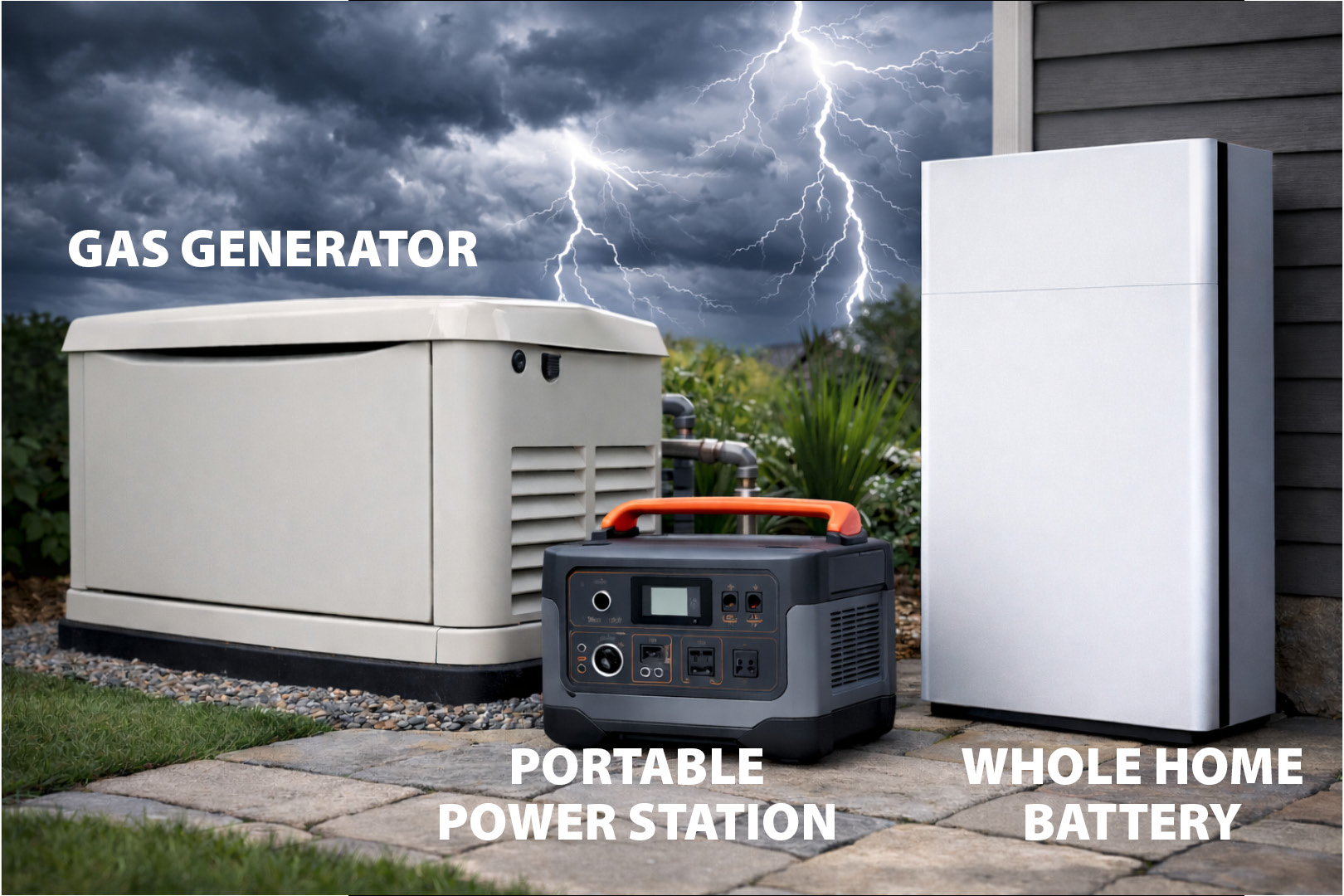
Types of Backup Generators Suitable for Refrigerators
Different setups fit different needs. Choose a Backup Generator For Refrigerator based on outage frequency, budget, and installation limits.
Common types:
- Portable generators
- Affordable and mobile.
- Good for short outages and small loads.
- Standby (automatic) generators
- Permanently installed and wired to the home.
- Starts automatically and can power multiple appliances.
- Inverter generators
- Quieter and cleaner power for sensitive electronics.
- Often more fuel efficient for small loads like a fridge.
- Battery backup and solar systems
- Silent and low maintenance.
- Best for short outages unless paired with a large battery bank.
Each type has trade-offs in cost, noise, maintenance, and runtime. Match the type of Backup Generator For Refrigerator to your lifestyle and outage risk.

How to Size a Backup Generator For Refrigerator
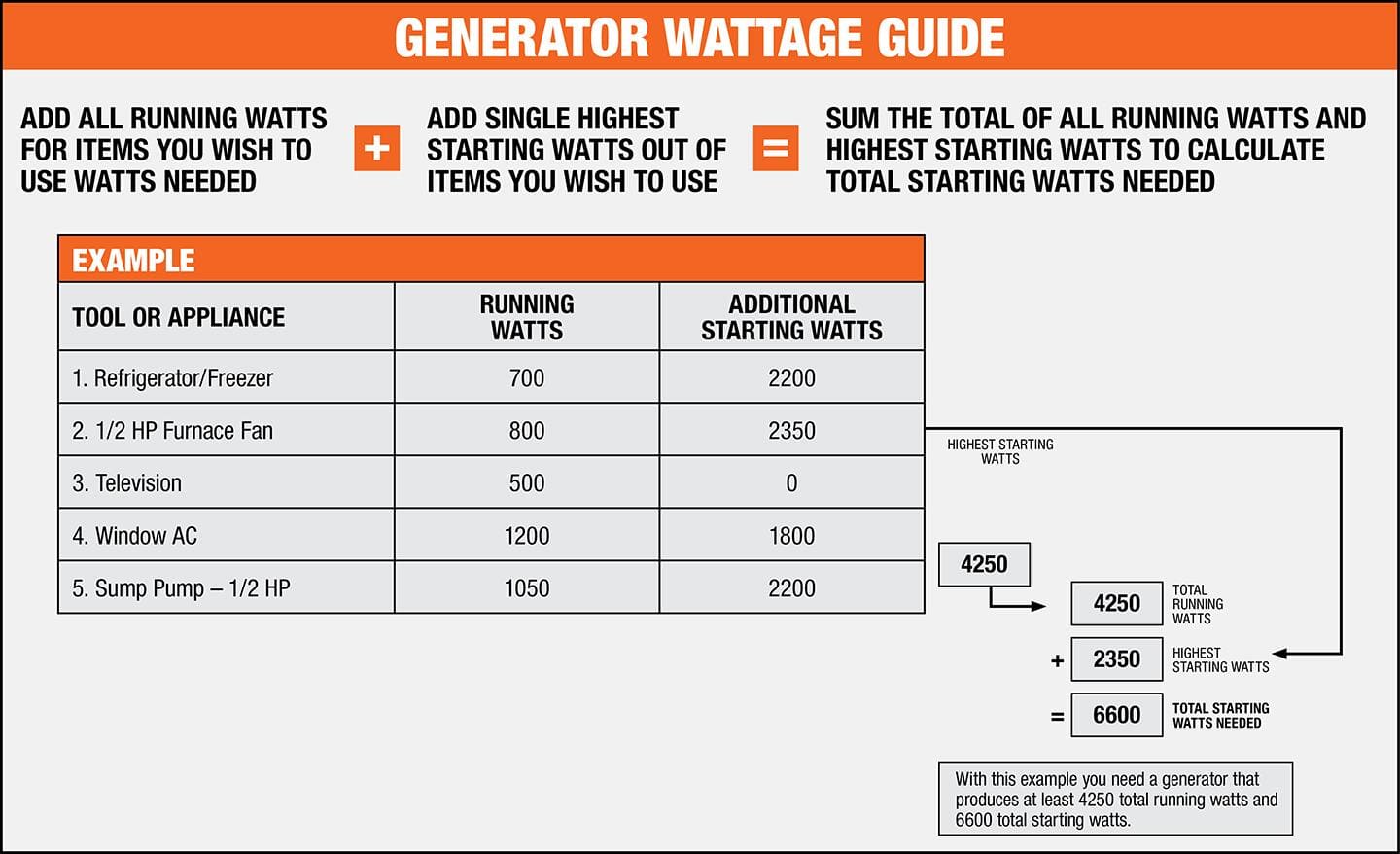
Sizing keeps the fridge running reliably. Start with two numbers: starting watts and running watts.
Typical numbers:
- Running watts for a modern fridge: 100 to 800 watts.
- Starting watts (surge): 500 to 2000 watts for most units.
Easy sizing steps:
- Check your refrigerator label or manual for running and starting watts.
- Add running watts of other appliances you may run (lights, router).
- Choose a generator with starting wattage above the fridge's surge and running wattage above total continuous load.
Example:
- Refrigerator running 400 W, starting 1200 W.
- Add router 20 W and LED lights 60 W.
- Need generator with at least 1200 W start and 480 W continuous. A 2000 W portable or 3500 W inverter is a safe choice.
Sizing correctly prevents failed starts and damaged equipment. When in doubt, pick a slightly larger Backup Generator For Refrigerator than the bare minimum.

Installation, Transfer Switches, and Safety
Safe connection matters. Use the right transfer method and follow codes.
Options for connecting:
- Manual transfer: plug loads into generator or a manual transfer switch.
- Automatic transfer switch (ATS): senses outage and switches power automatically.
- Interlock kits: allow safe manual switching for some panels but must be code-compliant.
Safety tips:
- Never run a generator indoors. Carbon monoxide kills silently.
- Keep the generator dry and on stable ground.
- Use a properly sized extension cord or hardwired connection.
- Install carbon monoxide detectors near sleeping areas.
A licensed electrician should handle hardwiring and ATS installation. Proper setup will make the Backup Generator For Refrigerator safe and reliable.
Fuel Options and Runtime for Backup Generator For Refrigerator
Fuel choice affects runtime and convenience. Pick based on access and storage.
Fuel types:
- Gasoline
- Easy to buy but degrades in months and is flammable.
- Propane
- Stores long, clean burning, good for standby generators.
- Natural gas
- Continuous supply if available, low maintenance.
- Diesel
- Good for heavy-duty gensets and longer runtime.
- Battery and solar
- Silent and low upkeep; runtime depends on battery capacity.
Estimate runtime by checking the generator’s fuel consumption at the load you plan to run. A generator running a single fridge will last longer than one running whole-home loads. Plan for at least 24–72 hours of storage or fuel access during disasters.
Costs, Maintenance, and Longevity
Budget for purchase, installation, and upkeep. Costs vary widely.
Typical costs:
- Portable generator: $400 to $2,000.
- Standby generator with ATS: $5,000 to $15,000 installed.
- Battery backup systems: $2,000 to $10,000 depending on capacity.
Maintenance checklist:
- Run the generator monthly under load for 20 minutes.
- Change oil and filters per manual.
- Inspect fuel lines and battery terminals.
- Keep spark plugs clean and replace as needed.
Expect longer life with regular care. A well-maintained Backup Generator For Refrigerator can last a decade or more.

Real-World Examples and Personal Experience
I once helped a neighbor after a storm. Their fridge would warm within hours without power. We used a 3,500 W inverter generator. The compressor started easily and food stayed safe for three days. Lesson learned: always check starting watts and test the setup before an emergency.
Common mistakes I’ve seen:
- Buying underpowered units that can’t handle the fridge surge.
- Using extension cords rated too low or with poor connections.
- Storing gasoline too long without stabilizer.
Practical tips from fieldwork:
- Label circuits you want powered during outages.
- Practice connecting the generator and running it once a month.
- Keep a small cooler and ice packs as a backup for long outages.
Frequently Asked Questions of Backup Generator For Refrigerator
What size Backup Generator For Refrigerator do I need?
Most modern fridges need 100 to 800 running watts and 500 to 2000 starting watts. Choose a generator that covers the fridge's starting surge and any other loads you plan to run.
Can I run a fridge on a small portable generator?
Yes, if the portable generator can handle the fridge's starting watt surge. Use an inverter or a unit rated above the fridge's start watt requirement to avoid failures.
How long will a generator keep a refrigerator cold?
Runtime depends on generator fuel capacity and load. With modest fuel, many portable generators can run a fridge for 24+ hours; standby units on natural gas can run indefinitely with fuel supply.
Is a transfer switch required to run a fridge safely?
A transfer switch is the safest and code-compliant way to connect a generator to house circuits. Manual options exist, but they require care and proper breakers to avoid backfeed hazards.
Can battery backup systems replace a backup generator for refrigerators?
Battery backup systems can power a fridge for short outages depending on battery size. For multi-day outages, batteries need large capacity or solar recharge to match generator runtime.
Conclusion
A reliable Backup Generator For Refrigerator protects your food and reduces stress during outages. Choose the right type and size, install it safely, and maintain it regularly. Start by checking your refrigerator’s starting and running watts, pick a generator that covers those needs, and practice using it before an emergency.
Take action today: list the circuits you need, check your fridge specs, and plan a generator or battery solution that fits your home. Leave a comment or share your backup generator story to help others learn from real experience.