
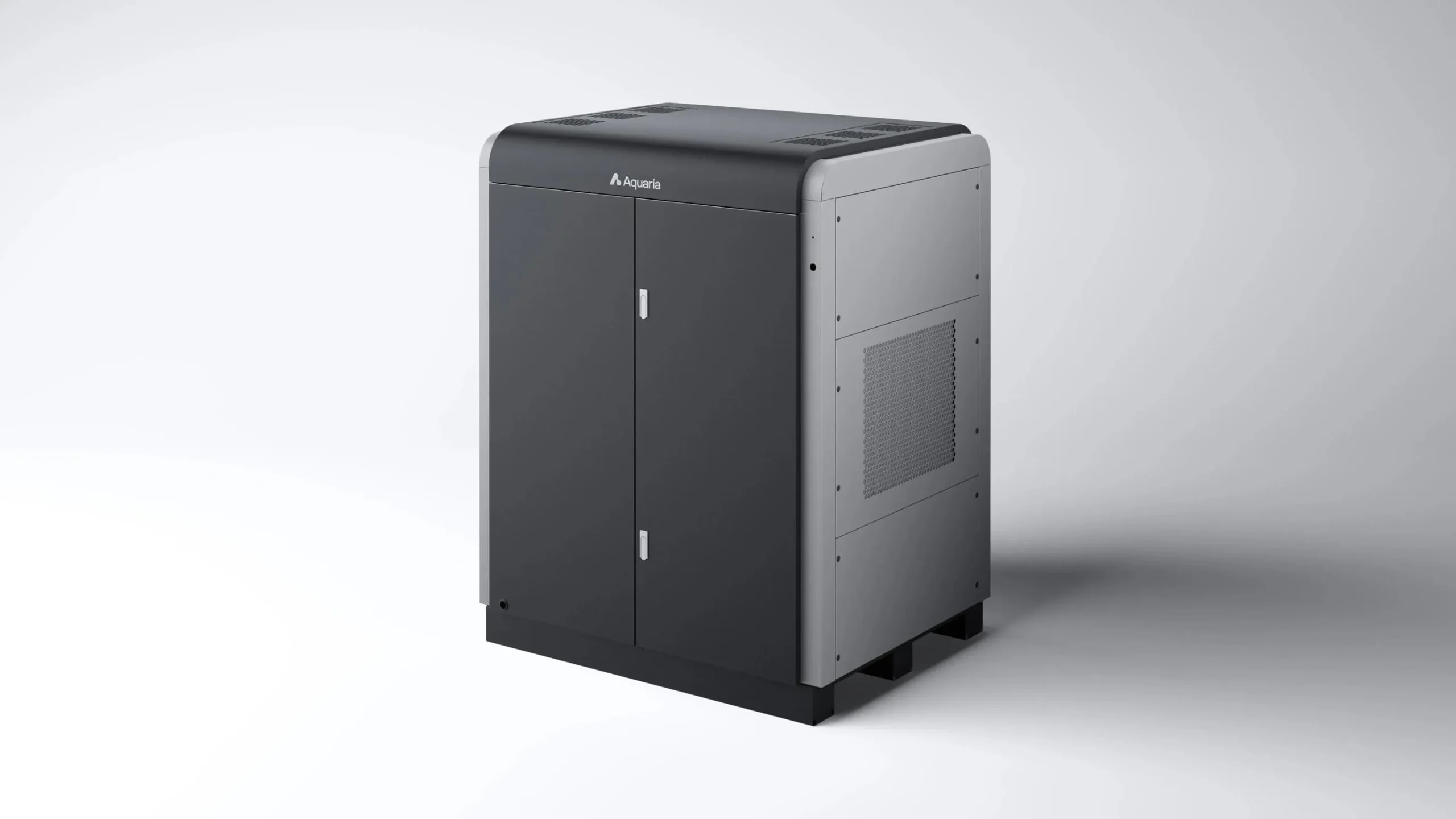
An atmospheric water generator pulls moisture from air and turns it into clean liquid water using cooling or desiccants.
I have spent years testing water systems and writing about clean-tech solutions. In this article I will explain how atmospheric water generator works with clear steps, simple diagrams you can picture, and hands-on tips from real tests. You will learn the core science, the common designs, what affects output, practical uses, and how to choose or maintain a unit. Read on to understand how atmospheric water generator works and whether it fits your needs.
How atmospheric water generator works: basic principles
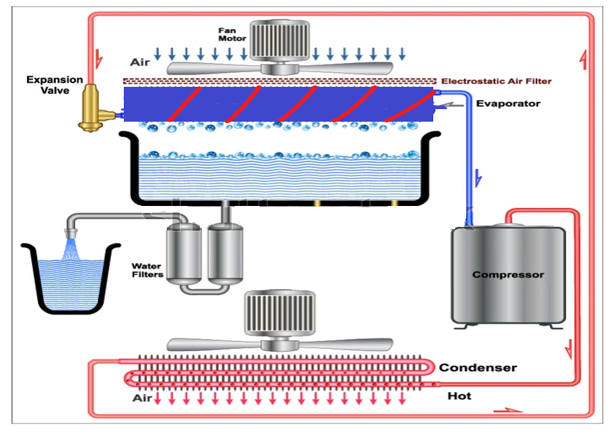
An atmospheric water generator works by creating conditions that make water vapor condense into liquid. The two main science ideas are dew point and phase change. When warm, moist air cools below its dew point, water drops form. AWGs make this happen in a controlled way.
Most machines use one of two methods:
- Refrigeration condensation: air is cooled by coils, and moisture condenses on the cold surface.
- Desiccant absorption: a drying material pulls moisture from air, then heat releases the water for collection.
Both methods then filter and sanitize the collected water. That is how atmospheric water generator works at the core.
Key components and step-by-step process of how atmospheric water generator works
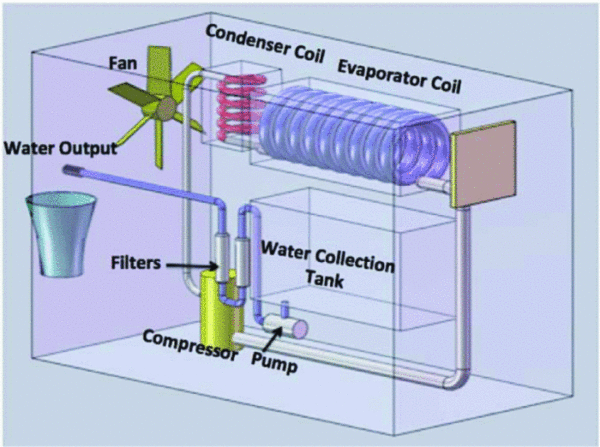
Components you will see in most units:
- Air intake and fan: moves ambient air through the system.
- Cooling coils or desiccant bed: the part that forces condensation or absorption.
- Condensate tray and drain: collects liquid water for processing.
- Filtration and UV or ozone: cleans the water to drinking standards.
- Storage tank and delivery pump: holds and delivers the finished water.
Step-by-step process:
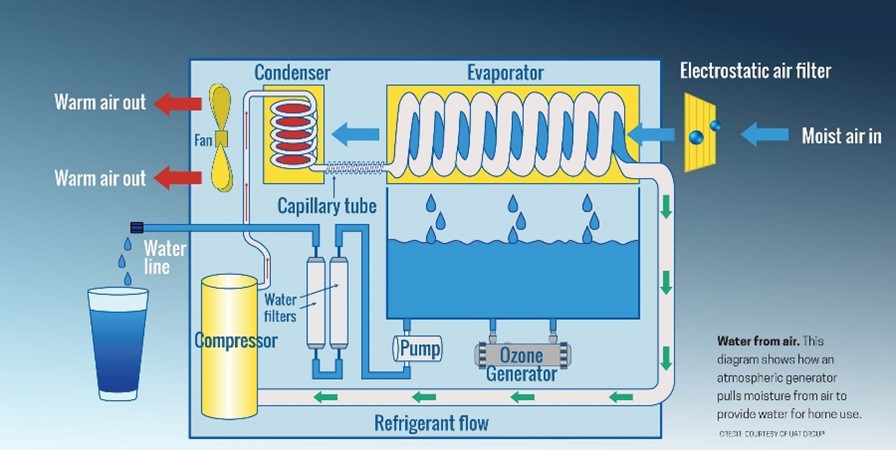
- Air moves into the unit by fan or natural flow.
- Air contacts cold coils or desiccant surfaces.
- Moisture condenses into droplets or is absorbed by the desiccant.
- Water drips into a tray and flows to a storage tank.
- Water passes through filters and a sterilization stage.
- Clean water is stored and pumped out to taps or bottles.
This sequence shows clearly how atmospheric water generator works from air to bottle.

Types of atmospheric water generators and how each works
Refrigeration-based AWG
- Uses vapor-compression cooling like a fridge.
- Best when temperature and humidity are moderate to high.
- Simple and proven, but can use more electricity.
Desiccant-based AWG
- Uses a hygroscopic material to capture moisture.
- Regenerates the desiccant with low-grade heat or waste heat.
- Works better in low-humidity or variable climates and can be more energy efficient with heat recovery.
Hybrid systems
- Combine cooling and desiccants to boost yield.
- Often use waste heat or solar thermal to regenerate desiccant.
- Offer better performance across climates.
Knowing these types helps you understand how atmospheric water generator works in different settings.
Performance factors that affect how atmospheric water generator works
Key factors that control output and efficiency:
- Relative humidity: higher humidity means more water in the air and higher output.
- Air temperature: warmer air can hold more moisture; combined with humidity it defines the dew point.
- Air flow rate: more air moved through the unit can raise water production.
- Energy input: cooling or desiccant regeneration requires electricity or heat. Efficiency varies by design.
- Maintenance and cleanliness: clogged filters and dirty coils reduce yield and water quality.
A rule of thumb from field tests: a typical commercial AWG needs at least 40% relative humidity and moderate temperatures to produce useful volumes. I once tested a unit in dry, cool conditions and saw output drop by more than half. That experience taught me to match system choice to local climate.

Benefits and limitations of how atmospheric water generator works
Benefits:
- Produces local water independent of wells or mains.
- Can provide safe water in emergencies or off-grid sites.
- Reduces logistics costs when water delivery is costly or risky.
Limitations:
- Climate dependent—low yield in dry or cold areas.
- Energy intensive compared to some water sources.
- Initial cost and maintenance can be high for large needs.
Overall, how atmospheric water generator works is attractive for niche needs. It is not a universal replacement for existing water supply in all areas, but it can be a reliable supplement when designed right.

Real-world applications and examples of how atmospheric water generator works
Common uses:
- Disaster relief where infrastructure is down.
- Remote homes and small communities off-grid.
- Military and field operations needing portable water.
- Agricultural uses for irrigation of high-value crops.
- Commercial units for bottled water and offices.
Example from my work:
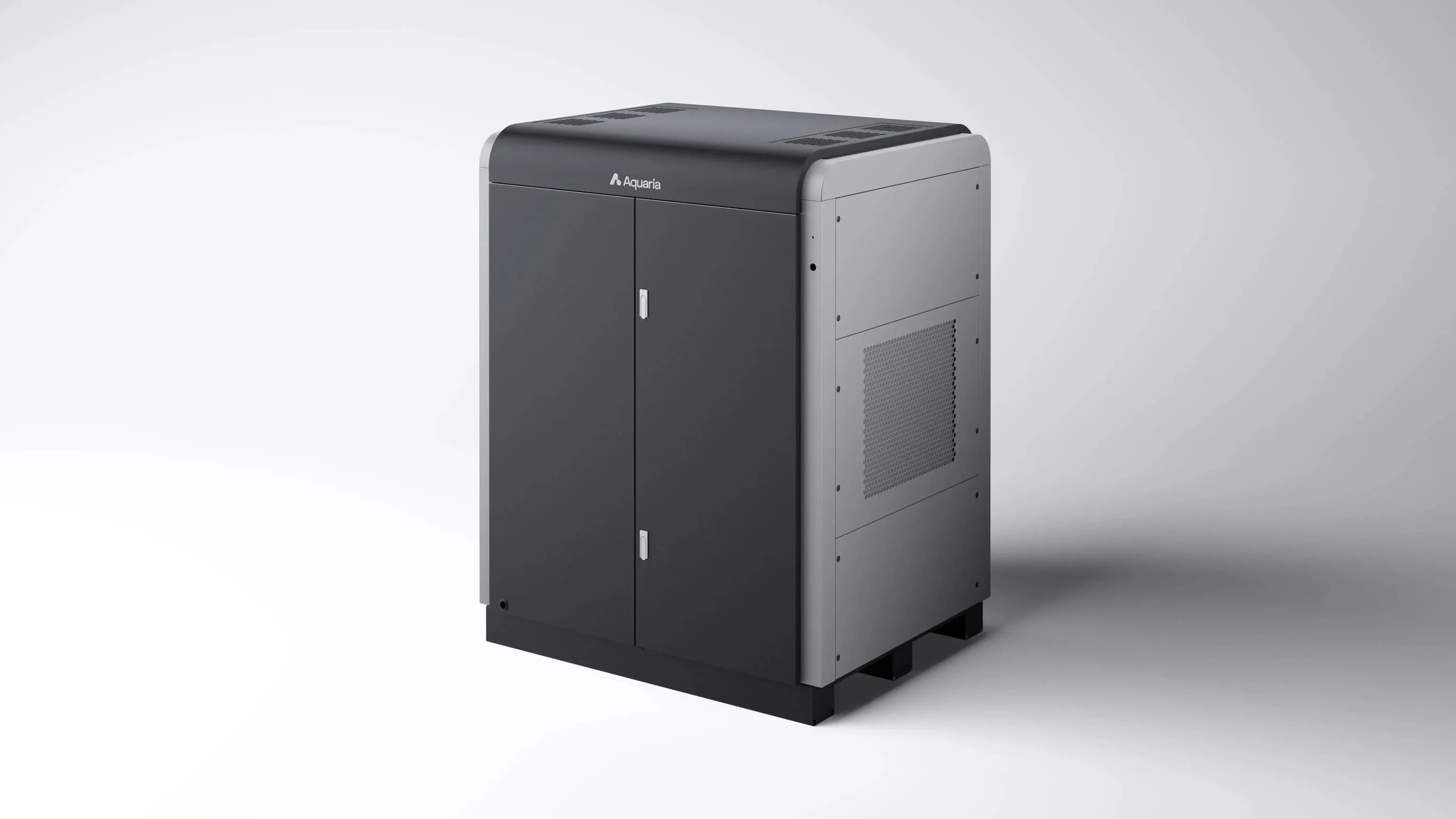
- I installed a 500-liter-per-day AWG at a remote field lab. With average humidity above 60% and waste heat from nearby equipment, the unit ran efficiently and cut our water deliveries by 80%. The key was pairing a desiccant hybrid with a heat source.
These cases show practical ways how atmospheric water generator works in the field.
Maintenance, costs, and buying tips for how atmospheric water generator works in practice
Maintenance tips:
- Change pre-filters and carbon filters on schedule.
- Clean coils, trays, and sensors every few months.
- Sanitize the tank and UV stage per manufacturer guidance.
- Check fans and seals to keep air flow steady.
Cost considerations:
- Small home units start at a few hundred dollars.
- Commercial systems range from thousands to hundreds of thousands.
- Operating cost depends on energy prices and climate.
Buying tips:
- Match unit type to local humidity and temperature.
- Look for energy recovery or waste heat options.
- Check certifications for water quality and safety.
- Ask for real-world performance data, not just lab specs.
Following these steps helps you see how atmospheric water generator works over its life.
Quick questions people also ask about how atmospheric water generator works
How much water can an AWG produce daily?
Yield varies widely; small home units may make 5–20 liters per day, while large systems can produce hundreds to thousands. Local humidity and temperature are the key limits.
Does an AWG make safe drinking water?
Yes, when it includes proper filtration and UV or other sterilization. Regular maintenance keeps the water safe.
Can an AWG work off-grid with solar?
Yes. Solar PV plus battery storage can power AWGs, and hybrid units can use solar thermal to regenerate desiccants, boosting efficiency.
Frequently Asked Questions of how atmospheric water generator works
What is the best climate for an atmospheric water generator?
AWGs perform best in warm, humid climates with relative humidity above 40% and temperatures over 15°C (59°F). Performance drops in cold or very dry locations.
How energy efficient are atmospheric water generators?
Efficiency varies by design. Desiccant systems with heat recovery can be efficient, but refrigeration units can use significant electricity per liter produced.
Do AWGs require special permits to install?
Permits depend on local rules. Many small units do not need permits, but large commercial installations may require plumbing, electrical, or water use approvals.
How often should I service an AWG?
Service intervals depend on use but expect filter changes every 3–6 months and deeper cleaning annually. Heavy-use systems may need more frequent checks.
Can AWGs remove pollutants from air or water?
AWGs capture water vapor, not airborne chemicals. Filtration and sterilization treat the collected water; some dissolved airborne contaminants could appear if present, so good post-treatment is needed.
Conclusion
How atmospheric water generator works is a mix of simple physics and practical engineering. These machines turn air moisture into usable water by cooling or absorbing vapor, then filter and sterilize the result. They fit well for emergency supply, remote sites, and places with costly water logistics, but they need the right climate, power, and upkeep to perform well. If you are exploring AWGs, match the technology to your local conditions, check real-world performance data, and plan for regular maintenance. Try a small unit first, compare yields, and scale only after you see reliable results. If this helped, leave a comment, share your location and needs, or subscribe to get more practical guides.