
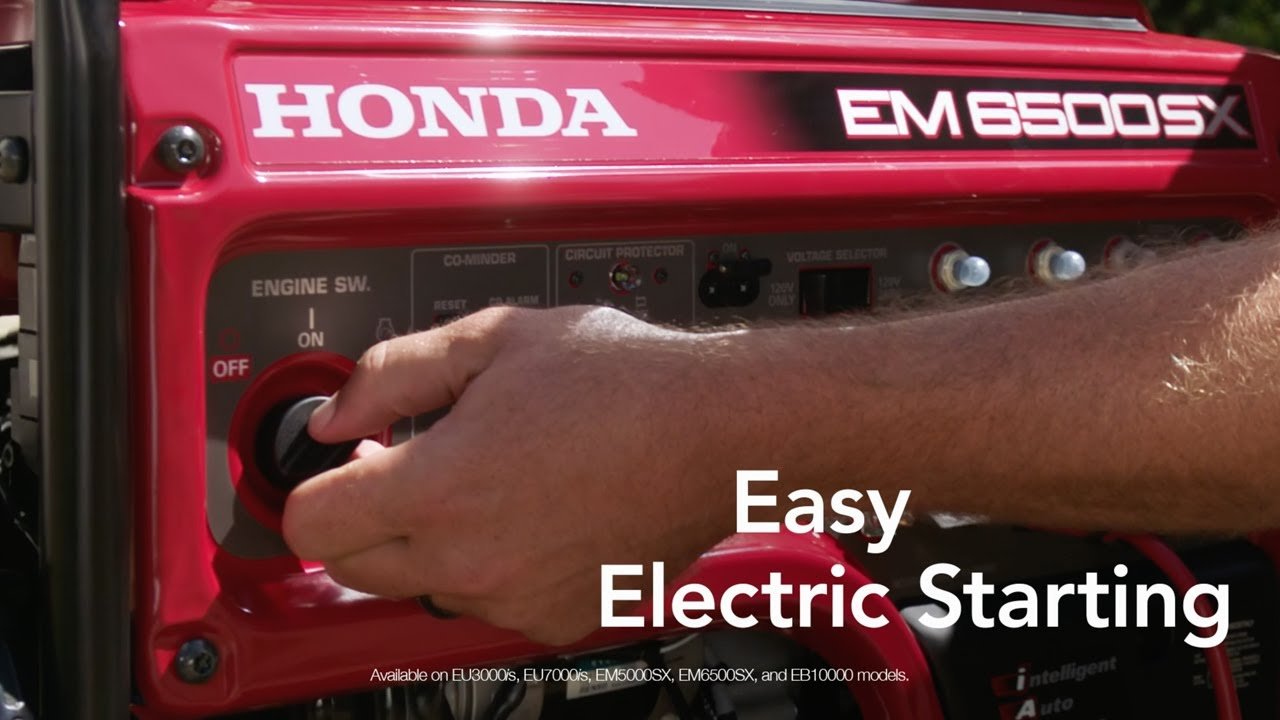
Turn on the fuel, set the choke, pull the recoil or push the electric start, and let it warm.
I’ve worked on portable engines and owned Honda generators for years, so I’ll walk you through exactly how to start a Honda generator safely and reliably. This guide covers quick starts, step-by-step instructions for common Honda models, safety checks, troubleshooting, and maintenance tips. Read on to master how to start a Honda generator with confidence and avoid the common mistakes I’ve seen in the field.

Why knowing how to start a Honda generator matters
Knowing how to start a Honda generator keeps your power reliable in an outage or on a job site. Honda generators are known for fuel efficiency and quiet operation. But improper starting can flood the engine or trigger safety shutdowns. Learning the correct steps protects the engine and extends unit life. I’ll explain the core parts, what to expect, and why each step matters so you get consistent results every time.

Before you start: safety checks and preparation
Start with a quick safety checklist. These steps prevent accidents and make starting smoother.
- Place the generator outside on level ground, away from windows and vents. Generators produce carbon monoxide.
- Check the fuel tank and use fresh gasoline. Stale fuel causes hard starts.
- Verify the oil level. Many Honda models have a low-oil sensor that will prevent starting if oil is low.
- Inspect the spark plug and air filter for obvious issues. Dirty filters reduce airflow and make starting worse.
- Ensure all loads are disconnected. Don’t connect appliances until the generator is running and stable.
From my experience, skipping the oil or fuel check is the top reason people have issues. I once helped a neighbor who tried to start a stalled generator in freezing weather; simply switching to fresh fuel fixed it instantly.
Step-by-step: how to start a Honda generator
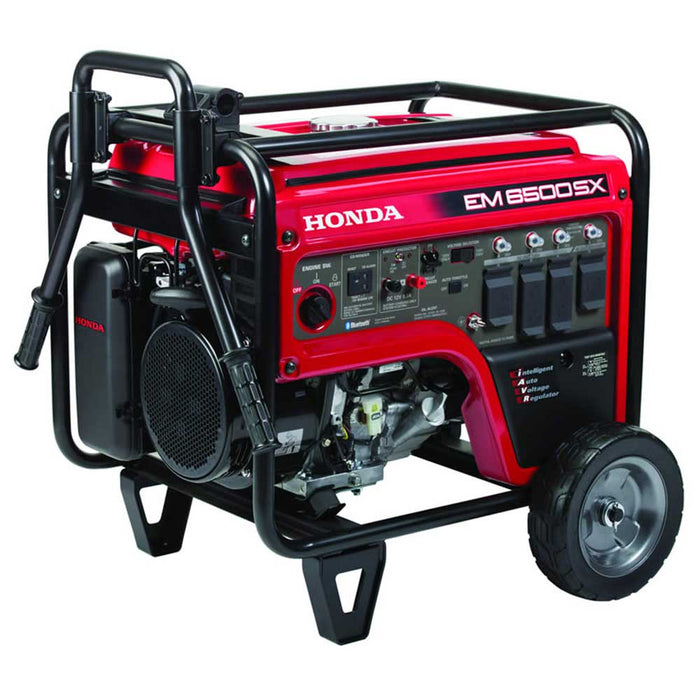
The basic process is similar across most Honda models, including portable inverters and frame-mounted units. Below are two common methods: recoil (pull) start and electric start.
Recoil (pull) start steps:
- Turn the fuel valve to ON. This lets fuel flow to the carburetor.
- Set the engine switch to ON. This is usually a simple rocker or toggle.
- Move the choke to CLOSED or ON if the engine is cold. For warm starts, set choke to OPEN or OFF.
- Set the throttle to the RUN or START position if your model has one.
- Hold the generator firmly. Pull the recoil handle briskly until the engine fires. You may need a few pulls.
- When the engine runs, move choke slowly to OPEN. Allow 1–2 minutes to warm up.
Electric start steps (for models with a key or button):
- Turn the fuel valve to ON.
- Set the engine switch to ON.
- If cold, set the choke to CLOSED or use the choke lever/button.
- Turn the key or press the start button. If it doesn’t start within a few seconds, stop and wait 10 seconds before trying again to protect the starter.
- Once running, slowly open the choke. Let the generator stabilize before connecting loads.
Model notes and helpful tips:
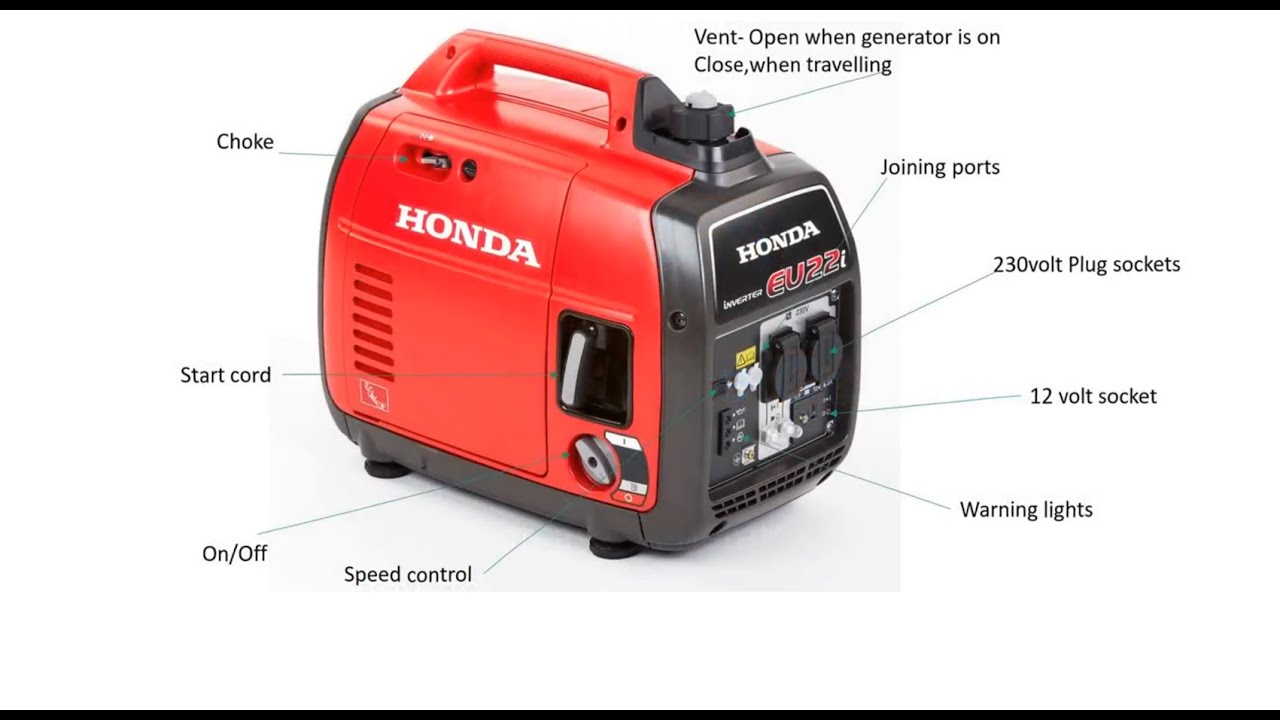
- Many Honda inverter models (like EU2000i and EU2200i) have an ECO throttle. Start with ECO off, warm the engine, then enable ECO for better fuel economy.
- If the generator floods (smells strongly of fuel or sputters), set the choke to OPEN and pull the recoil several times with the throttle low to clear excess fuel.
- For units with a primer bulb, depress it 2–3 times only—over-priming creates flooding issues.
Repeatable routine: I always do fuel, oil, and air checks first. This habit saved me from being stranded during a job when the main power failed.

Troubleshooting common starting problems
If your Honda generator won’t start, these common causes usually explain why.
- No start and no sound: Check the engine switch, fuel valve, and battery (if electric start). Confirm fuel is present.
- Cranks but won’t catch: Stale fuel, clogged carburetor, or bad spark plug can cause this. Replace old fuel and inspect the spark plug.
- Runs then stalls: Low oil shutdown or clogged air filter are common. Check oil level and filter.
- Strong fuel odor or wet spark plug: Engine is flooded. Open the choke, set throttle low, and pull to clear fuel.
- Starts but surges or sputters: Carburetor adjustment or bad fuel can cause rough running. Use fresh fuel and consider a carburetor rebuild if persistent.
A small trick that often works: remove and inspect the spark plug. If the plug tip is wet with fuel, dry it and try again. If the plug looks damaged or fouled, replace it.
Maintenance tips to ensure reliable starts
Regular maintenance cuts most starting issues in half. Keep a short checklist handy.
- Change oil per Honda’s schedule—fresh oil protects the engine and prevents sensor shutdowns.
- Replace the spark plug yearly or every 100 hours. Use the OEM plug type specified in your manual.
- Clean or replace the air filter regularly. A clogged filter chokes the engine.
- Use a fuel stabilizer if storing more than a month. Old fuel gums carbs and causes hard starts.
- Run the generator under load monthly for 15–30 minutes to keep seals lubricated and the carburetor functioning.
- For electric-start models, keep the battery charged or use the battery saver from time to time.
I learned to keep a small maintenance kit with a spare plug, fuel stabilizer, and a compact tool set. It’s saved me time on site and helped start the unit on first pull during storms.
Safety tips when starting and operating
Safety matters every time you start a generator. Follow simple rules to avoid hazards.
- Never run a generator indoors or in a garage. Carbon monoxide can build up quickly.
- Keep the generator dry and on stable ground. Electrical shocks can occur with wet equipment.
- Allow the engine to cool before refueling. Hot components can ignite fuel vapors.
- Don’t overload the generator. Check rated watts and attach appliances accordingly.
- Use heavy-duty outdoor-rated cords and ground the generator if required by local code.
I once saw a homeowner try to run a generator in a garage during heavy rain. The fumes and water risk were serious. Move the unit outdoors and keep extension cords short and heavy gauge.

Related concepts and advanced tips
Understanding a few related topics makes starting easier and smarter.
- Parallel operation: Some Honda inverters allow parallel cables to link two units for more power. Start both generators and then connect per the manual.
- Cold-weather starts: Use fresh winter-grade fuel or a fuel additive. Keep the unit in a sheltered, ventilated spot and warm the engine by running it periodically.
- Long-term storage: Drain fuel or add stabilizer, fog the engine if storing for months, and remove the battery on electric-start models.
- Inverter technology: Many Honda portable models use inverters to protect electronics. They still start like conventional units but handle loads differently.
These tips come from mixing manual guidance with years of hands-on experience. They help you start and use your Honda generator the smart way.
Frequently Asked Questions of how to start a honda generator
How do I start a Honda generator if it has a choke?
Set the choke to CLOSED for a cold engine, then start by recoil or electric start. Once it runs smoothly, move the choke to OPEN.
Why won’t my Honda generator start after sitting all winter?
Old fuel can gum the carburetor and cause hard starts. Drain stale gas or add fresh fuel and clean the carburetor if needed.
How long should I run the generator before connecting appliances?
Run the generator 1–2 minutes to stabilize voltage and engine temperature before connecting sensitive devices. For large loads, let it warm longer.
What should I do if the generator floods during starting?
Open the choke to OPEN and pull the recoil several times with low throttle to clear excess fuel. Replace the spark plug if it remains wet.
Can I start a Honda generator with low oil?
No. Many Honda models have a low-oil sensor that prevents starting. Add oil to the recommended level before attempting to start.
Is it better to use electric start or recoil start?
Electric start is easier, especially for frequent use or heavy units. Recoil start is lightweight and reliable, but requires more effort.
How often should I check the spark plug?
Inspect the spark plug every 50 hours or annually and replace it every 100 hours or per the manual. A good plug supports reliable starting.
Conclusion
Starting a Honda generator well means following simple checks: fuel, oil, choke setting, and the correct start sequence. With routine maintenance and attention to safety, you’ll get dependable starts every time. Try the steps in this guide the next time you need power, and share what worked for you. If you found this useful, subscribe, leave a comment with your model and questions, or explore more guides to keep your generator running strong.