
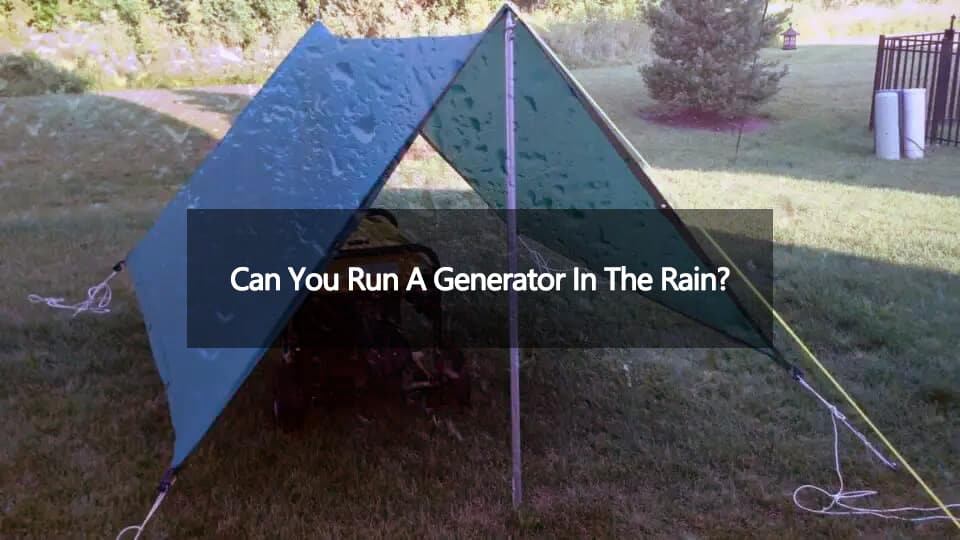
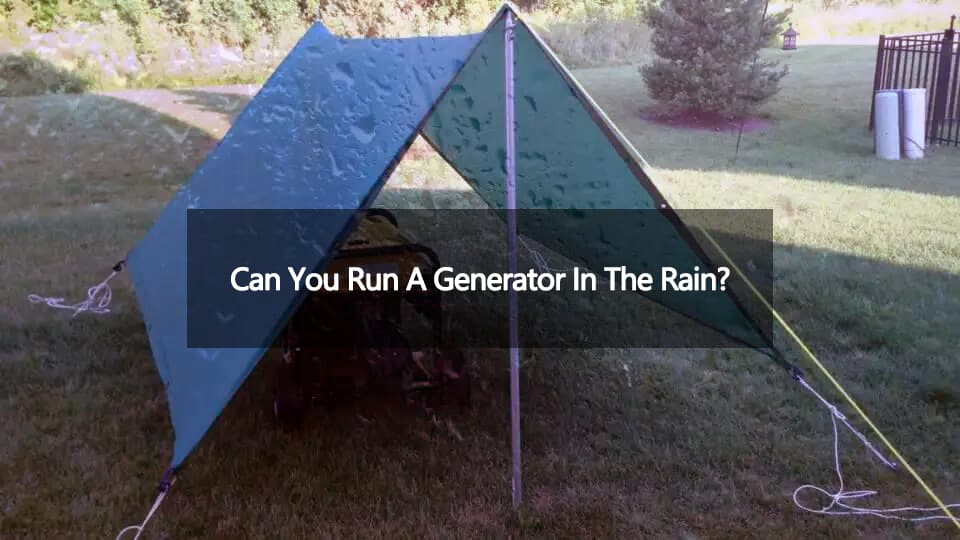
You can run a generator in the rain only if it is kept dry, protected, and grounded.
Can You Run A Generator In The Rain is a question I hear often from homeowners and contractors. I have years of hands-on experience with portable and standby generators. In this guide I explain risks, safe practices, and real-world tips so you can make smart choices when power is out and the weather is wet. Read on to learn how to run a generator safely in rain and how to avoid common mistakes.

Why the question "Can You Run A Generator In The Rain" matters
Electricity and water do not mix well. That simple fact makes Can You Run A Generator In The Rain an urgent safety topic. People use generators in storms, during floods, and on wet job sites. Knowing the right steps cuts the chance of shock, fire, or equipment loss. I will break down the hazards and show practical ways to reduce them while keeping power on.

Key risks of running a generator in wet weather
Understanding risks helps you choose safe actions. Here are the main dangers to watch for.
• Electric shock and electrocution. Wet surfaces increase the risk of current finding a path through you or wet tools.
• Carbon monoxide poisoning. Rain does not stop exhaust from building up in enclosed spaces.
• Fuel and fire hazards. Wet fuel handling raises the chance of spills and slips.
• Equipment damage. Moisture can corrode wiring, cause short circuits, and ruin the engine.
Can You Run A Generator In The Rain safely depends on addressing each of these risks. Always treat the machine as a live electrical source and plan accordingly.
How different types of generators behave in rain
Not all generators respond to wet weather the same way.
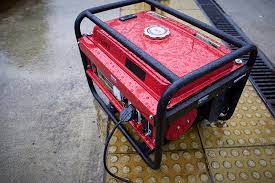
• Portable generators. These are most common. They sit outside and are vulnerable to direct rain. They need strong protection and correct placement.
• Inverter generators. They can be smaller and are often more sensitive to water near electronic controls. Protection is still important.
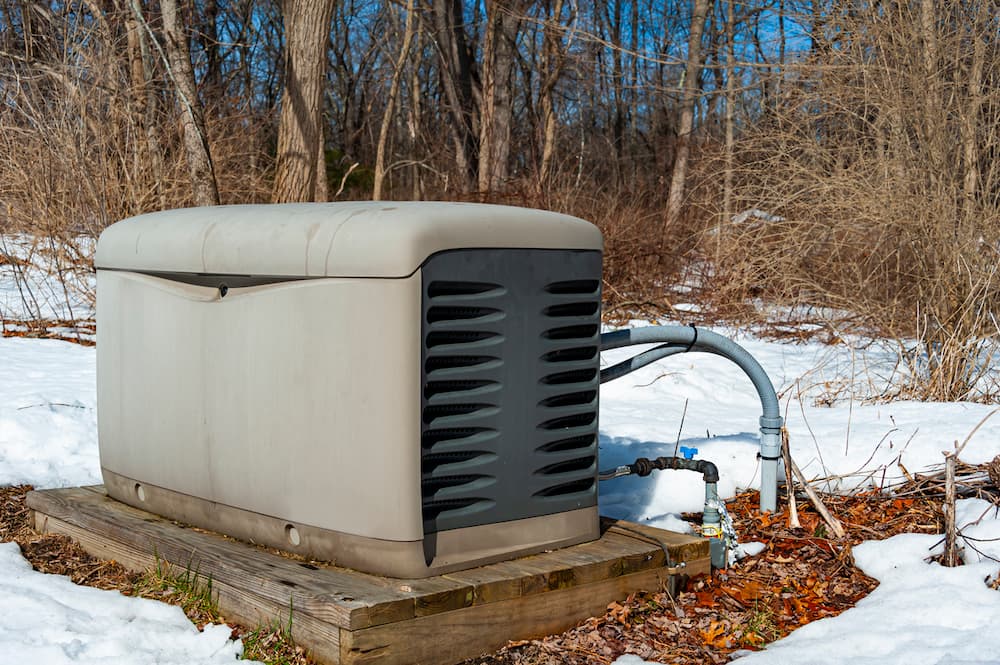
• Standby generators. These are built to be outside and usually have enclosures. They handle rain better but still need proper clearance and drainage.
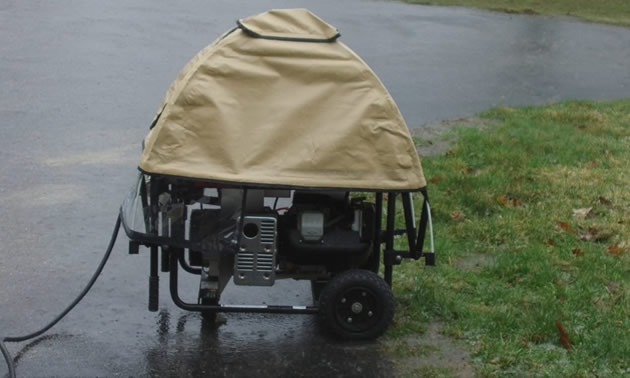
When you ask "Can You Run A Generator In The Rain," remember that a standby unit in a rated enclosure is safer than a small portable left in a driveway. Still, no generator should be run in a puddle or under constant soaking.
Safe ways to run a generator in the rain
Follow practical steps to reduce risk when wet weather comes.
• Place the generator on dry, level ground above puddles. Use pallets or blocks to keep it off wet soil.
• Keep the exhaust away from doors, windows, and vents. Rain can drive exhaust back toward the house.
• Use a purpose-built canopy or generator tent that allows airflow and keeps the unit dry. Never enclose the generator fully.
• Ground the unit per the manual and local code. Proper grounding lowers shock risk.
• Install a GFCI or test outdoor outlets and cords to prevent current leakage.
• Use a transfer switch for home connection. This prevents backfeed into utility lines and protects line workers.
• Cover fuel containers and refill with the engine off. Store fuel in approved cans away from the unit.
Can You Run A Generator In The Rain if you follow those steps? Yes, but only with careful protection and good judgment.

Quick PAA-style questions
Will a generator short out in the rain?
If rain hits exposed wiring or the control panel, a short is possible. Use covers and keep electrical parts dry to avoid shorts.
Can I build a box to protect my portable generator?
You can, but it must allow airflow and keep exhaust clear. A sealed box will trap fumes and cause carbon monoxide hazards.
Personal experience: what I learned the hard way
I once ran a portable generator under a tarp during a wind-driven storm. The tarp kept rain off, but it sagged and funneled water onto the plug side. A short melted a cord and ended that run. After that I switched to a manufactured canopy, kept cords elevated, and added a GFCI adaptor. Those small changes made me feel safer and cut problems.
Lessons learned:
• Use gear designed for generators.
• Elevate cords and connections.
• Test everything before storms arrive.
Can You Run A Generator In The Rain? My answer after years of use: yes, with gear, care, and respect for the risks.

Post-storm inspection and maintenance
After running in wet weather, inspect the unit before the next use.
• Let the generator cool and dry before touching.
• Check fuel lines and tanks for water contamination. Drain if needed.
• Inspect spark plug, air filter, and battery for moisture damage. Replace parts that show corrosion.
• Dry and clean all electrical connections. Use contact cleaner or a brush for corrosion.
Routine checks keep small water issues from becoming bigger failures. If wiring looks badly corroded, have a pro inspect it.
Codes, insurance, and manufacturer guidance
Manufacturers and safety agencies set rules for a reason. Follow them.
• Read the owner’s manual. Safety instructions vary by model.
• Use a professionally installed transfer switch for home hookups. Many local codes require it.
• Insurance claims after a fire or accident often look for proof you followed manufacturer guidance and codes.
Can You Run A Generator In The Rain and still be covered by insurance? Only if you follow instructions and local codes. Document your maintenance and installation to protect yourself.
SEO and practical takeaways
Keep these points in mind when deciding to run a generator in wet weather.
• Always prioritize ventilation and exhaust clearance.
• Keep electrical components dry and elevated.
• Use proper shelters that do not block airflow.
• Invest in a transfer switch and GFCI protection for household connections.
Repeatedly ask yourself: Can You Run A Generator In The Rain without increasing risk? If the answer is no, wait or move the unit to a safer spot.
Frequently Asked Questions of Can You Run A Generator In The Rain
Can you run a generator in the rain without a cover?
Running a generator in direct rain without a cover increases the chance of shock and damage. Use a proper canopy that keeps the unit dry but allows ventilation.
How far from the house should a generator be in rain?
Place the generator at least 20 feet from windows and doors and ensure exhaust points away from the house. This distance helps keep fumes and moisture away from living areas.
Will running a generator in rain void the warranty?
Some manufacturers state that water damage from improper use can void warranties. Follow the manual and use approved accessories to stay covered.
Is carbon monoxide a bigger risk when running a generator in the rain?
Rain can make people move the unit closer to doors or under covers, which increases carbon monoxide risks. Always keep exhaust clear and use CO detectors.
Can I use extension cords in wet conditions?
Use heavy-duty, outdoor-rated cords and keep all connections elevated and dry. If possible, use a transfer switch to avoid long extension cord runs.
Conclusion
Running a generator in wet weather is possible but demands care. Protect the unit from direct rain, ensure good airflow, ground and isolate electrical parts, and follow the manual and local codes. My experience shows that small investments in a canopy, proper cords, and a transfer switch prevent most problems.
Take action now: review your generator manual, buy a suitable cover or canopy, and install a transfer switch if you power your home. Share your story or questions below and stay safe next time the sky opens up.