Portable inverter generators are the best for most camping because they are quiet, fuel-efficient, and safe for electronics.
I’ve spent years camping in tents, vans, and RVs and testing gear. I know what matters when choosing what type of generator is best for camping. This guide breaks down options, pros and cons, real-world tips, safety notes, and buying advice so you can pick a unit that fits your trips and gear. Read on to make a confident choice for your next outing.
 camping”
style=”max-width: 100%; height: auto; border: 2px solid black; border-radius: 10px; display: block; margin: 0 auto;”
loading=”lazy”
/>
Types of generators for camping
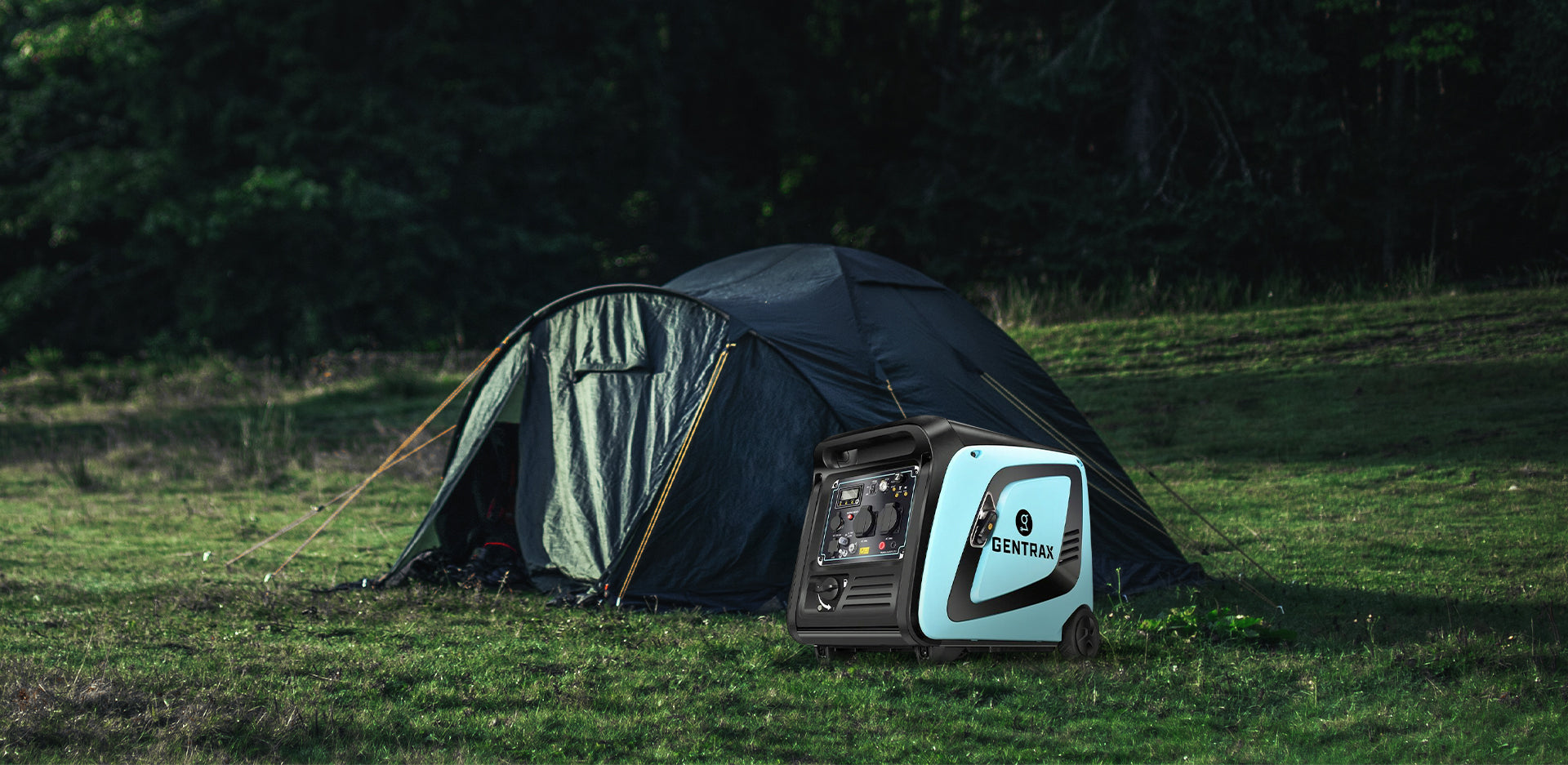
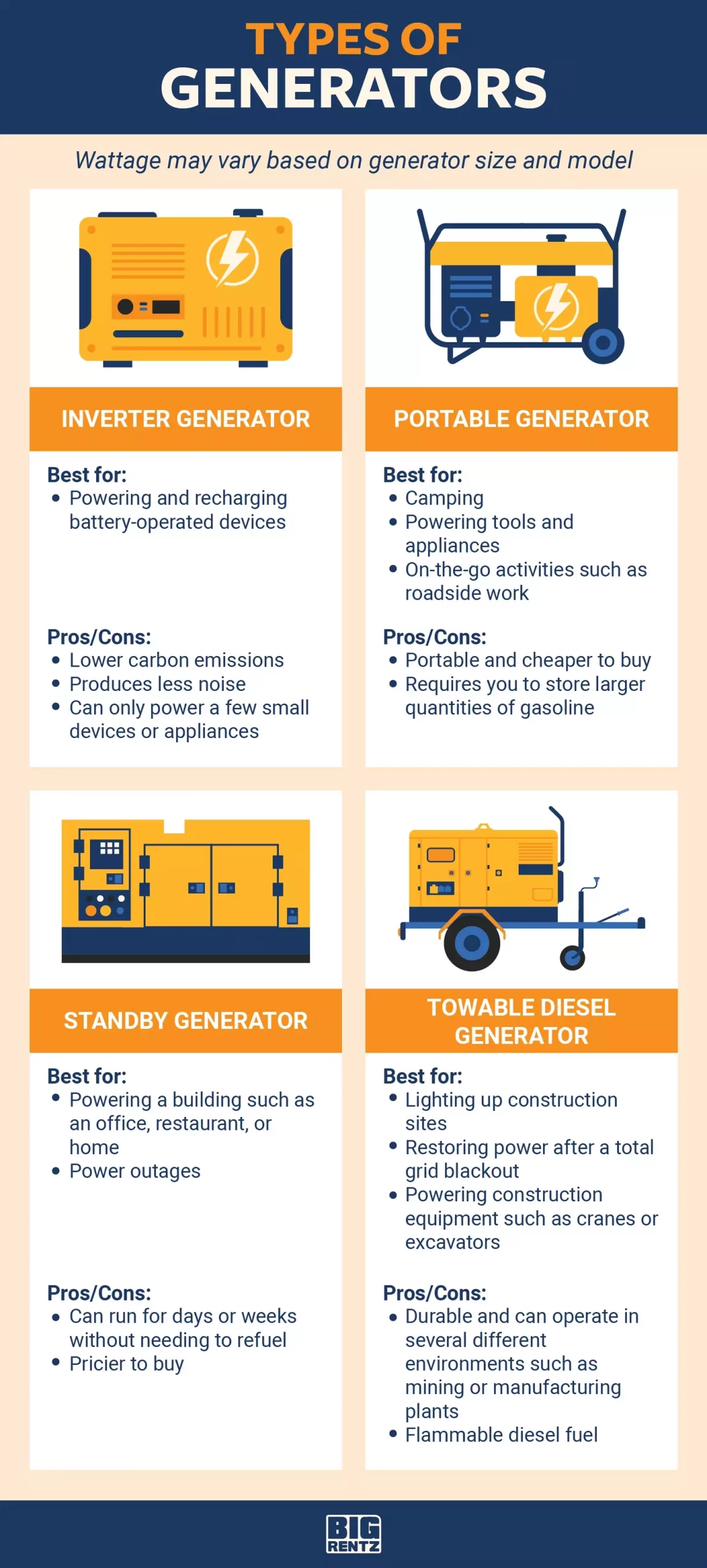
There are four main types to consider. Each type fits different needs. Below I explain what type of generator is best for camping by use case.
Portable inverter generators
- Quiet and fuel-efficient.
- Produce clean power safe for phones, laptops, and CPAP machines.
- Best for tent camping, car camping, and small RVs.
Conventional portable generators
- Higher power for low cost.
- Louder and heavier.
- Good when you need lots of watts for tools or large RV air conditioners.
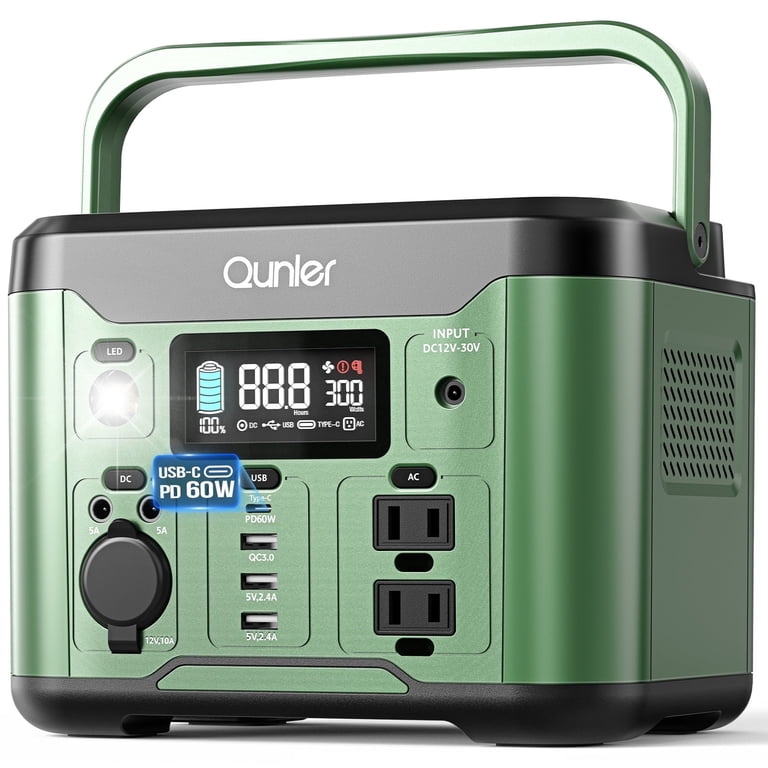
Solar power stations and panels
- Silent and emission-free.
- Limited by battery capacity and sunlight.
- Ideal for short trips, charging devices, and eco-conscious campers.
Dual-fuel and multi-fuel generators
- Run on gasoline and propane or other fuels.
- Offer flexibility in fuel availability.
- Useful for longer stays or uncertain supply.
How to choose the best generator for camping
Pick a generator that matches how you camp. Ask what you will power, how long you need power, and whether quiet matters.
Figure your wattage needs
- Add starting watts and running watts of key devices.
- Small fridge and lights: 1000 to 2000 watts.
- RV air conditioner: often 3000 to 6000 starting watts.
Prioritize noise levels
- Many campgrounds limit decibel levels.
- Inverter generators often run below 60 dB at 25 feet.
- If you value peace, choose the quietest option.
Consider weight and size
- You will carry or store the unit.
- Lightweight inverter models are easier to move.
Fuel type and runtime
- Gas is common but loud and smelly.
- Propane stores longer and is cleaner.
- Solar needs sun but has no fuel cost.
Clean power for electronics
- If you plan to run sensitive gear, choose an inverter generator.
- Inverter models give stable voltage and low total harmonic distortion.
PAA-style questions
Can I use a generator overnight at a campsite?
You must follow campground rules. Many sites ban loud generators overnight; inverter models are sometimes allowed.
How big of a generator do I need for an RV?
Most RVs need 3000 to 5500 starting watts for an AC and basic appliances. Check your RV’s sticker or manual to total required watts.
Best generator types by camping scenario
Match the type of generator best for camping to your style. Here are clear recommendations.
Tent and car camping
- Small inverter generator or a solar power station.
- Quiet, easy to carry, and safe for phones and lights.
Family camping with appliances
- Mid-size inverter 2000–3000 watts.
- Can run a small fridge, lights, and a slow cooker.
RV camping with air conditioning
- Higher-capacity inverter generator rated 3000–7000 watts or a conventional generator.
- Look for models rated for RV use with proper outlets.
Off-grid boondocking
- Solar + battery station for silent baseline power.
- Add a backup inverter or dual-fuel generator for cloudy days.
Group or tailgate events
- Conventional portable generator with higher watts.
- Noise is less of a concern and power needs rise.

Practical considerations: noise, fuel, safety, and maintenance
Think beyond wattage. Practical issues determine real satisfaction.
Noise control
- Place the generator downwind and use a muffler if allowed.
- Respect quiet hours.
Fuel safety
- Store fuel in approved containers and away from tents.
- Turn off the generator and cool it before refueling.
Ventilation and carbon monoxide
- Never run a generator inside tents, vehicles, or enclosed spaces.
- Use a CO detector in RVs. Keep the exhaust pointed away.
Maintenance and reliability
- Run regular oil changes and check spark plugs.
- Run the generator monthly if it sits idle for long periods.
Legal and campground rules
- Always check campground rules before bringing any generator.
- Some parks allow only quiet inverters or solar.

My experience and real-world tips
I’ve used small inverters for solo trips and 3000-watt inverters for family RV trips. I’ve learned a few lessons the hard way.
Lesson: Noise matters more than power
- Once, a loud generator drew complaints at a busy campground.
- I switched to an inverter and the trip improved.
Lesson: Match starting watts, not just running watts
- My small fridge needed high starting power.
- Choosing a generator with sufficient surge watts solved that.
Tip: Bring a transfer switch or RV-ready outlet
- It makes hook-up easy and safer.
- Avoid improvised cords and adapters.
Tip: Test before you go
- Run the generator at home with your devices.
- Confirm runtime and noise so you won’t be surprised.

Top picks and example setups
Below are example setups that reflect what type of generator is best for camping in different situations.
Lightweight weekend setup
- 1000–2000 watt inverter or a 400–1000Wh solar power station.
- Powers lights, phone chargers, and a small cooler.
Family weekend with fridge and kettle
- 2000–3000 watt inverter generator.
- Steady power for a small fridge, lights, and a coffee maker.
Full-hookup RV or long trip
- 3000–7000 watt inverter or conventional generator rated for RV air conditioners.
- Choose models with RV outlets and inverter-stable output.
Eco-focused traveler
- Solar panels + battery station sized for your devices.
- Add a small inverter generator as backup for cloudy weather.
Frequently Asked Questions of What Type Of Generator Is Best For Camping
What type of generator is quietest for camping?
Inverter generators are the quietest common option. They run at variable RPM and produce lower decibel levels than conventional models.
Can I power an RV air conditioner with a camping generator?
Yes. You will likely need a generator rated 3000 to 7000 starting watts. Check the AC’s starting and running watt ratings before choosing.
Are solar power stations good for camping?
Solar power stations are great for silent, emissions-free power. They are best for short trips or low-power needs and need sunlight to recharge.
Is it safe to run a generator near a tent?
No. Generators produce carbon monoxide and should be placed well away and downwind of tents and camper sleeping areas.
How do I calculate wattage needs for camping?
List every device and note running watts and starting watts. Add running watts and ensure your generator handles the highest starting surge.
Conclusion
Choosing what type of generator is best for camping comes down to power needs, noise limits, weight, and fuel choice. For most campers, a portable inverter generator hits the sweet spot for quiet, clean power, and portability. If you need heavy power or are off-grid long-term, consider larger inverters, dual-fuel models, or solar plus battery systems. Test your setup, follow safety rules, and pick a unit that fits how you camp. Ready to simplify your camping power? Try a small inverter on your next trip, and share your experience or questions in the comments.