Inverter generators produce cleaner, quieter power while regular generators deliver higher raw output at lower cost.
I’ve spent years testing generators for home backup, camping, and job sites, so I know the real trade-offs behind What Is The Difference Between Inverter And Regular Generators. Read on to get clear, practical advice that helps you pick the right generator for your needs.
How inverter and regular generators work
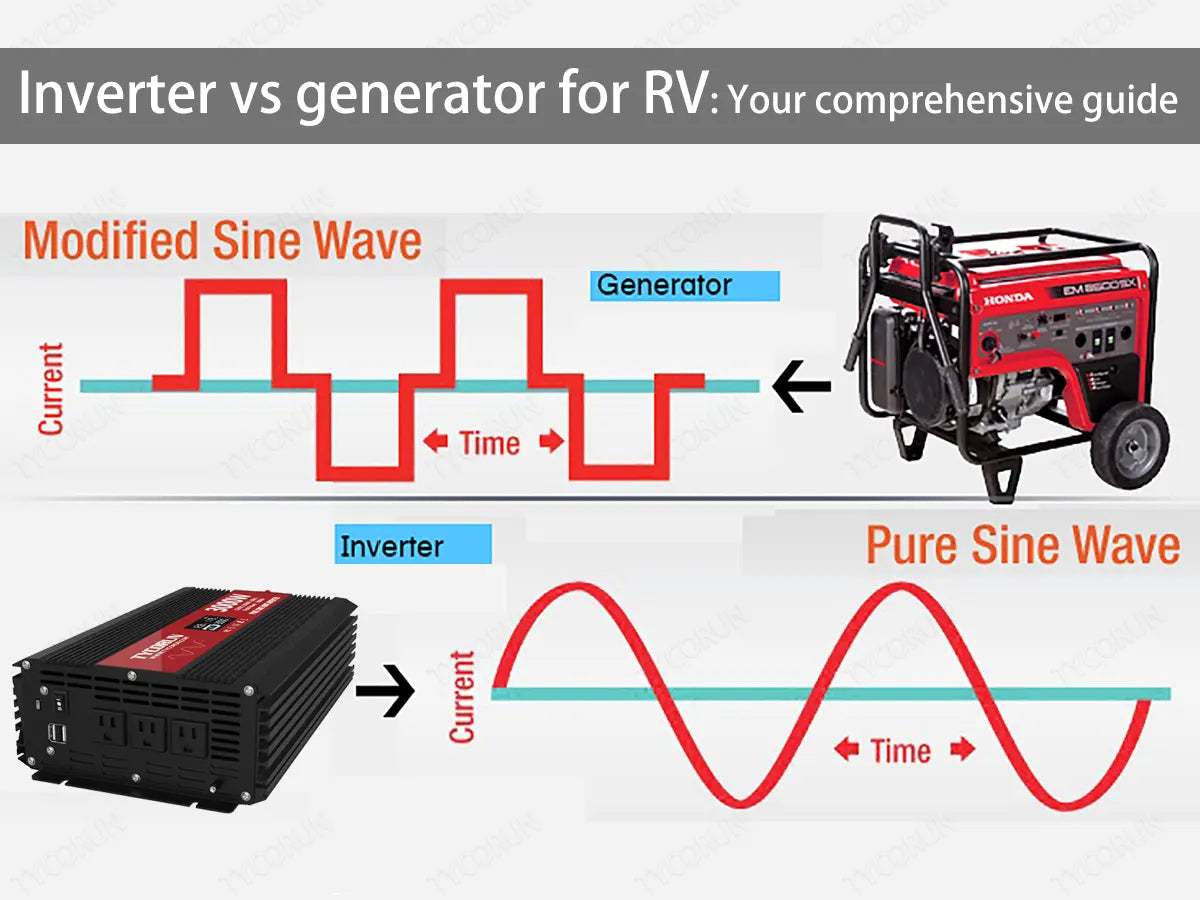
An inverter generator creates AC power, converts it to DC, then inverts it back to stable AC. This process produces smooth, low-distortion voltage. Regular generators create AC directly from the engine-driven alternator. Their output can vary more with engine speed and load.
When you ask What Is The Difference Between Inverter And Regular Generators, focus first on power quality and control. Inverter units use electronic regulation to keep frequency and voltage steady. Regular units rely on mechanical regulation and often run at a fixed RPM to stabilize output.
Key technical points:
- Power waveform quality. Inverter units deliver cleaner sine waves suitable for sensitive electronics. Regular units may have more harmonic distortion.
- Engine speed. Inverter generators can throttle the engine based on load. Regular generators often run at constant RPM.
- Electronic control. Inverter systems include modern electronics for better load handling and parallel operation.
 differences at a glance”
style=”max-width: 100%; height: auto; border: 2px solid black; border-radius: 10px; display: block; margin: 0 auto;”
loading=”lazy”
/>
Key differences at a glance
Understanding What Is The Difference Between Inverter And Regular Generators means comparing core features side by side. Here are the main differences to watch for.
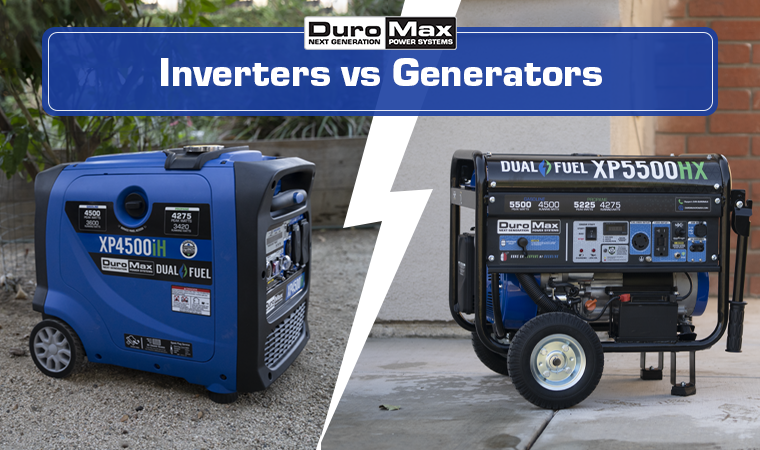
- Power quality. Inverter: low total harmonic distortion, safe for laptops and phones. Regular: good for tools and appliances but less ideal for delicate electronics.
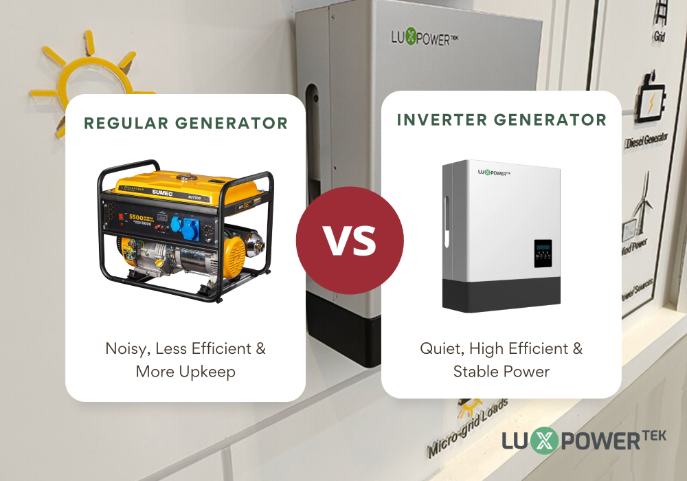
- Noise. Inverter: much quieter due to variable RPM and acoustic design. Regular: louder because they run at steady, higher RPM.
- Fuel efficiency. Inverter: more efficient under light or variable loads. Regular: efficient at steady, heavy loads.
- Size and weight. Inverter: compact, lightweight, easier to move. Regular: heavier, bulkier for the same power output.
- Cost. Inverter: higher upfront cost per watt. Regular: lower cost per watt, more power for the price.
- Peak power and durability. Inverter: good for continuous household loads. Regular: better for high-start-up loads and rugged job site use.
- Parallel capability. Inverter: many models can link two units for more power. Regular: some models support paralleling, but it is less common.
Performance and typical use cases
Answering What Is The Difference Between Inverter And Regular Generators requires mapping features to real needs. Pick by how you plan to use the generator.
When to choose an inverter:
- Camping and RVs. Quiet and safe for electronics.
- Home backup for lights, fridge, modem, and a few appliances.
- Sensitive electronics like TVs, laptops, and medical devices.
When to choose a regular generator:
- Construction sites and workshops. Strong, steady power for tools.
- Whole-house backup where sustained high wattage is needed.
- Situations where price per watt matters most.
Real examples:
- I used an inverter for weekend camping trips. It ran a fridge, lights, and phone chargers without noise complaints.
- I rented a regular generator for a deck project. It powered circular saws and compressors with no hiccups.

Cost, maintenance, and lifespan
Deciding What Is The Difference Between Inverter And Regular Generators also means weighing long-term costs. Think beyond the sticker price.
Cost factors:
- Purchase price. Inverter generators usually cost more upfront.
- Fuel cost. Inverters can save fuel in light-load situations.
- Repair and parts. Electronics in inverters can be costly to repair. Regular generators have simpler mechanical systems.
Maintenance tasks for both:
- Change oil and filters regularly.
- Check spark plugs and air intake.
- Run the generator under load monthly to keep components lubricated.
Lifespan notes:
- Regular generators often have long service lives for heavy use. They are built for continuous, high-load duty.
- Inverter generators last well when used for intermittent or light loads and when electronics are protected from surges.
How to choose the right generator for you
When asking What Is The Difference Between Inverter And Regular Generators, answer three simple questions about your needs. This helps you pick the right model fast.
Step 1: What will you power?
- Small electronics and lights: choose inverter.
- Heavy tools and whole-house loads: choose regular.
Step 2: How often and where will you use it?
- Frequent, portable use: inverter is better.
- Infrequent, heavy-duty work: regular may be smarter.
Step 3: What’s your budget?
- If you want quiet, efficient power and can pay more, buy an inverter.
- If you need raw power at a lower cost, buy a regular generator.
Quick buying tips:
- Match surge (starting) watts and running watts to your devices.
- Look for low total harmonic distortion if powering electronics.
- Consider parallel capability for future scaling.
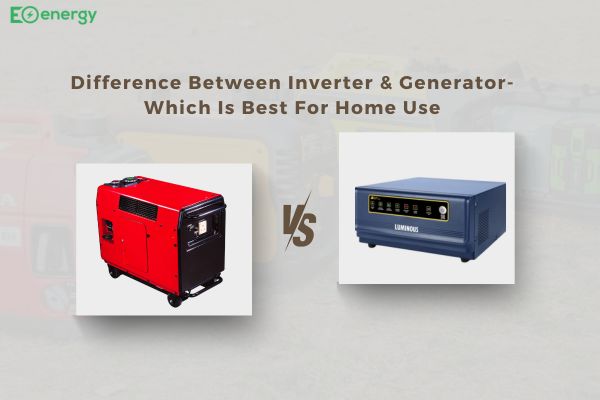
Personal experience: lessons learned and mistakes to avoid
I’ve owned both types. These are the lessons I learned the hard way.
- Don’t undersize for start-up loads. I once tried to run an air compressor on a small inverter. It tripped the breaker. Always check starting watts.
- Use an inverter for electronics. Once, a laptop failed after a bad generator surge. Since then I only use inverter units or UPS protection for sensitive gear.
- Maintain regularly. Neglect led to a carburetor problem on a regular unit I used seasonally. Regular run cycles prevent varnish and stale fuel issues.
- Plan for noise. A neighbor complained during a weekend project. In the future I chose an inverter for quiet campsites.
These experiences shape how I answer What Is The Difference Between Inverter And Regular Generators. They show practical trade-offs you will face.

Frequently Asked Questions of What Is The Difference Between Inverter And Regular Generators
What are the main advantages of inverter generators?
Inverter generators offer cleaner power, quieter operation, and better fuel efficiency at light loads. They are ideal for electronics and portable use.
Can inverter generators run power tools?
Smaller inverter units struggle with high start-up currents. Larger inverter models or paralleling two units can run many tools, but regular generators are often better for heavy-duty tools.
Do regular generators damage sensitive electronics?
Regular generators can produce voltage fluctuations and higher harmonic distortion, which may harm sensitive electronics unless you use surge protection or a UPS.
Which generator is more fuel efficient?
Inverter generators are typically more fuel efficient under variable or light loads thanks to engine speed control. Regular generators can be efficient at steady, high loads.
Is maintenance different between the two types?
Basic maintenance is similar: oil, filters, and spark plugs. Inverter generators may need attention to electronic components, while regular units have simpler mechanical systems.
Conclusion
Choosing between What Is The Difference Between Inverter And Regular Generators comes down to power quality, noise, portability, and budget. If you value quiet operation and safe power for electronics, an inverter generator is a smart choice. If you need raw power at a lower cost for tools or whole-house backup, a regular generator will serve you well. Take time to list your devices, check starting and running watts, and pick the unit that fits your use case.
Try this next step: make a short list of the devices you must run, note their starting and running watts, and compare models side by side. Share your list or questions below and I’ll help you choose the right generator.