

Are you curious about how to make the most of solar energy? You’re not alone.
With the rising interest in renewable energy, many people are looking for effective ways to store solar power. Whether you’re considering solar panels for your home or want to understand how energy storage systems work, this article is for you.
Imagine harnessing the sun’s power during the day and using it to light up your home at night. Sounds great, right? But how can you actually store that energy for later use? We’ll explore various methods for storing solar energy, their benefits, and how they can work for you. By the end, you’ll have a clearer understanding of your options and be empowered to make informed decisions about your energy future. Let’s dive in!
Thermal Energy Storage
Thermal energy storage helps keep solar energy for later use. It captures heat from the sun and stores it in materials like water or molten salt. This stored energy can then provide power when the sun isn’t shining. It’s a smart way to make solar energy more reliable.
Thermal energy storage (TES) is a crucial technology for harnessing solar energy effectively. By capturing heat from the sun, TES allows us to store energy for use when sunlight is not available. This method not only enhances energy reliability but also optimizes the use of renewable resources. Let’s break down some innovative ways to store solar energy using thermal energy storage.
Molten Salt Systems
Molten salt systems are one of the most efficient methods for storing solar energy. They use a mixture of sodium nitrate and potassium nitrate, which can absorb and retain heat at very high temperatures. When sunlight hits the solar collector, the molten salt heats up and stores energy. This heat can then be released to generate steam, which drives turbines to produce electricity. These systems can maintain heat for several hours, making them perfect for providing power even after the sun sets. Wouldn’t it be amazing to know that your energy source can still deliver power long after the sun disappears?
Phase Change Materials
Phase change materials (PCMs) offer another fascinating approach to thermal energy storage. These materials absorb and release thermal energy as they change from solid to liquid and back again. By utilizing materials like paraffin wax or hydrated salts, PCMs can store energy efficiently at a constant temperature. This means they can provide consistent heating or cooling as needed. Imagine storing energy during the day and then using it to cool your home at night. It’s a practical solution that can lead to significant energy savings.
Underground Thermal Storage
Underground thermal storage is a clever way to utilize natural resources for energy storage. This method involves storing heat in the ground, using large tanks or boreholes filled with water or other materials. The earth acts as an insulator, keeping the stored heat from dissipating. When energy is needed, the heat can be extracted and used for heating buildings or generating electricity. Consider how beneficial it would be to tap into the earth’s natural resources for energy storage. It not only saves costs but also utilizes an abundant and sustainable environment.
Thermal energy storage presents an exciting opportunity for a sustainable energy future. By understanding these methods, you can appreciate how solar energy can be stored and used more efficiently in everyday life. What do you think about integrating thermal energy storage in your own energy solutions?
Credit: catalystsales.ca
Battery Storage Solutions
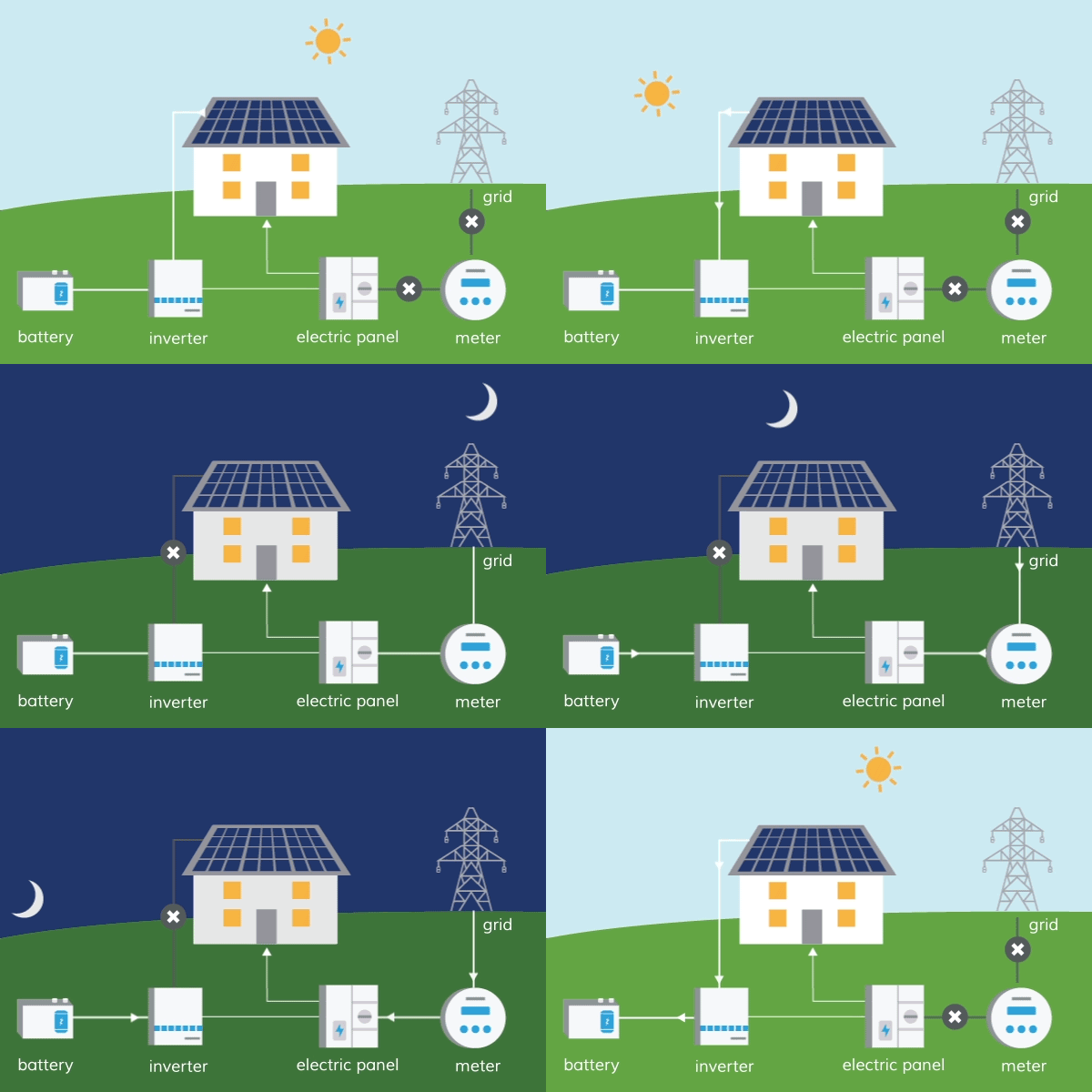
Battery storage solutions allow us to keep solar energy for later use. These systems store excess energy generated during sunny days. This stored power can then be used during cloudy days or at night, ensuring a consistent energy supply.
Battery storage solutions are essential for maximizing the benefits of solar energy. They allow you to store excess energy generated during sunny days and use it when the sun isn’t shining. This not only enhances energy independence but also makes solar systems more efficient and reliable.
Lithium-ion Batteries
Lithium-ion batteries are the most common type of battery used in solar energy storage. They are popular due to their high energy density and long lifespan. You can find them in everything from electric vehicles to smartphones. These batteries charge quickly and have a long cycle life, often lasting over a decade. They are also relatively lightweight, making them easy to install in various settings. However, consider the cost. Lithium-ion batteries can be expensive upfront, but their efficiency often leads to savings on your energy bills. Do you think the initial investment is worth the long-term savings?
Flow Batteries
Flow batteries offer a different approach to energy storage. They use liquid electrolytes to store energy, which makes them scalable and versatile. This means you can easily adjust their size based on your energy needs. One significant advantage is their longevity. Flow batteries can last for 10-20 years with minimal degradation. They also have the ability to discharge energy over extended periods, which is great for balancing energy supply. If you plan to use solar energy for a large property, flow batteries might be worth considering. Have you thought about how much energy storage you truly need?
Solid-state Batteries
Solid-state batteries are emerging as a promising option for solar energy storage. Unlike lithium-ion, they use solid electrolytes, which can enhance safety and performance. This technology is still developing, but it has the potential for higher energy density and faster charging times. The materials used in solid-state batteries can also reduce the risk of overheating. This makes them a safer alternative, especially for residential use. As technology progresses, solid-state batteries may become more accessible and affordable. Would you be willing to wait for a potentially better battery solution in the near future? Battery storage solutions are evolving rapidly. Choosing the right type for your solar energy system can significantly impact your energy efficiency. Consider your needs, budget, and how each option aligns with your goals for sustainable living.
Hydrogen Energy Storage
Storing solar energy can be done using hydrogen. When sunlight is abundant, electricity is generated and used to create hydrogen gas. This gas can be stored and later converted back into energy when needed. Hydrogen energy storage offers a practical solution for using solar power anytime.
Hydrogen energy storage is emerging as a powerful solution for storing excess solar energy. It offers a way to utilize renewable energy when the sun isn’t shining. This method can help address the intermittency issues that come with solar power, ensuring a consistent energy supply.
Electrolysis For Hydrogen Production
Electrolysis plays a crucial role in producing hydrogen. This process uses electricity to split water into hydrogen and oxygen. – Simple Process: When solar panels generate excess electricity, it can be used for electrolysis. – Environmentally Friendly: The only byproduct is oxygen, making it a clean energy source. Think about how effective this could be. On a sunny day, your solar panels can not only power your home but also produce hydrogen for later use. This stored hydrogen can then serve as an energy source when solar energy is limited.
Fuel Cells For Energy Conversion
Fuel cells are essential for converting stored hydrogen back into usable energy. They work by combining hydrogen with oxygen to produce electricity. – High Efficiency: Fuel cells can convert hydrogen into electricity with an efficiency rate of up to 60%. – Versatile Use: This electricity can power anything from homes to vehicles. Imagine powering your car with hydrogen produced from your own solar system. You can reduce your carbon footprint significantly while ensuring you have a reliable energy source.
Hydrogen Storage Challenges
Despite its advantages, hydrogen storage comes with challenges. – Storage Methods: Hydrogen must be stored either as a gas or a liquid, each method having its own complexities. – Safety Concerns: Hydrogen is highly flammable, necessitating strict safety measures. Have you considered where you would store hydrogen? Finding safe and efficient storage solutions is crucial for the widespread adoption of this technology. Hydrogen energy storage holds great potential. As technology advances, overcoming these challenges will bring us closer to a sustainable energy future. Are you ready to embrace hydrogen as part of your energy plan?
Mechanical Energy Storage
Mechanical energy storage helps store solar energy effectively. It uses devices like flywheels or compressed air to keep energy for later use. This method ensures that solar power can be available even when the sun isn’t shining.
Mechanical energy storage offers efficient ways to store solar energy by converting it into mechanical forms. This method is particularly beneficial for balancing energy supply and demand, making it a crucial part of renewable energy systems. Let’s look at three key types of mechanical energy storage: pumped hydroelectric storage, compressed air energy storage, and flywheel energy systems.
Pumped Hydroelectric Storage
Pumped hydroelectric storage is a well-established method for storing energy. It works by using excess energy to pump water to a higher elevation. When energy is needed, this stored water is released to flow back down, turning turbines that generate electricity. This system is highly efficient, with some facilities achieving up to 80% efficiency. Imagine a large reservoir at the top of a hill. During sunny days, the solar energy powers pumps to move water uphill. During cloudy days or peak demand, that stored water generates power. Many countries rely on pumped hydro to manage their energy needs. Have you ever thought about how the water you see in a reservoir could be powering your home?
Compressed Air Energy Storage
Compressed air energy storage (CAES) captures excess energy by compressing air in underground caverns or tanks. When energy is needed, the compressed air is released, driving turbines to produce electricity. This method is particularly valuable for integrating solar energy into the grid. CAES systems can store large amounts of energy and release it quickly. For instance, imagine a balloon filled with air. When you squeeze it, the air pushes back. That’s similar to how compressed air can be released to generate power. This technology is still evolving, but it shows promise. Could you imagine your solar panels working hand in hand with a CAES system to keep your lights on?
Flywheel Energy Systems
Flywheel energy systems store energy in a rotating mass. When excess energy is available, it spins a flywheel, storing energy as kinetic energy. When demand rises, the spinning flywheel releases energy back into the grid. This method has rapid response times, making it ideal for stabilizing the grid. Think of it as a spinning top; the faster it spins, the more energy it has. Flywheels are compact and can handle thousands of charge and discharge cycles without degradation. Have you ever considered how a simple spinning object could play a crucial role in your energy future? Mechanical energy storage systems like pumped hydro, compressed air, and flywheels offer practical solutions for harnessing solar energy. Each method brings unique advantages, helping to ensure a reliable and sustainable energy supply. How might these technologies impact your approach to renewable energy?
Chemical Energy Storage
Chemical energy storage allows us to keep solar energy for later use. This method converts sunlight into chemical compounds. These compounds can release energy when needed, making solar power more reliable.
Chemical energy storage offers a promising solution for harnessing the power of solar energy. By converting sunlight into chemical energy, we can store energy for later use, making it available even when the sun isn’t shining. This method not only enhances energy efficiency but also opens up new avenues for sustainable energy.
Solar-to-chemical Conversion
The process of solar-to-chemical conversion involves using sunlight to drive chemical reactions. This can happen through various methods, including photochemical processes and electrochemical reactions. One popular approach is using solar energy to split water into hydrogen and oxygen. This hydrogen can then be stored and used as a clean fuel source. Imagine powering your home with hydrogen produced from sunlight! With advancements in technology, researchers are continuously improving these methods. Efficient solar-to-chemical conversion is crucial for making renewable energy more accessible and practical. Have you ever considered how much potential lies in turning sunlight directly into usable energy?
Synthetic Fuels
Synthetic fuels are another exciting application of chemical energy storage. These fuels, created through chemical reactions, can be used in place of traditional fossil fuels. Solar energy can be harnessed to create synthetic gasoline or diesel. This means that vehicles can run on fuel produced from renewable resources. The shift to synthetic fuels not only reduces greenhouse gas emissions but also aligns with existing infrastructure. You could drive your car with fuel derived from solar energy—how cool is that?
Ammonia As An Energy Carrier
Ammonia has gained attention as a viable energy carrier. It can store hydrogen in a compact form, making it easier to transport and use. When ammonia is burned, it releases energy, making it suitable for power generation. This could play a vital role in transitioning to a hydrogen economy. Using ammonia also opens doors for international energy trade. Countries can produce solar energy and export it in the form of ammonia. Would you be willing to fuel your home with energy sourced from the sun, even if it came from halfway around the world? Chemical energy storage presents various exciting possibilities. By harnessing solar energy in different forms, you can contribute to a more sustainable future. What steps will you take to explore these solutions further?
Grid Integration And Smart Systems
Storing solar energy is vital for its effective use. Grid integration helps distribute this energy efficiently. Smart systems enhance the way we manage solar power. They connect energy sources and consumers seamlessly. This connection ensures reliable energy supply.
Virtual Power Plants
Virtual power plants (VPPs) combine many small energy sources. They act like a single power plant. VPPs can include solar panels, wind turbines, and batteries. This setup allows for better energy management. It balances supply and demand in real-time.
VPPs help reduce energy costs. They provide energy during peak demand times. This smart system makes the grid more flexible. It allows for the integration of renewable energy sources.
Smart Grids For Energy Distribution
Smart grids are modern electrical systems. They use technology to improve energy distribution. Smart grids monitor energy flow using sensors and software. This real-time data helps in quick decision-making.
With smart grids, energy travels efficiently. They reduce energy losses and increase reliability. Consumers can track their energy use easily. This awareness encourages energy-saving habits.
Demand Response Systems
Demand response systems adjust energy consumption. They respond to changes in energy supply. During high demand, these systems encourage users to reduce usage. This helps stabilize the grid.
These systems can include incentives for users. Participants receive rewards for saving energy. This creates a win-win situation. It benefits both the grid and the consumers.
Emerging Innovations
Storing solar energy is vital for a sustainable future. New ideas are changing how we store this energy. These innovations can help us use solar power more effectively. Let’s explore some of these exciting technologies.
Sand-based Storage Systems
Sand-based storage systems offer a simple solution. They use sand to store heat from the sun. The process is effective and affordable. When solar energy is available, it heats the sand. This heat can be stored for long periods. Later, the heat can be used to generate electricity. This method is eco-friendly and uses common materials.
Supercapacitors For Solar Storage
Supercapacitors provide quick energy storage. They charge faster than traditional batteries. This feature makes them ideal for solar energy. Supercapacitors can release energy quickly when needed. They have a long lifespan compared to batteries. Their efficiency helps in managing energy from solar panels.
Quantum Dot Technologies
Quantum dot technologies are gaining attention. They improve energy conversion in solar cells. These tiny particles can capture more sunlight. This results in better energy storage. Quantum dots can also enhance the efficiency of batteries. Their potential is promising for future solar energy solutions.
Credit: www.intermtnwindandsolar.com
Credit: sunlightsolar.com
Conclusion
Storing solar energy is crucial for a sustainable future. It helps us use sunlight even when it’s not shining. Different methods, like batteries and thermal storage, make this possible. These options ensure reliable energy access. They also reduce waste and save costs.
Choosing the right storage solution depends on your needs. Understanding these methods empowers everyone to harness solar energy better. Embracing these technologies can lead to a greener world. Let’s continue to explore ways to improve solar energy storage together.