

Are you curious about solar energy? You’re not alone.
As more people look for sustainable energy solutions, solar power is gaining popularity. But what do you really know about it? We’ll uncover 10 fascinating facts about solar energy that might surprise you. From how it works to its benefits for your wallet and the planet, these insights will change the way you think about energy.
By the end, you’ll see why solar energy is not just a trend but a smart choice for your future. Ready to dive in? Let’s get started!
Benefits Of Solar Power
Solar power offers many benefits. It is a clean and sustainable energy source. People are using it more for homes and businesses. Let’s explore some key advantages of solar energy.
Renewable And Abundant Source
Solar energy comes from the sun. The sun is always shining, even on cloudy days. This makes solar power renewable and reliable. Solar panels can capture sunlight anywhere. They work on rooftops, fields, or even small devices.
Using solar energy helps reduce reliance on fossil fuels. These fuels are limited and can harm the planet. Solar power is an endless supply. It will be here for many generations to come.
Reduces Carbon Footprint
Switching to solar power cuts down greenhouse gases. It helps fight climate change. Less pollution means a healthier planet. Solar energy does not release harmful emissions.
Using solar power means cleaner air. This benefits everyone, especially those with health issues. A smaller carbon footprint leads to a better future for all.
Lowers Energy Bills
Solar panels can save money on energy costs. Once installed, they generate free electricity. Homeowners can lower their monthly bills significantly.
Many places offer incentives for solar energy use. These can include tax credits and rebates. Investing in solar can pay off in the long run.
Some families even earn money by selling excess power back to the grid. Solar energy is not just good for the planet; it is good for wallets too.
Solar Energy Efficiency
Solar energy efficiency is key to harnessing sunlight for power. Here are 10 facts about solar energy that highlight its benefits and potential. Learn how solar panels work and their impact on the environment. Discover why solar energy is a smart choice for homes and businesses.
Solar energy efficiency is a crucial aspect to consider as more households and businesses turn to renewable energy sources. Understanding how effectively solar panels convert sunlight into usable energy can help you make informed decisions about your energy needs. Here are some insights into advancements in solar technology and how performance can vary in different climates.
Advancements In Technology
Solar technology has made significant strides in recent years. New types of solar panels, such as monocrystalline and bifacial panels, offer higher efficiency rates.
– Monocrystalline panels can achieve efficiencies of over 20%, making them a popular choice for homeowners looking to maximize output from limited space.
– Bifacial panels capture sunlight from both sides, potentially increasing energy production by 10-20%.
These advancements mean you can generate more energy with fewer panels, reducing installation costs and saving space on your property.
Innovations in energy storage, like lithium-ion batteries, have also improved solar efficiency. These batteries store excess energy generated during the day for use at night or during cloudy days. Imagine being able to power your home without relying on the grid, even after sunset.
Performance In Different Climates
Your location plays a significant role in solar energy efficiency. While many people assume sunny places are the best for solar, this isn’t always the case.
– Desert areas can yield high energy output due to abundant sunlight, but extreme heat can reduce panel efficiency.
– Cooler climates often provide optimal conditions for solar panels, as they can work efficiently without overheating.
Consider your local weather patterns when evaluating solar options. In regions with frequent rain, solar panels still perform well, as they can capture diffuse sunlight.
How does your area’s climate affect your solar potential? It’s worth investigating if solar energy is a viable option for you.
Investing in solar energy not only contributes to a sustainable future but can also lead to significant savings on your energy bills. Understanding efficiency and how it varies with technology and climate can empower you to make the best choice for your energy needs.
Global Adoption Trends
Solar energy is becoming more popular worldwide. This blog highlights 10 important facts about solar energy. Learn how it works and its benefits for our planet.
The global adoption of solar energy is on the rise, driven by the need for sustainable solutions and the decreasing cost of solar technology. Countries around the world are recognizing the benefits of harnessing the sun’s power, leading to significant investments and policy changes. Understanding these trends can help you appreciate how solar energy is reshaping our energy landscape.
Leading Countries In Solar Usage
China dominates the solar energy market, accounting for over 30% of the world’s solar capacity. This massive investment in solar farms has positioned the country as a leader in renewable energy.
The United States follows closely behind, with states like California leading the charge. California’s ambitious goals and favorable policies have spurred growth, making it a hotspot for solar energy development.
Germany is another key player. Its commitment to renewable energy has resulted in widespread solar adoption, showcasing how strong government support can drive progress.
Other countries like Japan, India, and Australia are also making strides. These nations have implemented various incentives to encourage residential and commercial solar installations.
Growing Popularity In Emerging Markets
Emerging markets are rapidly adopting solar energy, driven by a combination of necessity and opportunity. Countries in Africa, for example, are harnessing solar technology to provide electricity in remote areas.
India is seeing a surge in solar projects, aiming to meet its growing energy demands while reducing reliance on fossil fuels. The government’s ambitious targets have spurred both domestic and international investments.
Latin America is also catching up, with countries like Brazil and Chile investing heavily in solar infrastructure. These nations are tapping into their abundant sunlight to create sustainable energy solutions.
As solar technology becomes more accessible, the trend is likely to continue. Are you ready to consider how solar energy can impact your life and community?
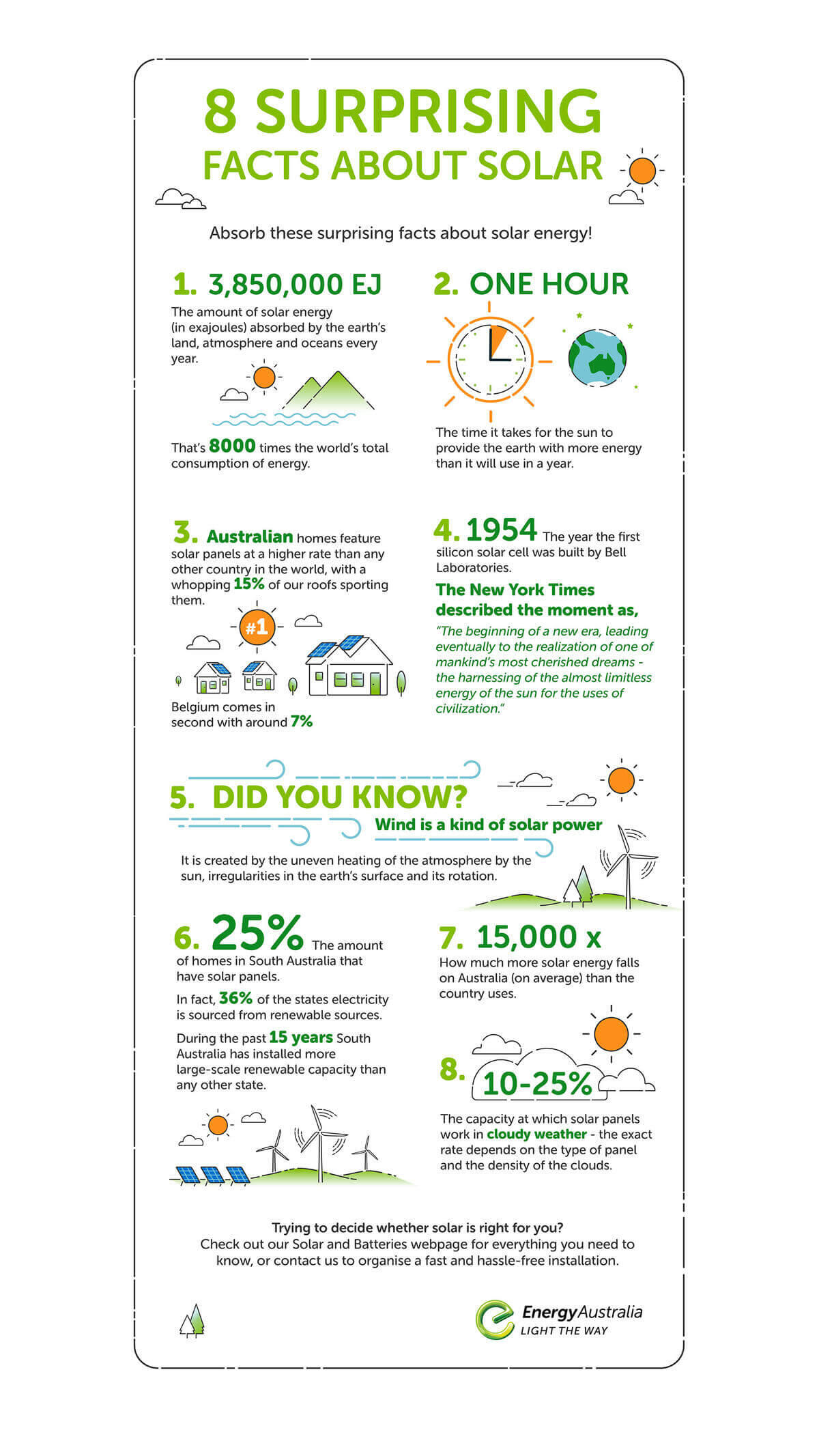
Credit: www.energyaustralia.com.au
Solar Power And The Environment
Solar energy is a clean and renewable resource. It helps reduce pollution and fight climate change. Here are 10 important facts about solar energy and its benefits for the environment.
Solar energy is not just a source of power; it has significant implications for our environment. As you consider making the switch to solar, understanding its environmental impact can help you make informed decisions. Let’s dive into two critical aspects: how solar power affects wildlife and the importance of recycling solar panels.
Impact On Wildlife
Solar farms can change local ecosystems. Large installations may disrupt habitats for birds and small animals.
Some studies show that solar energy can actually benefit certain species. For instance, land that is less disturbed by traditional agriculture can provide a sanctuary for various wildlife.
You might be surprised to learn that solar farms can also serve as areas for pollinator-friendly plants. This approach not only generates energy but supports bees and butterflies, vital for our food supply.
Have you ever considered how your energy choices impact the natural world around you?
Recycling Solar Panels
As solar panels reach the end of their lifespan, recycling becomes essential. Many panels contain materials that can be reused, reducing waste.
Currently, around 90% of a solar panel’s components can be recycled. This includes metals like silicon, glass, and silver.
Recycling solar panels not only conserves resources but also minimizes landfill waste. Some companies are leading the charge in developing efficient recycling processes.
Have you thought about what happens to your solar panels when they no longer serve their purpose?
Choosing solar power means taking an active role in protecting the environment. By understanding its impact on wildlife and the importance of recycling, you can contribute to a sustainable future.
Economic Impact
Solar energy plays a big role in our economy. It creates jobs and reduces energy costs. This impact is felt across many sectors. More people use solar, boosting local economies.
Investments in solar energy lead to growth. Communities benefit from cleaner energy and new technologies. This section explores two key areas: job creation and cost trends.
Job Creation In The Solar Industry
The solar industry creates millions of jobs worldwide. These jobs range from manufacturing to installation. Many communities see a rise in employment opportunities.
In the United States, solar jobs have grown rapidly. The Solar Foundation reports significant annual job increases. Skilled workers are in high demand.
Training programs help workers gain necessary skills. This ensures a steady workforce for the industry. Job creation in solar supports local economies.
Cost Trends Over The Years
Solar energy costs have dropped dramatically in recent years. Prices for solar panels and installation have fallen. This makes solar energy more affordable for everyone.
Government incentives further reduce costs for consumers. Many people are now able to install solar at home. Lower energy bills are a big benefit.
As technology improves, prices will likely continue to fall. This trend will encourage more people to switch to solar energy. The economic impact will keep growing.

Credit: westcoastsolarenergy.com
Solar Energy Myths
Solar energy is often surrounded by myths that can mislead potential users. Understanding the truth can help you make informed decisions about harnessing this renewable resource. Let’s tackle some common misconceptions surrounding solar energy.
Common Misconceptions
Many people believe that solar panels only work in sunny climates. This is not true. Solar panels can generate electricity even on cloudy days, although efficiency may drop slightly.
Another myth is that solar energy is too expensive for the average homeowner. While initial costs can be high, numerous financing options and incentives exist. Over time, solar energy can significantly reduce your electricity bills.
Some think solar panels require a lot of maintenance. In reality, they are quite low-maintenance. Regular cleaning and occasional checks are usually enough to keep them functioning efficiently.
Debunking False Claims
One common false claim is that solar energy is not reliable. In fact, advancements in technology have made solar energy more dependable than ever. Energy storage solutions, like batteries, help ensure power availability even when the sun isn’t shining.
People often say solar panels damage roofs. However, when properly installed, solar panels can protect your roof and potentially extend its lifespan. They can also increase your home’s value.
Lastly, some believe that solar energy cannot meet high energy demands. This is misleading. Large-scale solar installations can produce substantial amounts of energy, catering to both residential and commercial needs.
Are you ready to see through these myths and consider solar energy for your home? Embracing solar power could be one of the best decisions you make for your future and the environment.
Off-grid Solar Solutions
Off-grid solar solutions provide power to places without electricity. They use solar panels to generate energy. This energy can power homes, schools, and businesses in remote areas. Off-grid systems are crucial for communities far from power lines. They offer a sustainable way to meet energy needs.
Applications In Remote Areas
Many remote areas rely on off-grid solar systems. These systems help reduce dependence on fossil fuels. They provide clean energy for cooking, heating, and lighting. Solar water pumps help farmers access water for crops. Solar-powered refrigerators keep food fresh in areas without electricity.
Schools can use solar energy for computers and lights. This improves education and learning experiences. Health clinics benefit from solar energy too. They can store vaccines and provide better care. Off-grid solar solutions ensure basic needs are met.
Empowering Communities Without Electricity
Off-grid solar solutions empower communities without power. They create jobs in installation and maintenance. Local technicians can learn to set up systems. This builds skills and boosts the local economy. Communities become self-sufficient and less reliant on external aid.
Solar energy helps improve quality of life. Families can study at night. Small businesses can stay open longer. Access to energy fosters development and growth. Off-grid solar solutions transform lives in remote areas.
Innovative Solar Technologies
Solar energy is a powerful resource. It is clean and renewable. Here are 10 facts that highlight its benefits and importance in today’s world. Understanding these facts can help everyone appreciate the role of solar energy in a sustainable future.
Innovative solar technologies are changing the way we harness the sun’s power. These advancements not only enhance efficiency but also expand the potential applications of solar energy. As you read through these innovations, consider how they might fit into your own energy solutions.
Solar Panels With Dual Functions
Imagine solar panels that do more than just convert sunlight into electricity. Some new designs serve dual purposes, like integrating solar technology into building materials.
For instance, solar windows can generate electricity while still allowing natural light into your home. This means you can reduce energy costs without sacrificing aesthetics.
Solar shingles also provide a seamless roofing solution. They protect your home while producing energy, making them an attractive option for homeowners.
What if your house could generate energy and look great at the same time? This dual functionality could significantly change your energy bills and environmental impact.
Energy Storage Breakthroughs
Storing energy has always been a challenge. However, recent advancements in battery technologies are making it easier to store solar energy for later use.
New lithium-ion batteries can store more energy and last longer than older models. This means you can use solar energy even when the sun isn’t shining.
Some companies are also developing flow batteries, which offer scalable storage solutions. These are particularly beneficial for large-scale solar farms, allowing energy to be stored and distributed as needed.
Have you thought about how energy storage could change your energy consumption habits? With efficient storage, you could rely less on grid electricity and save more money over time.
Innovative solar technologies are paving the way for a more sustainable future. Understanding these advancements helps you make informed decisions about your energy use and potential savings.
Challenges In Solar Adoption
Solar energy is a clean and renewable source. Many people want to use it. Yet, some challenges make it hard for everyone. Understanding these challenges helps us see the bigger picture.
Initial Installation Costs
One big challenge is the cost to install solar panels. Buying solar panels can be expensive. This cost includes the panels, installation, and other equipment. Many people cannot afford this upfront cost.
Even with incentives and rebates, expenses can be high. Some families may not have enough savings. This keeps them from switching to solar energy.
Dependence On Weather Conditions
Solar energy relies on sunlight. This makes it less reliable in cloudy or rainy weather. Areas with less sun can generate less power. This makes solar energy less effective in some regions.
At night, solar panels do not produce energy. This creates a need for battery storage or other energy sources. Dependence on weather can limit solar energy use.
Future Of Solar Energy
Solar energy is brightening the future of our planet. Here are 10 facts that highlight its benefits and potential. Discover how solar power can lead to cleaner energy and a more sustainable world.
The future of solar energy looks promising, filled with innovative technologies and sustainable solutions. As the world pivots towards cleaner energy, solar power stands out as a leading player. Understanding its future can help you grasp how this renewable resource can shape your life and environment.
Space-based Solar Power
Imagine harnessing solar energy from space! Space-based solar power (SBSP) involves placing solar panels in orbit around the Earth. These panels can capture sunlight without atmospheric interference, delivering energy directly to our planet.
This concept isn’t just science fiction. Countries like Japan and the United States are conducting research to make SBSP a reality. If successful, this technology could provide continuous energy supply, day or night, rain or shine.
The benefits are significant. You could have access to clean energy that’s not dependent on local weather conditions. This could radically reduce energy shortages and lower costs for consumers.
Integration With Smart Grids
Smart grids are the backbone of future energy distribution. They allow for efficient energy management by connecting various energy sources, including solar power. By integrating solar energy into smart grids, you can enjoy a more reliable and flexible energy supply.
With smart grids, you can monitor your energy consumption in real-time. This helps you make informed decisions about when to use energy, potentially lowering your bills. Plus, it facilitates the use of energy storage systems, allowing you to save excess solar energy for later use.
The future also holds the promise of community solar projects. These initiatives enable neighborhoods to share solar energy, making it accessible to more people. Have you thought about how much you could save by participating in such programs?
Solar energy is not just a trend; it’s part of a larger shift towards sustainability. The advancements in space-based solar power and smart grids can make energy cleaner and more accessible for you and future generations. Are you ready to embrace this energy evolution?
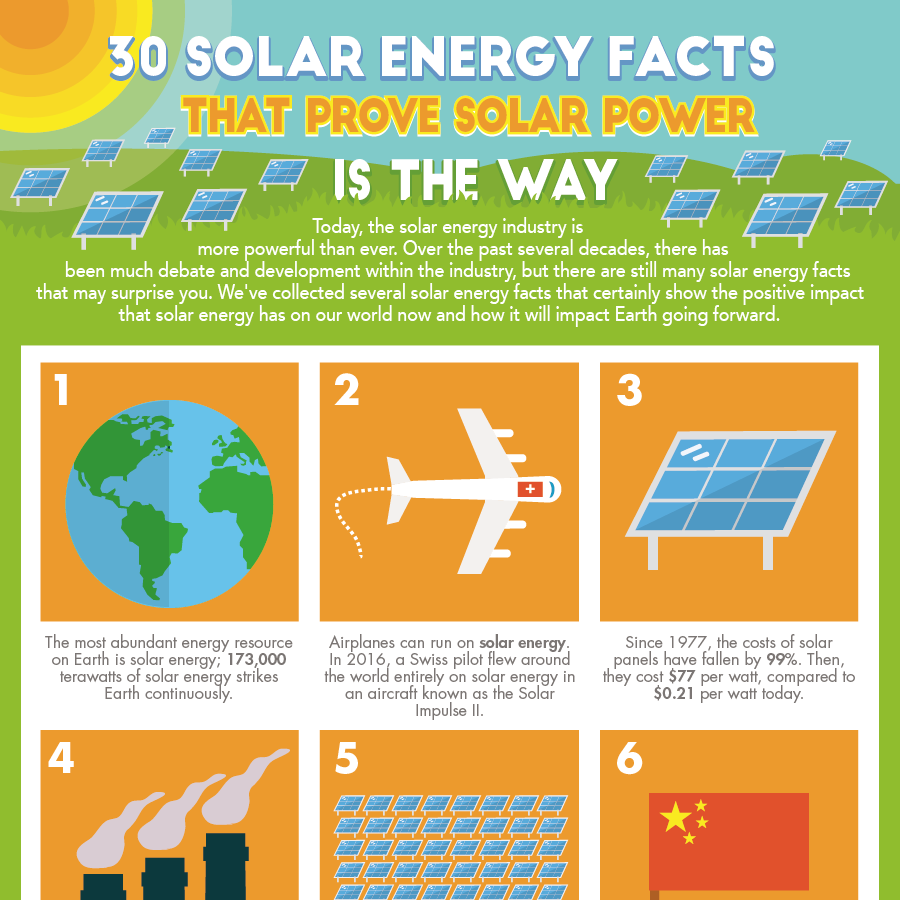
Credit: solarpower.guide
Frequently Asked Questions
What Are The Benefits Of Solar Energy?
Solar energy offers numerous benefits. It reduces electricity bills and lowers carbon footprints. Additionally, solar power is renewable, meaning it’s sustainable and abundant. It can also increase property value. Lastly, solar energy systems require minimal maintenance, making them a practical long-term investment for homeowners.
How Does Solar Energy Work?
Solar energy works by converting sunlight into electricity. Photovoltaic (PV) cells in solar panels capture sunlight. This energy is then transformed into usable electricity through an inverter. The process is clean and efficient, producing no harmful emissions. As a result, solar energy is a vital part of a sustainable energy future.
Is Solar Energy Expensive To Install?
The initial cost of solar energy installation can be high. However, prices have decreased significantly in recent years. Various incentives and tax credits are available, making it more affordable. Over time, savings on electricity bills can offset installation costs. Thus, solar energy can be a cost-effective option in the long run.
How Long Do Solar Panels Last?
Solar panels are designed to last for 25 years or more. Most manufacturers offer warranties ranging from 20 to 25 years. Proper maintenance can extend their lifespan even further. While efficiency may decrease slightly over time, many panels still produce energy effectively after decades.
This longevity makes them a reliable energy source.
Conclusion
Solar energy is a powerful resource. It helps reduce electricity bills. Using solar energy cuts down on pollution. Many homes and businesses benefit from it. Understanding these facts can inspire others. Solar energy is a smart choice for our planet.
It supports a cleaner future for everyone. More people should consider switching to solar. Together, we can make a positive change. Embracing solar energy leads to a sustainable world. Let’s share this knowledge and encourage others to act.