

Global warming is a hot topic, and it affects more than just our weather. Have you ever wondered how it impacts solar energy?
As temperatures rise and climate patterns shift, the atmosphere changes in ways that can influence solar energy production. This is crucial for you, especially if you’re considering solar energy for your home or business. Understanding these effects can help you make informed decisions about energy use and sustainability.
We’ll explore how global warming interacts with solar energy in the atmosphere, and what it means for you and your future energy choices. Keep reading to uncover the surprising connections that could affect your energy bills and your commitment to a greener planet.
Global Warming And Temperature Rise
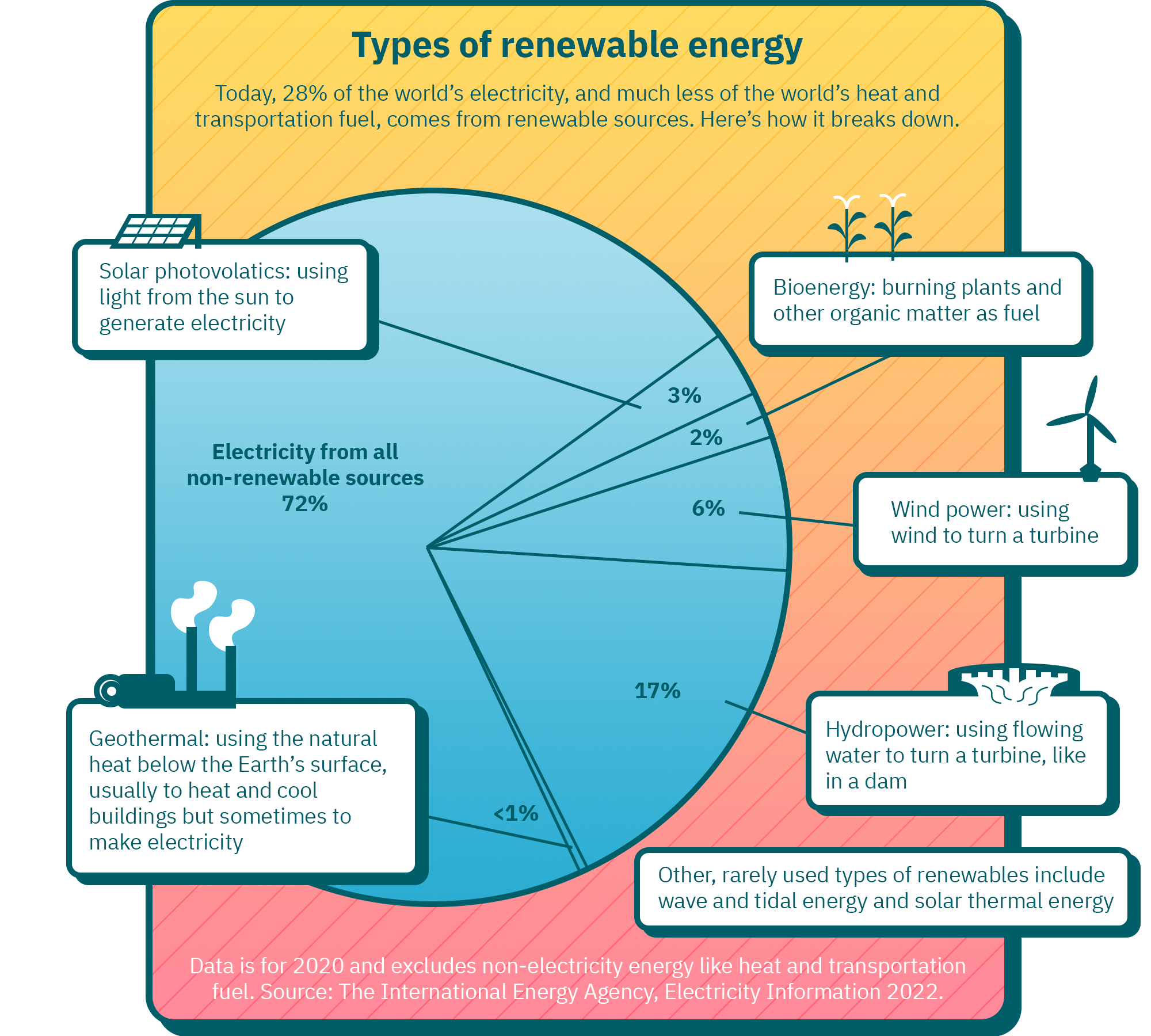
Global warming is causing our planet to heat up. This rise in temperature affects many aspects of our environment. One area impacted is solar energy production. Solar panels rely on sunlight and temperature to generate electricity. As temperatures rise, it is important to understand how this affects their performance.
Impact Of Heat On Solar Panel Performance
Solar panels work best at specific temperatures. Higher temperatures can lead to lower efficiency. When solar panels get too hot, they do not convert sunlight into energy as effectively. This means less electricity is produced on hot days. In some cases, extreme heat can damage the panels.
Hot conditions can also cause the materials in solar panels to expand. This expansion can create stress on the panel structure. Over time, this stress may lead to cracks or failures. Regular maintenance is crucial to ensure solar panels perform well in high temperatures.
Thermal Thresholds Of Photovoltaic Cells
Photovoltaic cells have thermal thresholds. These thresholds indicate the maximum temperature for optimal performance. Exceeding these temperatures can lead to significant drops in efficiency. Most solar panels work best at around 25 degrees Celsius. As temperatures rise above this point, energy output decreases.
Manufacturers design panels to handle some heat. Still, prolonged exposure to high temperatures can be harmful. Understanding these thresholds helps users choose the right panels for their location. Selecting panels suited for warmer climates can boost performance.
Credit: climate.mit.edu
Changes In Solar Irradiance
Understanding how global warming impacts solar energy starts with recognizing changes in solar irradiance. Solar irradiance refers to the amount of sunlight reaching the Earth’s surface. As our planet warms, various factors come into play that can alter this vital energy source.
Cloud Cover And Atmospheric Particulates
Cloud cover can significantly affect solar irradiance. Increased cloudiness often results from rising temperatures, which can block sunlight from reaching solar panels. More clouds can mean less energy production.
Additionally, atmospheric particulates like dust and pollution can further diminish solar irradiance. These particles scatter sunlight, reducing the intensity of the rays that hit your solar panels. You might notice this on days when the air feels hazy, resulting in less energy generation than on clear, sunny days.
Altered Sunlight Patterns
Changes in climate also lead to altered sunlight patterns. You may observe that seasons feel different. Longer winters or unexpected rain patterns can disrupt the consistency of solar energy production.
These shifts can impact energy planning. If your area experiences prolonged cloudy days, you may need to find alternative energy solutions or adjust your energy consumption habits. This is especially crucial for those relying on solar energy as their primary power source.
Have you ever thought about how these changes could affect your energy bills? Being aware of the factors that influence solar irradiance can help you make more informed decisions about your energy usage and investments in renewable energy.
Impact On Energy Conversion Efficiency
Global warming affects solar energy by changing how sunlight interacts with the atmosphere. Increased heat can reduce the efficiency of solar panels. Dust and pollution also block sunlight, making energy conversion less effective.
The impact of global warming on energy conversion efficiency is a crucial topic for anyone relying on solar energy. As temperatures rise, the performance of solar panels can change significantly. Understanding how these changes affect energy conversion can help you make informed decisions about your solar investments.
Temperature Coefficients Of Solar Panels
Solar panels have specific temperature coefficients that dictate how their efficiency changes with temperature. Most panels lose about 0.3% to 0.5% efficiency for every degree Celsius increase in temperature. This means that if the temperature rises by 10 degrees, your solar panel could lose up to 5% of its efficiency. Imagine a hot summer day when your solar panels are working hard. If temperatures soar to 40°C, your panels may not perform as well as expected. This inefficiency can lead to lower energy output and, ultimately, reduced savings on your energy bills.
Degradation Of Materials Over Time
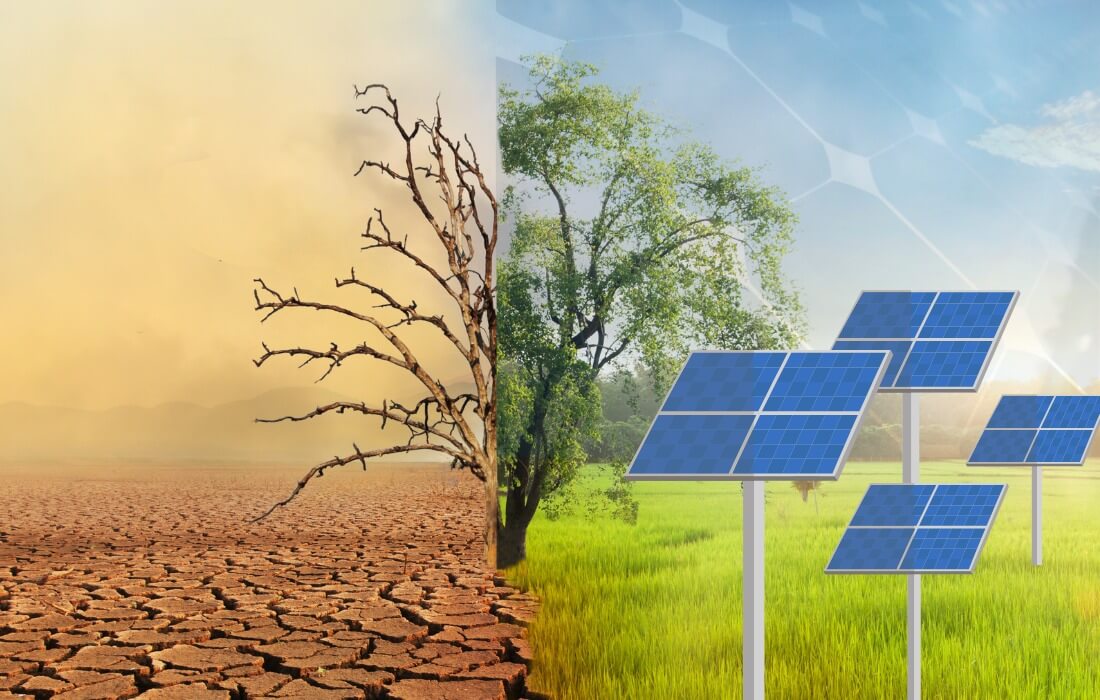
Global warming accelerates the degradation of materials used in solar panels. Increased temperatures can lead to faster wear and tear, reducing their lifespan. You might have invested in high-quality panels, but extreme weather conditions can still take a toll. UV radiation, heat, and humidity can cause delamination, corrosion, and other damages. Regular maintenance and monitoring can help mitigate these effects, but you need to be proactive. Are you prepared to address potential issues with your solar panels as they age? Staying informed about the materials and technologies used in your solar system can help you make better choices for longevity and efficiency. By understanding these factors, you can maximize your solar energy investment and ensure that you get the most from your system, even as global temperatures continue to rise.
Credit: solarismypassion.com
Effect On Solar Panel Lifespan
The impact of global warming on solar energy isn’t just about changing weather patterns; it also affects the lifespan of solar panels. As temperatures rise, the materials and technologies used in solar panels face unique challenges. Understanding these effects can help you make informed decisions about your solar investments.
Heat-induced Wear And Tear
High temperatures can accelerate wear and tear on your solar panels. Most panels are rated to operate efficiently up to a certain temperature, typically around 25°C (77°F). When temperatures soar beyond this, the efficiency drops, and the lifespan may shorten.
For example, a study showed that solar panels could lose up to 0.5% efficiency for every degree Celsius above their optimal operating temperature. This gradual decline may seem small, but over years, it adds up. You might find yourself needing replacements sooner than expected.
Maintenance Challenges In Warmer Climates
Warmer climates introduce maintenance challenges that can affect your solar panels’ longevity. Dust, debris, and even bird droppings can accumulate more quickly in hotter conditions. This buildup can block sunlight, reducing efficiency and leading to potential damage.
Regular cleaning becomes essential, but it can be difficult in extreme heat. You may face risks like heat exhaustion or equipment malfunction while trying to maintain your panels. Are you ready to invest extra time and energy into maintaining your solar setup, or would you prefer a system that requires less upkeep?
Considering these factors can help you maximize your investment in solar energy. Understanding how global warming affects your solar panels ensures you’re prepared for the challenges ahead. Make informed decisions today to protect your energy source for tomorrow.
Global Warming And Renewable Energy Policies
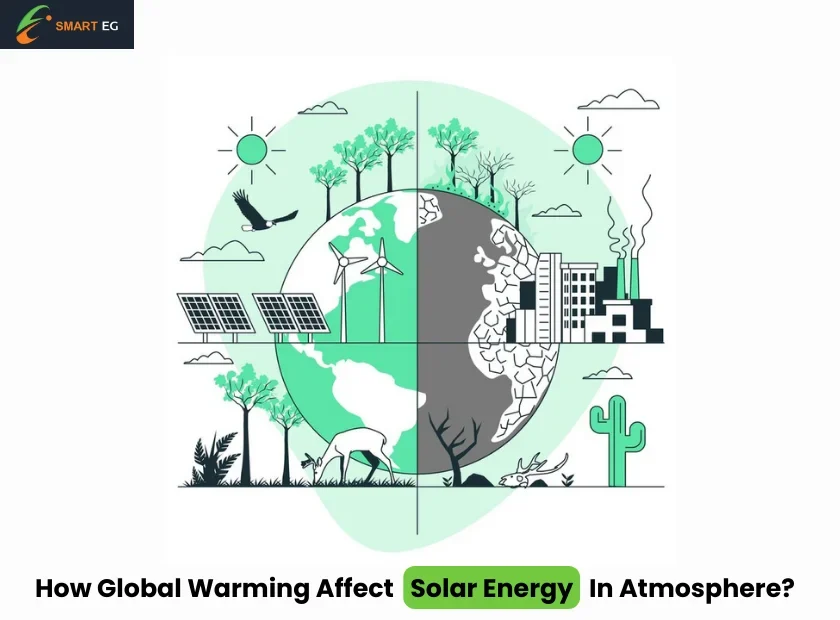
Global warming pushes governments to rethink energy policies. Solar energy is a key player in this shift. Policies aim to reduce carbon emissions. They support clean energy sources like solar power. Many countries set goals for renewable energy use.
These policies help shape investments in solar technology. They encourage research and development. Policymakers focus on making solar energy more efficient. This is crucial as climate change affects energy production.
Adapting Solar Technology For Higher Efficiency
Solar technology must adapt to changing conditions. Higher temperatures can reduce solar panel efficiency. New designs can help panels perform better in heat. Companies are developing materials that withstand extreme weather.
Smart technology plays a role too. It helps optimize energy collection. Advanced tracking systems can adjust panel angles. This maximizes sunlight exposure throughout the day.
Investments In Climate-resilient Solutions
Investments in solar energy are growing. Governments and businesses see the need for climate resilience. Funding focuses on durable solar infrastructure. This includes panels that can handle storms and flooding.
Research on energy storage is also critical. Better batteries can store solar energy for later use. This ensures a steady power supply, even during outages.
Support for training programs is vital. Workers need skills for new technologies. This helps create jobs and supports local economies. Strong policies can lead to a brighter future.
Credit: smartenergygap.com
Conclusion
Global warming plays a big role in solar energy. Changes in the atmosphere can affect how much sunlight reaches the Earth. More clouds and pollution block the sun. This can lower solar energy production. Finding solutions is important for a cleaner future.
We must adapt our solar technology to these changes. Understanding this issue helps us prepare. Each step we take matters. Together, we can ensure solar energy stays strong despite global warming. Let’s keep pushing for a sustainable world.