

Are you curious about how to make the most of your solar panels? Storing energy from solar panels is key to maximizing your investment and ensuring you have power when you need it most.
Imagine having electricity even when the sun isn’t shining. It’s not just a dream; it’s a reality for many homeowners. You’ll discover the best ways to store solar energy, explore different storage options, and learn how to keep your home powered efficiently.
By understanding these concepts, you’ll gain greater control over your energy use and save money in the long run. Let’s dive in and unlock the full potential of your solar energy system!
Types Of Solar Batteries
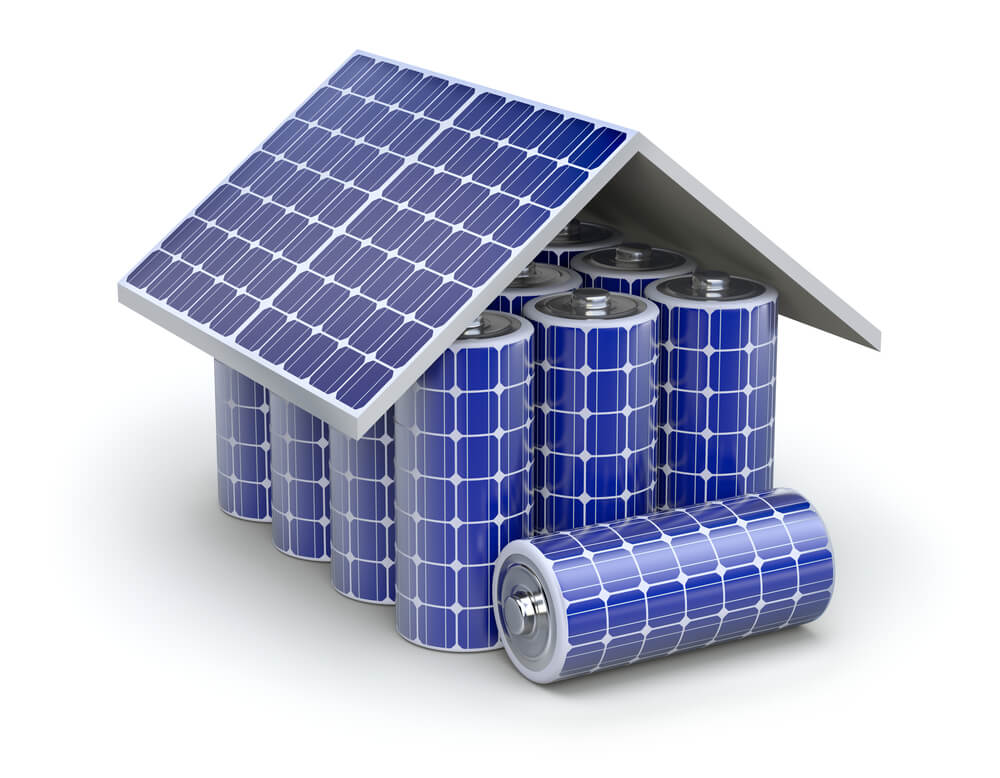
Storing energy from solar panels requires solar batteries. Different types include lithium-ion, lead-acid, and saltwater batteries. Each type has unique features and benefits for energy storage, helping to power homes and reduce electricity costs.
Storing energy from solar panels is crucial for maximizing efficiency and ensuring you have power when you need it most. Choosing the right type of solar battery can make a significant difference in your energy management. Let’s take a look at the different types of solar batteries available, each with unique features and benefits that cater to various needs.
Lithium-ion Batteries
Lithium-ion batteries are the most popular choice for solar energy storage. They offer high energy density, meaning they can store more energy in a smaller space. These batteries also have a longer lifespan, often lasting up to 15 years or more, which makes them a worthwhile investment. They charge quickly and can handle a high number of charge and discharge cycles, giving you reliable performance day after day. However, they can be more expensive upfront compared to other types. Are you ready to invest in a battery that pays off over time?
Lead-acid Batteries
Lead-acid batteries have been around for decades and are a well-established option for solar energy storage. They come in two main types: flooded and sealed. Flooded lead-acid batteries require maintenance, while sealed ones are more user-friendly. While they are typically less expensive than lithium-ion batteries, their lifespan is shorter, generally lasting around 5 to 10 years. If you’re looking for a cost-effective option and don’t mind some maintenance, lead-acid batteries could be a good fit for you.
Flow Batteries
Flow batteries are a less common but innovative option for storing solar energy. They use two electrolyte solutions that flow through a cell to generate electricity. One of their standout features is the ability to scale storage capacity easily. This makes them ideal for larger systems where you need to store significant amounts of energy. While they offer advantages, flow batteries can be more complex to install and maintain. Do you have the space and resources for this advanced technology?
Saltwater Batteries
Saltwater batteries are an emerging technology that uses saltwater as the electrolyte. These batteries are non-toxic and environmentally friendly, making them a safe choice for homes. They have a longer lifespan than lead-acid batteries and are less expensive than lithium-ion options. However, saltwater batteries are still in the developmental stage and may not be as widely available. Are you interested in a sustainable energy solution that could benefit both your home and the environment? Each of these battery types has its own strengths and weaknesses. Your decision should be based on your specific energy needs, budget, and long-term goals. Consider what matters most to you in energy storage.

Credit: ecoaffect.org
Off-grid Energy Storage
Storing energy from solar panels is essential for off-grid systems. Batteries capture the energy generated during sunny days. This stored energy can then power your home when the sun isn’t shining. Proper storage allows for consistent energy use and helps reduce reliance on traditional power sources.
Off-grid energy storage is a game changer for those who want to live independently from the traditional power grid. By harnessing the power of solar panels, you can capture energy during sunny days and use it when the sun isn’t shining. This not only provides reliable electricity but also reduces your carbon footprint and dependence on fossil fuels.
Standalone Solar Systems
Standalone solar systems are ideal for remote locations where the grid is unavailable. These systems consist of solar panels, a charge controller, and a battery bank. The solar panels capture sunlight and convert it into electricity. The charge controller manages this electricity, ensuring the batteries are charged correctly without overcharging. When the sun sets or during cloudy days, your stored energy powers your home. This setup is perfect for cabins, RVs, or any off-grid living scenario. You might wonder about the cost of batteries. Investing in high-quality batteries can ensure longevity and efficiency. Lithium-ion batteries, for example, are more expensive upfront but last significantly longer than traditional lead-acid batteries.
Hybrid Systems With Generators
Hybrid systems take energy storage a step further by combining solar panels with a backup generator. This setup ensures you have power even during prolonged cloudy periods or emergencies. With a hybrid system, solar energy is your primary source. However, the generator kicks in when the battery bank is low, providing peace of mind during unexpected situations. Imagine you’re planning a long weekend getaway in your off-grid cabin. You rely on your solar setup for power, but a sudden storm rolls in, covering the sun for days. Having a generator means you can still enjoy your weekend without worrying about losing power. Hybrid systems offer flexibility. You can choose to run the generator only when necessary, minimizing fuel use and costs. How confident are you in your current energy setup? If you’re considering off-grid options, think about what system aligns best with your lifestyle and energy needs.
Innovative Solar Storage Technologies
Storing energy from solar panels is crucial for using power when the sun isn’t shining. Innovative solar storage technologies like batteries and thermal storage systems help capture and hold this energy. These solutions make solar power more reliable and accessible for everyday use.
Innovative solar storage technologies are transforming the way we harness and utilize energy from solar panels. As solar energy becomes more prevalent, the need for effective storage solutions grows. These technologies not only enhance the efficiency of solar systems but also make renewable energy more accessible for everyone.
Thermal Energy Storage
Thermal energy storage systems capture heat generated by solar panels and store it for later use. This method is particularly useful for heating water or buildings. You might be surprised to learn that some homes use large tanks filled with water or even molten salt to store this heat. These systems can provide warmth during colder months or when sunlight is minimal. Imagine enjoying a hot shower on a cloudy day, knowing the warmth came from the sun’s energy stored hours earlier.
Hydrogen Storage
Hydrogen storage is gaining traction as an innovative method for storing solar energy. This technology involves converting electricity from solar panels into hydrogen gas through a process called electrolysis. The beauty of hydrogen is that it can be stored and transported easily. When needed, you can convert it back into electricity, providing a clean energy source for homes or vehicles. Have you ever considered the potential of fueling your car with sunlight?
Compressed Air Systems
Compressed air energy storage (CAES) utilizes excess energy from solar panels to compress air in underground caverns or large tanks. When energy demand peaks, this compressed air is released to drive turbines and generate electricity. This method is particularly effective for large-scale energy needs. It allows for a reliable supply of power during high-demand periods. Think about how this technology could stabilize your local energy grid during peak hours. Innovative solar storage technologies are not just theoretical; they are paving the way for a sustainable future. Each method contributes uniquely to making solar energy a more reliable and practical choice for your energy needs. Which of these technologies excites you the most?
Credit: www.intermtnwindandsolar.com
Factors To Consider For Solar Storage
Storing energy from solar panels is essential for efficient use. It allows you to use energy when the sun isn’t shining. Choosing the right storage system is important. Several factors can affect your decision.
Capacity And Efficiency
Capacity refers to how much energy a battery can hold. It is measured in kilowatt-hours (kWh). More capacity means more stored energy for later use.
Efficiency is about how much energy is lost during storage. Higher efficiency means less energy wasted. Look for systems that offer both good capacity and high efficiency.
Cost And Lifespan
The initial cost of solar storage systems can vary widely. Consider your budget before making a choice. Compare prices and features of different systems.
Lifespan is another key factor. Most batteries last between 5 to 15 years. Choose a system with a longer lifespan to get the best value over time.
Environmental Impact
Consider the environmental effects of your storage system. Some materials used in batteries can be harmful. Look for options that use eco-friendly materials.
Recycling options are also important. Choose systems that are easy to recycle. This reduces waste and helps the environment.
Future Trends In Solar Energy Storage
Solar energy storage is vital for using power from solar panels. Batteries are common tools for this task. New technologies, like advanced lithium-ion batteries, are emerging. They help store energy more efficiently. As these trends grow, solar energy use will become even more practical and accessible.
The future of solar energy storage is bright and full of exciting possibilities. As the world increasingly turns to renewable energy sources, the methods of storing that energy are evolving rapidly. Understanding these trends can help you make informed decisions about your energy use and investments.
Advancements In Battery Technology
Battery technology is advancing at an impressive pace. New materials, such as solid-state batteries, are on the horizon. These batteries promise to be safer, more efficient, and longer-lasting than traditional lithium-ion options. You might have heard of lithium iron phosphate (LiFePO4) batteries. They offer a longer lifespan and better thermal stability. Such advancements could significantly reduce your energy costs over time. Consider the impact of these innovations on your home. With improved battery systems, you can store more energy generated during the day for use at night. This means less dependence on the grid and more savings on your electricity bills.
Integration With Smart Grids
Smart grids are changing the way we manage energy consumption. They allow for two-way communication between energy providers and consumers. This means you can track your energy usage in real-time and adjust accordingly. Imagine having the ability to sell your excess energy back to the grid. This creates a financial incentive for you to invest in solar panels and storage solutions. With smart grids, energy efficiency becomes a community effort, benefiting everyone involved. You can also leverage smart home technologies to optimize your energy usage. Smart thermostats and appliances can be programmed to run during off-peak hours, saving you money while maximizing your solar energy benefits.
Ai And Iot In Energy Management
Artificial Intelligence (AI) and the Internet of Things (IoT) are revolutionizing energy management. These technologies allow for better monitoring and control of your energy systems. You can receive alerts about energy consumption, battery status, and even predictive maintenance. Imagine using an app that notifies you when your solar energy production peaks. You could then schedule high-energy tasks, like running the dishwasher or charging your electric vehicle, to maximize your savings. This level of control can make a significant difference in your energy efficiency. As these technologies become more accessible, your ability to manage energy will improve dramatically. You’ll have the tools to make informed decisions that align with your lifestyle and budget. The future of solar energy storage is not just about technology; it’s about empowering you to take charge of your energy consumption. Are you ready to embrace these changes?

Credit: www.pbs.org
Conclusion
Storing energy from solar panels is essential for efficient use. Batteries are the most common option. They capture energy for later use, especially at night. Choosing the right battery depends on your needs and budget. Regular maintenance ensures long battery life.
Understanding your energy needs helps maximize savings. With careful planning, solar energy can power your home effectively. Embrace solar energy. It offers sustainability and cost savings for the future.