

Are you tired of rising energy costs and the unpredictability of traditional power sources? You’re not alone.
Many people are searching for cleaner, more reliable alternatives to conventional generators. You’ll discover various generator alternative energy sources that can empower your home or business. From solar panels to wind turbines, these options not only save you money but also contribute to a healthier planet.
Imagine having the ability to harness nature’s power at your fingertips. Stay with us as we explore these exciting alternatives and help you make informed decisions for your energy needs. Your future energy independence starts here!
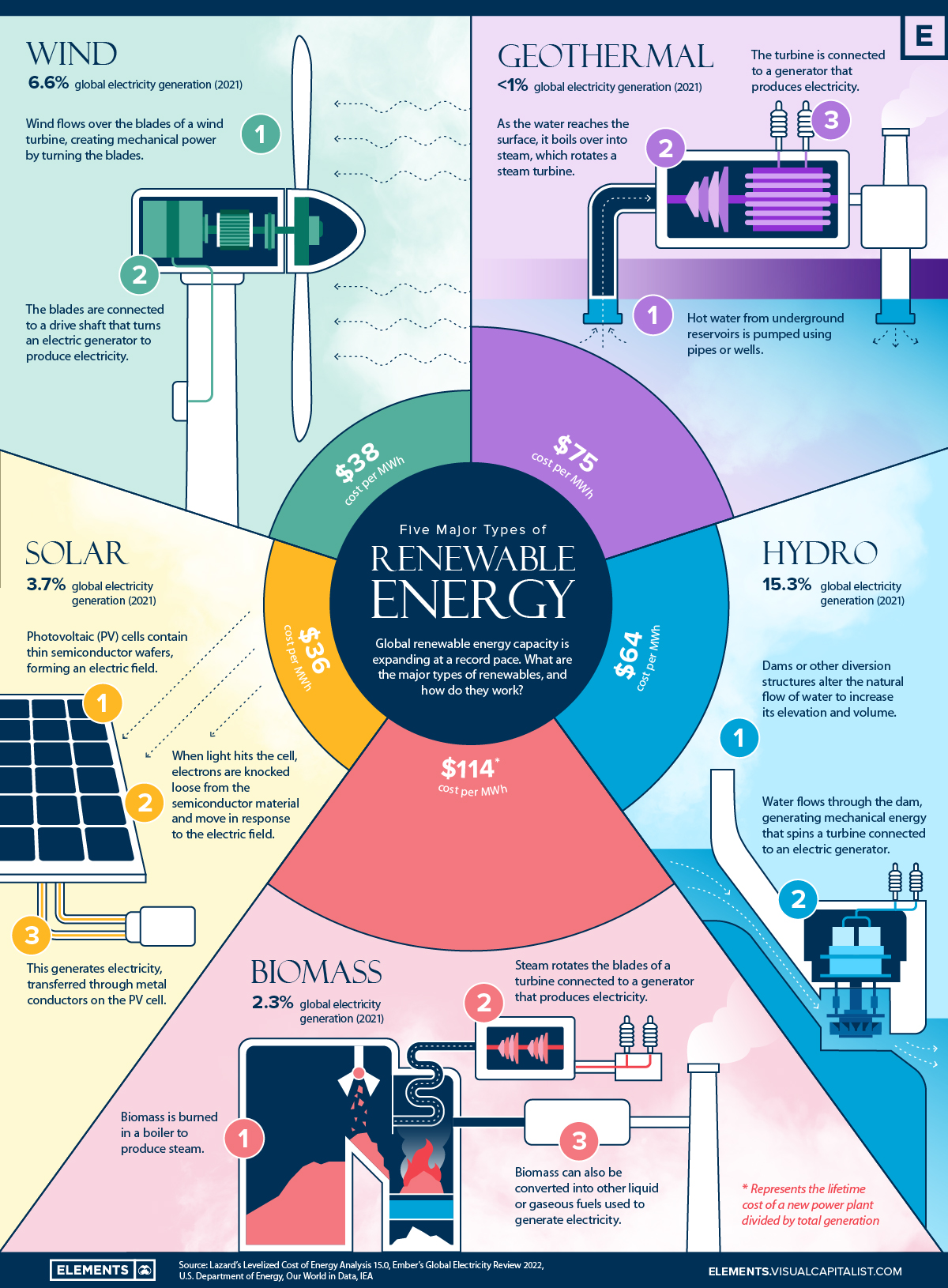
Credit: elements.visualcapitalist.com
Solar Power
Solar power is a clean and renewable energy source. It uses sunlight to generate electricity. This energy is becoming popular worldwide. Many people are turning to solar power for their energy needs. It offers a sustainable way to reduce electricity bills and environmental impact.
Photovoltaic Systems
Photovoltaic systems convert sunlight directly into electricity. They use solar panels made of silicon cells. These cells absorb sunlight and generate direct current (DC) electricity. An inverter then changes DC into alternating current (AC). AC is what powers most homes and businesses.
Photovoltaic systems are easy to install. They can be placed on rooftops or in open areas. These systems can be scaled to fit any need. Small homes can use smaller systems, while large businesses can set up larger ones.
Solar Thermal Technology
Solar thermal technology captures heat from the sun. It uses this heat to warm water or air. This process is different from photovoltaic systems. It focuses on heat instead of electricity.
Solar thermal systems often use solar collectors. These collectors absorb sunlight and convert it to heat. The heated water can then be used for showers, heating, or pools. This technology is efficient and can significantly reduce energy costs.
Benefits Of Solar Energy
Solar energy has many benefits. It reduces electricity bills and lowers carbon footprints. It offers energy independence. People can generate their own power.
Solar power is also low maintenance. Once installed, systems require little upkeep. Solar panels can last for decades. They are a wise investment for the future.
In many regions, solar energy is incentivized. Tax credits and rebates make it more affordable. This encourages more people to adopt solar technology.
Wind Energy
Wind energy is a clean and renewable power source. It harnesses the wind’s natural force to generate electricity. This method reduces reliance on fossil fuels and helps protect the environment.
Wind energy has emerged as a powerful alternative energy source, harnessing the natural force of wind to generate electricity. This clean and renewable resource offers a sustainable solution to our growing energy needs while significantly reducing carbon emissions. As communities seek to transition to greener energy solutions, understanding wind energy’s components becomes essential.Wind Turbines
Wind turbines are the heart of wind energy systems. They capture wind’s kinetic energy and convert it into electricity. Most turbines consist of three main parts: the rotor blades, the tower, and the generator. – Rotor Blades: These are designed to catch the wind. The more wind they capture, the more energy they produce. – Tower: The height of the tower is crucial. Taller towers can access stronger winds, thus generating more electricity. – Generator: This is where the magic happens. The mechanical energy from the rotor is transformed into electrical energy. You might have seen wind farms dotting the landscape or offshore. Each turbine contributes to a larger energy grid, making a significant impact on local and national energy supplies.Onshore Vs Offshore Wind
When considering wind energy, you’ll notice two primary types: onshore and offshore wind farms. – Onshore Wind: These are located on land and are often the most common. They can be built quickly and are generally less expensive to install. However, they depend heavily on local wind patterns, which can vary widely. – Offshore Wind: Positioned in bodies of water, these turbines can harness stronger and more consistent winds. They take advantage of vast areas of open sea. The downside? They are more costly to build and maintain. Have you ever thought about where your energy comes from? Understanding the differences between onshore and offshore wind can help you appreciate the choices communities are making for sustainable energy.Challenges In Wind Energy
Despite its advantages, wind energy does face challenges. One significant issue is the variability of wind. It doesn’t blow consistently, leading to fluctuations in energy production. – Noise and Aesthetic Concerns: Some people find wind turbines noisy or unattractive, especially in rural areas. – Wildlife Impact: Turbines can pose threats to birds and bats. Awareness and mitigation strategies are essential to address these concerns. – Infrastructure: Building new wind farms requires substantial investment in infrastructure. This can be a barrier for many communities. Have you considered how these challenges might affect your local energy landscape? Engaging with these issues can foster a deeper understanding of the complexities surrounding wind energy.Hydropower
Hydropower uses flowing water to create energy. It is a clean and renewable source of power. This method helps reduce reliance on fossil fuels while providing electricity to homes and industries.
Hydropower is one of the oldest and most reliable sources of renewable energy. It harnesses the energy of flowing water to generate electricity. This method not only provides a clean energy source but also supports local economies and communities.Small-scale Hydro Systems
Small-scale hydro systems offer an excellent alternative for rural or remote areas. These systems can produce energy without the need for large dams. – Less Environmental Disruption: They have a smaller footprint and cause minimal ecological disturbance. – Cost-Effective: They are often more affordable to install and maintain compared to larger projects. You might be surprised to learn that many small-scale systems can power a single home or community. Imagine generating your own electricity from a nearby stream. It’s not just a dream; it’s increasingly becoming a reality.Environmental Impact
Hydropower has its advantages, but it’s essential to consider its environmental impact. Large hydroelectric plants can disrupt local ecosystems and displace communities. – Fish Migration: Dams can block fish migration, affecting local fish populations. – Water Quality: Changes in water flow can alter water temperatures and affect aquatic life. Small-scale systems typically have a lesser impact on the environment. They can coexist with nature while generating power. You have to ask yourself: is the energy you gain worth the potential disruption?Hydropower Efficiency
Hydropower is one of the most efficient renewable energy sources available today. It can convert over 90% of the energy in flowing water into electricity. – Consistent Output: Unlike solar or wind energy, hydropower can provide a steady output, regardless of weather conditions. – Grid Stability: It can help stabilize the power grid, making it a reliable energy source. You might wonder how to get involved in hydropower. Local initiatives or community programs may offer resources for installing small-scale systems. Consider the benefits of energy independence and a reduced carbon footprint. Wouldn’t you want to be part of a sustainable solution?Biomass Energy
Biomass energy comes from organic materials like plants and waste. It offers a sustainable alternative for generating power. Using biomass can help reduce reliance on fossil fuels and lower greenhouse gas emissions.
Biomass energy is a renewable power source derived from organic materials. It taps into the energy stored in plants and animal waste, making it a sustainable option for reducing our carbon footprint. As you seek alternatives to traditional generators, understanding biomass energy can inspire you to explore practical solutions.Types Of Biomass Materials
Biomass materials come in various forms, each with unique properties. Here are some common types:- Agricultural Residues:Leftover plant materials like straw, corn stalks, and sugarcane bagasse.
- Wood:Sawmill scraps, wood chips, and even whole trees can be utilized.
- Animal Manure:Waste from livestock can be transformed into energy.
- Energy Crops:Plants specifically grown for energy production, such as switchgrass and miscanthus.
Biogas Generators
Biogas generators convert organic waste into methane gas through anaerobic digestion. This process not only produces energy but also reduces waste. You might be surprised to know that your kitchen scraps can power a biogas generator. Imagine turning your leftover food into electricity! Biogas systems can be set up for homes or farms. They offer a reliable energy source, especially in rural areas where access to traditional energy grids is limited.Waste-to-energy Conversion
Waste-to-energy conversion is another fascinating aspect of biomass energy. This process involves transforming municipal and industrial waste into usable energy. By burning waste materials, you can generate heat or electricity. This reduces landfill waste while producing energy. Consider your community’s waste problem. Wouldn’t it be smarter to turn that waste into something valuable rather than letting it pile up? Technologies like incineration and gasification play a crucial role in this process. They ensure that waste is not only managed effectively but also contributes to energy production. You have the power to make a difference. By considering biomass energy, you can contribute to a cleaner, more sustainable future.Geothermal Energy
Geothermal energy harnesses heat from the Earth’s core. This clean energy source is a great alternative for generators. It reduces reliance on fossil fuels and helps lower greenhouse gas emissions. Using geothermal energy supports a sustainable future for power generation.
Geothermal energy is a powerful and sustainable alternative energy source that taps into the Earth’s internal heat. This energy can be harnessed for various applications, from heating homes to generating electricity. Understanding how geothermal energy works can inspire you to consider it as a viable option for your energy needs.Harnessing Earth’s Heat
Geothermal energy comes from the Earth’s core, where heat is generated naturally. This heat can be found in locations with volcanic activity, hot springs, or even just a few feet below the surface of the Earth. You can access this energy through geothermal heat pumps. These systems use the constant temperature of the ground to heat or cool your home. This method is efficient and can lead to significant savings on your energy bills. The technology is straightforward. A series of pipes, called ground loops, circulate a fluid underground, absorbing heat in the winter and releasing it in the summer. Imagine reducing your carbon footprint while enjoying a comfortable home!Geothermal Power Plants
Geothermal power plants convert the Earth’s heat into electricity. There are three main types: dry steam, flash steam, and binary cycle plants. – Dry steam plants use steam directly from geothermal reservoirs. – Flash steam plants take high-pressure hot water and release it to produce steam. – Binary cycle plants transfer heat to a secondary fluid that vaporizes and drives a turbine. These plants are typically located in geothermal hotspots, such as Iceland or parts of the United States. They can provide a steady and reliable source of power, unlike solar or wind energy, which can be intermittent. Have you ever thought about how much energy could be generated if more countries invested in this technology?Advantages Of Geothermal Energy
Geothermal energy offers numerous benefits that make it an attractive option: – Sustainability: It’s a renewable source that won’t run out as long as the Earth exists. – Low Emissions: Geothermal power plants produce minimal greenhouse gases compared to fossil fuels. – Cost-Effective: Once established, geothermal systems have low operating costs and can save you money in the long run. Imagine your home being heated or cooled by an energy source that is not only efficient but also environmentally friendly. This could change how you think about energy consumption! Consider the long-term effects of choosing geothermal energy. It not only benefits your wallet but also contributes positively to the planet. Are you ready to explore this sustainable energy source for your home?
Credit: www.bluedm.com.au
Tidal And Wave Energy
Tidal and wave energy are powerful sources of renewable energy. They harness the natural movements of water. This energy can be used to generate electricity. Using these sources helps reduce our reliance on fossil fuels. They also offer a cleaner and more sustainable future.
Tidal Power Systems
Tidal power systems use the rise and fall of tides. They capture energy as water moves in and out. This energy can then be converted into electricity. Tidal turbines are often used for this purpose.
These turbines work like underwater windmills. They spin as water flows past them. The spinning motion generates power. Tidal energy is predictable and reliable.
Many coastal areas can benefit from tidal systems. They can provide a steady energy supply. This helps communities become more energy independent.
Wave Energy Converters
Wave energy converters capture energy from ocean waves. These devices float on the water’s surface. They move with the waves, converting motion into electricity.
Some wave energy systems use buoy technology. Others utilize oscillating water columns. Each design aims to harness wave energy efficiently.
Wave energy is abundant. It can provide power to coastal towns. This helps reduce carbon footprints.
Coastal Sustainability
Tidal and wave energy contribute to coastal sustainability. They provide clean energy while protecting marine life. These systems have a low environmental impact.
Using renewable energy supports local economies. It creates jobs in technology and maintenance. Communities can thrive with sustainable energy sources.
Investing in tidal and wave energy is crucial. It ensures a cleaner future for our planet. Sustainable practices benefit both people and nature.
Hybrid Energy Systems
Hybrid energy systems combine different energy sources. This approach increases efficiency and reliability. These systems often use renewable sources like solar and wind. They can also integrate traditional power sources. This combination helps meet energy needs more effectively.
Combining Renewable Sources
Using multiple renewable sources improves energy output. For example, solar panels work well on sunny days. Wind turbines generate power when it is windy. Together, they provide a steady energy supply. This mix reduces reliance on fossil fuels. It also lowers greenhouse gas emissions.
Energy Storage Solutions
Energy storage is crucial for hybrid systems. Batteries store excess energy generated during peak times. They release this energy when production is low. This ensures a constant energy flow. Storage solutions help balance supply and demand. They enhance the overall system’s reliability.
Optimizing Efficiency
Efficiency is key in hybrid energy systems. Smart technology can track energy use. It adjusts the energy mix in real-time. This optimization maximizes the output from available sources. Regular maintenance keeps systems running smoothly. Investing in quality equipment also boosts efficiency.
Credit: www.alamy.com
Future Of Alternative Energy
Generator alternative energy sources are shaping the future of power. They offer clean options like solar, wind, and biomass. These sources reduce pollution and dependency on fossil fuels, creating a sustainable energy landscape for everyone.
The future of alternative energy is bright and full of promise. As we face the challenges of climate change and dwindling natural resources, innovative solutions are emerging. These developments not only aim to reduce our carbon footprint but also enhance energy security and affordability.Emerging Technologies
Exciting advancements are reshaping the alternative energy landscape. Technologies like solar panels, wind turbines, and bioenergy systems are evolving rapidly. – Solar Energy: New photovoltaic materials are increasing efficiency, making solar more accessible. – Wind Power: Offshore wind farms are becoming more common, harnessing stronger and more consistent winds. – Hydrogen Fuel Cells: This technology is gaining traction for its potential in clean energy storage and transportation. You might find it fascinating that some homes are now fully powered by these emerging technologies. The integration of smart grids allows for better energy management, ensuring you only use what you need.Global Adoption Trends
Around the world, countries are committing to alternative energy sources. The trend is shifting from traditional fossil fuels to renewable options. – Growth in Investment: In 2022, global investment in renewable energy reached over $400 billion. – Rising Demand: Consumers are increasingly seeking green energy options. Have you ever considered how your energy choices impact the planet? You can contribute to this shift by opting for providers that prioritize renewable sources.Policy And Incentives
Government policies play a crucial role in promoting alternative energy. Various incentives encourage both businesses and individuals to make the switch. – Tax Credits: Many governments offer tax breaks for installing solar panels or energy-efficient appliances. – Subsidies: Financial assistance is available for companies that invest in renewable technologies. These policies not only make alternative energy more affordable but also drive innovation. Your support for clean energy initiatives can influence policy changes and encourage further investment in the sector. The future of alternative energy is not just a distant vision; it’s happening now. You have the power to be part of this change, making choices that benefit both you and the environment. What steps will you take today?Frequently Asked Questions
What Are Generator Alternative Energy Sources?
Generator alternative energy sources include solar, wind, hydro, and biomass. These renewable sources help reduce dependence on fossil fuels. They are sustainable and environmentally friendly options for power generation. Utilizing these alternatives can lead to lower energy costs and a smaller carbon footprint.
How Do Solar Generators Work?
Solar generators convert sunlight into electricity using photovoltaic cells. These cells capture solar energy and convert it into usable power. The energy can be stored in batteries for later use. Solar generators are efficient and can power various appliances or devices off the grid.
Are Wind Generators Effective For Home Use?
Yes, wind generators can be effective for home use. They harness wind energy to generate electricity, reducing utility costs. However, their efficiency depends on location and wind availability. Homeowners should assess local wind patterns before investing in a wind generator.
Can Biomass Be Used For Energy Generation?
Yes, biomass can be used for energy generation. It involves converting organic materials like plant waste or wood into energy. This process can produce electricity, heat, or biofuels. Biomass is a renewable resource that helps decrease waste and lowers greenhouse gas emissions.
Conclusion
Exploring generator alternative energy sources opens up new possibilities. Solar, wind, and hydro offer cleaner options. These sources reduce pollution and save money. They are also more sustainable for our planet. Many homes and businesses now use these energy types.
Switching can lead to energy independence. Embracing alternative energy means a brighter future. Make informed choices and consider the benefits. A small change can make a big impact. Start your journey toward cleaner energy today.