
Have you ever wondered how to eliminate stubborn odors or improve the air quality in your home? Ozone generators might just be the solution you’re looking for.
These devices are gaining popularity for their ability to tackle unpleasant smells and purify the air. But how do they actually work? You’ll discover the science behind ozone generators, how they produce ozone, and the benefits they offer. By the end, you’ll have a clear understanding of whether an ozone generator is the right choice for your needs.
Ready to uncover the secrets of cleaner air? Let’s dive in!


What Are Ozone Generators
Ozone generators are devices that produce ozone gas. Ozone is a form of oxygen. It has three oxygen atoms instead of two. This extra atom makes ozone a strong oxidizer. People use ozone for cleaning and purifying air and water.
Ozone generators work by using electricity. They take regular oxygen from the air. The device splits the oxygen molecules. This process creates ozone. The ozone then mixes with the air or water. It helps remove odors, bacteria, and other impurities.
How Ozone Generators Function
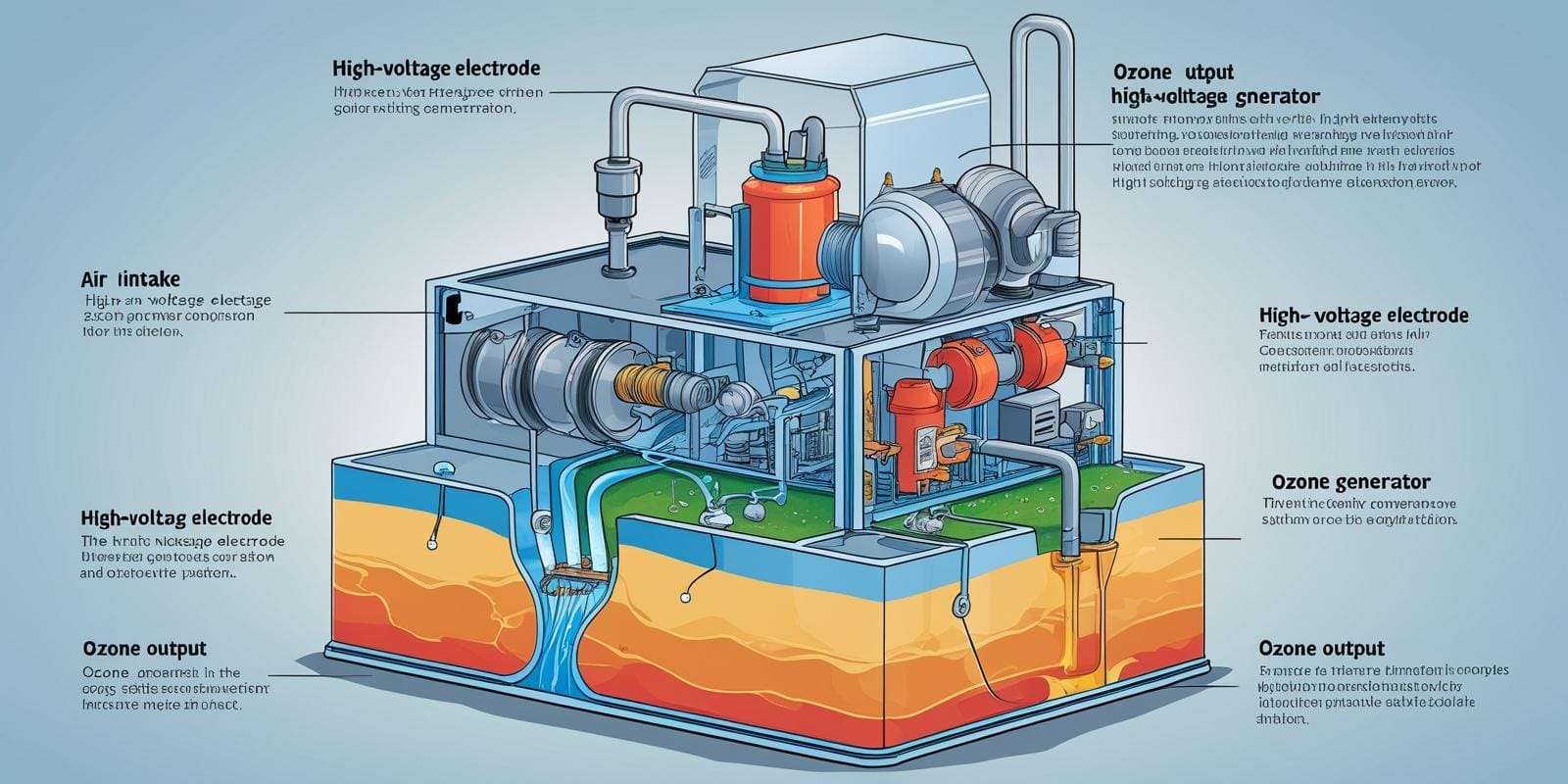
Ozone generators operate using two main methods. The first method is corona discharge. This method creates ozone by passing air through a high-voltage field. The second method is ultraviolet (UV) light. UV light splits oxygen molecules to form ozone.
Benefits Of Ozone Generators
Ozone generators have several benefits. They can effectively remove strong odors. This includes smoke, pet smells, and mold. Ozone also kills bacteria and viruses. It can help purify water, making it safer to drink.
Safety Considerations
Using ozone generators requires caution. Ozone can be harmful in high concentrations. Breathing in ozone can irritate the lungs. It is essential to use these devices in unoccupied spaces. Always follow the manufacturer’s safety guidelines.
Types Of Ozone Generators
Ozone generators come in different types. Each type has its own method of producing ozone. Understanding these types helps you choose the right one for your needs.
Corona Discharge Ozone Generators
Corona discharge ozone generators use high voltage. They create a spark that changes oxygen into ozone. This method is common in many home units. It is effective for small to medium spaces.
Ultraviolet (uv) Ozone Generators
UV ozone generators use ultraviolet light. This light reacts with oxygen to form ozone. They are quieter and use less energy. However, they may not produce as much ozone as other types.
Electrolytic Ozone Generators
Electrolytic ozone generators use water and electricity. This process creates ozone without high voltage. They are often used in water treatment. This method is safer for indoor use.
Cold Plasma Ozone Generators
Cold plasma ozone generators use a low-temperature process. They create ozone from air without heating. This type is efficient and effective. It is also used in industrial applications.
Portable Ozone Generators
Portable ozone generators are small and easy to move. They are great for personal use or small areas. Many people use them in cars or bedrooms. They offer convenience and flexibility.
Industrial Ozone Generators
Industrial ozone generators are larger and more powerful. They are used in factories and large spaces. These units can handle high volumes of air. They are effective for large-scale applications.
Ozone And Its Properties
Ozone is a gas made of three oxygen atoms. It is different from regular oxygen, which has two atoms. Ozone exists in the Earth’s atmosphere. It plays a key role in protecting us from harmful UV rays. It also helps clean the air we breathe.
Ozone has a distinct smell. You might notice it after a thunderstorm. This smell comes from the ozone gas produced during lightning strikes. Ozone is a powerful oxidant. It can break down pollutants and kill bacteria. This makes it useful in air and water purification.
Ozone is unstable. It quickly breaks down into regular oxygen. This means it does not last long in the environment. Its strong oxidizing properties make it effective against odors and chemicals. When used correctly, ozone can improve indoor air quality.
Ozone occurs naturally. However, humans can produce it through machines called ozone generators. These devices create ozone for cleaning and disinfecting. Understanding ozone helps us appreciate its benefits and risks.
How Ozone Is Created
Understanding how ozone is created offers insights into the functionality of ozone generators. These devices aim to purify air and eliminate odors, but the process behind ozone production is fascinating and crucial to its effectiveness. Let’s break down the key methods by which ozone is generated.
Natural Formation Of Ozone
Ozone naturally forms in the Earth’s atmosphere. It occurs when ultraviolet (UV) light from the sun interacts with oxygen molecules (O2).
This interaction splits the oxygen molecules into individual atoms. These single atoms can then bond with other oxygen molecules, creating ozone (O3). This natural process is vital for protecting the planet from harmful UV radiation.
Electrical Discharge Method
Ozone generators often use the electrical discharge method to create ozone. This technique mimics nature by generating high-voltage electrical sparks.
These sparks break down oxygen molecules in the air, allowing individual oxygen atoms to combine and form ozone. This method is efficient and is commonly used in household ozone generators.
Ultraviolet Light Method
The ultraviolet light method is another effective way to produce ozone. This technique uses specific wavelengths of UV light to split oxygen molecules.
As with the electrical discharge method, the result is the formation of ozone. This method is often found in water treatment systems to purify water and eliminate contaminants.
Ozone Generator Applications
Ozone generators have numerous applications beyond just air purification. They are used in industries for disinfecting water, deodorizing spaces, and even in food processing.
Have you ever noticed how fresh and clean the air feels after a thunderstorm? That’s ozone at work! Understanding how it’s created helps you appreciate its role in both nature and technology.
Consider the possibilities of using ozone generators in your own home. Could they improve your indoor air quality? With the right knowledge, you can make informed decisions about using this powerful tool effectively.
The Role Of Electrical Discharge
Electrical discharge is key to how ozone generators work. It creates ozone from oxygen in the air. This process helps purify the air and remove odors.
What Is Electrical Discharge?
Electrical discharge occurs when electricity flows through the air. It can happen in different forms. Common examples include lightning and sparks.
Creating Ozone
In ozone generators, electrical discharge splits oxygen molecules. This process creates ozone. Ozone has three oxygen atoms instead of two. It is a powerful oxidizer.
Types Of Discharge Used
Two main types of discharge are used in ozone generators. These are corona discharge and UV light. Both methods effectively produce ozone.
Benefits Of Electrical Discharge
This method is efficient and fast. It allows for quick ozone production. The generated ozone helps fight bacteria, mold, and odors.
Safety Considerations
While ozone can clean the air, it can also be harmful. High levels of ozone can irritate the lungs. Use ozone generators in unoccupied spaces to ensure safety.
Chemical Reactions Involved
Ozone generators use simple chemical reactions to create ozone. Understanding these reactions helps explain how they work. Ozone is a form of oxygen with three atoms. It is different from the oxygen we breathe, which has two atoms. Ozone can clean the air and remove odors. Let’s look at the key reactions involved in ozone generation.
The Formation Of Ozone
Ozone forms mainly through two processes. The first is called electrical discharge. This happens when an electrical current passes through air. The energy breaks apart oxygen molecules. These molecules then combine with free oxygen atoms. This creates ozone.
Ozone And Pollutants
Ozone reacts with various pollutants in the air. It can break down odors, bacteria, and mold. This reaction happens quickly. Ozone attaches to the pollutants and changes their structure. This makes them less harmful or neutral.
Decomposition Of Ozone
Ozone does not last long in the environment. It breaks down into oxygen over time. This process is called decomposition. Factors like heat and sunlight speed up this reaction. Once ozone decomposes, it no longer has cleaning effects.
Safety And Ozone Levels
High levels of ozone can be harmful. It is important to monitor ozone levels. Proper use of ozone generators is crucial. They should be used in well-ventilated areas. This helps keep ozone concentrations safe for people and pets.
Applications Of Ozone Generators
Ozone generators create ozone gas, which helps eliminate odors, bacteria, and viruses. They are used in homes, offices, and even water treatment. Understanding how these machines work can help users optimize their effectiveness for cleaner air and safer environments.
Ozone generators have gained popularity for their versatility and effectiveness in various applications. From purifying air to disinfecting water, these devices harness the power of ozone to tackle numerous challenges. Understanding how they work in different settings can help you decide if an ozone generator is right for your needs.
Air Purification
Ozone generators are widely used for air purification. They effectively remove odors, allergens, and pollutants from indoor spaces. – Odor Elimination: Ozone reacts with odor molecules, neutralizing unpleasant smells from pets, smoke, or cooking. – Allergen Reduction: They can help reduce airborne allergens, making the air cleaner for those with respiratory issues. However, be cautious. High levels of ozone can be harmful. Always ensure proper ventilation when using an ozone generator indoors.
Water Treatment
Another significant application is water treatment. Ozone is a powerful disinfectant that kills bacteria, viruses, and other pathogens. – Drinking Water: Many municipalities use ozone to purify drinking water, providing a safe and chemical-free option. – Swimming Pools: Ozone generators can also be used in swimming pools to reduce chlorine levels while keeping the water clean and clear. Using ozone for water treatment can enhance your health and well-being. Are you ready to enjoy chemical-free water?
Mold And Mildew Remediation
Mold and mildew can be a persistent problem in damp environments. Ozone generators play a crucial role in remediation efforts. – Surface Treatment: Ozone can penetrate surfaces, reaching hidden mold and mildew spots, effectively killing them. – Prevention: Regular use can prevent mold growth, especially in basements or other moisture-prone areas. If you’ve ever battled mold, you know how frustrating it can be. Are you willing to try ozone for a cleaner, healthier home?
Food Preservation
Ozone is also used in food preservation. By extending the shelf life of perishable items, it helps reduce food waste. – Fruits and Vegetables: Ozone can eliminate bacteria on the surface of fruits and vegetables, keeping them fresh longer. – Meat and Dairy: It helps inhibit spoilage in meat and dairy products, ensuring they stay safe for consumption. Imagine cutting down on grocery bills while enjoying fresher produce. Isn’t that worth considering?
Industrial Applications
In industrial settings, ozone generators are utilized for various purposes. They assist in maintaining cleanliness and safety. – Wastewater Treatment: Ozone is often used to treat industrial wastewater, ensuring harmful contaminants are neutralized. – Surface Sterilization: Factories use ozone for surface sterilization, reducing the risk of contamination in food production. Companies that prioritize cleanliness can benefit significantly from ozone technology. Is your business ready to embrace this efficient method?
Benefits Of Ozone Usage
Ozone generators offer many benefits. They help clean air and water. Ozone can remove odors and kill germs. This makes spaces healthier and fresher. Many people use ozone for various reasons.
Improved Air Quality
Ozone helps to purify the air. It breaks down pollutants and allergens. This reduces respiratory issues. People with allergies or asthma may feel better.
Odor Elimination
Ozone can remove tough odors. It works on smoke, pets, and mold smells. Using ozone leaves spaces smelling fresh. It is a natural way to fight odors.
Disinfection And Sanitization
Ozone kills bacteria and viruses. It is effective in homes and businesses. This helps to create a safer environment. Many use ozone for cleaning surfaces and air.
Cost-effective Solution
Ozone generators can save money. They reduce the need for chemical cleaners. Long-term use cuts cleaning costs. This makes ozone a budget-friendly choice.
Environmentally Friendly
Ozone is a natural gas. It does not harm the environment. Using ozone reduces chemical waste. It promotes a greener way to clean.
Potential Risks Of Ozone
Ozone generators create ozone gas to purify air or water. This process can lead to potential risks, such as respiratory issues and irritation. Understanding these risks is vital for safe use and effective results.
The potential risks associated with ozone are often overshadowed by its touted benefits. While ozone generators can effectively eliminate odors and pathogens, they come with serious health considerations. Understanding these risks is essential for anyone thinking about using an ozone generator in their home or workspace.
Health Concerns
Breathing in ozone can lead to a range of health issues. It irritates the respiratory system, causing coughing, throat irritation, and shortness of breath. – Sensitive individuals like children, the elderly, and those with pre-existing respiratory conditions are particularly vulnerable. You might think you’re solving a problem, but using an ozone generator could make your indoor air quality worse.
Ozone Exposure Levels
Regulatory agencies set limits on safe ozone exposure. The Environmental Protection Agency (EPA) recommends that ozone levels not exceed 0.070 parts per million (ppm) over an 8-hour period. – Using an ozone generator can easily push levels beyond this threshold, especially in small, enclosed spaces. Have you ever noticed a strange smell after running an ozone generator? That’s a sign that ozone levels may be too high.
Environmental Impact
Ozone doesn’t just affect indoor air quality; it can harm the environment too. High levels of ozone can damage crops and other vegetation. – It can also contribute to air pollution, creating a cycle of environmental degradation. Consider how your actions at home can affect the planet. Are you making choices that benefit both your health and the environment?
Alternatives To Ozone Generators
Instead of using ozone generators, consider safer alternatives for air purification. HEPA filters and activated carbon filters can effectively remove particles and odors without the risks associated with ozone. – Regular cleaning and proper ventilation also play a crucial role in maintaining indoor air quality. By opting for these alternatives, you can protect your health while still achieving a clean living space. What measures are you currently taking to ensure the air you breathe is safe? Understanding the potential risks of ozone is vital in making informed decisions about air purification. Always weigh the benefits against the risks. Your health and the environment depend on it.
Safety Tips For Using Ozone Generators
Ozone generators work by producing ozone gas, which can remove odors and kill bacteria. Safety is important when using them. Always follow instructions, ventilate the area, and avoid breathing in ozone. Proper use ensures effectiveness while keeping you safe.
When using ozone generators, safety should always be your top priority. These devices can effectively eliminate odors and purify air, but improper use can pose health risks. Understanding safety tips can help you maximize their benefits while minimizing potential hazards.
Understand Ozone Levels
Ozone generators produce ozone, a gas that can be harmful at high levels. Keep the following in mind: – Ozone is considered safe at concentrations below 0.1 parts per million (ppm). – Always check the manufacturer’s guidelines for safe operational levels. You might think that more ozone means better air quality, but that’s not always true. Excess ozone can lead to respiratory issues and other health problems.
Limit Exposure Time
Ozone is effective for cleaning spaces, but you shouldn’t be in the area while the generator is running. Here are some tips: – Set a timer to run the generator and leave the space. – Wait at least 30 minutes after the generator shuts off before re-entering. One time, I forgot to give my space enough time to air out after using an ozone generator. The lingering smell was overwhelming and caused a headache. It was a clear reminder of the importance of timing.
Ventilate The Area
Proper ventilation is crucial when using an ozone generator. To ensure safety, consider these steps: – Open windows and doors to allow fresh air to circulate. – Use fans to help disperse ozone more quickly. Did you know that poor ventilation can increase ozone concentration? This can lead to harmful effects. Always prioritize fresh air when using these devices.
Keep Pets And Plants Away
Ozone can be harmful to pets and plants, so it’s essential to keep them out of the area being treated. Follow these guidelines: – Create a safe zone for your pets in another room. – Move any houseplants out of the space until it’s safe to return. I once left my cat in the room while running an ozone generator, thinking it would be fine. She became lethargic and refused to eat for hours afterward. That experience taught me to be more cautious about my furry friends.
Consult A Professional
If you’re unsure about how to use an ozone generator safely, don’t hesitate to ask for help. Consider these options: – Hire a professional who specializes in air purification. – Read up on safety protocols from reliable sources online. Getting expert advice can save you from potential health risks. You wouldn’t want to overlook the safety aspects of a device designed to improve your air quality, right? Staying informed about safety tips will help you enjoy the benefits of ozone generators without compromising your health or that of your loved ones.
Frequently Asked Questions
What Is An Ozone Generator?
An ozone generator is a device that produces ozone gas. It helps remove odors and purify air.
How Does An Ozone Generator Work?
It works by using electricity to convert oxygen into ozone. This process is called corona discharge.
What Are The Uses Of Ozone Generators?
Ozone generators are used for air purification, odor removal, and water treatment. They help in various cleaning tasks.
Are Ozone Generators Safe To Use?
Ozone generators can be safe if used correctly. Avoid being in the room during operation.
How Long Should I Run An Ozone Generator?
Run it for 30 minutes to several hours, depending on the space size and odor levels.
Can Ozone Generators Kill Bacteria?
Yes, ozone can kill bacteria and viruses in the air and on surfaces. It is effective for sanitization.
Do Ozone Generators Remove Smoke Odors?
Yes, they can help remove smoke odors. Ozone reacts with smoke particles and neutralizes the smell.
How Much Does An Ozone Generator Cost?
Prices vary widely, ranging from $50 to $500 or more. It depends on the model and features.
How Often Can I Use An Ozone Generator?
Use it as needed, but avoid frequent use in small spaces. Limit exposure to ozone for safety.
What Are The Side Effects Of Ozone Exposure?
Breathing in ozone can irritate the lungs and throat. It may cause coughing or shortness of breath.
Conclusion
Ozone generators play a key role in air purification. They create ozone to remove odors and pollutants. Understanding how they work helps users make informed choices. Using them safely is crucial for health. Always follow guidelines to avoid risks. Ozone can be effective in the right settings.
Choosing the right generator matters for best results. With proper use, these devices can improve indoor air quality. Stay aware and informed about your options. Clean air leads to a healthier environment for everyone.