
Are you curious about why solar energy is considered renewable? You’re not alone.
Many people are realizing the importance of sustainable energy sources, and solar power stands out as a top choice. It’s clean, abundant, and harnesses the power of the sun—something we can count on for years to come. You’ll discover the key reasons solar energy is renewable and how it can benefit you, your home, and the planet.
Understanding these concepts can empower you to make informed choices about your energy consumption. So, keep reading to uncover the remarkable potential of solar energy and why it should matter to you.
Solar Energy Basics
Solar energy is a clean and renewable resource. It comes from the sun. This energy is available every day. It does not run out. Understanding solar energy helps us appreciate its benefits.
What Is Solar Energy?
Solar energy is the light and heat from the sun. We can use it in many ways. It can power homes, schools, and businesses. Solar panels capture sunlight. They convert it into electricity.
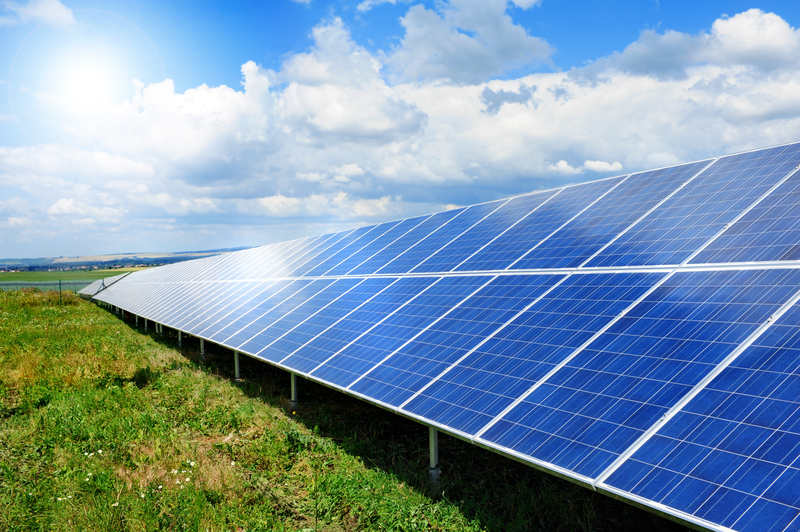
Solar panels have many small units called solar cells. These cells absorb sunlight. They create an electric current. This current powers electrical devices. Solar panels can also heat water for homes.
Benefits Of Solar Energy
Solar energy reduces electricity bills. It creates jobs in the green energy sector. It helps protect the environment. Using solar energy lowers carbon emissions. This keeps our air cleaner.
Why Is Solar Energy Renewable?
Solar energy is renewable because the sun is always shining. Every day, the sun rises and provides energy. This source of power will not deplete. Other energy sources, like fossil fuels, can run out.

Credit: www.youtube.com
How Solar Panels Work
Solar panels convert sunlight into electricity. This process is simple yet effective. Understanding how they work helps us appreciate solar energy as a renewable source.
Solar Cells Capture Sunlight
Solar panels are made of solar cells. These cells capture sunlight. They contain materials like silicon. When sunlight hits these materials, it creates energy.
Conversion Of Light Into Electricity
The energy from sunlight causes electrons to move. This movement creates direct current (DC) electricity. This electricity can power homes and businesses.
Inverter Changes Dc To Ac
Most homes use alternating current (AC) electricity. An inverter changes the DC electricity into AC. This makes it usable for everyday devices.
Energy Storage For Later Use
Some systems include batteries. These batteries store excess energy. This allows users to access electricity at night or during cloudy days.
Feeding Energy Back To The Grid
Surplus electricity can be sent back to the grid. This process is called net metering. It allows users to earn credits for the energy they provide.
Solar panels produce clean energy. They reduce dependence on fossil fuels. This helps decrease greenhouse gas emissions.
Maintenance And Longevity
Solar panels require little maintenance. They can last for 25 years or more. Regular cleaning ensures they work efficiently.
Unlimited Sunlight Resource
Solar energy comes from the sun. This energy is abundant and free. The sun provides more energy in one hour than the world uses in an entire year. This endless supply makes solar energy renewable.
Unlike fossil fuels, sunlight will not run out. The sun shines every day. Even on cloudy days, some sunlight reaches the Earth. This means we can capture solar energy almost anywhere.
Consistent Availability
The sun rises and sets daily. We can predict sunlight patterns. This consistency allows us to plan energy use better. Solar panels can generate power during the day. They provide energy for homes, schools, and businesses.
Global Reach
Every part of the world receives sunlight. From deserts to cities, solar energy can be harnessed. This makes solar energy accessible to many people. It helps reduce energy costs worldwide.
Using solar energy helps the planet. It produces no harmful emissions. This reduces air pollution and greenhouse gases. Clean energy leads to a healthier environment for everyone.
Future Potential
The sun will shine for billions of years. This means solar energy has a bright future. As technology improves, solar panels become more efficient. More people can use this clean energy source.
Credit: www.openaccessgovernment.org
Environmental Benefits
The environmental benefits of solar energy are significant and far-reaching. Choosing solar power can lead to cleaner air, a healthier ecosystem, and a reduction in harmful emissions. Let’s dive into the specific ways solar energy positively impacts our environment.
Reduced Greenhouse Gas Emissions
Solar energy produces electricity without emitting greenhouse gases. Traditional energy sources, like coal and natural gas, release carbon dioxide and other pollutants into the atmosphere. By switching to solar, you actively contribute to a decrease in these harmful emissions.
Have you ever noticed the smog on a hot summer day? It often stems from fossil fuel use. Solar energy helps clear the air, leading to better health outcomes for you and your community.
Conservation Of Water Resources
Did you know that conventional energy production requires a lot of water? Coal and nuclear plants use it for cooling and processing, often leading to water scarcity. Solar panels, on the other hand, need minimal water to operate.
This conservation of water is crucial, especially in drought-prone areas. You can feel good knowing that by harnessing solar energy, you’re helping to preserve a vital resource.
Reduction Of Air And Water Pollution
Solar energy significantly reduces air and water pollution. Unlike fossil fuels, solar power generation does not produce toxic waste or chemicals. This means cleaner rivers, lakes, and air for you and future generations.
Think about your local wildlife. A healthier environment means better habitats for animals and plants. By choosing solar, you play a role in protecting these ecosystems.
Promotion Of Sustainable Practices
Using solar energy promotes sustainability. It encourages you to think about your energy consumption and its impact on the planet. Many communities that adopt solar power see a ripple effect, inspiring others to make eco-friendly choices.
What sustainable practices can you adopt in your daily life? Simple changes, like reducing waste or recycling, can complement the benefits of solar energy.
Embracing solar energy not only benefits your wallet but also helps protect the environment. Each solar panel installed is a step toward a cleaner, healthier planet. Are you ready to make a difference?
Reducing Carbon Footprint
Solar energy is a clean and renewable resource. It harnesses sunlight, reducing reliance on fossil fuels. By choosing solar power, individuals can lower their carbon footprint and help protect the environment. This energy source is abundant and sustainable, making it a vital part of a greener future.
Reducing your carbon footprint is essential for a sustainable future. As individuals and communities, the choices we make daily can significantly impact our planet. Switching to solar energy is a powerful way to lessen your environmental impact.
Understanding Carbon Footprint
Your carbon footprint measures the total greenhouse gases emitted directly and indirectly through your actions. This includes everything from driving a car to the electricity you use at home. By becoming aware of this footprint, you can actively work to reduce it.
Solar Energy: A Cleaner Alternative
Solar energy generates electricity without emitting harmful pollutants. Traditional energy sources, like coal and gas, release significant amounts of carbon dioxide. In contrast, harnessing sunlight means cleaner air and a healthier environment for everyone. Think about your last power bill. Did you know that each kilowatt-hour of solar energy you use can save nearly one pound of CO2 from entering the atmosphere?
Long-term Benefits For You And The Planet
Investing in solar panels not only cuts your energy costs but also contributes to a greener planet. – Lower Energy Bills: Solar energy can drastically reduce your monthly expenses. – Increased Home Value: Homes with solar installations often sell for more. – Energy Independence: Relying on the sun means less dependence on fossil fuels. Can you imagine the impact if every household switched to solar? The collective reduction in carbon emissions would be monumental.
Taking Action Today
You don’t have to wait for others to make a change. Start by evaluating your energy consumption. – Consider a solar energy assessment for your home. – Research local incentives or rebates for installing solar panels. – Talk to your neighbors about the benefits of solar energy. Each step you take brings you closer to reducing your carbon footprint. What small change will you make today to contribute to a sustainable future?
Cost Savings Potential
Cost savings potential is one of the most compelling reasons to consider solar energy. Imagine slashing your monthly utility bills while contributing to a sustainable future. This can be a reality for you when you harness the power of the sun.
Lower Electricity Bills
Switching to solar energy can significantly reduce your electricity costs. Once you install solar panels, you generate your own power, which means you rely less on your utility provider.
Many homeowners report savings of 50% or more on their electricity bills. This means more money in your pocket every month.
Tax Incentives And Rebates
Government programs often provide financial incentives for solar installation. You may qualify for tax credits that can cover a substantial portion of your installation costs.
- Federal tax credit can be up to 26% of your solar installation costs.
- Many states offer additional rebates that further reduce expenses.
These incentives can make solar more affordable than you might think. Have you checked what your local government offers?
Increase In Property Value
Installing solar panels can boost your home’s market value. Homes with solar energy systems are often more attractive to buyers.
Studies show that homes with solar panels sell for more than those without. This means that your initial investment can pay off when it’s time to sell.
Long-term Savings
While the upfront cost of solar may seem high, think about the long-term savings. Solar panels typically last 25 years or more, providing free energy after your initial investment is recouped.
With rising energy costs, you can protect yourself from future price hikes. Are you ready to invest in a stable energy source?
Financing Options
Many financing options are available to make solar energy accessible. You can choose loans, leases, or power purchase agreements (PPAs) that fit your budget.
This flexibility allows you to start saving money immediately without breaking the bank. Have you researched the best financing options for your situation?
Solar energy not only benefits the environment but also your wallet. It’s a practical investment that pays off in numerous ways. Why wait to start reaping the benefits of solar energy?
Advancements In Solar Technology
Solar energy is renewable because it comes from the sun, which will shine for billions of years. Advancements in solar technology make it easier to capture and use this energy. As we improve these methods, solar power becomes a more reliable and sustainable energy source for everyone.
Advancements in solar technology have transformed how we harness energy from the sun. As innovations continue to emerge, solar energy becomes more efficient and accessible. This shift is crucial in making solar a viable alternative to fossil fuels.
Improved Solar Panel Efficiency
Modern solar panels boast impressive efficiency rates. Traditional panels convert around 15-20% of sunlight into electricity. New technologies, like bifacial panels, can achieve efficiencies exceeding 25%. These advancements mean you can generate more power from the same amount of sunlight. Imagine reducing your energy bills while contributing to a cleaner environment. Wouldn’t you want to be part of this change?
Energy Storage Solutions
Energy storage has improved significantly with innovations like lithium-ion batteries. These batteries allow you to store excess energy produced during the day for use at night. You can enjoy electricity even when the sun isn’t shining. Homeowners now have the option to combine solar panels with storage systems. This combination offers energy independence and security. Are you ready to take control of your energy future?
Smart Solar Technology
Smart solar technology is emerging through the integration of IoT (Internet of Things). With smart inverters and monitoring systems, you can track your energy production in real-time. This insight helps you optimize your energy usage.
Imagine receiving alerts when your system underperforms or when it’s the best time to use energy. These tools empower you to make informed decisions about your energy consumption. How much could you save with better insights?
Lower Costs And Increased Accessibility
The cost of solar technology has dropped significantly over the past decade. With government incentives and decreasing production costs, solar panels are more affordable than ever. This accessibility opens doors for more households to invest in solar energy. As the market grows, competition drives prices down, making solar an attractive option.
Have you considered making the switch to solar for your home? Now might be the perfect time. Advancements in solar technology not only make solar energy renewable but also practical for everyday life. These improvements empower you to harness the sun’s energy efficiently, safely, and affordably. Your choices today can impact your energy future and the environment.
Global Adoption Trends
As the world grapples with climate change and the urgency for sustainable solutions, solar energy has surged in popularity. Many countries are harnessing the sun’s power, leading to a significant shift in how we produce and consume energy. Understanding the global adoption trends helps you see why solar energy is becoming a vital part of our future.
Increasing Investments In Solar Technology
Investment in solar energy has skyrocketed over the past decade. Governments and private sectors recognize its potential, pouring billions into research and development.
- In 2022, global investments in solar energy reached over $200 billion.
- Countries like China and the United States lead the charge, contributing significantly to technological advancements.
- Innovations in solar panels and energy storage systems are making solar energy more efficient and accessible.
Have you considered how these advancements might benefit your household energy needs? The availability of more affordable solar panels means you could power your home with clean energy.
Government Policies And Incentives
Many governments are implementing policies that encourage the use of solar energy. Tax credits, rebates, and subsidies make it easier for individuals and businesses to invest in solar technology.
- In Germany, the government has introduced a feed-in tariff, allowing homeowners to sell excess energy back to the grid.
- The U.S. offers a federal solar tax credit, which can reduce installation costs significantly.
- Countries like India are targeting ambitious solar capacity goals to meet their energy demands sustainably.
These incentives are not just good for the planet; they can also lead to substantial savings in your energy bills.
Growing Awareness Of Climate Change
Public awareness of climate change is pushing more people to consider renewable energy. As communities become more informed, the demand for solar energy continues to grow.
Social media campaigns and documentaries have played a crucial role in educating the masses. People are realizing that switching to solar isn’t just an eco-friendly choice; it’s a necessary step toward a sustainable future.
Have you felt the shift in attitude toward renewable resources in your community? This growing consciousness could inspire you to make changes in your own energy consumption habits.
Technological Innovations Enhancing Accessibility
Recent technological advancements have made solar energy more accessible than ever. The development of portable solar panels and solar-powered devices allows for easy integration into daily life.
- Solar chargers for phones and laptops are now common, especially for outdoor enthusiasts.
- Community solar projects allow renters and those with unsuitable roofs to benefit from solar energy.
Consider how these innovations might fit into your lifestyle. Could a solar charger be a practical addition to your camping gear or daily routine?
Global adoption trends indicate that solar energy is not just a fleeting idea; it’s a growing reality. As more people and countries recognize its value, the future of energy looks brighter than ever.
Energy Independence
Energy independence is a crucial factor in the discussion about solar energy. It gives you the power to generate your own electricity, reducing reliance on external sources. Imagine being able to harness the sun’s energy right from your rooftop!
Reduce Dependence On Fossil Fuels
Solar energy reduces your reliance on fossil fuels. These fuels are often imported, making you vulnerable to price fluctuations and supply disruptions. With solar panels, you tap into a local and abundant resource—the sun!
Transitioning to solar can significantly lower your energy bills. You can generate your own power, leading to savings that directly benefit your wallet. Isn’t it appealing to know your energy costs are within your control?
Stability In Energy Prices
Relying on solar energy can stabilize your energy costs. Traditional energy prices can rise unexpectedly due to geopolitical tensions or natural disasters. With solar, you can lock in your energy costs for years, giving you peace of mind.
Consider how volatile energy prices can impact your budget. Each month, you could face surprises that strain your finances. Solar energy allows you to predict your expenses more accurately.
Empower Your Community
By adopting solar energy, you contribute to your community’s energy independence. Local solar initiatives can create jobs and boost the economy. This shift can make your community less reliant on distant energy sources.
Have you thought about how your choices affect your neighbors? When more people invest in solar, it can lead to a collective reduction in energy costs. Together, you can create a stronger, more sustainable community.
Future-proof Your Energy Needs
Solar energy is a sustainable solution for the future. As technology advances, solar systems will become even more efficient and affordable. Investing in solar now prepares you for an energy-independent future.
What if you could be a pioneer in your neighborhood? By adopting solar, you set an example and inspire others to take similar steps. It’s a proactive way to secure your energy needs for years to come.
Energy independence through solar energy is not just a dream. It’s an achievable goal that puts you in control. Are you ready to take the first step toward a more independent energy future?
Future Of Solar Power
The future of solar power is bright and promising. As more people recognize the benefits of solar energy, its adoption continues to grow. You might wonder how this renewable energy source will evolve and what it means for your life and the planet.
Technological Advancements In Solar Energy
Innovation is at the heart of solar energy’s future. New technologies are emerging that increase efficiency and reduce costs. For instance, advances in solar panels now allow them to capture more sunlight, even on cloudy days.
- Perovskite solar cells are lighter and cheaper.
- Solar tracking systems can boost energy capture by up to 25%.
- Energy storage solutions like batteries make solar energy usable even when the sun isn’t shining.
These advancements make solar energy more accessible to everyone, including homeowners and businesses. Have you considered how these changes could impact your energy bills?
Government Policies And Incentives
Government policies play a crucial role in the growth of solar power. Many countries offer tax credits and rebates for solar panel installation. These incentives make it easier for you to switch to solar energy.
- Tax credits can significantly lower your initial costs.
- Net metering allows you to sell excess energy back to the grid.
- Grants and loans can help finance solar projects for low-income households.
With supportive policies, more individuals and businesses will embrace solar energy. Are you ready to take advantage of these opportunities?
The Role Of Community Solar Projects
Community solar projects are changing the game. They allow people who can’t install panels on their homes to still benefit from solar energy. By participating in a community solar program, you can access clean energy without the upfront costs.
These projects promote collaboration and sustainability. They also provide a sense of belonging as neighbors come together to support renewable energy. Would you participate in a community solar initiative if it was available in your area?
Global Impact And Future Trends
Solar energy’s global impact is undeniable. It reduces reliance on fossil fuels and decreases greenhouse gas emissions. As more countries commit to sustainability, solar power will play a pivotal role in combating climate change.
Emerging trends suggest solar energy will continue to grow. Innovations in energy efficiency and smart grids will further integrate solar into everyday life. How do you see solar energy shaping your community in the coming years?
The future of solar power is not just about technology; it’s about you and your role in creating a sustainable world. Embracing solar energy means taking a step toward a cleaner, greener future.

Credit: www.energysage.com
Frequently Asked Questions
Why Is Solar Energy Considered Renewable?
Solar energy is renewable because it comes from the sun, which is always available.
How Does Solar Energy Work?
Solar panels capture sunlight and convert it into electricity. This process is known as solar power generation.
What Are The Benefits Of Solar Energy?
Solar energy reduces electricity bills, lowers carbon footprint, and is environmentally friendly.
Is Solar Energy Sustainable?
Yes, solar energy is sustainable as it can be harnessed indefinitely without depleting resources.
Can Solar Energy Reduce Electricity Costs?
Yes, using solar panels can significantly lower monthly electricity expenses for homeowners and businesses.
What Is The Difference Between Renewable And Non-renewable Energy?
Renewable energy comes from sources that replenish naturally, while non-renewable energy sources, like fossil fuels, can run out.
How Much Sunlight Do Solar Panels Need?
Solar panels work best with direct sunlight but can still generate power on cloudy days.
Are There Any Disadvantages Of Solar Energy?
Initial setup costs can be high, and solar panels require space for installation.
Can Solar Energy Be Used At Night?
Solar energy cannot be generated at night but can be stored in batteries for later use.
How Does Solar Energy Help The Environment?
Solar energy reduces greenhouse gas emissions and decreases reliance on fossil fuels, promoting cleaner air.
Conclusion
Solar energy is a clean and endless resource. It comes from the sun, which shines every day. Unlike fossil fuels, solar energy won’t run out. Harnessing sunlight helps reduce pollution. This energy source is friendly to our planet. Using solar power means a healthier future for everyone.
Investing in solar technology supports job growth and innovation. Choosing solar energy benefits both individuals and communities. It is a smart step toward sustainability. Embracing solar energy is key to a brighter tomorrow. Let’s take action and support renewable energy today.