
Solar energy is a powerful resource, but how do we keep it for when we really need it? If you’re curious about how this clean energy is stored and utilized, you’re in the right place.
Understanding solar energy storage can help you make informed decisions about harnessing this renewable resource for your home or business. You’ll discover the different methods used to store solar energy, the benefits of each, and how they can impact your energy bills.
By the end of this article, you’ll have a clearer picture of how solar energy can work for you. Let’s dive in and unlock the secrets of solar storage!
Credit: sunlightsolar.com
Types Of Energy Storage Systems
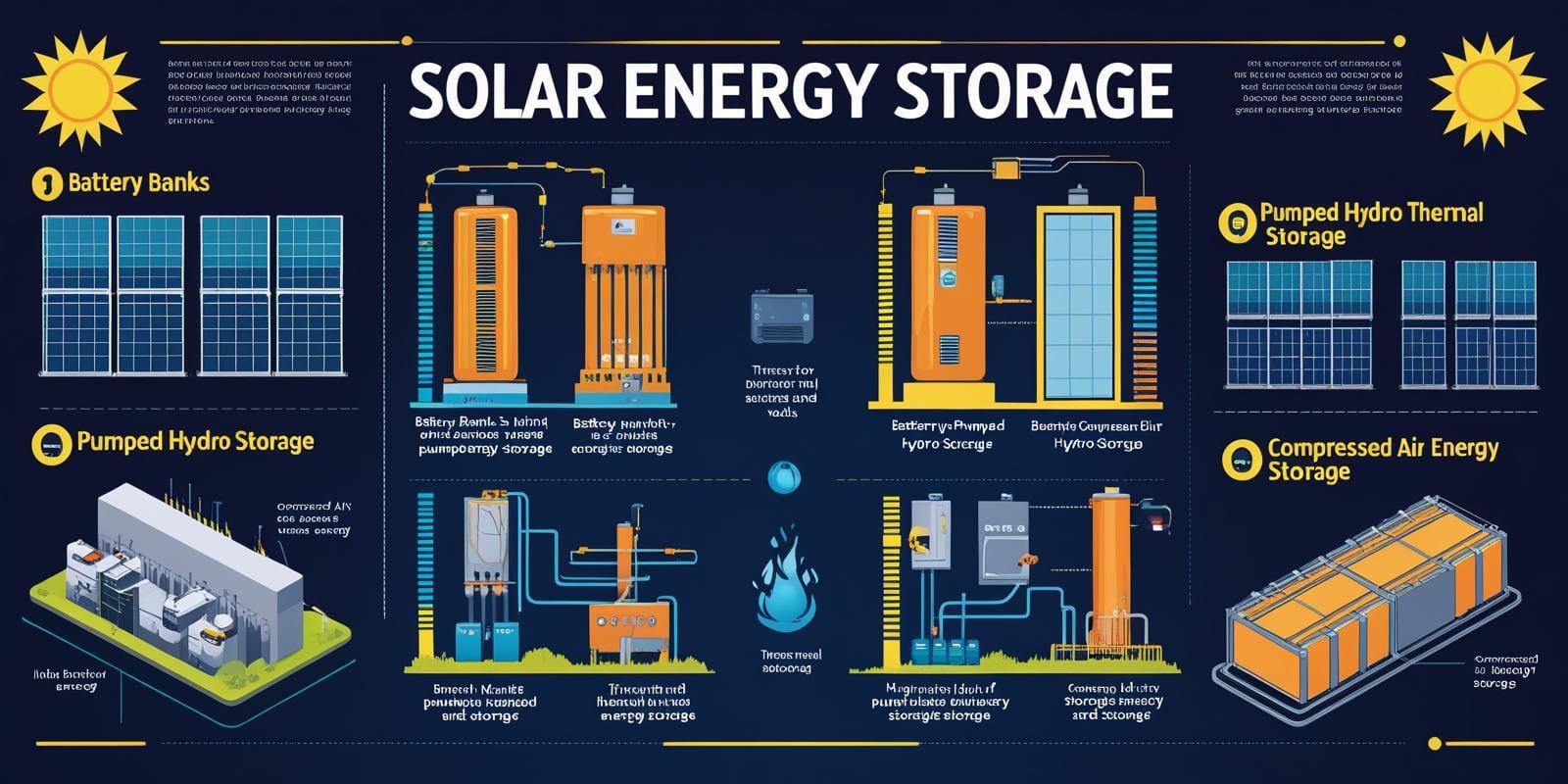
Solar energy is a powerful resource. It needs proper storage to be useful. Different types of energy storage systems help in this process. Each system has unique features. Let’s explore the main types: batteries, thermal storage, and mechanical storage.
Batteries
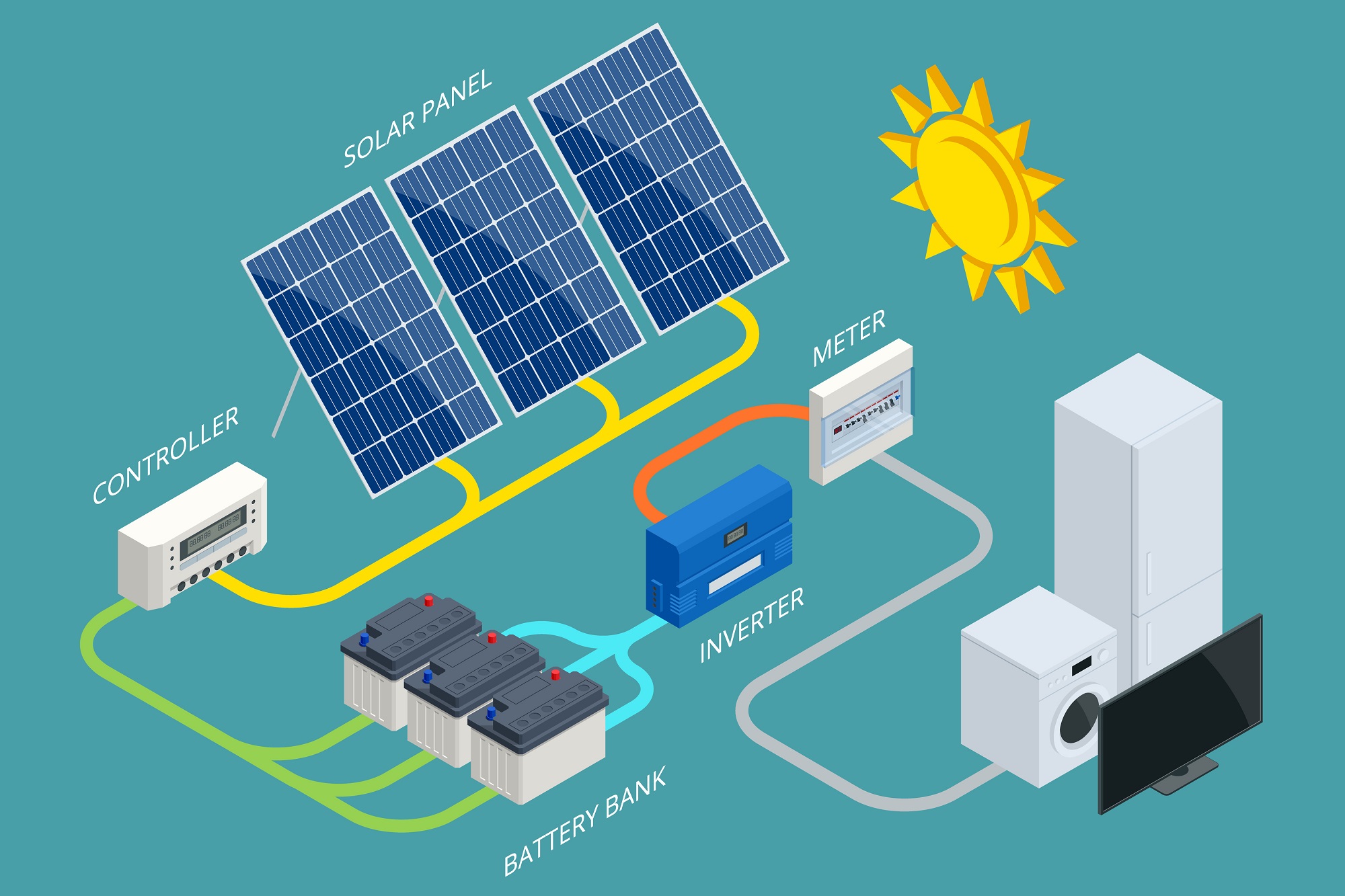
Batteries are the most common energy storage systems. They store electricity generated by solar panels. Lithium-ion batteries are popular for their efficiency. They charge quickly and provide energy on demand. Other types include lead-acid and flow batteries. Each type has its own benefits and drawbacks.
Thermal Storage
Thermal storage uses heat to store energy. It captures solar heat during the day. This heat can be used later to produce electricity or heat. Systems like molten salt are often used. They can store large amounts of heat energy. This method is effective for large-scale solar plants.
Mechanical Storage
Mechanical storage systems use physical methods to store energy. One common type is pumped hydro storage. Water is pumped uphill when energy is available. It flows down to generate electricity when needed. Other methods include flywheels and compressed air systems. These systems are efficient and reliable for energy storage.
Battery Technology For Solar Power
Storing solar energy is essential for using it later. Battery technology plays a vital role in this process. Different types of batteries store energy in unique ways. Each type has its benefits and drawbacks. Understanding these batteries helps us choose the right one for our needs.
Lithium-ion Batteries
Lithium-ion batteries are popular for solar energy storage. They are lightweight and compact. This makes them easy to install and use. They charge quickly and have a long lifespan. Many homeowners choose these batteries for their efficiency.
These batteries can handle many charge cycles. They lose less energy during storage. This means more energy is available when needed. Their higher energy density allows for more storage in smaller spaces. This is a key advantage for many users.
Lead-acid Batteries
Lead-acid batteries are another common option. They have been around for a long time. These batteries are often cheaper than lithium-ion batteries. They are reliable and can deliver high bursts of power. This makes them suitable for certain applications.
However, lead-acid batteries have a shorter lifespan. They require regular maintenance. Users need to check water levels and connections often. They are also heavier and bulkier than lithium-ion batteries. This can be a drawback for some users.
Flow Batteries
Flow batteries are less common but gaining attention. They store energy in liquid electrolytes. This allows for easy scaling of storage capacity. Flow batteries can last a long time and have a long cycle life.
They are less prone to overheating. This makes them safe for larger applications. However, flow batteries can be more expensive to install. Their size and complexity may not suit every user.
Thermal Energy Storage Methods
Solar energy can be stored using thermal energy storage methods. These methods capture heat from the sun, allowing it to be used later. This process helps provide energy even when the sun isn’t shining.
Thermal energy storage methods play a vital role in maximizing the efficiency of solar energy systems. By capturing excess heat produced during sunny days, these methods allow for energy use even when the sun isn’t shining. This capability not only enhances energy reliability but also provides a sustainable solution for managing energy demands.
Molten Salt Systems
Molten salt systems are a popular choice for storing thermal energy. They work by heating a mixture of sodium nitrate and potassium nitrate to high temperatures. This heated salt can store energy for hours, even days, allowing for a consistent energy supply. Benefits of Molten Salt Systems: – High energy storage capacity – Cost-effective for large-scale applications – Long storage duration without significant heat loss Many solar power plants, like the Crescent Dunes Solar Energy Project, utilize molten salt systems. They can generate electricity even when the sun sets, proving their reliability. Have you considered how this technology impacts energy costs for consumers?
Phase Change Materials
Phase change materials (PCMs) offer another innovative approach to thermal energy storage. These materials absorb and release heat as they change from solid to liquid and back again. This phase change occurs at specific temperatures, making them ideal for maintaining consistent temperatures. Advantages of Phase Change Materials: – Compact size, requiring less space – Enhanced energy efficiency – Ability to maintain stable temperatures PCMs can be found in everyday products, like thermal energy storage bricks used in buildings. They help regulate indoor temperatures, making homes more energy-efficient. Imagine the savings on your energy bill with such technologies at your fingertips. Understanding these storage methods can empower you to make informed choices about solar energy solutions. Which method resonates with your vision for a sustainable future?
Credit: www.intermtnwindandsolar.com
Mechanical Storage Solutions
Mechanical storage solutions play a key role in storing solar energy. These systems, like batteries and flywheels, capture energy for later use. They help balance energy supply and demand, making solar power more reliable for everyday needs.
Mechanical storage solutions play a crucial role in managing solar energy. They offer effective ways to store energy for later use, ensuring that power is available even when the sun isn’t shining. Let’s dive into some common mechanical storage methods that are making a difference in renewable energy.
Pumped Hydro Storage
Pumped hydro storage is one of the oldest and most efficient forms of energy storage. It works by using excess solar energy to pump water uphill to a reservoir. When energy is needed, the stored water is released back down, spinning turbines to generate electricity. This method can store large amounts of energy and has been used for decades. Did you know that pumped hydro accounts for about 95% of the world’s energy storage capacity? It’s an effective solution, but it requires specific geographical conditions like mountains and large water bodies.
Compressed Air Energy Storage
Compressed air energy storage (CAES) captures excess solar energy by compressing air in underground caverns or tanks. When energy demand spikes, the compressed air is released, driving turbines to produce electricity. CAES systems can be built at a lower cost compared to pumped hydro. They also have the flexibility to be located in various environments, making them a viable option for many regions. Have you ever thought about how this method can help balance energy supply and demand? As the grid becomes more reliant on renewables, CAES will play an increasingly important role.
Flywheel Systems
Flywheel systems store energy in a rotating mass. When there’s excess solar power, the flywheel accelerates, storing that energy as kinetic energy. When energy is needed, the flywheel slows down, converting the kinetic energy back to electricity. This system offers quick response times, making it ideal for stabilizing the grid. One remarkable feature of flywheels is their longevity. They can last for decades with minimal maintenance. Have you considered how this technology could transform energy storage in your community? Mechanical storage solutions like pumped hydro, compressed air, and flywheel systems provide reliable ways to harness solar energy effectively. By understanding these methods, you can appreciate the advancements in renewable energy and their potential impact on our future.
Innovations In Solar Energy Storage
Solar energy storage captures sunlight for later use. New technologies, like advanced batteries and thermal storage, improve efficiency. These innovations help us use solar power even when the sun isn’t shining, making energy more reliable.
Innovations in solar energy storage are transforming how we harness and utilize solar power. As the demand for renewable energy grows, advancements in storage technology ensure that solar energy is available even when the sun isn’t shining. These innovations are not just technical improvements; they can significantly impact your energy independence and sustainability goals.
Next-generation Battery Materials
The future of solar energy storage largely depends on the materials used in batteries. Traditional lithium-ion batteries have served us well, but they come with limitations, including high costs and environmental concerns. Researchers are now exploring alternatives like solid-state batteries. These batteries use solid materials instead of liquid electrolytes, leading to higher energy densities and improved safety. Consider sodium-ion batteries as another promising option. Sodium is abundant and cheaper than lithium. This shift could lower costs and make solar energy even more accessible for everyone.
Hybrid Storage Solutions
Hybrid storage solutions combine different technologies to maximize efficiency and reliability. By integrating batteries with other storage methods, such as pumped hydro or thermal storage, you can enhance energy availability. Imagine having a solar system that not only stores energy in batteries but also heats water for your home. This system can provide hot water when you need it, even on cloudy days. Such solutions could be a game changer for your energy needs. They offer flexibility and can adapt to various usage patterns. As you consider solar energy for your home or business, think about how these innovations in storage can enhance your experience. Are you ready to embrace the future of energy?
Challenges In Solar Energy Storage
Storing solar energy is not easy. Several challenges affect its efficiency and use. Understanding these challenges helps improve solar technology.
Cost Efficiency
The cost of solar energy storage is high. Many storage systems require expensive materials. This increases the overall cost of solar energy. Homeowners and businesses face tough choices. They must decide if the investment is worth it.
Battery prices can fluctuate. Some systems may not offer good long-term savings. Lowering these costs is crucial for wider adoption. People need affordable solutions for solar storage.
Scalability Issues
Scalability is a significant concern. Many storage solutions are not easy to expand. This limits their use in larger projects. As demand grows, systems must adapt quickly. Current technologies struggle to keep pace.
Some systems work well for homes. They may not fit larger needs. Finding scalable solutions is essential for future growth.
Environmental Impact
Solar energy storage can harm the environment. Many batteries contain toxic materials. Improper disposal can lead to pollution. This raises concerns about sustainability.
Recycling options for batteries are limited. Finding eco-friendly materials is vital. The goal is to make storage solutions greener.
Future Trends In Solar Storage
Solar energy storage is evolving rapidly. New technologies like batteries and thermal storage are becoming more efficient. These methods help capture and hold energy for later use, making solar power more reliable and accessible. Future trends suggest even better solutions to store energy sustainably.
The future of solar energy storage is bright, with innovative technologies and smart systems poised to transform how we harness and use solar power. As the demand for renewable energy increases, advancements in storage solutions will play a crucial role in making solar energy more reliable and accessible. Let’s dive into some of the key trends shaping this exciting landscape.
Grid-scale Storage
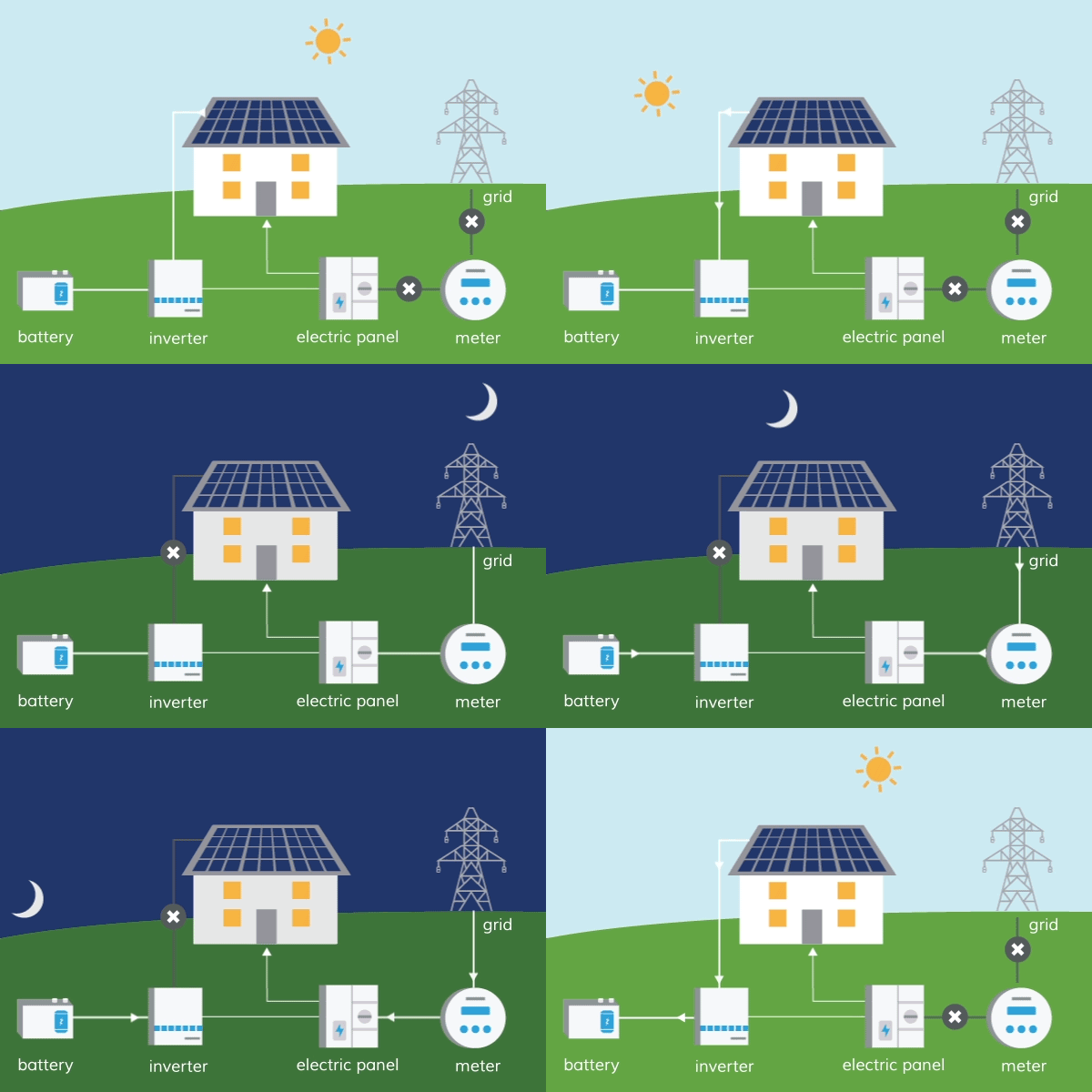
Grid-scale storage systems are becoming essential for balancing energy supply and demand. These large-scale batteries can store surplus energy generated during sunny periods and release it during high-demand times. – Lithium-ion Batteries: These are the most common type, providing efficient and scalable solutions for energy storage. – Flow Batteries: Offering longer discharge times, flow batteries are ideal for storing energy over extended periods. – Pumped Hydroelectric Storage: This method uses excess energy to pump water uphill, which can later be released to generate electricity when needed. Are you ready to see how your community could benefit from these large-scale systems?
Smart Energy Systems
Smart energy systems integrate renewable sources with advanced technologies to optimize energy use. These systems can communicate with each other, ensuring that energy is stored and distributed efficiently. – Energy Management Systems (EMS): These platforms allow users to monitor and control their energy consumption in real time. – Microgrids: They can operate independently from the main grid, providing local energy resilience while maximizing the use of solar power. Imagine having a smart home that adjusts its energy use based on solar production. Wouldn’t that make you feel empowered?
Artificial Intelligence Integration
Artificial intelligence (AI) is becoming a game-changer in solar energy storage. AI algorithms can predict energy production and consumption patterns, helping optimize storage and usage. – Predictive Analytics: AI can analyze weather data to forecast solar energy production, allowing for better planning and storage. – Automated Systems: These can adjust battery charging and discharging in real time, enhancing efficiency and reducing costs. Consider how AI could make solar energy not just smarter but also more user-friendly. Would you trust AI to manage your energy needs? As these trends continue to evolve, the potential for solar energy storage will only grow. Staying informed and engaged with these advancements can help you make informed decisions about your energy future.
Credit: www.bullsbattery.com
Conclusion
Storing solar energy is essential for using it efficiently. Several methods, like batteries and thermal storage, help keep energy for later use. Each method has its benefits and challenges. Understanding these options can guide your choices. As solar technology advances, storage solutions will improve too.
This makes solar energy more reliable for everyone. Embracing these technologies will lead to a brighter, sustainable future. Explore your options today for a better tomorrow.