
An altitude derating factor for generator systems reduces a unit’s power output because thinner air provides less oxygen.
During my years working in remote field operations, I learned the hard way that a generator rated for sea level often fails to handle the same load at high elevations. It is a common mistake for project managers to assume their equipment will perform identically regardless of the geography. Understanding the altitude derating factor for generator capacity is not just technical jargon; it is the difference between a smooth operation and a total system shutdown. This guide will walk you through the physics behind this loss and how to calculate the correct sizing for your needs.

Source: masteraire.com
Why Altitude Affects Generator Performance
When a generator engine runs, it requires a specific air to fuel ratio to achieve complete combustion. As you move to higher altitudes, the barometric pressure drops, which means the air becomes less dense. This reduction in air density provides fewer oxygen molecules for the combustion process, preventing the engine from generating the same amount of power it would at sea level.
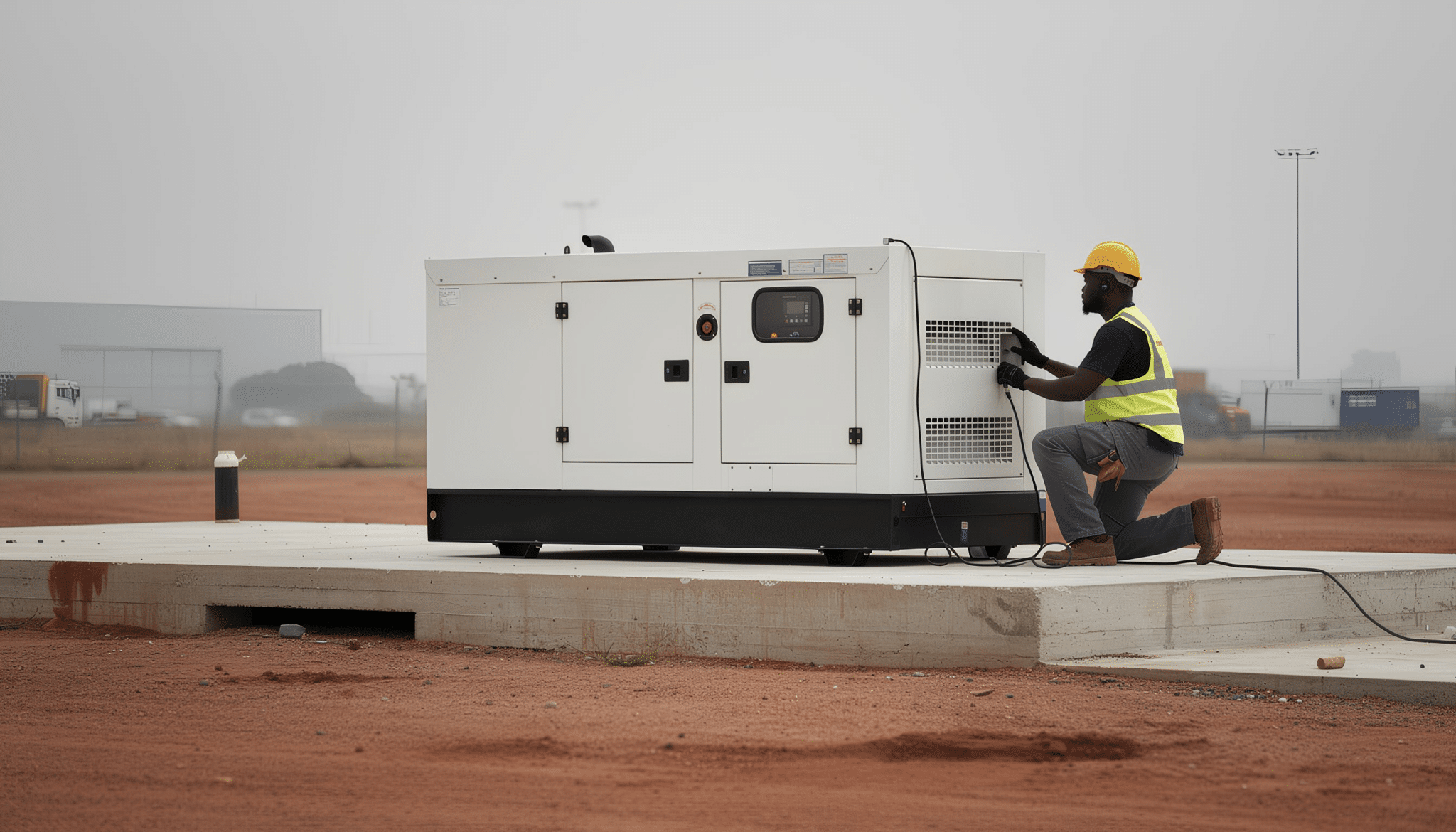
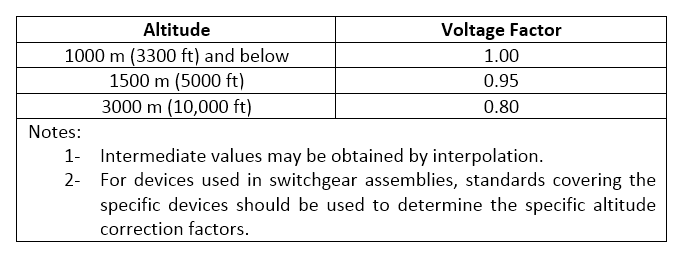
Engineers generally apply an altitude derating factor for generator units because cooling systems also struggle in thin air. Lower air density makes it harder for the radiator to dissipate heat effectively, potentially leading to overheating. Most manufacturers provide specific charts that list the percentage of power reduction expected for every thousand feet above sea level. Ignoring these specifications often leads to premature engine wear or frequent stalling under heavy loads.
Source: co.za
How to Calculate Power Loss
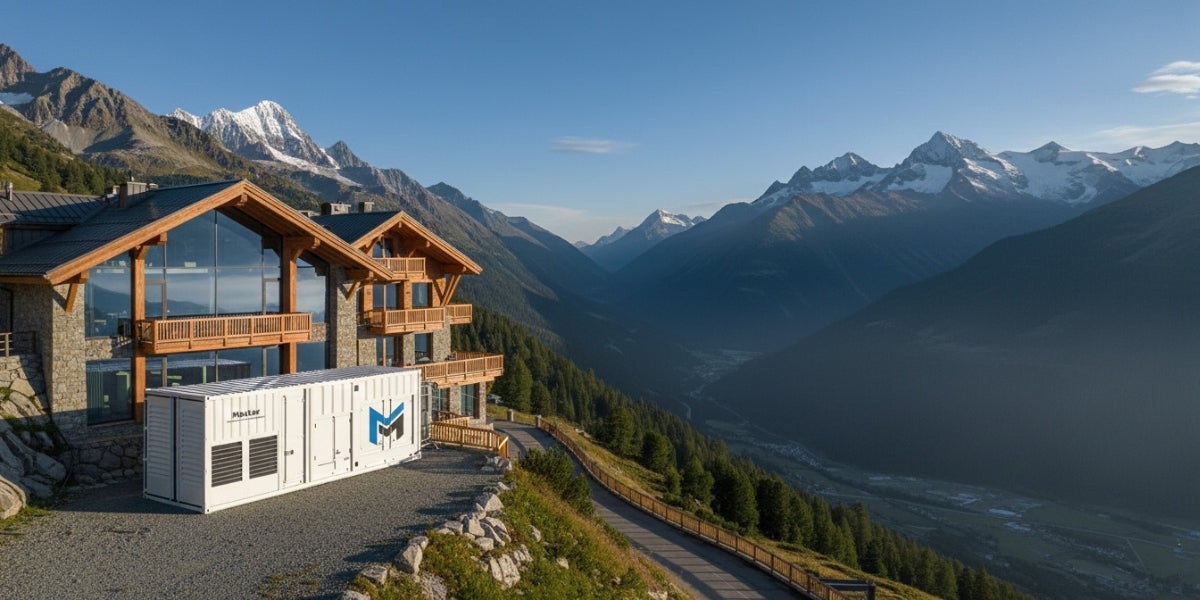
Calculating the required capacity is a vital step in project planning. Most manufacturers suggest a standard loss of about three percent of rated power for every one thousand feet above sea level. This calculation ensures that the equipment can handle your site demands without being pushed to the point of failure.
To determine your specific needs, follow these logical steps:
- Identify the baseline power rating of the generator as specified by the manufacturer at sea level.
- Determine the exact elevation of your work site using a GPS tool or topographic map.
- Apply the altitude derating factor for generator standards provided in your owner manual.
- Subtract the estimated power loss from the total rated capacity to find the usable output.
- Confirm that your peak load remains below this adjusted usable output to maintain safety.
Source: masteraire.com
Practical Tips for High Altitude Operations
In my experience, simply buying a larger unit is not always the best solution. Sometimes, small mechanical adjustments can help mitigate the effects of thin air. For instance, some diesel engines can be equipped with turbochargers that compress the intake air, effectively mimicking the density of lower altitudes.
Here are a few professional insights for managing your equipment in thin air:
- Monitor exhaust temperature carefully, as high altitudes can cause unusual burn patterns within the engine.
- Service the air filters more frequently because dusty conditions at high altitudes can further choke an engine already starving for oxygen.
- Use synthetic lubricants that perform well across a wider range of temperatures, as high-altitude regions often experience extreme swings.
- Consult with the manufacturer before making any modifications to the fuel delivery system to avoid voiding your warranty.
Source: nepsi.com
Frequently Asked Questions of Altitude Derating Factor For Generator
Does the altitude derating factor for generator performance apply to all engine types?
Yes, both diesel and gasoline engines suffer from power loss at high altitudes due to reduced oxygen density. However, the exact percentage of loss can vary slightly depending on the specific engine design and fuel delivery technology.
At what elevation does the altitude derating factor for generator capacity begin to matter?
Most manufacturers require adjustments once you surpass one thousand feet above sea level. While the loss is negligible at lower elevations, it becomes significant and measurable as you climb higher.
Can a turbocharger eliminate the need for an altitude derating factor for generator sizing?
A turbocharger significantly improves high-altitude performance by forcing more air into the combustion chamber. Even with a turbocharger, you should check the manufacturer’s specific derating curves, as some power loss may still occur.
Does cold weather at high altitude change the altitude derating factor for generator needs?
Cold air is denser than warm air, which can slightly offset some power loss caused by high altitude. Despite this, you must always rely on the official derating documentation rather than assuming the temperature will compensate for the elevation.
What happens if I ignore the altitude derating factor for generator requirements?
Running a generator beyond its derated capacity will cause the engine to labor, overheat, and potentially fail under heavy loads. Over time, this practice leads to expensive repairs and drastically shortens the overall lifespan of the generator.
Conclusion
Understanding the impact of elevation on your machinery is essential for any professional working in mountainous or high-altitude regions. By respecting the altitude derating factor for generator output, you ensure your equipment operates reliably and lasts significantly longer. Always refer to your specific equipment manual for the most accurate derating curves, as these values can differ between brands. Take the time to calculate your power needs correctly today, and you will save yourself from costly downtime and repairs in the future. If you found this guide helpful, consider checking your manual or reaching out to a local technician to verify your setup before your next big project.