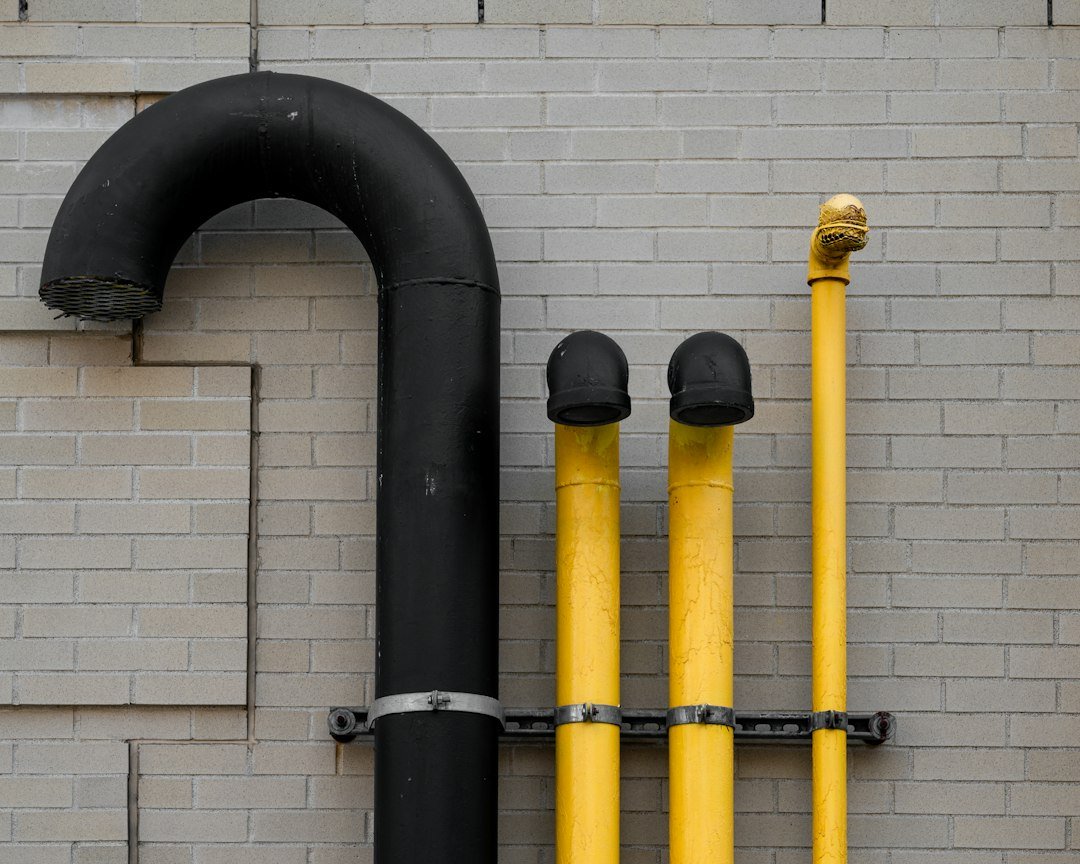
The 24kw Generac generator requires a 1-inch gas line for natural gas, or a 3/4-inch line for liquid propane.
Installing a high-capacity standby unit like the 24kw Generac is a major upgrade for any home, but getting the fuel delivery right is the most common hurdle I see during site assessments. I have spent years working with backup power systems, and I can tell you that assuming the existing pipe size is sufficient is the quickest way to end up with a generator that struggles to start or shuts down under load. If you are planning to install this powerhouse, you need to understand that the 24kw Generac generator gas line size is not just a suggestion; it is a critical specification determined by the pressure drop of the fuel as it travels from your meter to the unit. Miscalculating this can starve the engine of the fuel it needs to output its full 24,000 watts.
Source: zillerelectric.com
Why Proper Gas Line Sizing Matters
When you push a 24kw generator to its limit, the engine demands a massive volume of fuel in a very short window of time. If the gas line is too small, the gas pressure will drop significantly before it reaches the generator intake. This is known as pressure starvation. In my experience, homeowners often try to use their existing 1/2-inch or 3/4-inch lines, thinking it will be fine. However, those smaller lines simply cannot move the cubic feet per hour required by such a large engine.
Using an undersized pipe causes the generator to hunt for fuel, which results in unstable voltage, frequent engine stalls, or even permanent damage to the internal components. It is far more cost-effective to install the correct pipe diameter during the initial setup than to rip out drywall or concrete later because the generator keeps throwing low-fuel warnings. Always prioritize the manual specifications over convenience.

Source: reddit.com
Natural Gas Versus Liquid Propane Requirements
The gas line sizing varies drastically depending on whether you are using natural gas or liquid propane. Natural gas has a lower energy density than propane, meaning the engine needs a much higher volume of it to generate the same amount of power. Consequently, a 24kw Generac generator gas line size for natural gas is typically recommended at 1 inch. If you are running a very long distance from the meter to the generator, you might even need to step up to 1.25 inches to compensate for friction losses.
Liquid propane is more energy-dense, so the system can operate effectively with a 3/4-inch line in most residential scenarios. However, you must still account for the total length of the pipe run. If your propane tank is located more than 50 or 100 feet away from the unit, you may need to increase the diameter to ensure the regulator receives sufficient pressure. Never guess these measurements; use a standard pipe sizing chart based on the generator’s BTU rating.
Source: zillerelectric.com
Factors Influencing Pipe Diameter
Determining the right pipe size involves more than just looking at the manufacturer’s minimum requirement. You have to consider the cumulative demand of every appliance currently connected to your gas system. If your home already has a gas furnace, a tankless water heater, and a gas stove, the total load might be pushing your main gas meter to its capacity. Before settling on the 24kw Generac generator gas line size, check if your utility provider needs to upgrade your meter to a higher capacity model.
Another factor is the number of elbows and fittings used in the plumbing run. Every 90-degree elbow creates resistance, which acts like an extension of the pipe length in terms of pressure drop. My advice is to map out the path from the source to the generator and count every fitting. If you have a complex route with many bends, always go with the larger pipe diameter to ensure consistent flow performance.

Source: reddit.com
Frequently Asked Questions of 24kw Generac Generator Gas Line Size
Can I use a flexible gas connector for the final hookup?
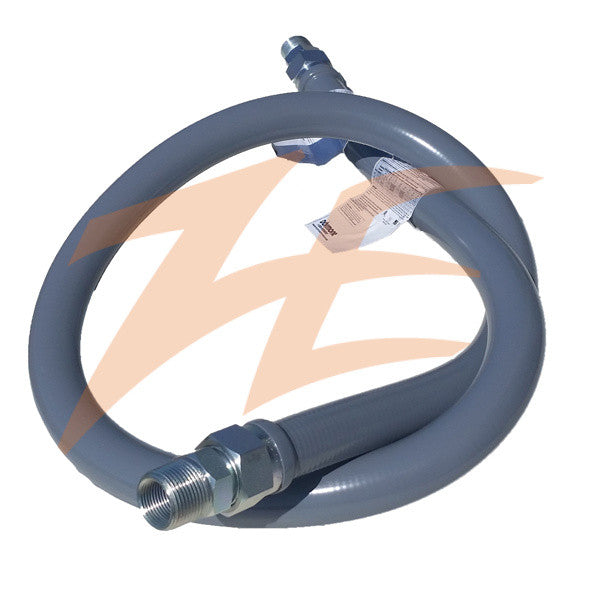
Yes, you should use a manufacturer-approved flexible gas connector at the very end of the installation to handle engine vibration. This connector should be sized appropriately to match the main supply line and must not be used to compensate for poor rigid piping work.
What happens if I install a line that is too small?
An undersized line will lead to significant pressure drops that starve the engine of fuel during high-load conditions. This usually causes the generator to shut down, display low-fuel errors, or produce unstable power that could harm your sensitive household electronics.
Does the distance from the meter affect the required pipe size?
Yes, the longer the distance the fuel has to travel, the more friction it encounters, which lowers the pressure. If your generator is located far from the meter, you must increase the pipe diameter to maintain the required pressure at the generator intake.
Should I hire a professional for the gas line installation?
It is highly recommended to hire a licensed plumber or gas technician to perform this work. They can accurately calculate the pressure drops and ensure the installation meets all local building codes and safety regulations.
Does the 24kw Generac have different requirements for altitude?
If you live at a high altitude, the air is thinner, which changes the fuel-to-air mixture ratio. While the gas line size remains standard, you may need a high-altitude kit to ensure the engine runs efficiently without wasting fuel.
Conclusion
Choosing the correct 24kw Generac generator gas line size is the most vital step in preparing your home for reliable backup power. By adhering to the recommended pipe diameters for your specific fuel type and accounting for distance and fitting resistance, you protect your investment and ensure that your generator performs exactly when you need it most. Do not cut corners on the fuel supply infrastructure, as it is the heartbeat of your standby system. Take the time to consult with a professional, check your local codes, and install the right materials today to enjoy years of uninterrupted electricity during the next outage. If you are ready to move forward, double-check your site plan and reach out to a certified technician to get the job done right.