
When the power goes out, having a generator can be a lifesaver for you and your family. But do you know the best way to use a generator for your house?
Understanding how to set it up and operate it safely can make all the difference in keeping your home comfortable and secure during an outage. We’ll share essential tips and tricks that will help you maximize your generator’s efficiency. Whether you’re a seasoned user or just starting out, you’ll find valuable insights to ensure you get the most out of your investment.
Keep reading to discover how to harness the full potential of your generator and keep your home running smoothly, no matter what!
Choosing The Right Generator
Choosing the right generator for your home is important. Think about your power needs and the size of your house. A well-chosen generator can keep your lights on and appliances running during outages. Consider fuel type and maintenance for the best results.
Choosing the right generator for your home is crucial. You want something that meets your power needs, fits your space, and aligns with your lifestyle. With so many options on the market, it can feel overwhelming. Let’s break it down into manageable parts.Portable Vs Standby Options
Portable generators are versatile and easy to move. They’re perfect for temporary power needs, like during camping trips or when your home experiences an outage. If you enjoy outdoor activities or need backup power occasionally, this option might suit you. Standby generators, on the other hand, are permanently installed and automatically kick in when the power goes out. They are ideal for homeowners who want peace of mind. You won’t have to worry about setting up your generator in the dark when storms hit. Consider your specific needs. Do you want a generator you can transport, or would you prefer a hassle-free standby option? Assess how often you need backup power and where you’ll use the generator most.Power Capacity Considerations
Power capacity is essential. You need to determine how much electricity your home requires during an outage. Start by listing all the essential appliances you want to keep running, such as: – Refrigerator – Lights – Heating or cooling systems – Medical devices Next, check the wattage each appliance uses. Add these numbers together to find your total power needs. Choosing a generator with a capacity slightly above your total is wise. This ensures you have enough power without overloading the generator. Have you ever experienced a power outage? Imagine the peace of mind knowing your essential devices are running smoothly.Fuel Type Selection
Different generators run on various fuel types, including gasoline, propane, and natural gas. Each option has its pros and cons. Gasoline is often readily available and easy to refill. However, it has a shorter shelf life and can be tricky to store safely. Propane is cleaner and has a longer shelf life. It’s also more efficient for longer outages, but finding a refill station can be a concern in some areas. Natural gas provides a constant supply and is usually the most convenient for standby generators. But, it requires a connection to your home’s gas line. Reflect on your situation. What fuel sources are accessible in your area? Your choice here can affect your generator’s performance and reliability. Choosing the right generator is a blend of understanding your needs and the options available. With careful consideration, you can find the perfect match for your home.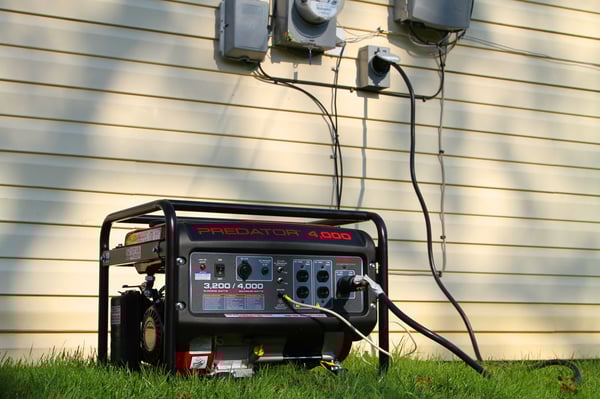
Credit: www.ecicomfort.com
Proper Installation Practices
Proper installation practices ensure safe and efficient use of generators for your home. Always follow the manufacturer’s instructions and local regulations. Regular maintenance and proper placement can enhance performance and extend the life of your generator. Safety first helps protect your home and family.
Proper installation practices for your generator are crucial for ensuring safety and efficiency. Taking the time to follow these guidelines can save you from potential hazards and ensure that your generator operates smoothly. Let’s dive into some essential practices that will help you set up your generator correctly.Safe Placement Guidelines
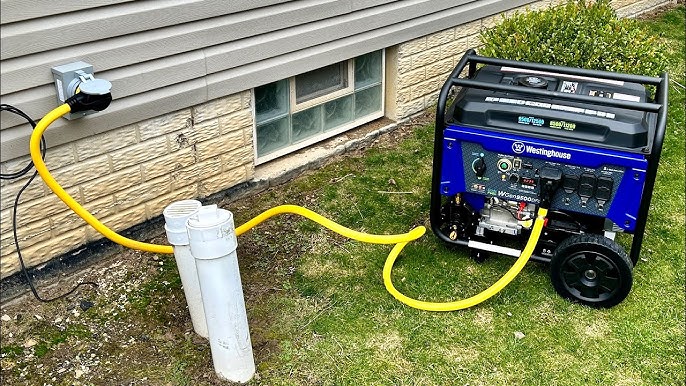
Choose a location that is dry and well-ventilated. Avoid placing the generator indoors or in an enclosed space, as this can lead to dangerous situations. Position it at least 20 feet away from your home to reduce the risk of carbon monoxide entering your living space. Make sure the area around the generator is free from debris, flammable materials, and any obstacles. This ensures that air can circulate freely and prevents any fire hazards.Professional Wiring And Connections
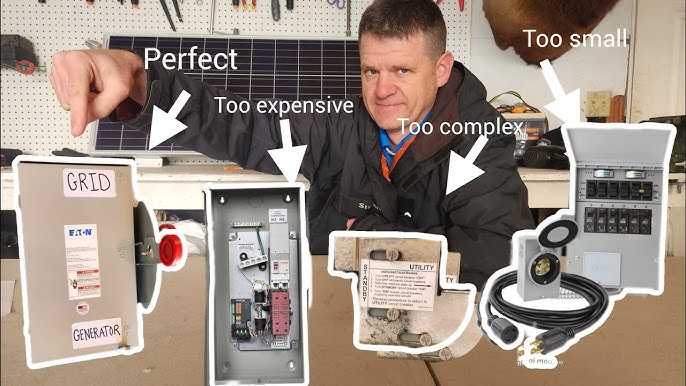
Don’t underestimate the importance of proper wiring. Always hire a licensed electrician to handle connections between your generator and home circuits. They will ensure that your generator is correctly linked to your electrical system, minimizing the risk of overloads. Using a transfer switch is essential. This device prevents backfeeding into the grid, which can cause serious safety risks for utility workers.Avoiding Carbon Monoxide Risks
Carbon monoxide is a silent killer. Install a battery-operated carbon monoxide detector inside your home to alert you to dangerous levels. Regularly check the generator’s exhaust system for any blockages. Even a small obstruction can lead to dangerous fumes entering your home. Consider investing in a generator with built-in safety features to automatically shut down in case of malfunction. Your safety should always come first. Have you checked your generator installation lately? Making small adjustments can greatly enhance your safety and efficiency.Efficient Operation Techniques
Using a generator at home can be efficient. Knowing how to operate it correctly makes a difference. Follow these techniques for better results. They help you save fuel and maintain your generator.
Load Management Tips
Managing load is essential for generator efficiency. Start by calculating your power needs. List all devices you want to run. Add up their wattage. Make sure not to exceed your generator’s capacity.
Use only necessary appliances during a power outage. Prioritize essential items like refrigerators and lights. Turn off non-essential devices. This prevents overloading and extends your generator’s life.
Optimizing Fuel Usage
Fuel efficiency is key to saving money. Keep your generator clean and well-maintained. Dirty filters and spark plugs waste fuel. Regularly check these parts and replace them as needed.
Run your generator at optimal power levels. Avoid running it at low loads. This can cause fuel to waste and increase emissions. Use the generator consistently for better fuel efficiency.
Scheduling Maintenance Checks
Regular maintenance keeps your generator in top shape. Schedule checks every six months. Inspect oil levels, air filters, and spark plugs. Change oil as per the manufacturer’s instructions.
Store your generator properly when not in use. Keep it in a dry, cool place. This helps prevent rust and damage. A well-maintained generator lasts longer and performs better.

Credit: blog.norwall.com
Emergency Preparedness
Preparing for emergencies helps keep your home safe. A generator can provide power during outages. Understanding how to use it correctly is essential. This section covers key steps for emergency preparedness.
Creating A Backup Power Plan
Start by identifying your power needs. List essential appliances that need backup power. Prioritize items like refrigerators, lights, and medical devices.
Decide how long you might need power. This helps determine the size of the generator. Choose a generator that meets your requirements.
Outline how to connect the generator. Use a transfer switch for safety. This prevents back-feeding into the grid.
Stocking Necessary Supplies
Gather supplies to support your generator during an outage. Stock enough fuel for at least three days. Keep fuel in a safe, approved container.
Have extension cords ready. Ensure they are heavy-duty and rated for your generator’s output. Store extra oil and filters for maintenance.
Include a flashlight, batteries, and first aid kit in your supplies. These items enhance your safety during emergencies.
Testing Generator Functionality
Regularly test your generator. Run it once a month to ensure it works well. Check for any unusual noises or leaks during operation.
Inspect the fuel system and connections regularly. Replace any worn parts to keep the generator safe. Keep a record of all tests and maintenance.
Practice your backup plan with family. Everyone should know how to operate the generator. This ensures a smooth process during an actual emergency.
Safety Precautions
Using a generator at home can be helpful. It provides power during outages. But safety is very important. Follow these precautions to stay safe.
Handling Electrical Hazards
Generators create a risk of electrical shock. Always keep the generator dry. Avoid using it in wet areas.
Use heavy-duty, outdoor-rated extension cords. Make sure they are in good condition. Check for frays or damage before use.
Do not plug the generator into a wall outlet. This can backfeed electricity into the grid. It poses risks to utility workers and your home.
Protecting Against Overloading
Generators have a power limit. Know the wattage of your generator. Do not exceed its capacity.
Make a list of essential appliances. Prioritize which ones to run. Use only the necessary devices at the same time.
Overloading can cause the generator to fail. It can also create a fire hazard. Monitor the load during use.
Storing Fuel Safely
Fuel is flammable. Store it in a cool, dry place. Keep it away from heat sources.
Use approved containers for storage. Label them clearly to avoid confusion. Never store fuel inside your home.
Check fuel for expiration. Old fuel can cause problems. Dispose of it properly when it’s no longer usable.
Credit: www.youtube.com
Frequently Asked Questions
How Do I Safely Use A Generator At Home?
To safely use a generator at home, ensure proper ventilation. Keep it outdoors to prevent carbon monoxide buildup. Use heavy-duty extension cords and avoid overloading circuits. Always follow the manufacturer’s guidelines and perform regular maintenance for optimal performance.
What Size Generator Do I Need For My House?
The size of the generator you need depends on your power requirements. Calculate the wattage of essential appliances you want to run. A generator between 5,000 to 7,500 watts is ideal for most homes. Always choose a generator with a little extra capacity for safety.
Can I Use A Generator Indoors?
No, you should never use a generator indoors. Generators emit carbon monoxide, a colorless and odorless gas that can be deadly. Always operate generators outside, at least 20 feet away from windows and doors. Proper ventilation is crucial for safety.
How Long Can A Generator Run Continuously?
Most portable generators can run continuously for 8 to 12 hours. This duration depends on the fuel capacity and load. Always check the manufacturer’s specifications for your specific model. Refueling is necessary to ensure uninterrupted power supply during outages.
Conclusion
Using a generator for your home can be simple. It provides power during outages and ensures comfort. Always choose the right size for your needs. Safety is key; follow guidelines and keep it outdoors. Regular maintenance keeps your generator running smoothly.
Store fuel safely and check for leaks. With proper use, a generator enhances your home’s reliability. You can enjoy peace of mind, even in storms. Choose wisely and stay prepared for any situation. Your home deserves the best power solution.