
When your generator refuses to start or runs poorly, one of the first things to check is the spark plug. It’s a small but crucial component that can make a big difference in performance.
But how do you know if your generator spark plug is bad? You might be surprised at how simple it is to identify the signs. We’ll guide you through the telltale symptoms of a faulty spark plug and provide easy troubleshooting tips.
By the end, you’ll feel confident in diagnosing your generator issues and know exactly what steps to take next. Let’s dive in and get your generator running smoothly again!
Credit: www.youtube.com
Signs Of A Faulty Spark Plug
Understanding the signs of a faulty spark plug is crucial for maintaining your generator’s performance. A bad spark plug can lead to poor ignition, resulting in inefficient operation or even complete failure. Recognizing the symptoms early can save you time and money in repairs.
Difficulty Starting The Generator
If your generator struggles to start, a faulty spark plug might be the culprit. You may notice it takes multiple attempts to get it running. This can be frustrating, especially when you need power quickly.
Rough Idling Or Running
Has your generator been running unevenly? If it sounds like it’s sputtering or idling roughly, check the spark plug. A bad plug can disrupt the fuel-air mixture, leading to inconsistent power output.
Decreased Power Output
Do you find your generator isn’t producing enough power for your needs? A weak spark plug can cause a drop in voltage and overall performance. This can be especially noticeable when you try to run multiple devices simultaneously.
Excessive Smoke Or Fumes
Are you seeing more smoke than usual? A failing spark plug can lead to incomplete combustion, resulting in excess smoke or fumes. This not only indicates a problem but can also pose health risks.
Visible Damage Or Wear
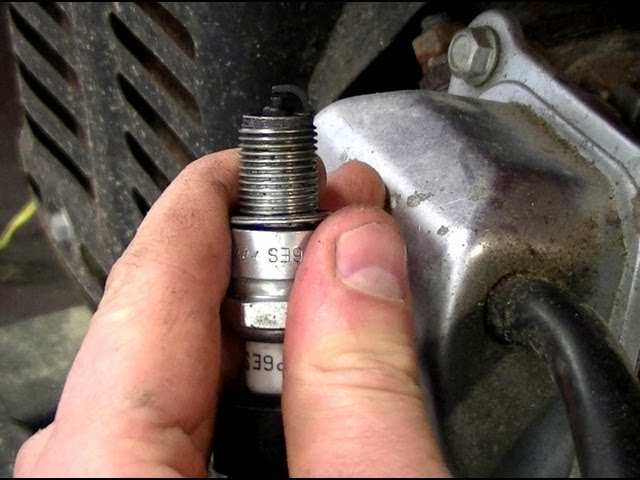
Inspect your spark plug regularly. Look for signs of wear, such as cracks or corrosion. A damaged spark plug can lead to a cascade of issues that affect your generator’s efficiency.
Increased Fuel Consumption
If you notice your generator is guzzling fuel, it could be due to a faulty spark plug. Inefficient combustion makes the engine work harder, leading to higher fuel usage. This not only drains your wallet but also reduces the generator’s overall lifespan.
Have you experienced any of these signs? Addressing a faulty spark plug promptly can help maintain the efficiency and longevity of your generator. Regular checks can save you from unexpected breakdowns and costly repairs.
Credit: www.autolite.com
Performance Issues
Performance issues can signal a bad spark plug in your generator. These problems affect how well the generator runs. Identifying these signs early can save you time and money.
Difficulty Starting The Generator
A generator that struggles to start may have a bad spark plug. You might hear the engine cranking but not firing. This issue can lead to frustration during power outages.
Check the spark plug for dirt or wear. Clean or replace it to see if starting improves. A worn spark plug makes it hard for the engine to ignite fuel.
Unstable Engine Operation
Does your generator run roughly or shake? Unstable operation can indicate a faulty spark plug. The engine may sputter or even stop running altogether.
Listen for unusual noises while it runs. These sounds can signal issues with the spark plug. Inspect it for cracks or damage to ensure smooth operation.
Reduced Power Output
Notice less power from your generator? Reduced output often points to a bad spark plug. Your appliances may not run efficiently or may shut off unexpectedly.
Check the spark plug’s condition. A poor spark can lead to weak engine performance. Replacing the spark plug can restore the generator’s power.
Visual Inspection Clues
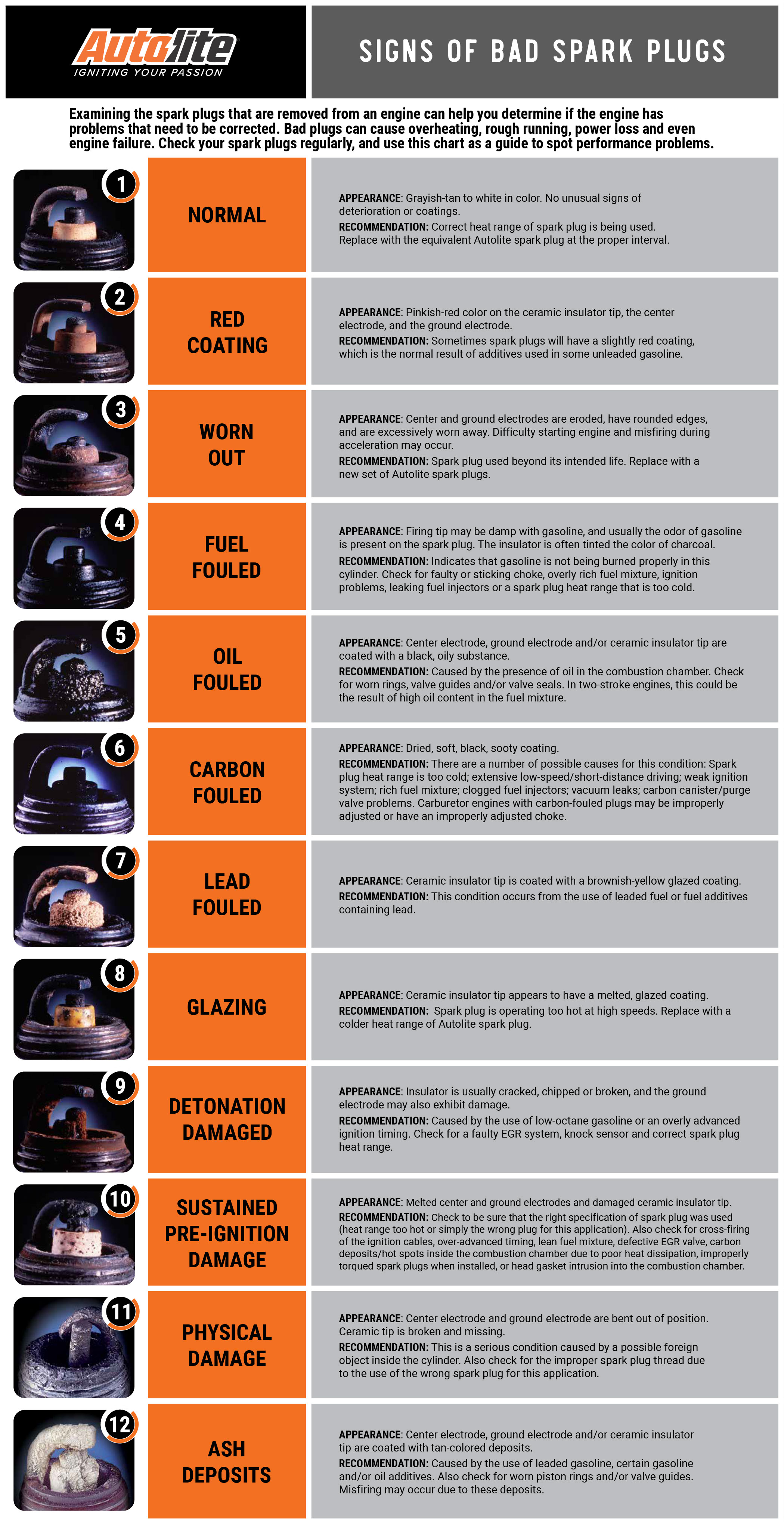
Check the spark plug for signs of wear or damage. Look for carbon buildup, cracks, or corrosion. These clues can indicate a bad spark plug that needs replacement.
Visual inspection is a crucial first step in determining if your generator’s spark plug is malfunctioning. By closely examining the spark plug, you can spot warning signs that indicate it may be time for a replacement. Let’s dive into some specific visual clues that can help you assess the condition of your spark plug.
Damaged Electrodes
One of the first things to check is the condition of the electrodes. Look for any signs of physical damage. – Are they broken or chipped? – Do they look uneven? Damaged electrodes disrupt the spark, leading to poor engine performance. If you notice any abnormalities, it’s a clear signal that your spark plug needs attention.
Excessive Carbon Buildup
Next, examine the spark plug for excessive carbon buildup. A plug that is covered in black soot is usually a bad sign. This carbon accumulation can indicate that the engine is running too rich, meaning it’s burning too much fuel. – Run your fingers over the plug; does it feel gritty? – Are there thick deposits that prevent a clear spark? If the buildup is significant, it could lead to ignition issues, making it essential to clean or replace the spark plug.
Cracks Or Wear
Lastly, inspect the spark plug for any visible cracks or signs of wear. – Look closely at the ceramic insulator; is it intact? – Are there any signs of wear on the body? Cracks can lead to misfiring and can compromise the efficiency of your generator. If you spot any damage, it’s best to swap out the spark plug to ensure optimal performance. Taking the time to visually inspect your generator’s spark plug can save you from bigger issues down the road. Have you ever had to replace a spark plug? What clues led you to that decision?
Unusual Sounds Or Smells
Noticing strange sounds or smells from your generator can signal issues. These signs often point to a bad spark plug. Catching these early can save you time and money.
Engine Misfiring Sounds
Listen closely to your generator’s engine. Misfiring sounds can indicate a problem. You may hear popping or sputtering noises. These sounds often mean the spark plug is not working well.
Check for a steady hum from the engine. A smooth sound means the spark plug is likely fine. If you hear irregular noises, it may be time to inspect further.
Burning Odor
A burning smell is another red flag. This odor can suggest an overheating spark plug. If the spark plug is damaged, it may cause excessive heat.
Don’t ignore a burning smell. It can lead to more severe engine problems. Always check your generator for signs of wear and tear.
Fuel Consumption Changes
Fuel consumption changes can signal a problem with your generator’s spark plug. A faulty spark plug affects how well the engine runs. This can lead to higher fuel usage and poor performance.
Signs Of Increased Fuel Usage
Watch for unusual spikes in fuel consumption. If your generator uses more fuel than before, check the spark plug. A bad spark plug can cause the engine to work harder.
Difficulty Starting The Generator
Hard starts can indicate spark plug issues. When a spark plug is bad, the engine struggles to start. This may lead to using more fuel during attempts to start it.
Unstable Engine Performance
An unstable engine can waste fuel. If your generator runs rough or sputters, inspect the spark plug. A faulty plug can disrupt the fuel-air mixture, causing inefficiency.
Frequent Refueling
Having to refuel often is a clear warning. Increased trips to the fuel station mean something is wrong. Check the spark plug for wear or damage to resolve this issue.
Checking Spark Plug Condition
Examine the spark plug for signs of wear. Look for carbon buildup or damage on the electrode. A clean and functional spark plug helps maintain fuel efficiency.
Testing The Spark Plug
Testing the spark plug is crucial for ensuring your generator runs smoothly. A faulty spark plug can lead to poor performance or even complete failure. Knowing how to test this small yet essential component can save you time and money.
Using A Spark Plug Tester
A spark plug tester is a handy tool that makes testing simple. It connects directly to your spark plug and allows you to check for spark generation.
- Remove the spark plug from your generator.
- Attach the spark plug tester to the lead wire.
- Crank the generator to see if a spark is produced.
If you see a bright blue spark, your spark plug is likely in good condition. A weak or yellow spark indicates a problem. Consider replacing the spark plug to restore optimal performance.
Checking Spark Strength
Another effective method is to check the spark strength directly. After removing the spark plug, place it on a grounded surface while still connected to the wire.
- Crank the generator and observe the spark.
- A strong, consistent spark means the plug is functioning well.
- No spark or an inconsistent one suggests it’s time for a replacement.
Take note of any differences in spark appearance. A weak spark can also indicate issues with the ignition system. Your generator may stall or fail to start if the spark is insufficient.
Have you ever faced starting issues with your generator? Testing the spark plug could provide the answer. Understanding these testing methods empowers you to tackle generator issues with confidence.
Preventative Maintenance
Preventative maintenance keeps your generator running well. It helps avoid bigger problems. Checking the spark plug is essential. A bad spark plug can cause issues. Regular care will extend the life of your generator.
Regular Cleaning And Inspection
Clean your generator often. Dust and dirt can build up quickly. Remove debris from the spark plug area. Inspect the spark plug for wear. Look for cracks or corrosion. A clean spark plug helps ensure good performance.
Check the spark plug gap. The gap should match the manufacturer’s recommendations. Use a feeler gauge for accuracy. This simple step can improve efficiency.
Replacing Worn Spark Plugs
Replace spark plugs as needed. A worn spark plug can cause starting issues. Follow the manufacturer’s guidelines for replacement intervals. Typically, every 100 hours of use is a good rule.
Choose the right spark plug type. Using the correct plug ensures optimal performance. Installing a new spark plug can restore engine power. It also improves fuel efficiency.

Credit: www.reddit.com
Frequently Asked Questions
How Can I Tell If My Generator Spark Plug Is Bad?
You can identify a bad spark plug by checking for signs like rough engine performance, difficulty starting, or excessive fuel consumption. Additionally, inspect the spark plug for carbon buildup, damage, or corrosion. Regular maintenance can help prevent these issues and ensure your generator runs smoothly.
What Are The Symptoms Of A Faulty Spark Plug?
Common symptoms of a faulty spark plug include poor engine performance, hard starting, and decreased fuel efficiency. You might also notice unusual engine noises or vibrations. Addressing these symptoms promptly can save you from more significant generator issues down the road.
How Often Should I Replace My Generator Spark Plug?
It’s recommended to replace your generator spark plug every 100-200 hours of operation or once a year, whichever comes first. Regular replacement helps maintain optimal performance and efficiency. Always refer to your generator’s manual for specific recommendations tailored to your model.
Can A Bad Spark Plug Damage My Generator?
Yes, a bad spark plug can lead to severe engine damage. It can cause misfiring, which may result in increased wear on engine components. Ignoring spark plug issues can lead to costly repairs and decreased generator lifespan, so timely replacement is crucial.
Conclusion
A bad generator spark plug can cause many problems. Signs include difficulty starting, rough running, and decreased power. Checking the spark plug regularly can help prevent issues. Clean or replace it if you notice any damage. This simple maintenance task keeps your generator running smoothly.
Follow these steps to ensure your equipment works well. Keeping your spark plug in good shape saves you time and stress. Stay alert for signs of wear. A little attention goes a long way in generator care.