
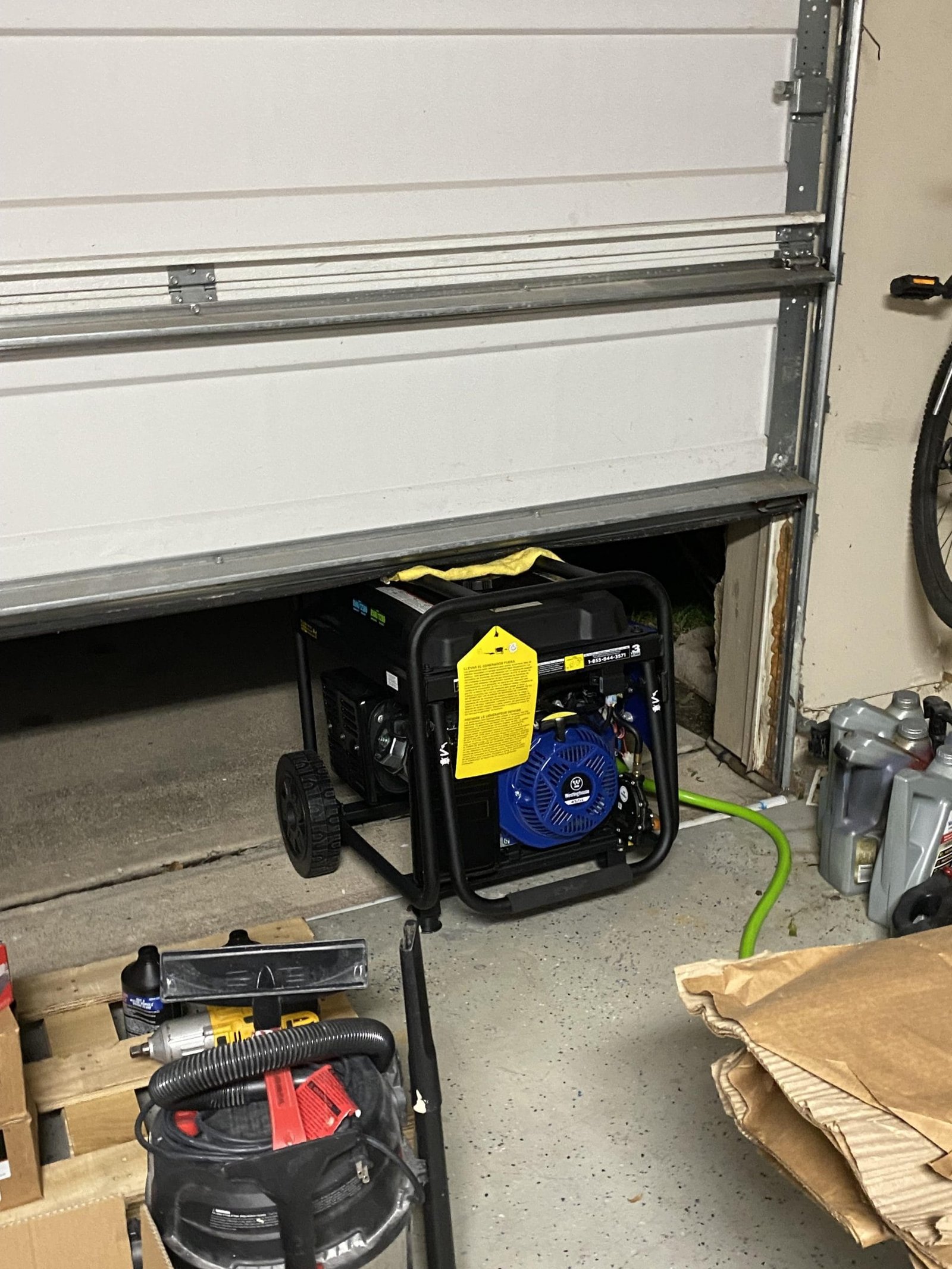
When the power goes out, a generator can be a lifesaver. But have you ever wondered if it’s safe to run a generator in your garage?
You might think that keeping it indoors is a convenient option, but there are serious risks involved. This article will walk you through the dangers of running a generator in such an enclosed space and offer safe alternatives. Your safety is paramount, and understanding the risks can help you make informed decisions.
Keep reading to ensure you protect yourself and your loved ones while still getting the power you need.
Risks Of Running A Generator In A Garage
Running a generator in a garage can be very dangerous. It produces harmful carbon monoxide gas, which can build up quickly in enclosed spaces. Always use generators outdoors, away from windows and doors, to prevent serious health risks. Safety should always come first.
Running a generator in a garage may seem like a convenient solution for power outages. However, the risks involved are substantial and can pose serious threats to your safety and health. Understanding these dangers is essential if you want to keep yourself and your loved ones safe.Carbon Monoxide Poisoning
One of the biggest risks is carbon monoxide (CO) poisoning. Generators emit this colorless, odorless gas, which can build up quickly in enclosed spaces. Just last winter, a family in my neighborhood faced a tragic incident after running their generator in the garage. They thought it would be fine to keep the door slightly open, but it wasn’t enough. The consequences were devastating. CO can incapacitate you in minutes.Fire Hazards
Generators can also be a fire hazard. They produce heat and sparks, which can ignite flammable materials nearby. Consider what’s in your garage. Gasoline cans, paint thinners, and other chemicals are common culprits. Always position your generator outside, away from anything that could catch fire.Electrical Risks
Improper use of a generator can lead to electrical risks. Connecting it directly to your home’s electrical system without proper transfer switches can cause back-feed. This not only damages your generator but also poses a severe risk to utility workers trying to restore power. Have you checked your setup lately? It’s crucial to ensure everything is safe and compliant with regulations.Health Concerns
Using a generator in a confined space can lead to other health issues. Prolonged exposure to generator fumes can cause headaches, dizziness, and nausea. Think about your family’s well-being. Would you want to risk their health for the sake of convenience? Always prioritize safety over comfort. Being aware of these risks will help you make informed decisions. Your safety and that of your family should always come first.Carbon Monoxide Hazards
Running a generator in a garage can be very dangerous. Generators produce carbon monoxide, a harmful gas. This gas can build up quickly in enclosed spaces, leading to serious health risks or even death. Always use generators outdoors, away from windows and doors.
Stay safe.
Carbon monoxide is a silent killer. It’s a colorless, odorless gas that can quickly become deadly if a generator is running in a confined space like a garage. Understanding the hazards of carbon monoxide is crucial for your safety and the safety of those around you.Symptoms Of Carbon Monoxide Poisoning
Recognizing the symptoms of carbon monoxide poisoning can save your life. Common signs include: – Headaches – Dizziness – Weakness – Nausea or vomiting – Confusion – Shortness of breath These symptoms can easily be mistaken for other illnesses, which makes them particularly dangerous. If you experience any of these while your generator is running, take it seriously. Get to fresh air immediately.Why Ventilation Isn’t Enough
Many people believe that simply opening a garage door will provide sufficient ventilation. Unfortunately, this isn’t the case. Carbon monoxide can build up quickly, even in well-ventilated spaces. Consider this: a friend of mine thought he was safe because he left his garage door ajar while running his generator. Within minutes, he felt dizzy and sick. He barely made it outside before losing consciousness. Relying solely on ventilation can give you a false sense of security. Investing in a carbon monoxide detector is a smart choice. This small device can alert you to dangerous levels of gas before it’s too late. You need to prioritize safety. Never run a generator inside a garage, even with ventilation. Your life and the lives of your loved ones depend on it.Fire And Explosion Risks
Running a generator in a garage poses serious fire and explosion risks. It’s important to understand these dangers. Safety should always come first. Generators create heat and emit fumes. Both can lead to hazardous situations.
Fuel Storage Concerns
Fuel storage is a major concern. Gasoline is highly flammable. Storing it in a garage increases fire risk. Even a small spark can ignite fuel vapors. Keep fuel in approved containers. Store them outside the garage. This reduces the chance of a fire.
Potential For Overheating
Generators produce heat during operation. In a closed space like a garage, overheating can occur. Poor ventilation traps heat. This raises the risk of fire. Always ensure proper airflow around the generator. Turn it off if it feels too hot. Regular maintenance helps prevent overheating issues.
Credit: www.reddit.com
Proper Placement Of A Generator
Running a generator in a garage is not safe. Generators produce carbon monoxide, which can build up quickly in enclosed spaces. Always place generators outdoors, away from windows and doors, to ensure proper ventilation and safety.
Proper placement of a generator is crucial for safety and efficiency. You want to ensure that your generator operates effectively while minimizing risks. Choosing the right outdoor location and maintaining an appropriate distance from windows and doors can make all the difference.Outdoor Locations To Consider
Selecting the right outdoor location for your generator is essential. Look for a flat, dry area away from your home. Avoid placing it near flammable materials like dry leaves or wooden structures. Consider keeping the generator elevated to prevent water damage during heavy rain. If you have a patio or deck, that could be a suitable spot, as long as it’s well-ventilated. Think about accessibility. You want to place the generator where it’s easy to reach for maintenance and fueling.Distance From Windows And Doors
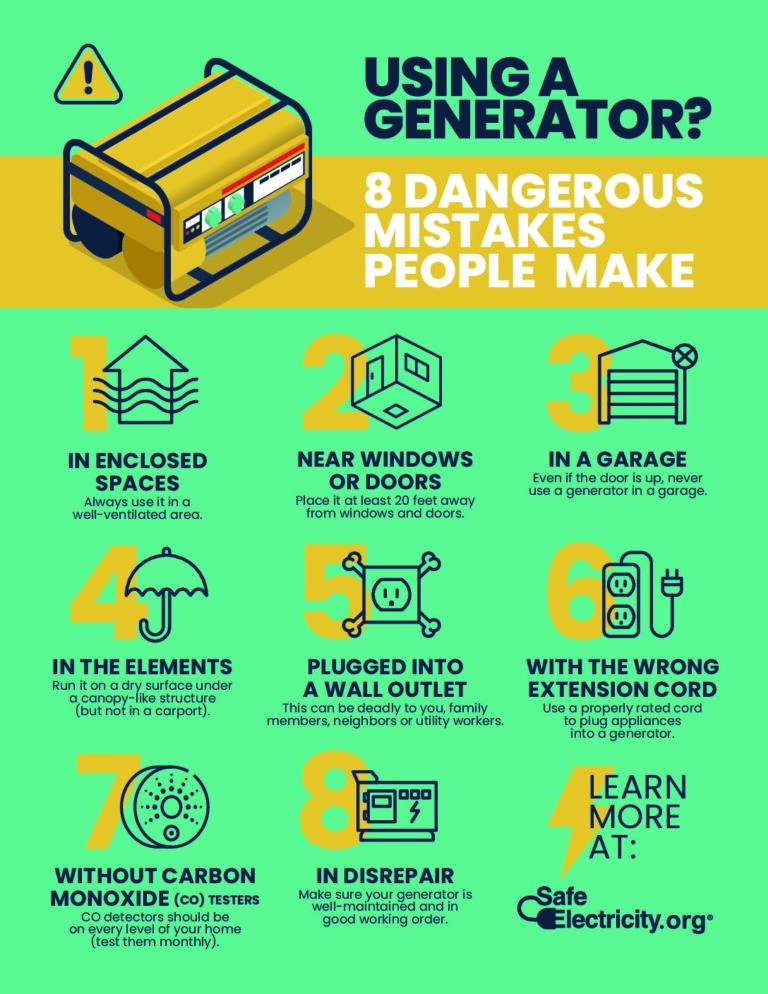
Maintaining a safe distance from windows and doors is non-negotiable. Ideally, keep your generator at least 20 feet away from these openings. This helps to prevent exhaust fumes from entering your home. Check your local regulations for specific distance requirements. Some areas may have guidelines that you must follow. Consider the wind direction. If your generator is downwind from your home, even a greater distance might be necessary. Have you thought about how your generator placement could affect your neighbors? Keeping it away from property lines can help maintain good relations. Proper placement of your generator not only protects you but also enhances its performance. Make informed choices for a safer, more efficient experience.Ventilation Tips For Safe Operation
Running a generator in a garage can be dangerous due to carbon monoxide buildup. Proper ventilation is essential for safety. Always ensure fresh air flows into the space to reduce risks while operating a generator indoors.
Ventilation is crucial when operating a generator in a garage. Proper airflow minimizes harmful gas accumulation and keeps your space safe. Here are some practical tips to ensure you ventilate effectively.Using Exhaust Extensions
Exhaust extensions are a simple yet effective solution for improving ventilation. – Connect a flexible exhaust pipe to your generator’s exhaust outlet. – Direct it outside through a garage door or window. This setup helps to channel harmful fumes away from your garage. I once had a neighbor who rigged up an exhaust extension for their generator during a power outage. It made all the difference in keeping their garage air quality safe. Make sure your extension is securely attached. Loose fittings can lead to gas leaks, which can be dangerous. Regularly check the connections to prevent any potential hazards.Avoiding Enclosed Spaces
Enclosed spaces are a generator’s worst enemy. Never run a generator inside a garage, basement, or any confined area. – Always operate the generator outdoors, away from windows and doors. – Create a clear space around the generator to allow for proper air circulation. Consider a designated area in your yard for generator use. You wouldn’t want to inhale toxic fumes when there are safer options available. If you must use the generator near your garage, ensure it is at least 20 feet away from any openings. This distance helps keep harmful gases from entering your home. How do you plan to keep your space safe while using a generator? Think about the steps you can take today to ensure proper ventilation.Noise And Disturbance Management
Managing noise from a generator in your garage is essential. Noise can disturb you and your neighbors. It can also impact your comfort and peace. Understanding how to manage this noise is key.
Minimizing Noise Pollution
Noise pollution from generators is a common concern. Many generators produce loud sounds during operation. Choose a quieter model to reduce noise levels. Look for generators designed for low noise output. Operating your generator during the day can also help minimize disturbances. Most people are awake and active then.
Keep the garage door slightly open. This allows sound to escape. Use a sound meter app to check noise levels. Stay aware of how loud your generator is. If the noise is too high, consider other solutions.
Options For Soundproofing
Soundproofing your garage helps manage noise. You can use thick foam panels on the walls. These absorb sound and reduce echo. Rugs or carpets on the floor also help. They lessen noise transmission through the ground.
Seal any gaps or cracks in the garage. This prevents sound from leaking outside. Adding heavy curtains to windows can block noise too. Consider building a sound barrier around the generator. Use plywood or soundproof fencing. This can effectively reduce noise levels.
Remember, check local laws about generator noise. Stay informed about noise limits in your area. Keeping noise levels down can lead to a better experience for everyone.
Essential Safety Equipment
Using a generator in a garage can be risky. Proper safety equipment is crucial. This equipment helps prevent accidents and keeps everyone safe.
Two key items are carbon monoxide detectors and fire extinguishers. A first aid kit is also important. Let’s explore each of these safety tools.
Carbon Monoxide Detectors
Carbon monoxide is a silent killer. It is colorless and odorless. Generators emit this dangerous gas. Installing carbon monoxide detectors is vital.
Place these detectors near sleeping areas. Test them regularly to ensure they work. Replace batteries as needed. This simple step saves lives.
Fire Extinguishers And First Aid Kits
Fire extinguishers are essential for fire safety. Keep one nearby. Choose a multi-purpose extinguisher for different types of fires.
Check the expiration date regularly. Know how to use it properly. This knowledge can prevent serious damage.
A first aid kit is necessary for emergencies. Stock it with bandages, antiseptic wipes, and other supplies. Regularly check and restock the kit.
Being prepared can make a difference. Stay safe while using your generator.
Routine Maintenance For Safe Use
Running a generator in a garage is not safe. It can cause harmful carbon monoxide to build up. Regular maintenance can help keep your generator safe for outdoor use. Always ensure proper ventilation when operating any generator. Safety first, always!
Routine maintenance is crucial for the safe operation of a generator, especially when used in a garage. Regular checks and proper care can help you avoid dangerous situations and ensure your generator runs efficiently. Here’s how to keep your generator in top condition.Inspecting For Leaks And Damage
Start with a thorough visual inspection. Look for any signs of fuel or oil leaks. Check hoses, connections, and the fuel tank for cracks or corrosion. After a heavy rain or snow, inspect the generator for water damage. Water can cause electrical issues, which might lead to dangerous situations. Don’t forget to check the exhaust system as well. A damaged exhaust can lead to carbon monoxide buildup, posing serious health risks.Cleaning And Storage Best Practices
Keep your generator clean. Remove dirt and debris from the exterior. A clean generator not only looks good but also helps in identifying any potential issues early. When not in use, store your generator in a dry place. Use a cover to protect it from dust and moisture. This simple step can extend its life significantly. Before storing, run the generator until it runs out of fuel. This helps prevent any fuel degradation. Alternatively, add a fuel stabilizer if you plan to store it for an extended period. By prioritizing routine maintenance, you ensure that your generator operates safely and efficiently. Have you checked your generator lately?Legal And Insurance Considerations
Using a generator in a garage raises important legal and insurance issues. Knowing local laws and insurance rules is crucial. Understanding these factors helps you avoid fines and coverage problems.
Local Regulations On Generator Use
Check your local regulations before using a generator in your garage. Many areas have strict rules about generator placement. Some may require a certain distance from buildings. Others may ban indoor use entirely.
Violating these rules can lead to fines. It can also cause safety hazards. Always contact your local authorities. They can provide guidance on safe generator use.
Home Insurance Implications
Your home insurance policy may have specific rules for generators. Some policies cover generator damage. Others might not. Using a generator improperly can void your coverage.
Always inform your insurance provider about your generator. They can explain your coverage options. This helps ensure you are protected in case of an accident.
Credit: www.jpenergy.com

Credit: beattiedukelowelectrical.com
Frequently Asked Questions
Can You Run A Generator Inside A Garage?
No, running a generator inside a garage is extremely dangerous. Generators produce carbon monoxide, a toxic gas that can accumulate quickly in enclosed spaces. Always operate generators outdoors in well-ventilated areas to prevent carbon monoxide poisoning and ensure safety for everyone nearby.
What Are The Dangers Of Running A Generator In A Garage?
Running a generator in a garage poses serious risks, primarily due to carbon monoxide exposure. This gas is odorless and colorless, making it undetectable without a monitor. Additionally, potential fire hazards from fuel leaks or overheating equipment further increase the dangers of indoor generator operation.
How Can I Safely Use A Generator?
To use a generator safely, always operate it outdoors, away from windows and doors. Ensure the area is well-ventilated to disperse harmful fumes. Keep the generator dry and use heavy-duty extension cords rated for outdoor use. Regular maintenance checks can also prevent malfunctions and enhance safety.
What Is Carbon Monoxide Poisoning?
Carbon monoxide poisoning occurs when carbon monoxide builds up in the bloodstream. This gas interferes with the body’s ability to transport oxygen, leading to serious health issues. Symptoms may include headaches, dizziness, confusion, and in severe cases, can be fatal.
Immediate medical attention is crucial if exposure is suspected.
Conclusion
Running a generator in a garage is risky. It can cause harmful fumes to build up. Proper ventilation is crucial for safety. Always consider outdoor placement for your generator. This keeps you and your family safe. Following safety guidelines protects your health.
Use carbon monoxide detectors for extra peace of mind. Remember, safety should always come first. Make informed choices for your generator use. Your well-being is worth it. Stay safe and informed.