

Are you considering backup power options for your home? If so, you’ve likely come across two popular solutions: generator interlock kits and transfer switches.
Both options can keep your lights on during an outage, but they work in different ways. Choosing the right one can make all the difference in your safety and convenience when the power goes out. We’ll break down the key differences between generator interlock kits and transfer switches.
You’ll learn how each system operates, their advantages and disadvantages, and which might be the best fit for your needs. By the end, you’ll have the information you need to make an informed decision that keeps your home powered and secure. Let’s dive in!
Purpose And Function
The purpose and function of a generator interlock kit and a transfer switch are crucial for anyone looking to safely manage power during outages. Understanding the differences helps you make informed decisions for your home or business. Let’s break down these two options and see how they stack up.
Generator Interlock Kit
A generator interlock kit is designed to connect your portable generator directly to your home’s electrical panel. It prevents backfeeding, which can be dangerous for utility workers and your equipment. When you use this kit, you must manually switch from the utility power to the generator power.
Installation is usually straightforward. You attach the interlock kit to your circuit breaker panel, allowing only one source of power to flow at a time. This means you can safely operate essential appliances without the risk of power backfeeding into the grid.
Transfer Switch
A transfer switch, on the other hand, is a more comprehensive solution. It allows you to easily switch between utility power and generator power with the flip of a switch. This setup is often more user-friendly and can handle larger loads than an interlock kit.
Transfer switches come in two types: manual and automatic. Manual transfer switches require you to switch the power source, while automatic ones detect a power outage and switch to generator power on their own. This feature can save you time and stress during an emergency.
Choosing The Right Option
Deciding between a generator interlock kit and a transfer switch depends on your specific needs. If you only need to power a few essential appliances, the interlock kit might be sufficient. For those who want convenience and the ability to power multiple circuits, a transfer switch is likely the better choice.
- Consider your power needs:How many devices do you need to run during an outage?
- Evaluate your budget:Transfer switches are typically more expensive than interlock kits.
- Think about convenience:Do you want a manual or automatic solution?
Have you ever faced a power outage? The panic of losing electricity can be overwhelming, but having the right equipment can make a significant difference. Your safety and comfort should always be a priority.
Installation Process
The installation process for both a Generator Interlock Kit and a Transfer Switch is crucial for ensuring safety and functionality. Understanding the steps involved can help you make informed decisions about your backup power solutions. Let’s break down the installation process for both options.
Generator Interlock Kit Installation
Installing a Generator Interlock Kit is often seen as a simpler and more cost-effective option. It involves a few key steps:
- Gather Tools:You will need a screwdriver, a wrench, and possibly a voltage tester.
- Turn Off Power:Always ensure your main power is turned off before starting the installation.
- Mount the Kit:Attach the interlock kit to your electrical panel. Follow the manufacturer’s instructions closely.
- Wire the Kit:Connect the interlock to your generator’s circuit. This step is crucial for proper functionality.
After installation, test the system with your generator to ensure everything works seamlessly. You want peace of mind when the power goes out.
Transfer Switch Installation
The Transfer Switch installation is a bit more involved but provides a reliable solution. Here’s how to tackle it:
- Choose the Right Location:Pick a spot close to your electrical panel and outside for easy generator access.
- Shut Off Main Power:Again, safety first—turn off the power before beginning.
- Mount the Transfer Switch:Secure it to the wall, ensuring it’s easily accessible.
- Connect Wires:This requires more wiring than an interlock kit. You’ll connect your home circuits to the transfer switch.
After completing the installation, conduct a test run with your generator. This step ensures that all systems are go and that your family will stay safe when outages occur.
Have you thought about the long-term benefits of each installation type? The right choice can save you time and stress during power failures. Consider your needs carefully before making a decision.
Safety Features
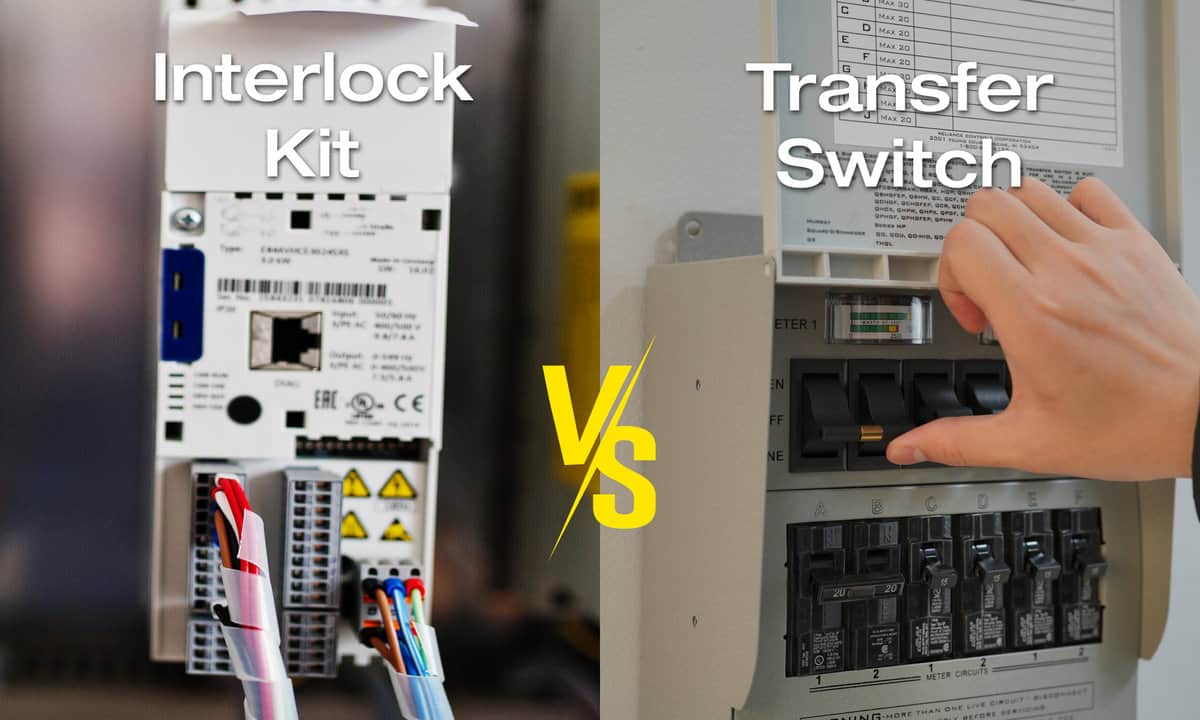
Generator interlock kits and transfer switches both enhance safety for home generators. An interlock kit allows the main breaker to work with the generator, preventing backflow into the grid. A transfer switch connects the generator directly to your home’s electrical system, ensuring safe power transfer during outages.
Safety features are crucial when deciding between a Generator Interlock Kit and a Transfer Switch. Both options provide a way to connect your generator to your home’s electrical system during an outage. Understanding their safety aspects can help you make an informed choice.
Generator Interlock Kit Safety Features
A Generator Interlock Kit is designed to ensure that your generator and the utility power don’t run simultaneously. This prevents backfeeding, which can pose significant risks to utility workers and your appliances. – Simplicity of Design: The interlock kit is a simple device that physically locks the main breaker and the generator breaker. This ensures that only one can be on at a time. – Cost-Effective: It generally costs less than a transfer switch, making it a more budget-friendly option for homeowners. – Installation Flexibility: You can often install an interlock kit yourself if you have some electrical knowledge. However, hiring a professional is wise for safety.
Transfer Switch Safety Features
A Transfer Switch offers a more robust solution for powering your home during an outage. It typically includes features that enhance safety and convenience. – Automatic Transfer Options: Some transfer switches can automatically detect a power outage and switch to generator power without any manual intervention. This is especially useful during storms when you may not be at home. – Multiple Circuits: You can connect multiple circuits to a transfer switch, allowing you to power essential appliances like refrigerators, heaters, and medical devices. – Built-In Protections: Many transfer switches come with built-in surge protection and overload indicators, providing an extra layer of safety. Think about your lifestyle and how often you experience power outages. Would the simplicity of a Generator Interlock Kit suffice, or do you need the advanced features of a Transfer Switch? Each option has its merits, and your choice should align with your specific needs and comfort level with electrical installations.
Credit: blog.ecoflow.com
Cost Comparison
Understanding costs is key for homeowners. Choosing between a Generator Interlock Kit and a Transfer Switch involves different expenses. Let’s break down the costs for each option.
Generator Interlock Kit Costs
Generator Interlock Kits are usually less expensive. They typically cost between $100 and $300. This price includes the kit and installation. Many homeowners can install the kit themselves. This can save on labor costs.
Installation requires basic electrical skills. Hiring an electrician may raise overall costs. Expect to pay an extra $100 to $200 for professional help.
Transfer Switch Costs
Transfer Switches generally cost more. Prices range from $300 to $1,000. This includes the switch and installation. Some models come with advanced features. These features can increase the price.
Professional installation is often necessary. Electricians can charge between $200 and $500 for this service. The total cost can quickly add up.
Long-term Value
Consider long-term value when choosing. Generator Interlock Kits are cost-effective for many. They serve basic needs well. Transfer Switches offer more flexibility and options.
Long-term costs may favor Transfer Switches. They can handle larger loads. This can be beneficial for bigger homes.
Ease Of Use
Choosing between a generator interlock kit and a transfer switch can be tough. Both options have their pros and cons. Ease of use is a key factor for many homeowners. Let’s break down how each option performs in this area.
Generator Interlock Kit
A generator interlock kit is simple to use. It connects your generator to your home’s main panel. You need to install it alongside your main circuit breaker. This kit allows you to power essential circuits easily.
Using an interlock kit requires basic knowledge of your electrical system. You must switch off the main breaker before starting the generator. This ensures safety during operation. Many users find this process straightforward.
Transfer Switch
A transfer switch is also user-friendly. It allows you to control power with a single switch. You can easily choose which circuits to power. This makes it a popular choice for many homeowners.
Transfer switches often come with clear instructions. Some models have automatic features. This means they can switch power without your help. This adds convenience during emergencies.
Comparing Both Options
Both systems are easy to operate. The generator interlock kit requires manual switching. The transfer switch can offer automatic or manual control. Your choice depends on your needs and preferences.
Consider your comfort level with electrical systems. If you prefer hands-on control, an interlock kit might suit you. If you want simplicity and automation, go for a transfer switch.

Credit: interlockkit.com
Compatibility With Generators
Choosing the right system for your generator is important. The right choice ensures safe and effective power transfer. Generator interlock kits and transfer switches have different compatibility features. Understanding these differences helps you make the best choice.
Generator Interlock Kit Compatibility
Generator interlock kits work with most main breaker panels. They fit easily into existing systems. This feature makes them a popular choice for many homeowners. They are often less expensive than transfer switches.
Interlock kits are designed for specific panel brands. Always check compatibility before purchasing. Some kits may not fit all panel types. This could lead to safety issues or power problems.
Transfer Switch Compatibility
Transfer switches are versatile. They work with a variety of generators. Most models support different wattage levels. This allows users to select the right generator for their needs.
Some transfer switches need specific generator models. Always check the specifications before buying. This ensures the switch will work with your generator. Proper compatibility avoids future headaches.
Comparison Of Compatibility
Interlock kits are simple and easy to install. They are suitable for those with standard setups. Transfer switches offer more options for larger systems. They provide flexibility for different power needs.
Consider your generator type and your home setup. Each option has its strengths. Choose what fits your needs best.
Power Management
Power management is crucial for any household. It helps you control your electricity use. With options like generator interlock kits and transfer switches, managing power becomes easier. Each option has its benefits and drawbacks. Understanding these can help you make the right choice.
Generator Interlock Kit
A generator interlock kit is a simple device. It connects your generator to your home’s electrical panel. This kit allows you to use both your main power and generator safely. You can only power certain circuits at a time. This helps prevent back-feeding into the grid. Back-feeding can be dangerous for utility workers.
Using an interlock kit is often less expensive. Installation is straightforward and can be done quickly. It does not require much space. This makes it ideal for small homes or apartments. However, you need to manage which circuits you want to power.
Transfer Switch
A transfer switch is a more advanced option. It connects your generator directly to your home’s electrical system. This switch allows you to power your entire home. It can manage more circuits at once. This option is safer and more convenient for larger homes.
Transfer switches are more expensive than interlock kits. They require professional installation. This adds to the overall cost. However, they provide a seamless power experience. You can switch between utility and generator power with ease.
Which Is Right For You?
Your choice depends on your needs. Consider how much power you require. Think about your budget as well. For smaller homes, an interlock kit may suffice. For larger homes, a transfer switch might be necessary.
Evaluate the installation process as well. A simpler installation can save time and money. Both options enhance power management. Choose wisely for the best results.
Maintenance Requirements
Keeping your backup power systems running smoothly is crucial. Whether you choose a generator interlock kit or a transfer switch, maintenance is key. Each option has its own needs for upkeep. Understanding these needs helps ensure reliable power during outages.
Generator Interlock Kit Maintenance
The generator interlock kit is simpler to maintain. Regular checks are needed. Inspect the kit every few months. Look for signs of wear or damage.
Ensure all connections are secure. Loose connections can cause issues. Clean the area around the kit. Dirt and debris can affect performance.
Transfer Switch Maintenance
Transfer switches require more attention. Check the switch at least twice a year. Look for corrosion or rust on contacts. These can lead to failures.
Test the switch regularly. This ensures it works when needed. Clean the switch to keep it functioning properly. Dust can build up and cause problems.
Common Maintenance Tips
Always follow the manufacturer’s guidelines. This helps prevent issues. Keep records of all maintenance tasks. This can aid in troubleshooting later.
Consider hiring a professional for complex tasks. They have the expertise needed. Regular maintenance extends the life of both systems.
Suitability For Home Use
Choosing the right method for powering your home during an outage is crucial. Generator Interlock Kits and Transfer Switches are two popular options. But which one suits your home best?
Generator Interlock Kit
A Generator Interlock Kit is a cost-effective solution for many homeowners. It allows you to connect a portable generator to your home’s electrical panel safely. This kit prevents back-feed, protecting both your home and utility workers.
Installation is often straightforward. Many homeowners can do it themselves with basic tools and a little guidance. You need to make sure your generator’s output matches your home’s requirements.
However, consider your generator’s power capacity. If your needs are high, an Interlock Kit might not provide enough power. You could face limitations during heavy outages.
Transfer Switch
A Transfer Switch offers a more robust solution for home power management. It connects directly to your home’s electrical system and allows for seamless switching between utility and generator power.
With a Transfer Switch, you can power entire circuits or specific appliances. This flexibility is beneficial if you want to keep essentials running smoothly. If your family relies on many devices, this might be the better choice.
Installation typically requires a licensed electrician. This extra step ensures safety and compliance with local codes. Although it involves an upfront cost, it can provide peace of mind during prolonged outages.
Comparing The Two
Both options have their merits. A Generator Interlock Kit is perfect for those on a budget or with basic power needs. The Transfer Switch is ideal for homeowners seeking a more comprehensive solution.
Think about your lifestyle. Do you have medical devices that require power? Or do you just need to keep the fridge running? Your answers will guide you to the right choice.
Additionally, consider how often you experience outages. If power loss is rare, an Interlock Kit may suffice. If your area faces frequent blackouts, investing in a Transfer Switch could pay off in the long run.
Final Thoughts
Deciding between a Generator Interlock Kit and a Transfer Switch comes down to your specific needs. Assess your power requirements, budget, and installation preferences. Take the time to choose wisely, as this decision impacts your comfort during outages.
What will you choose? Your home deserves the best protection against power loss.
Pros And Cons Of Each Option
Choosing between a generator interlock kit and a transfer switch can be challenging. Both options have their unique advantages and disadvantages. Understanding these pros and cons will help you make an informed decision for your home’s backup power needs.
Generator Interlock Kit: Pros
- Cost-effective:Interlock kits are generally less expensive than transfer switches. This makes them a popular choice for budget-conscious homeowners.
- Easy Installation:Many DIY enthusiasts find interlock kits straightforward to install. With basic electrical knowledge, you can set it up without hiring a professional.
- Compact Design:These kits don’t take up much space. You can easily fit them in your electrical panel without major modifications.
Generator Interlock Kit: Cons
- Manual Operation:You must manually switch between your utility power and generator power. This can be inconvenient during emergencies.
- Limited Power Supply:An interlock kit may not handle larger loads as effectively as a transfer switch. This could leave you without power for essential appliances.
- Potential for Mistakes:A manual switch increases the risk of human error. Accidentally back-feeding power can be dangerous.
Transfer Switch: Pros
- Automatic Switching:Many transfer switches can automatically switch to generator power. This means you won’t have to worry about doing it yourself during a crisis.
- Handles Higher Loads:Transfer switches are designed to manage larger electrical loads. You can power multiple appliances at once without issue.
- Enhanced Safety:These devices provide better isolation from the grid. They significantly reduce the risk of back-feeding electricity to the grid.
Transfer Switch: Cons
- Higher Cost:Transfer switches tend to be more expensive than interlock kits. This can be a dealbreaker for some homeowners.
- Complex Installation:Installing a transfer switch typically requires professional help. This adds to the overall cost and effort involved.
- Space Requirements:Transfer switches require more space than interlock kits. You’ll need to allocate room in your electrical system for it.
What’s your priority: convenience or cost? Consider your specific needs and how each option fits into your lifestyle. Weigh these factors carefully before making your choice.

Credit: www.youtube.com
Frequently Asked Questions
What Is A Generator Interlock Kit?
A generator interlock kit allows you to connect a portable generator to your home’s electrical system safely.
How Does A Transfer Switch Work?
A transfer switch safely connects your generator to your home’s electrical system, isolating it from the grid.
Which Is Safer: Interlock Kit Or Transfer Switch?
Both are safe, but a transfer switch offers more protection and ease of use.
Can I Install An Interlock Kit Myself?
Yes, you can install an interlock kit yourself if you have basic electrical skills.
Is A Transfer Switch More Expensive?
Yes, transfer switches generally cost more than interlock kits due to their complexity.
Do I Need A Permit For Installation?
Most areas require a permit for installing both interlock kits and transfer switches.
Can Both Systems Handle The Same Load?
Yes, both systems can handle similar loads, depending on the generator’s capacity.
Is Maintenance Required For These Systems?
Minimal maintenance is required for both, mainly checking connections and ensuring proper operation.
Can I Use Both Systems Together?
No, you should choose one system to prevent electrical issues and ensure safety.
Which Is Better For Homeowners?
It depends on your needs. Transfer switches are easier to use, while interlock kits are more affordable.
Conclusion
Choosing between a generator interlock kit and a transfer switch matters. Each has unique features and benefits. An interlock kit is often simpler and less expensive. A transfer switch provides more flexibility and safety. Consider your needs and budget carefully.
Think about how often you lose power. Evaluate which option suits your lifestyle best. Making the right choice ensures reliable power during outages. Stay informed to keep your home safe and powered. Take your time to decide what works for you.