
When it comes to power solutions for your outdoor adventures or emergency needs, you may find yourself torn between an inverter generator and a portable generator. Both options have their unique advantages, but which one is right for you?
Understanding the key differences can save you time, money, and hassle down the line. Imagine having a reliable source of electricity whenever and wherever you need it. Whether you’re camping, tailgating, or preparing for a power outage, the right generator can make all the difference.
We’ll break down the essential features, benefits, and drawbacks of inverter generators and portable generators. By the end, you’ll have a clear idea of which option fits your lifestyle best. Ready to power up your decision-making? Let’s dive in!
Inverter Generator



Portable Generator

Key Features Of Inverter Generators
Inverter generators offer quieter operation and cleaner power compared to portable generators. They adjust their engine speed based on load, improving fuel efficiency. These features make inverter generators ideal for sensitive electronics and outdoor activities. Choose wisely based on your power needs and usage.
Inverter generators have gained popularity for their unique features that cater to various power needs. Understanding what sets them apart can help you make an informed choice. Let’s dive into the key features that define inverter generators.
Compact Design
Inverter generators are designed to be lightweight and portable. This makes them easy to transport, whether you’re heading to a campsite or facing a power outage at home. You can easily store them in small spaces, which is a significant advantage over traditional generators.
Quiet Operation
One of the standout features of inverter generators is their quiet operation. Many models produce noise levels as low as 50 decibels, comparable to a normal conversation. This is particularly beneficial for camping trips or residential areas where noise restrictions may apply. Imagine running your generator without disturbing your neighbors or wildlife.
Clean Power Output
Inverter generators provide a stable and clean power supply. They utilize advanced technology to convert raw power into a smooth sine wave output. This is crucial for sensitive electronics like laptops and smartphones. Have you ever experienced a power surge that damaged your devices? With an inverter generator, you can avoid such costly mishaps.
Fuel Efficiency
These generators are designed to be fuel-efficient. They automatically adjust their engine speed based on the load, which conserves fuel and reduces emissions. This means you can run your generator longer without frequent refueling, saving you time and money. Wouldn’t it be great to focus on your activities rather than worrying about running out of fuel?
Parallel Capability
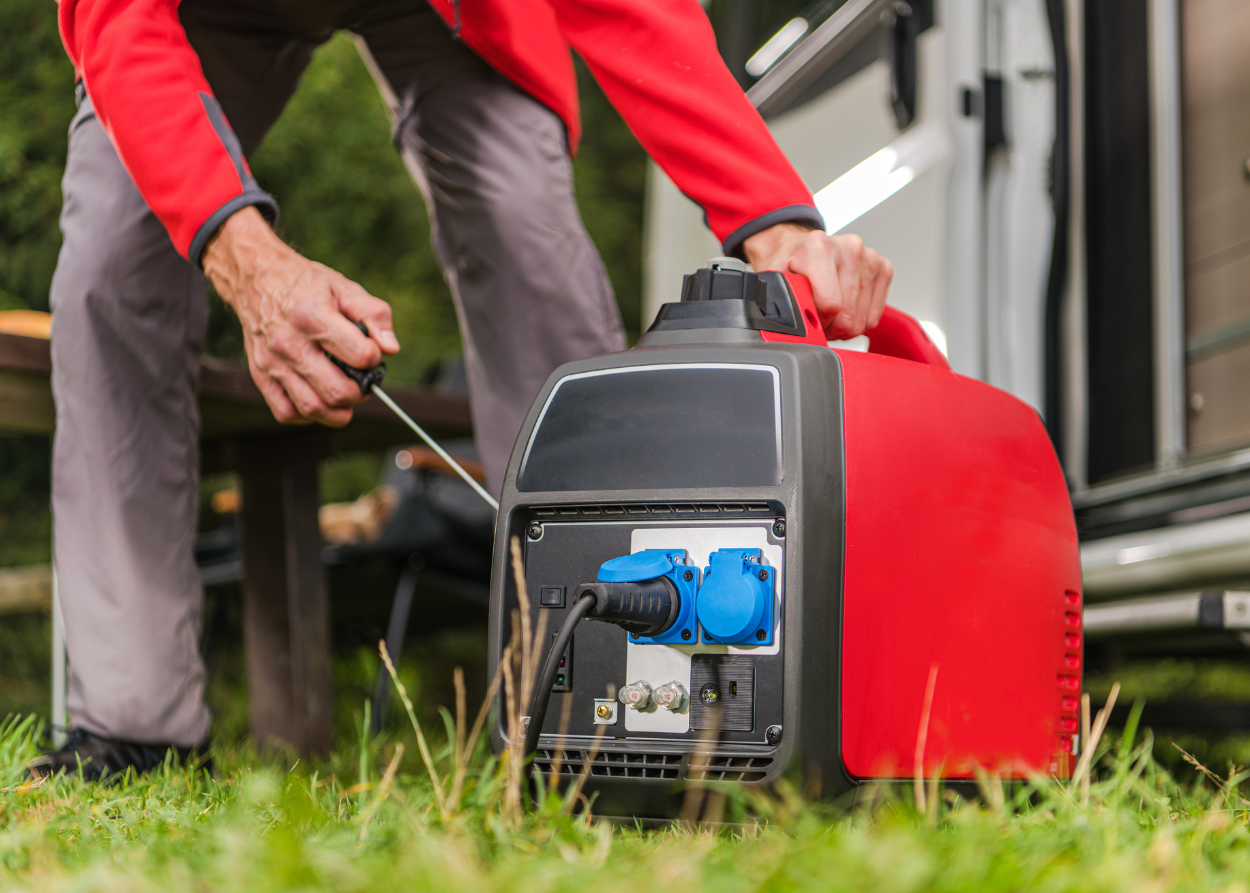
Many inverter generators offer parallel capability, allowing you to connect two units for increased power output. This flexibility is perfect for when you need more electricity for larger appliances or multiple devices. You can start small and expand your setup as your needs grow, making it a smart investment. Inverter generators combine these key features to provide a reliable, versatile power source. They truly stand out in the world of portable power solutions. Consider your specific needs, and you might just find that an inverter generator is the best choice for you.
Credit: www.ecoflow.com
Key Features Of Portable Generators
Portable generators offer versatility and convenience for various needs. Inverter generators provide quieter operation and cleaner power, making them ideal for sensitive electronics. Traditional portable generators deliver higher wattage for heavy-duty tasks, but can be noisier. Understanding these key features helps choose the right option for your situation.
Portable generators are a fantastic solution for those seeking reliable power on the go. Whether you’re camping, tailgating, or facing a power outage, understanding the key features can help you choose the right one for your needs.
Portability
One of the most significant advantages of portable generators is their mobility. They come with built-in wheels and handles, allowing you to move them easily from one place to another. You can quickly set up your generator wherever you need power—be it your backyard or a remote campsite.
Power Output
Power output is crucial when selecting a portable generator. Most models list their wattage, which indicates how much energy they can provide. A generator with 2000 watts can power basic appliances like lights and a small refrigerator. Consider your needs carefully. Do you want to run multiple devices, or just the essentials?
Fuel Type
Portable generators typically run on gasoline, propane, or diesel. Each fuel type has its pros and cons. Gasoline generators are popular due to their availability and ease of use, but they can be noisy. Propane models are quieter and emit fewer emissions, making them a greener option. What fuel type do you think would suit your lifestyle better?
Noise Level
Noise level is a critical feature to think about. Many portable generators produce a significant amount of sound, which can be disruptive. If you’re using a generator for camping, look for models that are labeled as “quiet” or “inverter.” A quieter generator can enhance your outdoor experience and keep your neighbors happy.
Runtime
Runtime indicates how long a generator can operate on a full tank of fuel. Models can range from a few hours to over 12 hours on a single tank. A generator with a longer runtime allows you to enjoy uninterrupted power, especially during outages. How long do you typically need power? This factor can greatly influence your choice.
Safety Features
Safety features should never be overlooked. Look for generators with automatic shut-off systems to prevent overheating. Ground fault circuit interrupters (GFCI) can protect you from electrical shocks. Do you feel secure with the safety features of your current generator? Understanding these key features will help you make an informed choice. Choosing the right portable generator can enhance your adventures and ensure you’re prepared for any situation.
Power Output Comparison
Understanding the power output of inverter generators compared to portable generators is essential for choosing the right option for your needs. Each type has unique characteristics that can greatly influence your experience, whether you’re camping, tailgating, or preparing for emergencies. Let’s break down the differences in power output to help you make an informed decision.
Power Ratings Explained
Power ratings are typically measured in watts. Both inverter generators and portable generators have different wattage outputs, which affect their performance.
- Inverter Generators:These usually offer lower continuous wattage, ranging from 1,000 to 4,000 watts. They excel in providing clean and stable power, making them perfect for sensitive electronics.
- Portable Generators:These can generate higher continuous wattage, often between 3,000 and 12,000 watts. They are better suited for powering heavy-duty appliances and tools.
Starting Vs. Running Watts
Understanding the difference between starting and running watts is crucial. Starting watts refer to the extra power needed to start appliances, while running watts maintain that power.
Inverter generators often have a lower starting watt capability. If you need to power multiple devices simultaneously, a portable generator might be your best bet.
Noise Levels And Efficiency
Power output isn’t just about wattage; noise levels matter too. Inverter generators tend to be quieter, operating at around 50-60 dB. This makes them ideal for camping or residential areas.
Portable generators, however, can reach up to 70 dB or more. If noise is a concern for your activities, consider this aspect in your decision-making.
Real-life Application
I once took my inverter generator on a weekend camping trip. It powered my laptop, lights, and even a small fridge without a hitch. The quiet operation allowed me to enjoy the serene environment without disturbing fellow campers.
In contrast, when I used a portable generator at a friend’s outdoor party, it powered the speakers and grills effectively. However, the noise was a constant reminder of the generator’s presence, which detracted from the overall experience.
Cost Considerations
Price can also influence your choice. Inverter generators generally cost more upfront but can save you money in fuel and maintenance over time. They are efficient and have a longer lifespan.
Portable generators might be cheaper initially but could consume more fuel and require more upkeep. Assess your budget alongside your power needs to find the best fit.
What power output do you need for your specific activities? Think about your lifestyle and how each option aligns with your requirements.
Fuel Efficiency And Runtime
Inverter generators are known for their fuel efficiency and longer runtime compared to portable generators. They often provide quieter operation and better power management. For those seeking reliable power, understanding these differences is essential.
Fuel efficiency and runtime are critical factors to consider when choosing between an inverter generator and a portable generator. These elements not only affect how often you need to refuel but also impact your overall costs and convenience. Understanding the differences can help you make an informed decision that suits your needs.
Fuel Efficiency Of Inverter Generators
Inverter generators are known for their impressive fuel efficiency. They adjust their engine speed based on the load, meaning they only use the amount of fuel necessary to produce the required power. This can lead to significant savings over time. Many users report that they can run an inverter generator for up to 8 to 12 hours on a single tank of gas, depending on the load. Imagine a weekend camping trip where you can run your appliances without constantly worrying about refueling. That’s the convenience an inverter generator offers.
Fuel Efficiency Of Portable Generators
Portable generators, on the other hand, typically operate at a constant speed. This means they use more fuel, regardless of how much power you actually need. While they can provide high wattage, they often fall short in terms of fuel economy. You might find yourself refueling every few hours, especially during heavy use. Think about hosting an outdoor event. If your portable generator can only last for a few hours, that could disrupt the fun.
Runtime Comparison
Runtime is another area where inverter generators shine. Many models boast runtimes of up to 12 hours or more. This extended runtime is particularly useful for camping, tailgating, or emergency power during outages. In contrast, portable generators may only offer 6 to 8 hours of runtime on a full tank. If you’re relying on it for a longer event or during a power outage, this could be a problem. Consider your needs carefully. Do you want the freedom of a longer runtime, or are you okay with more frequent refueling?
Cost Implications
Fuel efficiency also translates to cost savings. With an inverter generator, you spend less on fuel over time, making it a more economical choice for regular use. While the initial investment might be higher, the long-term savings can make it worthwhile. In contrast, the lower upfront cost of portable generators might be appealing, but don’t overlook ongoing fuel expenses. Balancing your budget with your power needs is essential. What are your priorities when it comes to power generation? In the end, understanding fuel efficiency and runtime can help you choose the right generator for your lifestyle. Think about how you plan to use it and what features matter most to you. Your choice could make a significant difference in convenience and costs.
Noise Levels And Operation
Understanding the noise levels and operation of inverter generators versus portable generators is crucial for anyone considering a power solution. Noise can impact your comfort, especially during outdoor activities or home use. Let’s break down how these two types of generators compare in terms of sound and functionality.
Noise Levels Of Inverter Generators
Inverter generators are known for their quiet operation. They often run between 50 to 60 decibels, which is similar to the sound of a normal conversation. This makes them ideal for camping trips or tailgating events.
Imagine sitting around a campfire, enjoying the sounds of nature, when your generator suddenly roars to life. It can ruin the peaceful atmosphere. Inverter generators allow you to enjoy your surroundings without the constant drone of a loud machine.
Noise Levels Of Portable Generators
Portable generators, on the other hand, can be significantly louder. They typically operate at around 70 to 90 decibels. This volume can be disruptive, especially in residential areas or during nighttime use.
Consider a scenario where you need power during a blackout. A portable generator may keep your refrigerator running, but at what cost? The noise could disturb your family and neighbors, leading to complaints and sleepless nights.
Operational Differences
The operation of inverter generators tends to be smoother and more user-friendly. They adjust their engine speed based on the load, which not only reduces noise but also improves fuel efficiency. This means you get more runtime out of each tank of gas.
In contrast, portable generators often run at a constant speed, regardless of the power needed. This not only makes them noisier but also less fuel-efficient. You’ll find yourself refueling more often, which can be a hassle during emergencies.
What You Should Consider
When choosing between an inverter generator and a portable generator, think about your specific needs. Do you prioritize quiet operation for outdoor gatherings? Or do you need a robust power source for home backup? Your choice will ultimately depend on how you plan to use the generator.
Have you ever been in a situation where noise disrupted your plans? Reflect on how important noise levels are for your comfort and enjoyment. Balancing power needs with sound levels can significantly enhance your experience.
Portability And Ease Of Use
Choosing between an inverter generator and a portable generator often depends on portability and ease of use. Both options serve different needs. Understanding their features helps in making the right choice.
Weight And Size
Inverter generators are usually lighter and smaller. They fit easily in tight spaces. Many models weigh under 50 pounds. This makes them easy to carry.
Portable generators are bulkier. They often weigh over 100 pounds. Moving them can be challenging. They need more space for storage as well.
Fuel Efficiency
Inverter generators use fuel more efficiently. They adjust power output based on demand. This means less fuel waste. They can run longer on a tank of gas.
Portable generators consume more fuel. They often run at full power. This leads to quicker fuel depletion. Users may need to refill more often.
Noise Levels
Noise can be a concern. Inverter generators are quieter. They operate at lower decibels. This makes them suitable for camping or quiet areas.
Portable generators can be loud. They produce more noise than inverter models. This can disturb others nearby. Noise level matters in residential areas.
Starting Mechanism
Starting an inverter generator is easy. Most have a simple pull-start mechanism. Some even offer electric start. This feature enhances convenience.
Portable generators can also have a pull-start. However, electric start is less common. Users may find them harder to start.
Mobility Features
Inverter generators often include wheels. This helps with transportation. Some models have built-in handles. This makes lifting and moving easier.
Portable generators may lack these features. They often need extra equipment for transport. This can make mobility a hassle.
Cost And Maintenance
Cost and maintenance are key factors in choosing between an inverter generator and a portable generator. Each type has its own price range and upkeep needs. Understanding these can help you make an informed decision.
Initial Cost
Inverter generators usually cost more than portable generators. They offer advanced technology. This often leads to higher prices. A portable generator is often cheaper. It is a good option for those on a budget.
Fuel Efficiency
Inverter generators are more fuel-efficient. They adjust power output based on demand. This leads to less fuel use. Portable generators consume more fuel. They run at full power all the time.
Maintenance Requirements
Maintenance is essential for both types. Inverter generators need less frequent maintenance. They have fewer moving parts. This makes them easier to care for. Portable generators often require more upkeep. Regular oil changes and filter replacements are common.
Longevity And Durability
Inverter generators tend to last longer. They are built with high-quality materials. Portable generators may not last as long. Their construction can be less robust. Choosing the right type can affect how long it lasts.
Resale Value
Inverter generators usually hold their value better. Many buyers prefer them. Portable generators may have lower resale value. Their popularity can vary based on demand.
Credit: norwall.com
Best Uses For Inverter Generators
Inverter generators are versatile and efficient. They are perfect for various situations. Knowing their best uses can help you decide. Here are some ideal scenarios for using inverter generators.
Camping And Outdoor Activities
Inverter generators are great for camping trips. They provide power for lights, fans, and small appliances. Their quiet operation keeps the peace in nature. You can charge devices like phones and tablets easily.
Emergency Backup Power
During power outages, inverter generators are lifesavers. They keep essential devices running. Refrigerators, medical equipment, and lights stay powered. This helps maintain comfort and safety during emergencies.
Tailgating And Outdoor Events
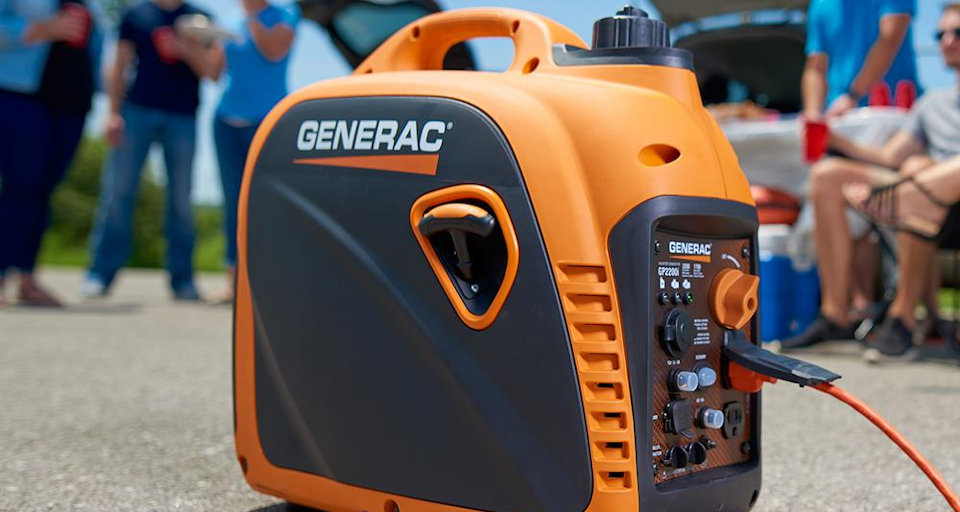
Inverter generators are perfect for tailgating parties. They power grills, coolers, and music systems. Guests enjoy a fun atmosphere without noisy generators. Their lightweight design makes them easy to transport.
Construction Sites
Construction sites often need portable power. Inverter generators can run tools and equipment. They are quieter than traditional generators. This is important for neighborhoods or busy areas.
Home Use And Diy Projects
Inverter generators are useful for home projects. They provide power for tools like saws and drills. Their efficient fuel consumption saves money. You can work on projects without worrying about noise.
Boating And Rv Use
For boaters and RV enthusiasts, inverter generators are handy. They supply power for appliances on the go. You can enjoy comforts like air conditioning and microwaves. Their compact size fits easily into tight spaces.
Best Uses For Portable Generators
Portable generators are versatile tools. They provide power in many situations. Understanding their best uses helps you make the right choice.
Camping Trips
Portable generators are great for camping. They power lights, fans, and small appliances. Enjoy your outdoor experience without sacrificing comfort.
Outdoor Events
For outdoor parties or events, a portable generator is useful. It can power sound systems, lights, and food warmers. Keep your guests entertained and comfortable.
Emergency Backup
During power outages, portable generators can be lifesavers. They keep your fridge running and devices charged. Stay safe and connected when the lights go out.
Construction Sites
Construction sites often lack power sources. Portable generators supply energy for tools and equipment. Workers can perform tasks efficiently without delays.
Home Renovations
Using a portable generator during home renovations is smart. It powers tools and lighting. Complete your projects without interruptions.
Recreational Vehicles
Many RV owners use portable generators. They provide power for appliances and electronics. Enjoy modern comforts while traveling.
Choosing The Right Option For Your Needs
Choosing between an inverter generator and a portable generator can be tough. Both options serve specific purposes. Understanding your needs makes the decision easier. Consider where and how you will use the generator. Each type has its strengths and weaknesses.
Power Requirements
First, think about the power you need. Inverter generators are quieter and more efficient. They are perfect for sensitive electronics. Use them for camping or tailgating. Portable generators offer higher wattage. They can power tools and larger appliances.
Portability
Next, consider portability. Inverter generators are lightweight and easy to carry. They fit well in small spaces. Portable generators are heavier and bulkier. They are better for stationary use.
Noise Level
Noise is an important factor. Inverter generators operate quietly. This makes them ideal for quiet environments. Portable generators tend to be noisier. They may disturb neighbors or wildlife.
Fuel Efficiency
Fuel efficiency matters, too. Inverter generators use less fuel. They adjust output based on your needs. This saves money over time. Portable generators consume more fuel. They run at a constant speed regardless of demand.
Maintenance
Think about maintenance needs. Inverter generators require less upkeep. They have fewer moving parts. Portable generators need regular oil changes and maintenance. This can increase costs over time.

Credit: www.integratesun.com
Frequently Asked Questions
What Is An Inverter Generator?
An inverter generator is a type of generator that produces clean, stable power. It is efficient and quieter than traditional generators.
How Does A Portable Generator Work?
A portable generator uses fuel, like gasoline or propane, to create electricity. It can power tools and appliances when needed.
What Are The Benefits Of An Inverter Generator?
Inverter generators are lightweight, fuel-efficient, and produce less noise. They also provide stable power for sensitive devices.
Can I Use A Portable Generator Indoors?
No, using a portable generator indoors is dangerous. It can produce harmful carbon monoxide gas.
How Long Can An Inverter Generator Run?
Most inverter generators can run for 8 to 12 hours on a full tank. This depends on the load and fuel type.
Which Is Quieter: Inverter Or Portable Generator?
Inverter generators are generally quieter than traditional portable generators. They are designed for low noise operation.
Are Inverter Generators More Expensive?
Yes, inverter generators typically cost more than standard portable generators. Their features and efficiency justify the higher price.
Can I Connect An Inverter Generator To My Home?
Yes, you can connect an inverter generator to your home with a transfer switch. This ensures safe power supply during outages.
What Appliances Can I Run On An Inverter Generator?
You can run sensitive electronics, tools, and small appliances. Examples include laptops, TVs, and refrigerators.
How Do I Maintain My Inverter Generator?
Regular maintenance includes checking oil levels, cleaning air filters, and inspecting fuel lines. Follow the manufacturer’s guidelines for best results.
Conclusion
Choosing between an inverter generator and a portable generator depends on your needs. Inverter generators are quieter and more fuel-efficient. They work well for sensitive electronics. Portable generators offer more power for larger devices. Consider where you will use it.
Think about noise levels and power requirements. Both types have their strengths. Weigh the pros and cons carefully. Make an informed choice that suits your lifestyle. A smart decision leads to better experiences outdoors or during power outages.