
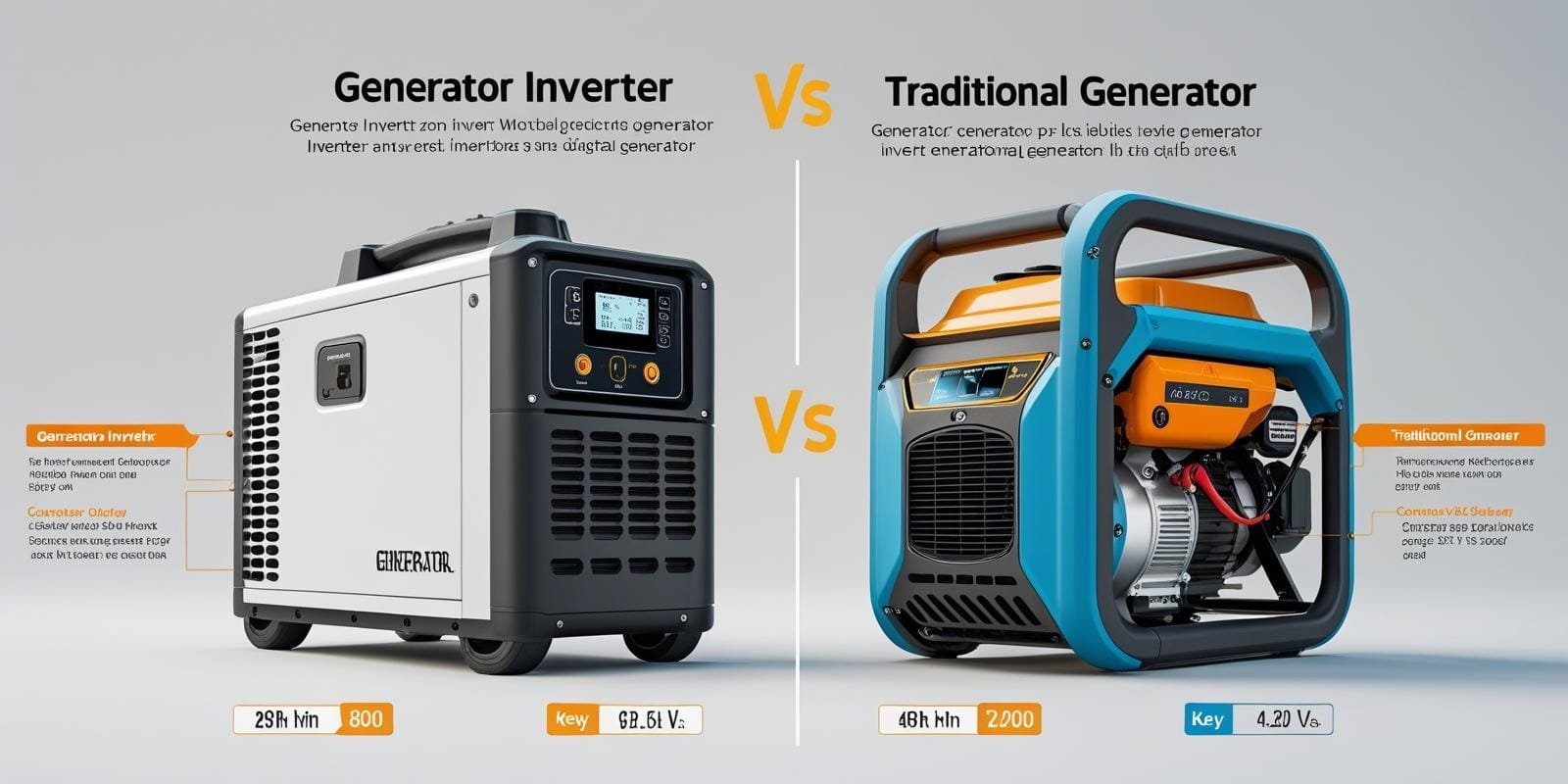
When it comes to power solutions, choosing between a generator inverter and a traditional generator can feel overwhelming. You want reliable energy, but which option is right for you?
Understanding the differences can make a big impact on your decision. Generator inverters are known for their efficiency and quiet operation, while traditional generators are often praised for their raw power and simplicity. But what does that mean for your needs?
We’ll break down the key differences, explore the pros and cons of each, and help you determine which power source fits your lifestyle best. By the end, you’ll have the clarity you need to make an informed choice. Let’s dive in!
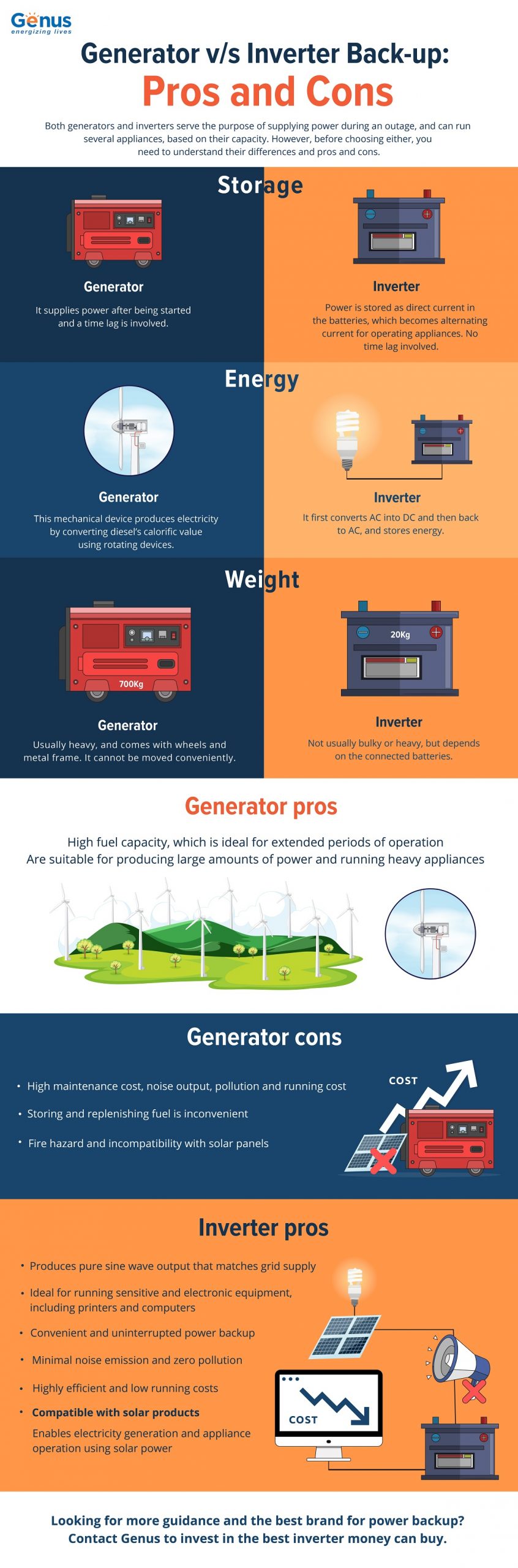
Credit: www.genusinnovation.com
Generator And Inverter Basics
Understanding the basics of generators and inverters can help you make informed decisions for your power needs. Each device serves a unique purpose and knowing the differences can save you time and money. Let’s break down what you need to know about both options.
Generator Basics
A generator converts mechanical energy into electrical energy. This process usually involves burning fuel like gasoline, diesel, or propane. You get a steady supply of power, which is crucial during outages.
Generators come in various sizes and types. Portable generators are great for camping or small projects, while standby generators are installed permanently and can power your entire home. Think about your specific needs before choosing a generator.
Inverter Basics
An inverter, on the other hand, changes direct current (DC) into alternating current (AC). This is essential for running household appliances, as most devices need AC power. Inverters typically use batteries, solar panels, or other renewable sources.
Inverters are usually quieter and more fuel-efficient than traditional generators. They also provide cleaner power, which is better for sensitive electronics. If you rely on devices like laptops or smartphones, an inverter may be the better option.
Key Differences
- Power Source:Generators rely on fuel; inverters use batteries.
- Noise Level:Generators can be loud; inverters are usually quieter.
- Portability:Portable generators are heavy; inverters are often lightweight.
Consider your lifestyle and power requirements. Do you need a reliable backup during long outages? A generator might be best. Are you looking for something to power smaller devices while camping? An inverter could be the answer.
Both options have their advantages and disadvantages. Think about what matters most to you. Do you prioritize power capacity, efficiency, or noise level?

Credit: www.integratesun.com
How Power Is Produced
Generators and inverter generators both produce power, but they work differently. A traditional generator creates energy using a combustion engine. In contrast, an inverter generator converts that energy into clean, stable power. Understanding these differences helps in choosing the right option for your needs.
Understanding how power is produced is essential for choosing between a generator inverter and a traditional generator. Each type has its own method of generating electricity, which can affect performance, efficiency, and usability. Let’s break it down.
Power Production In Traditional Generators
Traditional generators produce power using a combustion engine. They burn fuel, such as gasoline or diesel, to create energy. The engine drives a rotor inside a magnetic field, generating electricity through electromagnetic induction. This process creates a steady flow of power but can be noisy and less efficient, especially at low loads. You might remember a camping trip where the loud roar of a generator disrupted the peace. That’s a classic example of a traditional generator at work.
Power Production In Generator Inverters
Generator inverters take a different approach to power production. They also use a combustion engine but with a key difference: they convert the generated power into direct current (DC) first. Then, it uses an inverter to change the DC into alternating current (AC), which is what most appliances use. This two-step process allows for better fuel efficiency and quieter operation. Have you ever noticed how some inverter generators hum quietly while others rumble? That’s the difference in power production methods at play.
Efficiency And Power Quality
Efficiency varies significantly between the two types. Traditional generators tend to waste more fuel, especially when under light loads. In contrast, inverter generators adjust their engine speed according to the power demand. This means they can run more efficiently, saving you money on fuel. The quality of power produced also matters. Inverter generators provide cleaner power, which is essential for sensitive electronics. Think about your laptop or smartphone. You want to ensure they run smoothly without risk of damage from unstable power. Knowing these differences can help you make an informed decision based on your needs. Are you willing to trade off noise for efficiency, or do you prioritize power stability for your electronics?
Fuel Efficiency Comparison
Understanding fuel efficiency helps in choosing the right generator. Fuel efficiency affects running costs and performance. Generators and inverter generators have different fuel usage patterns. This impacts how long they can run on a tank of gas.
Generator Fuel Efficiency
Traditional generators often consume more fuel. They run at a constant speed, even with light loads. This can lead to wasted fuel. Most generators use between 0.5 to 1.5 gallons per hour. Their efficiency drops with varying loads.
Inverter Generator Fuel Efficiency
Inverter generators are designed for better fuel efficiency. They adjust their engine speed based on the load. This means they use less fuel for small appliances. They can run for up to 12 hours on a single tank. This makes them a smarter choice for many users.
Cost Savings Over Time
Choosing an inverter generator can lead to cost savings. Lower fuel consumption means reduced running costs. Users save money in the long run. Traditional generators may cost more due to their high fuel use.
Fuel efficiency also affects the environment. Inverter generators produce fewer emissions. They are better for air quality. Choosing a more efficient option helps reduce your carbon footprint.
Final Thoughts On Fuel Efficiency
Fuel efficiency is key in choosing between a generator and an inverter generator. Consider your needs. Think about how much fuel you want to use. The right choice can lead to savings and better performance.
Portability And Design
Portability and design play vital roles in choosing a generator. Users often need power on the go. This is where generator inverters shine. They are lightweight and easy to carry. Traditional generators can be heavy and bulky.
Weight Comparison
Generator inverters are generally much lighter. Some models weigh less than 50 pounds. This makes them easier to transport. Standard generators can weigh over 100 pounds. Moving them requires more effort. For camping or outdoor events, weight matters.
Size Matters
Generator inverters have compact designs. They can fit in small spaces, like a car trunk. This compact size is perfect for travel. On the other hand, traditional generators take up more room. Their larger size can limit storage options.
Design Features
Generator inverters often include built-in handles. This makes carrying them simpler. They usually have a sleek look, appealing to users. Standard generators may lack these features. Their design is often utilitarian and less attractive.
Noise Levels
Portability isn’t just about weight. Noise can be a concern too. Generator inverters run quieter than traditional generators. This makes them better for camping or quiet neighborhoods. Less noise means more comfort for users.
Ease Of Setup
Setting up generator inverters is usually straightforward. Users can start them quickly. Traditional generators may require more time and effort. Complicated setups can be frustrating, especially outdoors.
Noise Levels And Operation
Noise levels are a key factor in choosing a generator. Different types produce different sounds. Understanding these differences helps you make a better choice.
Generator Noise Levels
Traditional generators can be very loud. They often reach noise levels around 70 to 90 decibels. This can disturb your peace and annoy your neighbors.
Many people find this noise hard to tolerate. Some generators even require soundproofing to reduce noise. This can add extra costs and effort.
Generator Inverter Noise Levels
Generator inverters are much quieter. They usually operate between 50 to 60 decibels. This makes them suitable for camping and quiet neighborhoods.
The sound is soft and less intrusive. Inverter generators adjust their speed based on the load. This feature helps to keep the noise down.
Operation Comparison
Traditional generators run at a constant speed. This means they produce a constant level of noise. They are efficient but not very flexible.
Inverter generators are smarter. They adjust their speed based on the power needed. This leads to quieter operation and better fuel efficiency.
Inverter models are also lighter and more portable. They are easier to move around. This is a big plus for outdoor activities.
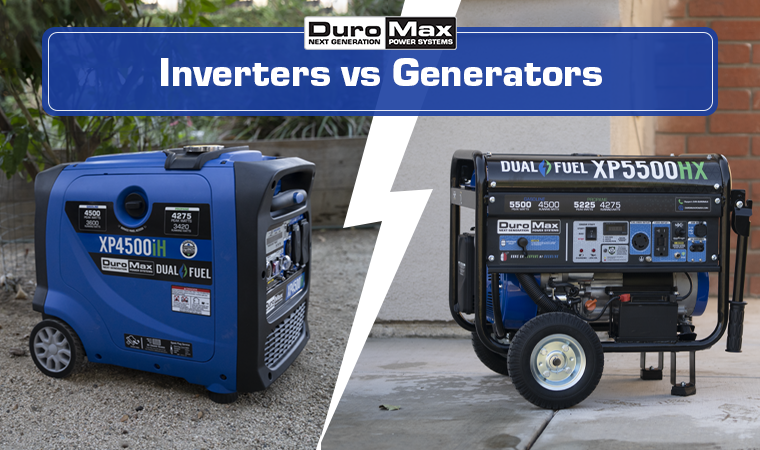
Credit: www.duromaxpower.com
Power Output And Stability
Power output and stability are crucial factors when choosing between a generator inverter and a traditional generator. Understanding how each option performs can help you make an informed decision that suits your needs. Let’s break it down.
Power Output: How They Compare
Generator inverters provide stable power output, ideal for sensitive electronic devices. They produce clean energy, which means your laptop or smartphone won’t suffer from voltage spikes.
Traditional generators typically deliver higher power output, making them suitable for heavy-duty tasks. If you need to power multiple appliances or tools simultaneously, a conventional generator might be your best bet.
- Generator Inverter:Best for sensitive electronics.
- Traditional Generator:Ideal for large appliances.
Stability Of Power Supply
Stability is where generator inverters shine. They automatically adjust the engine speed based on the load, ensuring consistent power delivery. This feature helps protect your devices from damage.
On the other hand, traditional generators often have fluctuating power output. If you’re running high-demand tools, you might experience surges or drops in power that could harm your equipment.
Have you ever faced a power surge during an important project? It’s frustrating and can lead to costly damage. Choosing a generator inverter can help you avoid that scenario.
Efficiency And Fuel Consumption
Generator inverters are generally more fuel-efficient. They adjust their output according to the demand, which means they consume less fuel when the load is low.
Traditional generators, however, run at a constant speed regardless of the load. This can lead to unnecessary fuel consumption, especially if you’re only using a small amount of power.
You might be surprised at how much you save on fuel with a generator inverter. It’s a practical choice for those who want to minimize running costs.
In your next power needs assessment, think about your devices and how much power they require. Understanding the differences in power output and stability can lead you to the right choice for your lifestyle.
Maintenance And Durability
Both generator inverters and traditional generators require maintenance. Understanding the differences helps in choosing the right one. Maintenance affects durability. A well-maintained generator lasts longer.
Maintenance Needs Of Generator Inverters
Generator inverters have specific maintenance tasks. They are often simpler to maintain. Regular checks on oil and filters are key.
Many inverter models come with automatic features. They alert users about maintenance needs. This keeps them running smoothly.
Maintenance Needs Of Traditional Generators
Traditional generators need more frequent maintenance. They have more moving parts. Regular oil changes and filter replacements are necessary.
These generators may need more repairs over time. Users should check spark plugs and fuel systems often.
Durability Of Generator Inverters
Generator inverters are built for durability. They are designed to handle fluctuations. Their technology protects sensitive devices.
These models often use advanced materials. This leads to longer life spans. Proper care can keep them running for years.
Durability Of Traditional Generators
Traditional generators are sturdy and robust. They can handle heavy loads easily. Their design often allows for tough conditions.
However, they may suffer from wear and tear. Regular maintenance is crucial for longevity. Neglect can lead to costly repairs.
Costs And Affordability
Understanding costs is key for many buyers. Choosing between a generator inverter and a traditional generator impacts your wallet. Prices vary based on features and performance. Let’s explore the costs involved.
Initial Purchase Price
Generator inverters generally cost more than traditional generators. Prices can range from a few hundred to several thousand dollars. Higher prices come with advanced features and better fuel efficiency. Traditional generators are often cheaper and suitable for basic needs.
Operating Costs
Operating costs include fuel, maintenance, and repairs. Generator inverters tend to use less fuel. This leads to lower fuel expenses over time. Traditional generators usually consume more fuel, increasing overall costs.
Maintenance Expenses
Maintenance is essential for both types of generators. Generator inverters require less maintenance. Fewer moving parts mean fewer repairs. Traditional generators can face higher maintenance costs due to more complex systems.
Long-term Value
Think about long-term value when choosing. Generator inverters often last longer with proper care. They also provide quieter operation and cleaner power. Traditional generators may have lower upfront costs but can lead to higher expenses later.
Best Applications For Each
Choosing between a generator inverter and a traditional generator depends on your needs. Each has its strengths for different situations. Understanding their best applications helps make the right choice.
Best Applications For Generator Inverters
Generator inverters are perfect for small and portable power needs. They work well for camping and outdoor activities. Their quiet operation is a big plus in these settings.
They are also great for sensitive electronics. Laptops, smartphones, and TVs need clean power. Generator inverters provide stable voltage, protecting your devices.
Home backup power is another strong use. Inverters can run essential appliances during outages. They are more efficient and consume less fuel.
Best Applications For Traditional Generators
Traditional generators shine in heavy-duty applications. They are ideal for construction sites and large events. These generators can power multiple tools and equipment at once.
They are also useful for whole-house backup. Traditional generators can handle high power demands. This makes them suitable for larger homes or businesses.
Long-term power outages benefit from traditional generators. They provide reliable energy for extended periods. Fuel capacity is usually larger, allowing for longer run times.
Environmental Impact
The choice between a generator inverter and a traditional generator affects the environment. Understanding these impacts helps make better decisions. Both options produce energy but differ in their emissions and efficiency.
Air Quality
Generator inverters are generally cleaner. They emit fewer pollutants than traditional generators. This difference helps improve air quality. Less smoke means healthier outdoor air.
Noise Pollution
Noise is another concern. Generator inverters run quieter than traditional generators. This reduced noise level is beneficial. It minimizes disturbances in residential areas and natural habitats.
Fuel Efficiency
Generator inverters use fuel more efficiently. They adjust power output based on demand. This efficiency leads to less fuel consumption. Traditional generators often run at full power, wasting fuel.
Carbon Footprint
The carbon footprint of generator inverters is smaller. Lower emissions mean less impact on climate change. Reducing greenhouse gases is crucial for our planet’s health.
Waste Management
Generators produce waste, especially oil and filters. Generator inverters generate less waste. This reduction eases the burden on landfills and waste management systems.
Frequently Asked Questions
What Is The Main Difference Between Inverter And Regular Generators?
Inverter generators produce clean power and are quieter. Regular generators are louder and less efficient.
Which Generator Is Better For Sensitive Electronics?
Inverter generators are safer for sensitive electronics due to their stable power output.
Are Inverter Generators More Expensive Than Regular Generators?
Yes, inverter generators usually cost more due to advanced technology and features.
Can Inverter Generators Run Appliances Like Refrigerators?
Yes, they can run refrigerators and other appliances without issues.
How Long Can An Inverter Generator Run Continuously?
Most inverter generators can run for 8 to 12 hours on a single tank.
Do Inverter Generators Require More Maintenance Than Regular Generators?
No, they typically require similar maintenance, but may need more care due to sensitive parts.
Are Inverter Generators Portable?
Yes, inverter generators are lightweight and easy to transport.
Can I Use An Inverter Generator For Camping?
Absolutely, inverter generators are perfect for camping and outdoor activities.
How Loud Are Inverter Generators Compared To Regular Generators?
Inverter generators are much quieter, usually around 50-60 decibels, compared to regular ones.
What Fuels Do Inverter And Regular Generators Use?
Both types often run on gasoline, but some use propane or diesel as well.
Conclusion
Choosing between a generator inverter and a regular generator is important. Each type has its benefits. Generator inverters are quiet and fuel-efficient. They work well for sensitive electronics. Regular generators provide more power for larger needs. Think about your power needs before deciding.
Consider the environment where you will use it. Both options have their place. Understanding your requirements helps you make the best choice. Weigh the pros and cons. Make an informed decision for your power solutions.