Are you tired of power outages disrupting your life? Do you want to make a smart energy choice for your home or business?
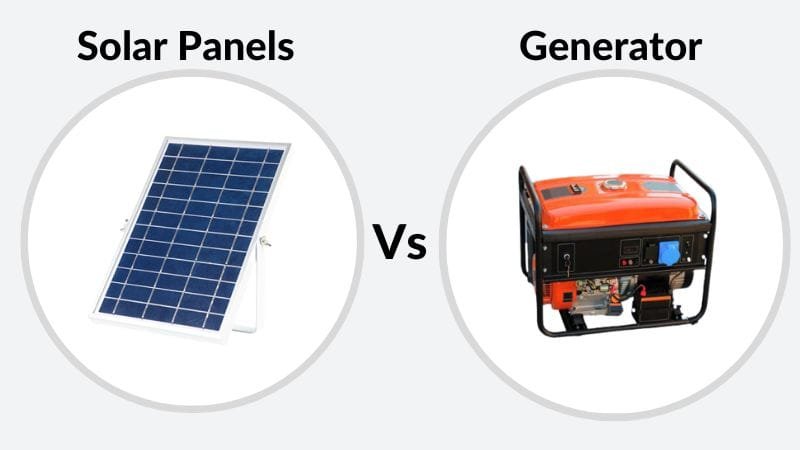
Understanding the differences between solar panels and generators can help you decide the best option for your needs. Both solutions offer unique advantages, but they also come with their own sets of challenges. Solar panels harness the sun’s energy, providing a renewable and eco-friendly option.
On the other hand, generators offer immediate power, especially during emergencies. We’ll break down the pros and cons of solar panels and generators, helping you weigh your options. By the end, you’ll have a clearer picture of which solution aligns with your lifestyle and energy needs. Keep reading to find out which choice could transform your power supply for the better!
Solar Panel


Generator



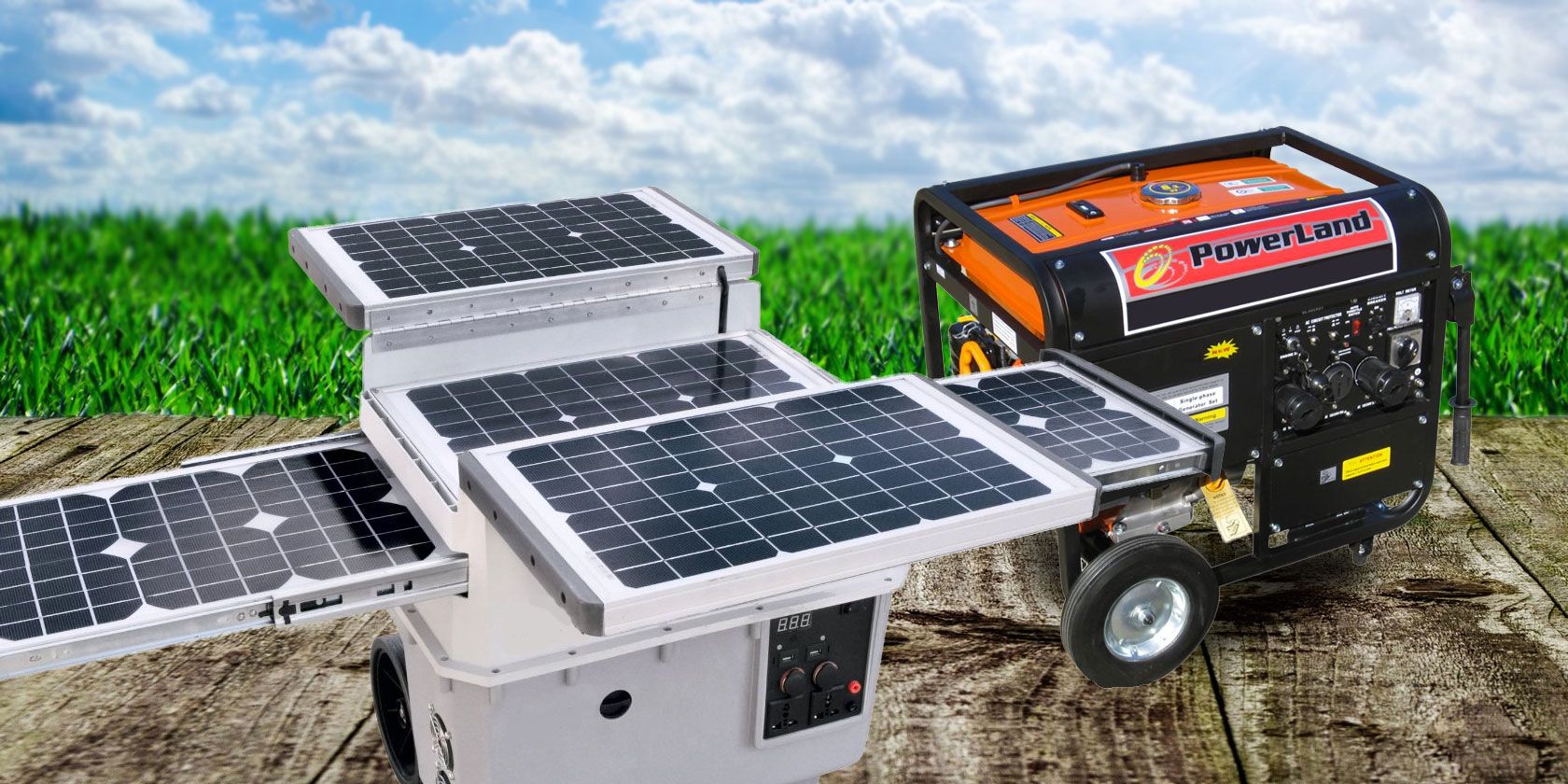
Credit: www.makeuseof.com
Cost Comparison
Understanding the costs of solar panels and generators is key. Many factors influence these costs. Initial expenses, maintenance, and long-term savings all matter.
Initial Costs Of Solar Panels
Solar panels have higher upfront costs. Purchasing and installing a solar system can cost thousands of dollars. Prices vary based on system size and quality.
Incentives may help. Government rebates and tax credits lower the overall price. Many people find these savings significant.
Initial Costs Of Generators
Generators generally have lower initial costs. Portable models start at a few hundred dollars. Larger standby generators can cost several thousand.
Installation costs may apply. Some generators need professional installation, which adds to the price. Overall, initial expenses are typically less than solar panels.
Maintenance Costs For Solar Panels
Solar panels require minimal maintenance. Cleaning them a few times a year is often enough. Most systems last 25 years or more.
Occasional repairs may be needed. These costs are usually low compared to generators. Overall, solar maintenance is manageable.
Maintenance Costs For Generators
Generators need regular maintenance. Oil changes, filter replacements, and battery checks are common. These tasks often require professional help.
Repair costs can add up. Breakdown repairs may be expensive. Generators may not last as long as solar panels.
Long-term Savings With Solar Panels
Solar panels offer great long-term savings. After installation, electricity costs drop significantly. Many homeowners save money over time.
Some systems even generate excess power. This can lead to credits on your utility bill. Solar energy often pays for itself in a decade.
Long-term Savings With Generators
Generators do not provide the same savings. Fuel costs can add up quickly. Relying on gasoline or propane is often expensive.
Generators are best for backup power. They do not replace your main energy source. Long-term, savings are usually less than solar panels.
Installation Process
Understanding the installation process of solar panels and generators is important. Both systems require different steps and planning. Knowing these steps can help you make a better choice.
Solar Panel Installation Steps
Installing solar panels involves several key steps. First, assess your roof’s condition. It should be strong enough to hold the panels. Next, choose the right solar system for your needs. Consider the size and type of panels.
After choosing the system, hire a licensed installer. They will conduct a site survey. This helps determine the best placement for the panels. Once the site is ready, the installer will mount the panels. They connect the panels to an inverter and your home’s electrical system.
Finally, the system must be inspected. Local authorities may require this step for safety. After passing the inspection, your solar panels will start generating power.
Generator Installation Steps
Installing a generator is a more straightforward process. First, select the right generator size. Consider how much power you need. Next, choose a location for the generator. It should be near your home’s power source but away from windows.
Prepare the installation area by clearing debris. If you have a permanent generator, set a concrete pad. This keeps it stable and secure. Connect the generator to your home’s electrical system. This may require a transfer switch for safety.
After installation, run tests to ensure it works. Follow the manufacturer’s instructions for proper use. Regular maintenance is necessary to keep it running smoothly.
Energy Efficiency
Energy efficiency is crucial for saving money and protecting the environment. Understanding how solar panels and generators compare helps you make better choices. Each option has unique strengths and weaknesses. Let’s explore how they stack up in terms of energy efficiency.
Solar Panel Efficiency
Solar panels convert sunlight into electricity. They use photovoltaic cells to capture sunlight. Most panels achieve 15-20% efficiency. This means they convert a portion of sunlight into usable energy. The more sunlight they receive, the more energy they generate.
Solar energy is renewable. It does not produce emissions during operation. This makes solar panels a cleaner option. They can lower electricity bills significantly over time. Once installed, they require minimal maintenance. Their long lifespan also adds to their efficiency.
Generator Efficiency
Generators rely on fuel, like gasoline or diesel. They convert fuel into electricity through combustion. Their efficiency varies widely, typically from 20-50%. This means a lot of energy is wasted as heat. Fuel costs can add up quickly, affecting overall efficiency.
Generators can produce power anytime. They are useful in emergencies or remote areas. However, they emit harmful gases. This can impact air quality and health. Regular maintenance is necessary to keep them running efficiently.
Comparing Costs
Solar panels have a higher upfront cost. However, they offer long-term savings. Generators have lower initial costs. But fuel and maintenance can be expensive over time. Calculate the total cost for a clearer picture.
Consider incentives for solar energy. Many governments offer tax credits. These can reduce installation costs. Weigh the benefits to find the right choice for your needs.
Solar panels are eco-friendly. They reduce reliance on fossil fuels. Generators contribute to pollution and greenhouse gases. Their impact on the environment is significant.
Choosing solar power helps combat climate change. It promotes a sustainable future. Generators do provide immediate power. However, their long-term effects are harmful. Making the right choice benefits both you and the planet.
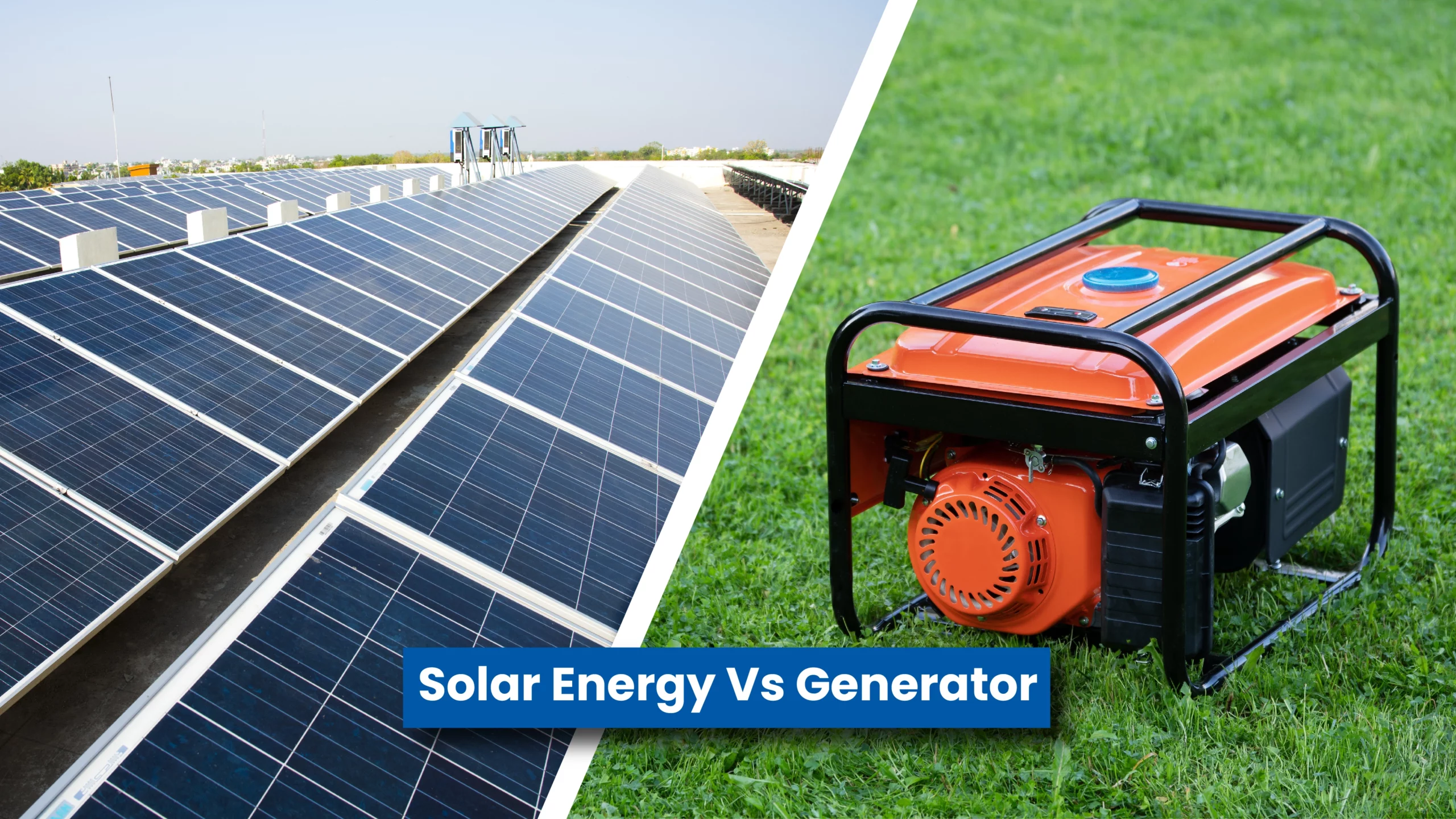
Credit: www.electronicafinance.com
Environmental Impact
The choice between solar panels and generators affects our planet. Each option has different effects on the environment. Understanding these impacts helps make better choices.
Solar Panels: Clean And Renewable
Solar panels harness energy from the sun. This energy is clean and renewable. They produce no air pollution or greenhouse gases.
Installing solar panels can reduce reliance on fossil fuels. This helps combat climate change. The materials used in solar panels are often recyclable.
Generators: Fossil Fuels And Emissions
Generators typically run on diesel or gasoline. These fuels release harmful emissions into the air. Burning fossil fuels contributes to air pollution and global warming.
Generators can also produce noise pollution. This affects local wildlife and human health. The extraction and transportation of fossil fuels harm ecosystems.
Life Cycle Impact
Solar panels have a long life span, often over 25 years. Their long-term benefits outweigh initial production impacts. Generators require regular maintenance and fuel supply.
Generator production involves resource extraction. This can lead to habitat destruction and pollution. Solar panel production is improving with more sustainable practices.
Energy Independence
Solar panels provide energy independence. They reduce the need for external fuel sources. This makes communities more resilient during power outages.
Generators depend on fuel supply chains. This ties users to fluctuating fuel prices. Solar energy offers a stable, long-term solution.
Maintenance Requirements
Understanding maintenance needs is key. Solar panels and generators require different care. Knowing these differences helps you make a better choice.
Solar Panel Maintenance
Solar panels need little maintenance. Regular cleaning keeps them efficient. Dust and dirt can reduce energy output.
Check for debris like leaves or snow. Remove it carefully. Inspect panels for any visible damage. Cracks can affect performance.
Most systems come with warranties. This can last 20 to 25 years. Professional checks are recommended every few years. They ensure everything runs smoothly.
Generator Maintenance
Generators need more attention. They require regular oil changes. Check the fuel and battery levels often.
Run the generator monthly. This keeps it in good shape. Listen for unusual sounds during operation.
Clean filters and spark plugs regularly. Scheduled professional maintenance is wise. This prevents larger problems down the road.
Keep the generator in a dry place. This protects it from weather damage.
Durability And Lifespan
Understanding the durability and lifespan of solar panels versus generators is crucial for making an informed decision about your energy needs. Both options have unique characteristics that affect how long they last and their overall reliability. This comparison will help you determine which one aligns best with your long-term goals.
Durability Of Solar Panels
Solar panels are built to withstand various weather conditions. They can endure high winds, heavy rain, and even hail. Most manufacturers offer warranties that guarantee performance for 25 years or more.
These panels are made from tough materials such as tempered glass and aluminum frames. This construction helps them resist damage from environmental factors. Many users find that their solar systems last even longer than the warranty period.
Durability Of Generators
Generators, while sturdy, have a different durability profile. They contain mechanical parts that can wear out over time. Unlike solar panels, which have no moving parts, generators require regular maintenance to keep them running smoothly.
Factors such as fuel quality and usage frequency can impact a generator’s lifespan. A poorly maintained generator may last only a few years, while a well-maintained one can go for a decade. Regular check-ups and service can extend its life significantly.
Lifespan Of Solar Panels
Most solar panels are designed for a lifespan of 25 to 30 years. Their efficiency may decline slightly over time, but they will continue to produce energy. Many users report that their panels still function well after decades of service.
After their peak performance years, they can still generate a significant amount of electricity. This longevity makes them a solid investment for homeowners seeking sustainable energy solutions.
Lifespan Of Generators
The lifespan of a generator varies widely. A portable generator may last around 1,000 hours of use, while standby generators can last up to 3,000 hours with proper care. Your usage patterns significantly affect this duration.
Consider how often you plan to use your generator. If you only need it for occasional power outages, you might find it lasts longer than if you use it constantly. Regular maintenance is essential for maximizing its lifespan.
Cost Implications
While the upfront cost of solar panels can be higher, their long lifespan and low maintenance costs often provide better long-term savings. Generators may appear cheaper initially, but ongoing fuel and maintenance expenses can add up.
- Solar panels:Initial investment, low maintenance, long-term savings
- Generators:Lower initial cost, ongoing fuel and maintenance expenses
Which option do you think offers better value for your specific situation? Consider not just the initial costs but also how long each system will serve you effectively.
Power Output And Reliability
Understanding the power output and reliability of solar panels versus generators is crucial for anyone considering these energy solutions. Both options have unique strengths and weaknesses that can significantly affect your energy needs. Let’s break down how each performs in terms of power output and reliability.
Power Output Of Solar Panels
Solar panels harness energy from the sun to generate electricity. The output varies based on sunlight availability, panel quality, and installation angle. On a sunny day, a single solar panel can produce between 250 to 400 watts.
Consider this: if you have a solar system with multiple panels, your total output can easily reach several kilowatts. However, cloudy days can drastically reduce this output. You may experience fluctuations in power that can impact your daily activities.
Power Output Of Generators
Generators, on the other hand, provide a consistent and immediate power supply. They can generate anywhere from 500 watts to several thousand watts, depending on the model. This reliability makes them a go-to choice for backup power during outages.
When I faced a power outage during a storm, my generator provided a steady supply of electricity. It powered my fridge, lights, and even my home office equipment without any hiccups. If you need a dependable power source, especially in emergencies, generators excel in this area.
Reliability Of Solar Panels
Solar panels are generally reliable, but their performance hinges on environmental factors. They require sunlight, so during prolonged rainy or snowy periods, their effectiveness diminishes. You might need a battery storage system to ensure you have power when the sun isn’t shining.
This is where some homeowners face challenges. If you’re considering solar, think about your local weather patterns. Would you want to rely solely on solar during the winter months?
Reliability Of Generators
Generators shine in reliability. They don’t depend on weather conditions and can run continuously as long as you have fuel. This makes them ideal for consistent power needs, especially during emergencies.
However, maintenance is key. Regular checks and servicing ensure your generator is ready when you need it most. Have you thought about how often you would use a generator, and whether you’re prepared to maintain it?
When comparing power output and reliability, consider your specific needs. Solar panels offer a sustainable solution but may require backup options for reliability. Generators provide consistent power but can come with fuel and maintenance costs. Your choice depends on your energy needs and lifestyle.
Suitability For Emergencies
Power outages can happen anytime. Being prepared is essential. Two popular options are solar panels and generators. Each has its strengths in emergencies. Choosing the right one matters.
Solar Panels: The Silent Backup
Solar panels work by collecting sunlight. They convert it into electricity. During the day, they can power your home. This means you can stay comfortable without noise.
Solar systems need sunlight to charge. On cloudy days, their efficiency drops. However, they can still provide power if you have batteries. These batteries store energy for later use.
Generators: The Immediate Power Source
Generators can provide power quickly. They run on fuel like gas or diesel. This makes them reliable during emergencies.
Generators can power large appliances. They can keep your fridge running. They also need regular maintenance to work well. Fuel must be available to keep them running.
Solar panels are eco-friendly. They use renewable energy. This helps reduce carbon footprint. Generators, on the other hand, emit fumes. They contribute to air pollution.
Cost Considerations
Solar panels require a higher upfront cost. They save money in the long run. Generators have lower initial costs. But fuel expenses can add up quickly.
Final Thoughts
Choose based on your needs. Solar panels are quiet and clean. Generators offer immediate power. Evaluate your situation carefully.
Space And Portability
Solar panels offer a clean and quiet power source. They are lightweight and easy to transport, making them ideal for camping or outdoor use. Generators provide instant energy but can be heavy and noisy. Choose based on your space needs and how portable you want your power source to be.
When considering energy solutions for your home or outdoor activities, space and portability play crucial roles. Understanding how solar panels and generators stack up in these areas can help you make a more informed choice. Both options offer unique advantages depending on your lifestyle and needs.
Space Requirements
Solar panels need dedicated roof space or ground area for installation. A typical residential solar system can require anywhere from 200 to 400 square feet. If you live in an apartment or have limited outdoor space, this could be a significant hurdle. Generators, on the other hand, vary in size. Portable generators can be compact, often fitting in a small corner of your garage or shed. Larger standby generators take up more space, but they’re often installed outside, reducing indoor clutter.
Portability
Portability is where generators often shine. Many are designed to be moved easily. You can take them on camping trips or to outdoor events, providing power wherever you go. Solar panels, particularly fixed installations, are not portable. However, portable solar panels do exist. They can be folded up and carried in a backpack, making them great for outdoor adventures.
Practical Considerations
Think about your energy needs. If you need power in remote locations, a portable generator might be more suitable. It can provide immediate energy without the need for sunlight. On the flip side, if you’re looking for a long-term solution and have the space, solar panels might be a better investment. They provide a clean energy source with minimal ongoing costs, especially after installation. How do you plan to use your energy? The answer to this question can significantly influence your decision. Remember, it’s not just about the initial cost; consider the long-term benefits and convenience as well.
Long-term Value
Understanding the long-term value of solar panels versus generators is essential for making an informed choice. Both options serve the purpose of providing energy, but their financial implications and environmental impact can vary significantly over time.
Initial Investment
Solar panels require a higher upfront cost compared to generators. You might pay anywhere from $15,000 to $25,000 for a complete solar setup, depending on your energy needs and local incentives.
Generators, on the other hand, can cost as little as $500 to $5,000 for a quality unit. However, consider that the lower initial price of a generator can be misleading when factoring in ongoing expenses.
Maintenance Costs
Solar panels are relatively low maintenance. Once installed, they require minimal upkeep—usually just a cleaning to remove dust or debris. The inverter might need replacement every 5 to 10 years, but overall, maintenance costs are low.
Generators need regular maintenance, including oil changes, fuel replenishment, and potential repairs. This can add up over time, diminishing their initial cost advantage.
Operational Costs
With solar panels, your operational costs are significantly reduced. Once installed, the sun powers your system for free. Depending on your location, you may also benefit from net metering, allowing you to sell excess energy back to the grid.
Generators rely on fuel, whether gasoline or propane. Fuel prices can fluctuate, leading to unpredictable costs. You might find yourself spending hundreds each year just to keep your generator running.
Return On Investment (roi)
Investing in solar panels offers a strong ROI over time. Many homeowners recoup their initial investment within 5 to 10 years through savings on energy bills and potential tax credits.
Generators typically do not provide a comparable ROI. They serve as a backup option, and the costs associated with fuel and maintenance often outweigh any savings on your energy bill.
Solar panels generate clean energy, reducing your carbon footprint. With the ongoing climate crisis, investing in renewable energy can offer peace of mind and contribute positively to the environment.
Generators, especially those powered by fossil fuels, contribute to pollution and greenhouse gas emissions. If you’re environmentally conscious, this can be a significant factor in your decision.
Energy Independence
Solar energy can provide you with energy independence. Once your system is installed, you’re less reliant on external energy sources.
Generators, while offering temporary power, still depend on fuel availability. In times of crisis, such as natural disasters, fuel shortages can leave you in the dark.
Which option aligns more closely with your long-term goals? Consider your lifestyle, values, and the financial implications carefully. The right choice can significantly impact your future energy costs and environmental footprint.
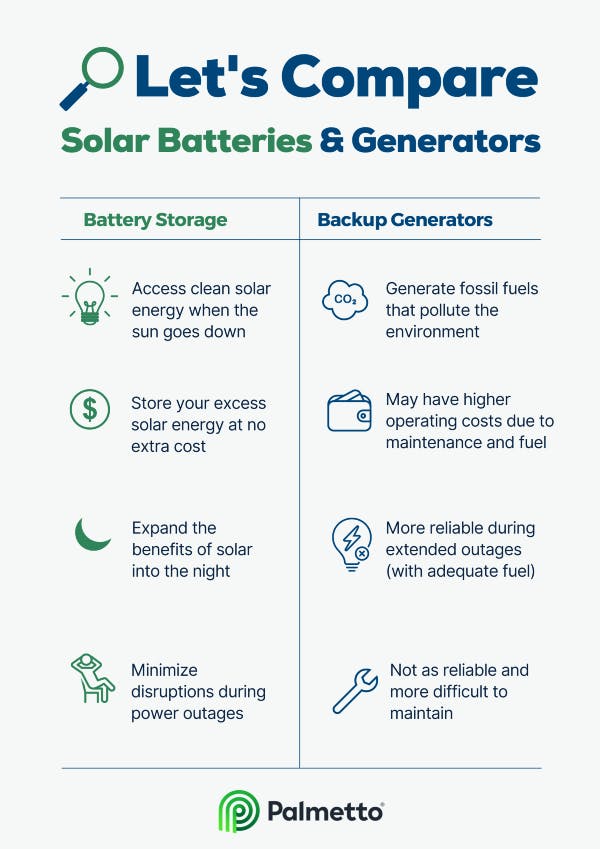
Credit: palmetto.com
Frequently Asked Questions
Solar Panels Or Generators: Which Is Better?
Solar panels are better for long-term energy savings. Generators provide immediate power but cost more to operate.
How Long Do Solar Panels Last?
Most solar panels last 25 to 30 years. They are durable and require little maintenance.
Can Generators Run On Solar Power?
Generators can run on solar power if they are designed for it. This setup is less common.
What Is The Cost Difference Between Solar Panels And Generators?
Solar panels have a higher upfront cost. Generators are cheaper initially but have ongoing fuel costs.
Do Solar Panels Work On Cloudy Days?
Yes, solar panels can still produce energy on cloudy days. They work better in direct sunlight, though.
How Much Maintenance Do Solar Panels Require?
Solar panels need minimal maintenance. Regular cleaning and occasional inspections are usually enough.
Can I Use Both Solar Panels And Generators?
Yes, using both is possible. Solar panels can provide energy, while generators can offer backup power.
Are Solar Panels Environmentally Friendly?
Yes, solar panels are eco-friendly. They produce clean energy and reduce carbon emissions.
How Noisy Are Generators Compared To Solar Panels?
Generators are typically noisy, especially during operation. Solar panels, on the other hand, operate silently.
What Is The Installation Process For Solar Panels?
Installing solar panels involves site assessment, design, and mounting. Professionals usually handle the installation process.
Conclusion
Choosing between solar panels and generators depends on your needs. Solar panels provide clean energy. They reduce electricity bills and help the environment. Generators offer reliable power during outages. They are easy to use and portable. Consider your budget and energy requirements.
Think about how often you need power. Both options have benefits. Weigh them carefully before deciding. Make the choice that best fits your lifestyle and energy needs.